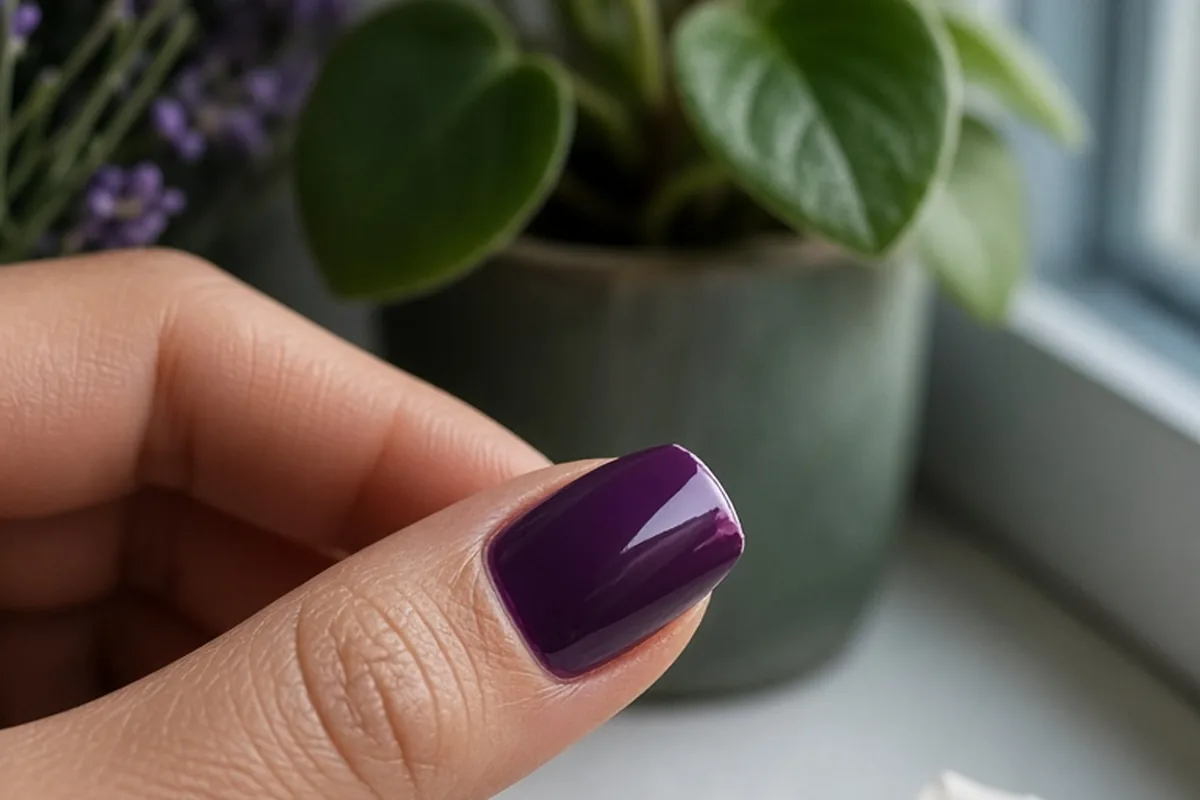
To ask a salon to fix a chipped gel manicure, contact them promptly—ideally within forty-eight to seventy-two hours of your appointment. State politely when you had your nails done, describe which nail chipped, and ask if a technician can perform a quick touch-up. Most salons offer a complimentary repair window for early chips caused by application issues, provided you reach out right away with a clear photo.
A fresh gel manicure is expected to provide at least two weeks of durable, glossy wear, making an unexpected chip or peeled edge within the first few days especially disappointing. Clients frequently hesitate to reach out because they dread awkward interactions, yet reputable salons consider minor touch-ups a standard part of client retention and everyday service.
Understanding Salon Courtesy Windows and Repair Policies
Most professional nail salons maintain an unwritten or written courtesy window, typically lasting between forty-eight hours and seven days after your service. During this timeframe, reputable businesses acknowledge that an early chip, crack, or lifted edge is frequently the result of an application issue rather than normal client wear. When nail technicians skip proper dehydration of the nail plate, fail to cure a layer completely under the LED lamp, or forget to cap the free edge, the gel can separate prematurely from the natural nail.
Reaching out as soon as you spot damage significantly strengthens your request for a complimentary fix. If a client waits until day six to report a chip that developed on day two, salon staff are much more likely to assume the damage stems from manual labor, house cleaning, or accidental impact. Contacting the front desk immediately establishes a transparent timeline, demonstrates that you treat your nails with care, and allows the manager to slot you into an upcoming schedule without disrupting other appointments.
Assessing What Caused the Chip Before You Call
Before contacting the salon, take a moment to evaluate how the manicure failed so you can describe the problem accurately. Application errors usually present as whole sheets of gel lifting from the cuticle or sidewall, a gummy texture beneath the surface, or a clean separation along the tip because the free edge was never sealed. In these cases, the fault lies within the salon process, making a no-charge repair the standard industry resolution.
In contrast, if a chip occurred because you pried open a package, caught your nail on a heavy drawer, or handled harsh cleaning solvents without gloves, the damage is an accidental mechanical break. Experienced nail technicians can instantly differentiate between natural adhesion failure and impact trauma by looking at the natural nail beneath the polish. Being honest about any accidental knock creates goodwill; salons are often happy to fix an honest mistake for free or for a nominal fee simply because the client was candid and pleasant about it.
Scripts for Calling, Texting, or Messaging the Front Desk
When contacting the salon, maintain a collaborative, polite tone that focuses on solving the problem rather than assigning blame. Nail salon receptionists and managers respond far better to calm requests than accusatory declarations. Preparing what you want to say in advance keeps your emotions neutral and ensures you communicate all necessary booking details in one exchange.
Use these practical phrasing examples depending on your preferred method of communication:
- Phone script: 'Hi there, my name is [Name]. I had a gel manicure on [Day of week] with [Technician's name], and unfortunately, the gel on my left index finger chipped this morning. Is there a quick ten-minute window today or tomorrow when someone could smooth that out for me?'
- Text or direct message script: 'Hello! I got my nails done on [Date] at [Time]. The polish on my thumb has started lifting at the edge. I have attached a photo so you can see it. Could I swing by for a brief touch-up sometime during your afternoon openings?'
- Walk-in script: 'Good morning! I was in on [Day] for a full gel set, and I noticed this small chip on my middle finger yesterday. I know you are busy, but would you have five or ten minutes between appointments to help me fix it?'
What to Expect During the Touch-Up Appointment
A standard gel repair is a targeted, rapid service designed to take no more than ten to fifteen minutes. You will not receive a repeated full-hand manicure, hand massage, or soak. Instead, the technician will gently file down the chipped region or soak off the individual damaged nail, prep the exposed nail bed, match the original bottle of gel color, and cure the replacement coats under the light.
Be prepared that your original nail artist might not be on duty when you arrive for a quick repair. While seeing the same technician is ideal for color matching and consistency, allowing any available skilled technician to touch up the nail gets you in and out faster. If your manicure involved elaborate hand-painted nail art or an intricate chrome powder blend, mention that during scheduling so the salon can pair you with a technician capable of matching the original work.
Tipping and Payment Etiquette for Nail Repairs
Navigating payment during a repair depends on the age of the manicure, the salon policy, and the cause of the chip. If the chip occurred within forty-eight to seventy-two hours and the salon waives the service fee, the repair is technically free. However, tipping the technician who performs the touch-up remains standard salon courtesy. Offering a three to five dollar tip demonstrates appreciation for their time, especially if the technician fixing your nail was not the person who performed the initial service.
If your manicure is past the five- or seven-day mark, expect that the salon may charge a standard single-nail repair fee, which typically ranges from five to ten dollars. When a charge is warranted due to normal wear and tear, paying it gracefully preserves your relationship with the establishment. If the salon insists on charging you for an obvious application error that occurred within twenty-four hours, you can calmly request to speak with the manager, but evaluate whether a five-dollar dispute is worth ongoing conflict.
How to Handle Pushback or Reluctant Staff
Occasionally, a salon owner or technician may react defensively when asked to fix a manicure, claiming that all post-appointment chips are the client's responsibility. If you encounter resistance, remain composed and reiterate the timeline clearly. Remind them gently of the date and time of your service, show a clear timestamped photograph of when the lifting began, and emphasize that you have followed standard gel aftercare.
If management remains completely unaccommodating or treats you with open hostility, accept the refusal and do not escalate an argument inside the salon. Forcing an unwilling technician to work on your nail rarely produces quality results and may lead to a rushed, uneven application. In such circumstances, protect your natural nails by visiting a different salon or carefully managing the nail at home, treating the experience as useful insight into which local businesses truly value client care.
Temporary Care to Protect Your Nail Before Your Appointment
Between the moment a chip occurs and your scheduled repair slot, handling the damaged nail properly prevents worsening tears or nail plate injury. The most critical rule is to avoid peeling or pulling at the loosened gel edge. Gel polish forms a strong chemical bond with the superficial keratin layers of your nail bed; ripping the lifted polish off forcibly strips away healthy nail tissue, leaving a thin, sensitive divot that will struggle to hold polish in the future.
If the chipped edge is sharp and catches on clothing, hair, or bedding, use a soft, fine-grit emery board to gently file down the jagged point moving in a single direction. You can apply a drop of clear regular topcoat over the broken boundary to seal it temporarily, or place a small bandage over the fingertip while doing household tasks. Keep the damaged nail dry and clean, avoiding long hot baths or unshielded dishwashing so moisture does not collect underneath the lifting layer.
Illustrative Scenarios
Resolving a Second-Day Peeling Dispute
A client noticed their thumb gel lifting cleanly from the sidewall thirty-six hours after a salon visit. Instead of picking at the edge or waiting until the weekend, they immediately took a well-lit photograph and sent a polite text to the salon booking line explaining that the seal had lifted while washing hands. The salon responded within an hour, booked a ten-minute slot with an available technician that afternoon, and reapplied the gel at no charge.
Key point: Documenting the issue immediately with clear imagery and contacting the business without accusatory language allows salons to provide prompt, no-cost customer recovery.
Frequently asked questions
How quickly should I notify the salon if my gel manicure chips?
You should contact the salon within twenty-four to forty-eight hours of noticing the damage. Reaching out right away establishes that the chip was caused by premature adhesion failure rather than extended everyday wear.
Will the salon charge me to repair a single chipped nail?
Most salons fix chipped nails for free if the damage occurs within their courtesy guarantee window, which is usually three to seven days. If the chip happens beyond that timeframe or was caused by severe impact, they may charge a small fee of five to ten dollars.
Should I leave a tip if the nail fix is provided for free?
Yes, leaving a small cash tip of three to five dollars is standard salon etiquette. This compensates the technician for their time and supplies, especially if an artist other than your original manicurist performs the repair.
What if the salon cannot fit me in with my original nail technician?
Accepting another available technician is standard and usually much faster for a basic single-color fix. However, if your manicure includes complex hand-painted art or special chrome powders, ask the desk when the original technician is working next so the design matches.
Your next step
Take a clear photo of the chipped nail right now, check your original appointment receipt for the date, and call or text the salon using a polite, collaborative script to secure a quick touch-up.