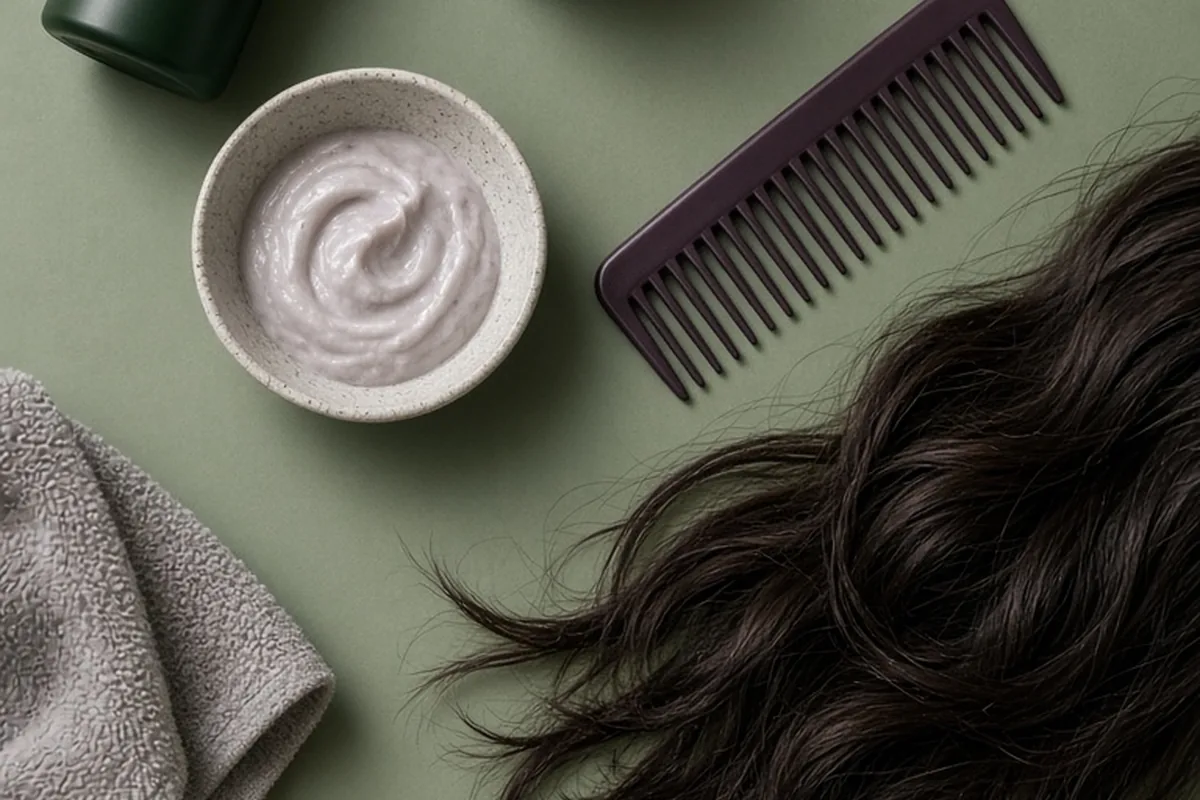
Caring for relaxed hair requires balancing hydration with structural protein to protect strands altered by chemical straighteners. To maintain hair health and minimize breakage, wash with sulfate-free cleansers, alternate between moisture-rich deep conditioners and mild protein treatments, seal fragile ends with lightweight plant oils or creams, limit thermal heat tools, and reserve chemical relaxer applications strictly for new root growth rather than overlapping previously processed lengths.
Chemical relaxers alter the natural disulfide bonds within textured hair fibers, permanently transforming curly or coily patterns into a smooth, straight finish. While this process offers styling versatility and simplified day-to-day detangling, it inherently reduces the tensile strength and elasticity of the hair shaft. Building an intentional, supportive maintenance regimen is the most reliable way to prevent chronic dryness, split ends, and sudden breakage.
Establishing a Gentle Wash Day Routine for Relaxed Hair
A successful wash day for relaxed hair centers on retaining moisture while gently lifting product residue and sebum from the scalp. Because chemical processing lifts the cuticle layer and increases porosity, standard clarifying formulas or harsh sulfate surfactants can strip away essential lipid layers, leaving strands brittle and prone to snapping. Instead, look for moisturizing shampoos formulated with hydrating humectants such as glycerin, panthenol, or aloe vera leaf juice. If your scalp requires deeper cleansing due to dry shampoo buildup or heavy edge controls, consider a targeted scalp scrub or a sulfate-free chelating rinse applied solely to the roots.
Water temperature plays a subtle but noticeable role in cuticle behavior during the washing process. Lukewarm water effectively dissolves oil and lifts dirt without causing excessive swelling of the delicate hair fiber. After thoroughly cleansing the scalp with the pads of your fingers—avoiding fingernails, which can abrade sensitized skin—rinse thoroughly until the water runs clear. Follow with a rich rinse-out conditioner to instantly smooth down the cuticles before stepping out of the shower.
Drying methods also require a mindful adjustment. Vigorously rubbing wet hair with a standard terrycloth towel causes mechanical friction that tears lifted cuticles and catches fragile strands. Replace coarse bath towels with an absorbent microfiber wrap or a clean cotton T-shirt. Gently press and blot the fabric along the length of your hair to absorb excess water rather than twisting or squeezing tightly.
Balancing Deep Moisture and Protein to Stop Snapping
Chemically relaxed strands exist in a perpetual state of compromised structure. Disulfide bonds, which provide natural elasticity and bounce, are broken down during the relaxing procedure to permanently straighten the hair. To keep strands from snapping under normal handling, you must balance deep moisture with reconstructive protein. Moisture gives the hair fiber flexibility and softness, while protein fills in micro-gaps along the damaged cuticle to reinforce tensile integrity.
Recognizing what your hair needs at any given moment prevents common regimen pitfalls. If your strands feel stiff, dry, and snap with little to no stretch when handled, your hair is likely experiencing moisture deficiency or protein overload. In this scenario, pause all reconstructive treatments and focus on deep conditioners containing emollients, fatty alcohols like cetyl alcohol, and natural butters. Conversely, if your hair feels mushy, overly soft, or stretches endlessly before breaking when wet, your strands are lacking structural protein. Applying a mild hydrolyzed keratin, silk amino acid, or wheat protein treatment will restore the firm backbone your hair fibers need.
Incorporate a dedicated conditioning session after every wash. Applying deep conditioner under a warm hooded dryer or thermal heat cap helps soften the hair shaft and encourages humectants to penetrate beneath the exterior cuticle. Rinsing with cool water helps close the outer layers, locking in moisture and delivering a smoother surface that reflects light naturally.
Daily Hydration and Sealing Techniques for Fragile Ends
The oldest parts of your relaxed hair are the ends, which have endured the highest number of washes, heat applications, and environmental exposures. Because relaxed cuticles struggle to retain water over multiple days, relying solely on your weekly wash day will leave ends parched mid-week. Daily or alternate-day hydration through layering prevents progressive split ends and mid-shaft fractures.
A practical approach is the liquid-oil-cream or liquid-cream-oil method, adapted specifically for straight textures. Begin by lightly misting the lengths with water, a rosewater spray, or a water-based leave-in conditioner. Water is the only true hydrator; everything applied afterward serves to cushion or lock that water in place. Next, work a coin-sized portion of a moisturizing styling lotion or lightweight leave-in cream from the mid-lengths down to the tips, ensuring even distribution.
Seal the hydration with a few drops of a non-greasy plant oil or silicone-based serum. Oils such as argan, jojoba, or sweet almond coat the strand surface, slowing down water evaporation without leaving the hair limp or greasy. For thicker textures, a tiny dab of shea butter or an emollient pomade can be smoothed over the very tips of the hair to provide physical protection against rubbing on clothing collar lines.
Minimizing Heat Styling and Reducing Friction
Direct thermal heat is one of the quickest ways to degrade already vulnerable relaxed hair fibers. While flat irons and curling wands provide high-shine, salon-quality movement, excessive heat breaks down residual protein structures, leading to thinned lengths and split ends. Where possible, embrace indirect heat and heat-free styling alternatives. Roller setting wet hair under a warm hooded dryer creates full, bouncy volume and smooth movement with far less direct thermal stress than passing metal plates over dry hair.
When you do choose to use a blow dryer, flat iron, or curling tool, prep your strands thoroughly. Never apply direct heat tools to damp hair, as boiling trapped water inside the hair cortex creates irreversible internal fractures known as bubble hair. Always distribute an effective heat protectant serum or lightweight spray evenly across small sections before styling, and keep your tool at a moderate temperature setting. One steady, fluid pass down each section causes less cumulative damage than repeatedly running a hot iron over the same area.
Nighttime care is equally critical for friction management. Cotton pillowcases are porous and abrasive, absorbing moisture from your hair while roughing up cuticles as you shift during sleep. Protect your style by wrapping hair smoothly around the crown with a wide brush and covering it with a silk or satin scarf. Alternatively, sleeping on a silk or satin pillowcase ensures that if your scarf slips during the night, your hair slides smoothly against the surface without catching or drying out.
Managing Chemical Relaxer Touch-Ups and Avoiding Overlapping
The most vulnerable point on your head is the line of demarcation—the fragile junction where new, untreated curly growth meets previously relaxed hair. When it comes time to touch up your roots, precision is critical. Applying relaxer cream over previously processed hair breaks down remaining structural bonds, leading to severe thinning, brittleness, and breakage right at the demarcation boundary.
Space your touch-ups to allow enough new growth for a stylist to apply product cleanly without bleeding onto older sections. Rushing a touch-up when you only have a trace of new growth dramatically increases the chance of overlapping. Before applying chemical cream, protect previously relaxed lengths with a generous coating of pure petroleum jelly, heavy oil, or a thick conditioner. This protective barrier shields the older strands if stray product drips or shifts during application.
Scalp protection is another non-negotiable step. Base your entire scalp, hairline, and ear areas with a dedicated protective base cream prior to chemical exposure. Avoid scratching, vigorous brushing, or intense workouts that cause scalp sweating for several days before your relaxer service, as any microscopic skin abrasions will lead to painful burning and premature rinsing before the chemical has safely neutralized.
Choosing Protective Styles That Spare the Hairline and Nape
Protective styling tucks fragile ends away from daily friction and reduces manipulative strain, which can support steady length retention. However, poorly executed protective styles often cause more harm than good for relaxed hair. Chemical processing weakens hair follicles and fine strands along the hairline and nape, making them especially susceptible to tension alopecia caused by tight braiding, heavy extensions, or tightly secured ponytails.
Opt for low-manipulation styles that preserve the edges rather than high-tension installations. Loose French twists, gentle chignons secured with smooth satin scrunchies, or clipless pins offer sophisticated looks without tugging at the root. If you prefer box braids, twists, or cornrows, insist that your braider leaves your fragile perimeter hairs out or braids with minimal tension. Never allow styling that causes bumps, headaches, or pain.
Wigs can serve as fantastic protective options, provided the hair underneath is maintained. Avoid resting rough wig caps directly against the hairline, which can rub away edges through subtle daily movement. Wear a soft silk headband or velvet grip beneath your wig, and ensure you remove the unit regularly to allow your scalp to breathe and receive proper wash-day attention.
Troubleshooting Shedding, Breakage, and Scalp Irritation
Understanding whether your hair is shedding naturally or breaking mechanically is essential for selecting the correct remedy. Shedding occurs at the root and is part of the natural hair growth cycle; a shed hair will always feature a small white bulb at one end. Breakage, on the other hand, consists of shorter, irregular pieces of hair that snap off mid-shaft without a bulb. If you notice extensive short fragments falling onto your clothes or sink during combing, your hair is suffering from brittleness, over-processing, or excessive manipulation.
To address active breakage, simplify your routine immediately. Cease all chemical applications, pause direct heat styling, and introduce a gentle reconstructive treatment paired with intensive moisture masks. Switch to seamless wide-toothed combs or flexible detangling brushes, and detangle exclusively when the hair is coated in slippery conditioner, working patiently from the ends upward toward the roots.
Scalp health directly influences the vitality of emerging new growth. Chemical relaxers can occasionally leave the scalp dry, flaky, or inflamed if neutralizing steps were rushed or residue remained behind. If you experience persistent itching or tenderness, use soothing leave-in scalp tonics formulated with calming ingredients like chamomile, tea tree, or menthol. If irritation, burning sensations, or localized bald patches persist, consult a board-certified dermatologist who specializes in textured hair disorders.
Frequently asked questions
How often should I wash my relaxed hair?
Most people with relaxed hair find success washing once every seven to ten days. Washing too frequently can strip away precious natural oils, while waiting too long allows product buildup to choke follicles and prevent hydrating conditioners from penetrating.
Can I use coconut oil to moisturize relaxed hair?
Coconut oil is a sealant rather than a moisturizer because it contains no water. While it can help reduce protein loss and lock in moisture, it should always be applied over a water-based leave-in product rather than onto dry hair alone.
How long should I wait between relaxer touch-ups?
Waiting until you have noticeable new growth allows for a clean chemical application without overlapping onto previously relaxed hair. Spacing appointments by several weeks protects hair integrity, though the exact interval depends on your personal rate of hair growth.
Why is my relaxed hair breaking off at the roots?
Breakage near the root is typically caused by chemical overlapping during touch-ups, which weakens the line of demarcation. It can also stem from tight hairstyles that pull on vulnerable growth or from severe scalp irritation during relaxer application.
Your next step
Assess your ends today for dryness or splitting, apply a water-based leave-in followed by a few drops of sealing oil, and replace any cotton sleep accessories with a smooth silk or satin scarf.