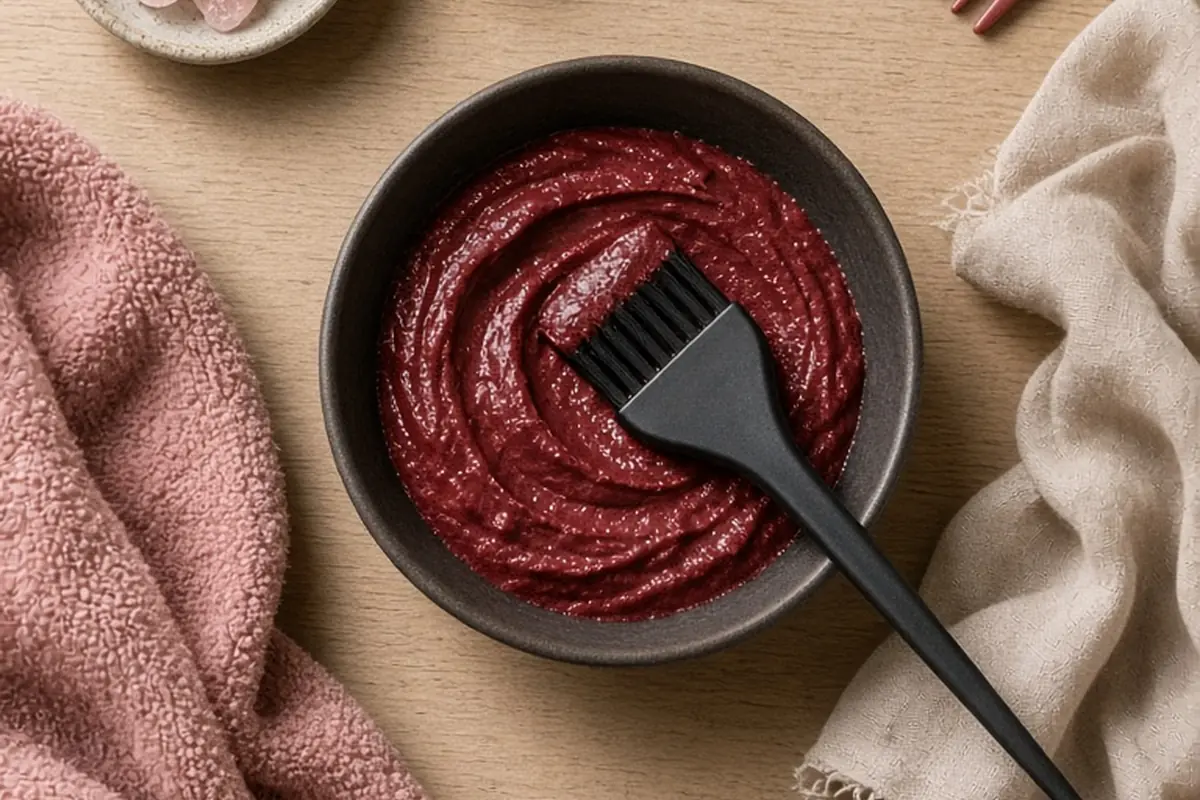
To care for hair color correction, wait at least 48 to 72 hours before washing to allow the new pigment and cuticle layer to settle. Wash hair using lukewarm or cool water with gentle, sulfate-free cleansers designed for chemically compromised strands. Incorporate bond-repair treatments alongside deep hydrating masks to rebuild structural strength, strictly limit heat styling, and use a dedicated heat protectant whenever drying your hair. Schedule regular in-salon glosses to keep tone vibrant without over-processing.
Undergoing a color correction process places significant stress on the hair fiber, as it often requires stripping stubborn pigments, rebalancing uneven undertones, and depositing fresh color in a single service. Caring for your hair afterward requires a specialized routine that prioritizes structural repair, deep hydration, and gentle handling to ensure your new color lasts without causing long-term breakage.
Immediate Post-Correction Rules for the First 72 Hours
Chemical color corrections involve multiple demanding steps, such as pigment extraction, bleaching, and toner formulation, which force the protective cuticle layer wide open and exhaust natural moisture reserves. During the initial 48 to 72 hours following your appointment, the hair cuticle remains fragile, slightly raised, and exceptionally vulnerable to friction, environmental moisture, and water immersion. Refraining from washing during this crucial window gives the hair shaft time to recover from chemical swelling and allows deposited color molecules to settle securely within the cortex, minimizing the risk of rapid premature fading.
Your daily habits during these first few days are just as influential as avoiding shampoo. Steer clear of tight elastic hair ties, tight clips, or aggressive brushing that puts direct tension on chemically softened strands, as this mechanical stress can lead to snapping along the hairline and crown. Sleep on a smooth silk or satin pillowcase to reduce abrasive friction while you toss and turn at night. If your roots begin to feel greasy before your first scheduled wash, resist spraying heavy dry shampoos immediately, because powdery buildup can settle into lifted cuticles and make the hair feel dry and matte.
Rebuilding Structural Integrity with Bond Builders and Protein Treatments
Chemical color adjustments inevitably disrupt the internal disulfide bonds that give individual hair fibers their shape, elasticity, and strength. While traditional conditioners coat the outer cuticle to provide surface-level smoothness and detangling slip, dedicated bond-building formulations operate at a molecular level to link broken bonds back together. Incorporating a bond-multiplying treatment once a week reinforces compromised fibers from the inside out, visibly reducing breakage, split ends, and shedding during routine brushing and styling.
In addition to bond repair, targeted protein treatments help rebuild the keratin framework where pigment lifting created microscopic voids in the strand structure. However, protein must be balanced carefully with intense moisture to avoid making the hair stiff or brittle. Severely processed hair benefits from hydrolyzed proteins and amino acids, but applying them too frequently without adequate hydration can cause the hair to snap under tension. A safe cadence is alternating a protein-infused treatment with a deeply hydrating moisture mask every other week to maintain ideal structural balance.
Washing Protocols: Sulfate-Free Cleansers, Water Hardness, and Temperature
Regular cleansing is where many people unintentionally undo the results of a color correction. Standard clarifying shampoos and products containing harsh sulfates strip away delicate toner molecules in just a few washes, revealing unwanted brassy or muddy undertones underneath. Switch to an ultra-gentle, color-safe, sulfate-free shampoo formulated specifically for chemically treated hair, and focus the lather primarily on the scalp rather than scrubbing the fragile ends, allowing the soapy water to rinse down the lengths without unnecessary abrasion.
Water temperature and mineral content also directly determine how long your corrected tone survives. Washing and rinsing with hot water expands the cuticle layer, which accelerates color leaching and strips essential natural oils. Always rinse your hair with lukewarm or cool water to help contract the cuticle and preserve toner depth. Furthermore, if your home has hard water containing heavy deposits of calcium, iron, or chlorine, these minerals can oxidize on the hair shaft and cause blonde shades to turn green or brunette tones to turn brassy. Installing a filtered showerhead provides reliable defense against mineral discoloration.
Hydration Strategies for Porous, Bleached, or Textured Strands
Because color correction strips away the natural lipid barrier that coats the hair shaft, strands become highly porous, meaning they absorb water quickly but lose it just as fast. To restore moisture balance, apply an emollient deep conditioning mask packed with fatty acids, ceramides, and nourishing plant oils such as jojoba or argan oil once a week. Applying gentle heat, such as wearing a shower cap in a warm bathroom, helps these rich conditioning ingredients penetrate deep into dry, porous cuticles to restore natural suppleness.
For naturally wavy, curly, or coily hair, color correction demands an even more protective hydration routine due to the inherent vulnerability of textured strands. The curved structure of curls already hinders natural scalp sebum from traveling down the shaft, making corrected curls especially prone to extreme dryness and pattern distortion. Apply a moisturizing leave-in conditioner immediately after washing, seal the damp strands with a light botanical oil, and detangle exclusively while the hair is soaked in conditioner using a flexible detangling brush or wide-tooth comb to avoid pulling.
Heat Styling Boundaries and Environmental Defense
High temperatures from styling tools can quickly scorch sensitized hair fibers and degrade newly placed toners within seconds. Put aside hot flat irons, curling wands, and high-heat blowouts as much as possible, especially during the initial month after your color correction service. Whenever heat styling is unavoidable, turn tool settings down to a moderate temperature and never press hot iron plates over the same section of hair repeatedly, as excessive heat breaks down fragile protein bonds and fades delicate color formulations.
Always apply a comprehensive heat protectant spray or cream containing thermal and UV filters before blow-drying or stepping outside into direct sunlight. Sunlight oxidizes artificial hair color and depletes moisture, turning cool and neutral shades into warm, faded brass. If you plan to swim in a pool or the ocean, pre-saturate your dry hair with fresh tap water and coat it with a leave-in conditioner before getting in, which prevents porous hair from soaking up chlorinated chemicals and salt that cause immediate color shifts.
Managing Fading, Brassy Undertones, and Salon Follow-Up Visits
Even with meticulous home care, high-porosity hair will gradually shed toner pigments after four to six weeks of regular washing. Instead of reaching for aggressive box dyes or permanent home color kits when warm undertones reappear, use targeted toning glosses or pigmented shampoos. Purple-tinted products neutralize unwanted yellow hues on blonde hair, while blue-pigmented cleansers counteract brassy orange tones on light brown and brunette bases. Use these pigmented products sparingly—roughly once every two to three weeks—to prevent dull, over-toned pigment accumulation.
Plan a maintenance gloss or toner refresh appointment with your colorist approximately four to six weeks after your initial service. An in-salon gloss deposits translucent, demi-permanent color and seals the cuticle surface without lifting natural melanin or placing further oxidative stress on the hair fiber. This regular maintenance appointment keeps your tone balanced, replenishes lost shine, and allows your stylist to monitor the overall health and elasticity of your strands as they recover.
Recognizing Chemical Distress and When to Pause All Lightening
It is essential to recognize the physical signs of severe chemical distress early so you can adjust your hair routine before irreversible breakage occurs. If your hair feels unusually mushy, gummy, or excessively stretchy when wet, the internal keratin framework has experienced major structural damage. In this compromised condition, any further bleaching, permanent coloring, or chemical perm services must be stopped immediately to avoid catastrophic hair loss and shedding along the mid-lengths.
Maintain open, honest communication with your professional stylist regarding how your hair responds to washing and styling at home. Achieving an ambitious color transformation often requires a structured, multi-session plan spread over several months to maintain hair health. Taking intentional breaks between lightening sessions allows internal bonds to rebuild, cuticles to settle, and the hair fiber to regain enough tensile strength to safely receive future color applications.
Frequently asked questions
How soon can I wash my hair after a color correction?
You should wait at least 48 to 72 hours before washing your hair after a color correction. This delay gives the hair cuticle adequate time to smooth down and allows the newly deposited pigments and toners to stabilize within the hair cortex. Washing too early can lead to rapid fading and premature dryness.
Is purple shampoo safe to use immediately after color correction?
It is generally best to avoid purple or toning shampoos for the first two weeks following your appointment. Freshly corrected, porous hair absorbs direct pigments unevenly, which can leave patchiness or unwanted violet stains. Use gentle, sulfate-free moisturizing cleansers first, introducing toning shampoos only when natural brassiness begins to reappear weeks later.
Can I color my hair again right after a color correction if I dislike the tone?
You should avoid applying permanent hair dye or bleach immediately after a correction, as your hair cuticle and internal bonds are already fragile. If the tone is off, consult your colorist about applying a gentle, deposit-only gloss or acidic toner rather than another oxidative chemical process. Allowing the hair several weeks to recover protects against severe breakage and brittleness.
Your next step
Inspect your current hair products, eliminate any harsh clarifying or sulfate shampoos, and purchase a dedicated bond-repair treatment and sulfate-free cleanser before your first post-correction wash.