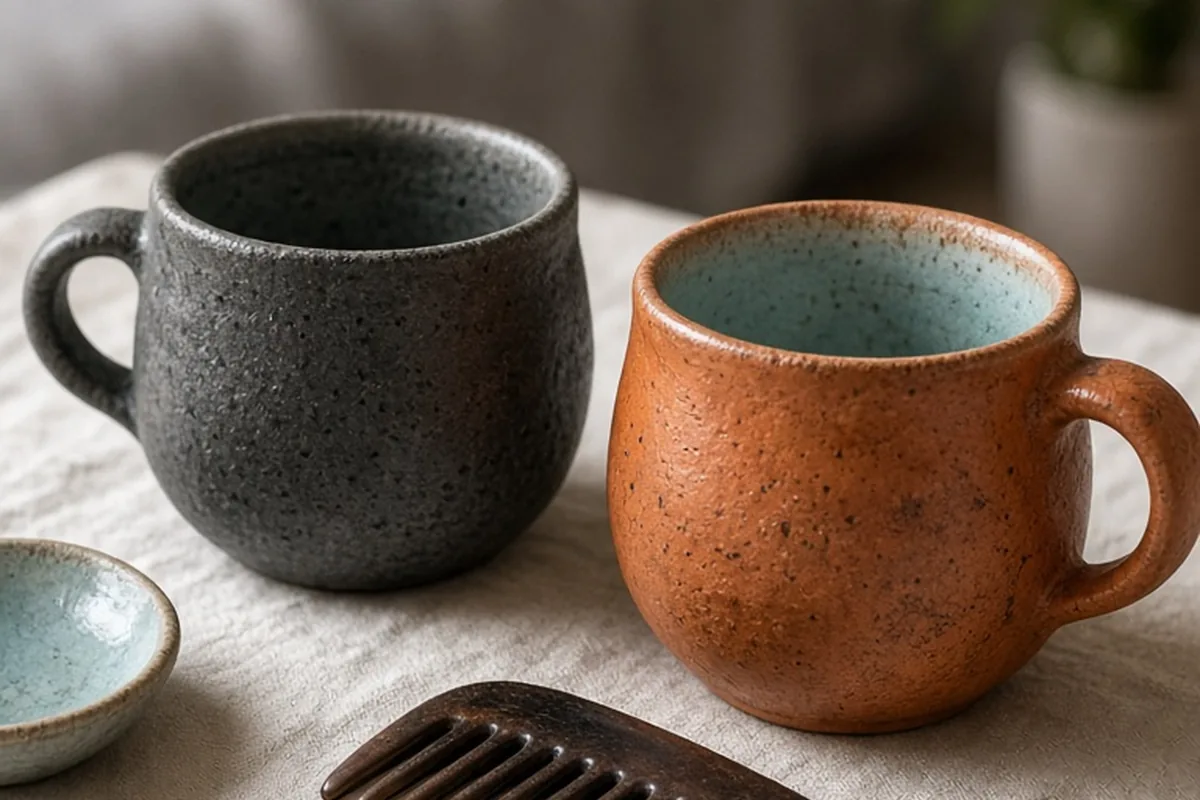
To care for hair loss after pregnancy, switch to gentle, low-manipulation hair routines that protect shedding follicles from mechanical tension. Wash with mild cleansers, detangle carefully with a wide-tooth comb while hair is saturated with conditioner, and avoid tight hairstyles that pull at the temples and crown. Continue eating a nutrient-dense diet rich in iron and protein, protect hair from high heat, and consult a healthcare provider if shedding is accompanied by scalp irritation or persists unusually long.
Experiencing a sudden increase in shedding a few months after giving birth can feel alarming, but it is one of the most common physical shifts new parents navigate. Understanding what your hair is going through allows you to make informed, gentle adjustments to your daily routine that protect existing strands and encourage healthy new growth.
Understanding Postpartum Telogen Effluvium and the Hair Growth Cycle
During pregnancy, elevated levels of estrogen and progesterone prolong the anagen, or active growth, phase of your hair follicles. Because fewer hairs transition into the resting and shedding phases, many people notice their hair feeling significantly thicker, fuller, and glossier while pregnant. Once delivery occurs, hormone levels drop rapidly back to baseline over the subsequent weeks and months. This sudden hormonal shift signals a large number of follicles to enter the telogen, or resting, phase simultaneously.
Roughly two to four months after childbirth, those resting hairs begin to shed in noticeable amounts during washing, brushing, or simply running your fingers through your hair. Clinically known as postpartum telogen effluvium, this shedding is a temporary recalibration rather than permanent follicle damage. While watching clumps of hair collect in your brush can be unsettling, the underlying follicles remain intact and will naturally resume their standard cyclic growth as your hormone levels stabilize over time.
Gentle Cleansing and Conditioning Strategies to Minimize Mechanical Shedding
When hair is actively shedding, wet strands are particularly vulnerable to stretching and snapping. Modifying your wash-day routine can dramatically reduce unnecessary physical breakage on top of normal postpartum shedding. Begin by selecting a sulfate-free or mild clarifying shampoo that cleanses the scalp without stripping natural lipids. Focus your shampoo application strictly on the scalp, using the pads of your fingertips rather than your fingernails to work through buildup with gentle, circular motions. Allow the suds to rinse down through the lengths of your hair rather than scrubbing the mid-shafts and ends aggressively.
Conditioning requires an intentional balance between slip and weight. If you have fine or straight hair, lightweight volumizing conditioners applied from mid-shaft to ends provide moisture without flattening roots, which can make thinning areas more visible. If you have wavy, curly, or coily hair, look for rich, moisturizing conditioners that provide substantial slip to aid in detangling. Always detangle while the conditioner is actively coating the strands, working slowly from the tips upward toward the roots using your fingers or a seamless wide-tooth comb to avoid pulling on weakened follicles.
After rinsing, avoid vigorous towel-drying. Rubbing hair with a standard terrycloth towel roughens the cuticle layer, increases friction, and pulls on delicate roots. Instead, gently squeeze out excess water using a soft microfiber towel or a clean cotton T-shirt. Blot or wrap the hair loosely to absorb moisture, allowing it to air-dry partially before applying styling products or styling tools.
Low-Tension Hairstyles and Everyday Protection for Fragile Roots
Physical tension on the scalp is a major contributor to avoidable hair loss, particularly around the hairline and temples where postpartum thinning is often most pronounced. Tight ponytails, high topknots, sleek buns, and snug braids exert continuous traction on follicles that are already in a vulnerable resting state. To protect your hair, transition to loose, low-manipulation styles such as low, loose ponytails secured with soft silk or satin scrunchies, loose French braids, or gentle claw-clip twists that distribute weight evenly across the head.
Friction throughout the day and night also contributes to strand breakage and follicle stress. Sleeping on a smooth silk or satin pillowcase—or wearing a lined bonnet—reduces friction as you move in your sleep, preserving moisture in the hair shaft and preventing tangles that require aggressive brushing in the morning. When brushing dry hair, use a flexible, soft-bristle brush or a wide-tooth comb, working through small sections at a time with a gentle hand.
Navigating Heat Styling, Chemical Treatments, and Color Adjustments
Exposing fragile postpartum hair to excessive heat or harsh chemical processing can cause strand structural breakdown, exacerbating the appearance of thinning. High-temperature flat irons, curling wands, and intense blow-dry heat weaken the keratin structure of the hair shaft, leading to mid-shaft breakage that makes overall volume loss appear worse. If you choose to blow-dry your hair, use the lowest effective heat setting or a cool-shot function, and always apply a lightweight, silicone- or plant-based heat protectant evenly beforehand.
If you regularly color, bleach, perm, or chemically relax your hair, consider extending the time between touch-ups during peak shedding periods. Bleach and high-lift color treatments penetrate the cortex and weaken tensile strength, while chemical relaxers placed near the scalp can cause chemical irritation or follicle stress. If covering gray hair or refreshing color is a priority, consult an experienced stylist about gentle alternatives, such as ammonia-free glosses, semi-permanent rinses, or strategically placed face-framing foils that do not require processing directly at the root.
Caring for Postpartum Scalp Health and Supporting Follicle Recovery
A balanced, clean scalp environment provides the optimal foundation for newly emerging hairs to thrive. With the demands of caring for a newborn, wash schedules often become irregular, which can lead to sebum buildup, product residue, or dry flaking. If your scalp feels tight or flaky, introducing a mild, hydrating scalp serum containing ingredients like hyaluronic acid, aloe vera, or niacinamide can soothe irritation without leaving heavy residues that weigh hair down.
Manual scalp massage is a zero-cost technique that may help stimulate local blood circulation around follicles. Using light to moderate pressure with your fingertips, gently massage your scalp in circular motions for three to five minutes a day. You can perform this dry before bed or while washing your hair in the shower. Avoid applying heavy, pore-clogging butters or thick oils directly to the scalp if you are prone to dandruff or seborrheic dermatitis, as excess grease can trap bacteria and exacerbate inflammatory scalp conditions.
Postpartum Nutrition, Hydration, and Safe Supplement Practices
Recovery from childbirth, lactation, and the physical demands of early parenthood place significant nutritional demands on the body. Hair follicles are non-essential tissues, meaning the body prioritizes vital organs for nutrient delivery when resources are stretched. Supporting healthy hair regrowth requires adequate daily protein, complex carbohydrates, healthy fats, and consistent hydration. Incorporating protein-rich foods such as eggs, legumes, poultry, tofu, fish, and nuts provides the amino acids necessary to synthesize keratin for new hair shafts.
Micronutrients also play an integral role in cellular turnover and follicular health. Iron deficiency with or without anemia is common following delivery and can prolong hair shedding. Zinc, vitamin D, and B vitamins also support metabolic processes in the hair matrix. Many medical providers recommend continuing your prenatal vitamin or switching to a dedicated postnatal formulation while nursing or recovering. Before adding standalone high-dose biotin supplements, herbal hair gummies, or unregulated botanical blends, speak with your healthcare provider or lactation consultant to ensure they are safe, effective, and do not interfere with routine lab work.
Tailoring Postpartum Care for Textured, Curly, and Coily Hair Types
Textured, curly, and coily hair patterns (Type 3 and Type 4) require distinct care strategies during the postpartum period due to their natural curl geometry, which makes them inherently more prone to dryness and friction-induced breakage. Because natural sebum does not travel down coily strands as quickly, keeping the hair shaft moisturized is essential to prevent mechanical breakage on top of hormonal telogen effluvium. Layering moisture through leave-in conditioners and sealing ends with lightweight oils helps maintain strand elasticity.
Protective styling is a common practice for textured hair, but it must be approached with caution during postpartum shedding. While protective styles reduce daily manipulation, styles that incorporate heavy synthetic extensions, tight cornrows, or micro-braids place excessive weight and tension on fragile follicles, increasing the risk of traction alopecia around the edges and nape. If you choose protective styles, opt for lightweight, tension-free options like loose two-strand twists, knotless braids with minimal added hair, or simple halo twists.
Pay special attention to your hairline and delicate baby hairs. Avoid applying stiff edge-control gels that dry out strands or require hard-bristle brushes to lay flat. Instead, use alcohol-free, moisturizing styling creams or flaxseed-based gels, smoothing edges gently with your fingertips or a soft bamboo brush to minimize root strain.
When to Consult a Healthcare Provider or Dermatologist
While postpartum telogen effluvium is completely normal and expected, certain symptoms warrant a professional medical evaluation. If your hair shedding is accompanied by severe scalp itching, burning, redness, thick scaling, or round, coin-shaped bald patches, you should schedule a visit with a board-certified dermatologist. These signs can indicate conditions such as alopecia areata, fungal infections, or severe contact dermatitis that require specific targeted medical treatments.
Similarly, if your shedding continues at an intense rate past the twelve-month mark, or if you experience systemic symptoms like extreme fatigue, rapid unexplained weight changes, chronic cold intolerance, or brittle nails, request a comprehensive blood panel from your primary care provider or obstetrician. Postpartum thyroiditis and iron deficiency anemia frequently present with hair shedding as a primary visible symptom, and identifying these underlying conditions allows for prompt, corrective treatment.
Frequently asked questions
How long does hair loss after pregnancy usually last?
Postpartum shedding typically peaks around three to four months after delivery and begins to subside between six and nine months. Most people notice a return to their baseline hair density and steady regrowth by twelve months postpartum.
Does breastfeeding cause postpartum hair loss?
No, breastfeeding itself does not cause hair loss. The primary trigger is the dramatic drop in pregnancy hormones after delivery, which occurs whether an individual breastfeeds or formula feeds, though nutritional demands during lactation make balanced eating especially important.
Can taking biotin stop postpartum hair shedding immediately?
Biotin cannot stop postpartum shedding because the process is driven by hormonal shifts rather than an acute biotin deficiency. While maintaining adequate general nutrition supports new growth, excess biotin will not halt follicles that have already entered the telogen phase.
What is the best way to disguise thinning hair around the hairline?
You can soften the appearance of thinning temples by switching to a loose side part, using tinted root powders that match your natural hair color, or trying a layered haircut with soft curtain bangs. Avoid harsh middle parts and slicked-back styles that draw visual focus to the hairline.
Your next step
Inspect your current styling tools and hair accessories today, swapping out any tight elastic bands or stiff-bristle brushes for seamless silk scrunchies and a flexible wide-tooth comb to instantly protect shedding strands.