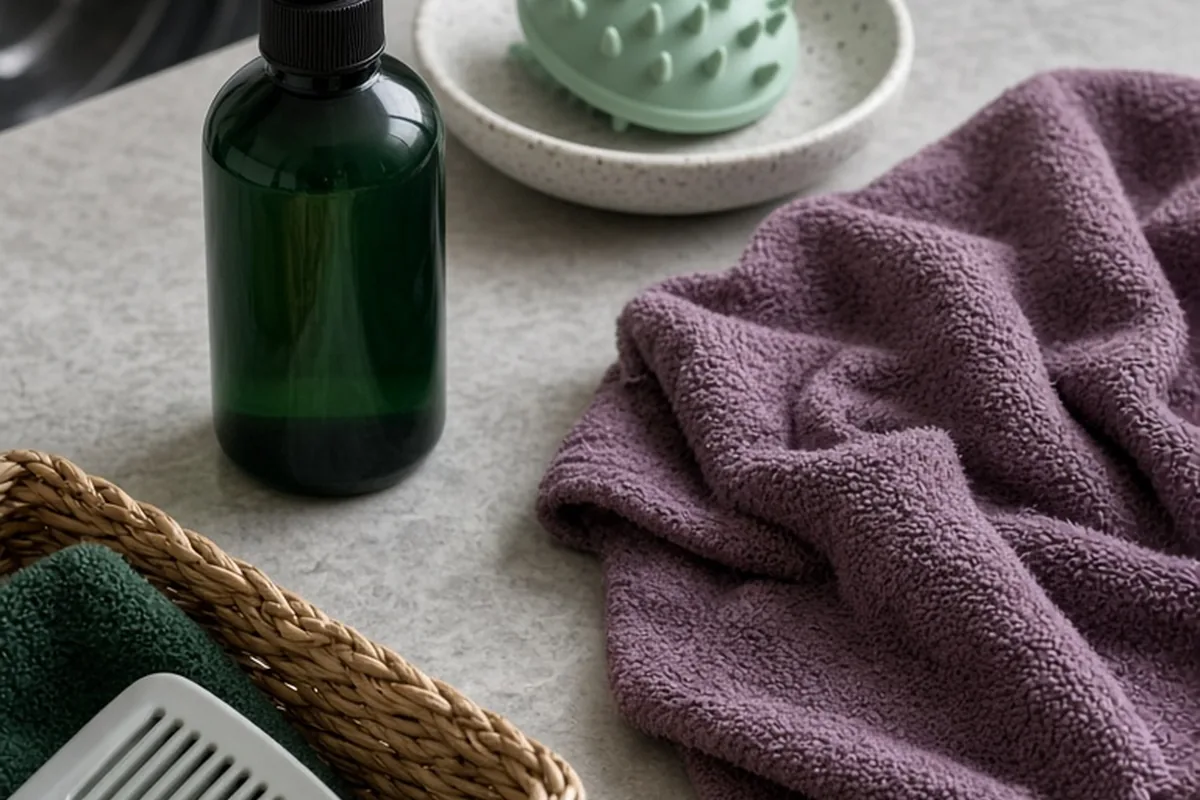
To care for hair loss in women, switch to a gentle, sulfate-free cleansing routine that keeps the scalp clean without stripping moisture. Minimize mechanical tension by avoiding tight hairstyles, reducing heat styling, and using wide-tooth detangling combs on conditioned hair. Support follicle health with targeted over-the-counter options like topical minoxidil when appropriate, and schedule a medical evaluation to identify underlying hormonal, nutritional, or dermatological causes.
Experiencing unexpected thinning or shedding can feel overwhelming, but establishing a structured, gentle hair care regimen helps protect existing strands and maintain an optimal environment for future growth.
Identifying Common Types of Female Hair Loss
Caring for thinning hair begins with understanding the difference between shedding, breakage, and gradual miniaturization. Telogen effluvium often manifests as diffuse, sudden shedding across the entire scalp several weeks or months after a major physical illness, significant emotional stress, rapid weight loss, or childbirth. In contrast, female pattern hair loss typically presents as a gradual widening of the center part or overall thinning at the crown, while the frontal hairline often remains intact. Distinguishing between these patterns allows you to make informed decisions about whether your primary focus should be temporary stress recovery, long-term follicle preservation, or medical treatment.
Breakage along the shaft is frequently confused with true follicle loss from the root. When hair sheds from the follicle, you will generally notice a tiny white bulb at the tip of the strand. If fallen strands lack this bulb and appear in uneven, shorter lengths, mechanical damage, chemical over-processing, or extreme dryness is the more likely culprit. Tracking when the shedding started, whether your scalp feels itchy or tender, and whether hair is coming out in clumps or short fragments helps you provide essential context when seeking a clinical diagnosis.
Adjusting Cleansing and Scalp Care Routines
A common misconception is that washing thinning hair accelerates shedding. In reality, avoiding the shower merely allows loose telogen hairs that have already detached from the follicle base to accumulate, leading to the perception of massive hair loss during infrequent washes. Regular cleansing is essential because sebum, dead skin cells, environmental pollutants, and styling residues can accumulate around follicular openings, creating inflammation that disrupts healthy growth cycles. Aim to wash your hair according to your scalp type, whether that means daily for fine, oily scalps or weekly for drier, coily hair types.
Select gentle shampoos formulated without harsh surfactants that strip essential lipids from the hair shaft. When washing, focus your shampoo application directly onto the scalp, using the pads of your fingertips rather than your fingernails to massage in circular motions. Avoid vigorously rubbing the lengths of your hair together, as wet hair has increased elasticity and is significantly more vulnerable to cuticle abrasion. Follow with a lightweight, hydrating conditioner applied strictly from mid-lengths to ends to detangle without weighing down roots or leaving pore-clogging film on the scalp.
Minimizing Physical Tension and Heat Damage
Mechanical stress plays a major role in worsening hair thinning, particularly when follicles are already compromised by systemic triggers. Tight ponytails, slicked-back buns, heavy extensions, and rigid braids place continuous pulling force on the hair root, which can lead to traction-related thinning along the hairline and temples over time. If you wear your hair up, switch to soft silk or satin scrunchies, keep styles loose and low on the head, and alternate parting locations frequently to prevent localized tension.
Thermal styling tools can weaken the structural keratin in already fine or fragile strands, causing rapid dehydration and split ends. If you must use a blow dryer, apply a silicone- or polymer-based thermal protectant evenly through damp hair, use the lowest effective heat setting, and keep the nozzle several inches away from the scalp. Allow hair to air-dry partially before styling, and replace stiff, fine-bristled brushes with wide-tooth combs or flexible detangling brushes that glide through wet strands without snapping them.
Textured Hair Considerations and Protective Styling Boundaries
Caring for thinning afro-textured, curly, or coily hair requires balancing moisture retention with low-manipulation practices. Textured hair strands have an elliptical shape with natural twists and turns, making it difficult for scalp oils to travel down the shaft and leaving the hair naturally drier and more prone to breakage. Hydration is critical; incorporating water-based leave-in conditioners and sealing with lightweight plant oils helps maintain shaft elasticity. However, heavy pomades and unrefined butters should not be applied heavily to the scalp, as they can congest follicles and aggravate conditions like seborrheic dermatitis.
While protective styles such as twists, cornrows, and box braids are widely used to reduce daily handling, they must be installed with zero scalp pulling to prevent traction alopecia. Braids should never cause bumps, redness, or headaches; if a style feels painful upon installation, it is too tight and should be removed immediately. Limit the duration of protective styles to several weeks at a time, allowing the scalp and edges a restorative resting period where the hair is worn free and cleansed regularly.
Navigating Over-the-Counter Treatments and Supplements
When managing female pattern hair loss, topical minoxidil remains one of the primary non-prescription options with regulatory clearance for women. It works by prolonging the growth phase of the hair cycle and improving blood circulation around miniaturized follicles. Minoxidil is commonly available in two percent solution and five percent foam formulations. Consistency is mandatory, as any new growth or stabilization gained from topical treatment is typically lost within a few months of stopping application. Users should also anticipate a temporary increase in shedding during the first two to eight weeks as resting hairs are pushed out to make way for active growth.
Nutritional supplements are heavily marketed for thinning hair, but they only provide noticeable benefits if an underlying nutrient deficiency actually exists. Indiscriminately taking high doses of biotin, iron, or fat-soluble vitamins without verified blood test results can lead to health complications or interfere with clinical laboratory tests. Instead of relying on multi-ingredient hair gummies, work with a healthcare provider to check your ferritin, vitamin D, zinc, and thyroid panels before starting a targeted supplementation plan.
Medical Consultations for Hair Loss in Women
While supportive daily care preserves existing hair fiber integrity, progressive or unexplained thinning requires a professional medical evaluation by a board-certified dermatologist. Dermatologists utilize specialized tools such as dermoscopy to inspect follicular openings, assess hair diameter diversity, and check for signs of scarring or perifollicular erythema. In certain complex cases, a small scalp punch biopsy may be performed to differentiate between non-scarring conditions like androgenetic alopecia and scarring disorders such as frontal fibrosing alopecia or lichen planopilaris.
A comprehensive medical evaluation also explores internal factors that influence hair follicle cycling. Your provider may evaluate hormone levels, autoimmune markers, and current prescription medications that carry shedding as a known side effect. Depending on your specific diagnosis, clinical management may encompass prescription oral anti-androgens, specialized anti-inflammatory topical solutions, low-level laser light therapy, or platelet-rich plasma treatments tailored to your health history.
Illustrative Scenarios
Addressing Postpartum Telogen Shedding
Maya noticed dramatic clumps of hair coming out in her brush four months after giving birth. Fearing permanent baldness, she stopped washing her hair, which caused severe scalp buildup and heightened her anxiety whenever she finally showered. After consulting her doctor, she learned that the shedding was a typical, temporary telogen effluvium phase driven by shifting postpartum hormone levels. Maya resumed washing every other day with a gentle volumizing shampoo, adopted loose claw-clip hairstyles, and trusted the timeline.
Key point: Withholding normal washing does not stop physiological shedding; maintaining scalp hygiene and avoiding mechanical strain supports the natural return of normal hair growth cycles.
Managing Edge Thinning from Tight Braids
Kendra wore tight extensions and braided styles continuously to protect her natural curls while managing a demanding work schedule. Over several months, she noticed her hairline receding and small tender bumps forming around her temples. Her initial response was to apply heavy edge-control gels to smooth the area, which further suffocated the irritated skin. A dermatologist diagnosed early traction alopecia and advised an immediate break from high-tension styles. Kendra switched to loose twists, applied leave-in hydration, and kept her scalp clean.
Key point: Protective styling should never hurt; eliminating tension at the first sign of soreness prevents reversible pulling from turning into permanent follicular scarring.
Frequently asked questions
How often should I wash my hair if I am experiencing thinning?
You should wash your hair as often as your scalp requires to stay free of excess oil and buildup, which generally means daily or every other day for fine or oily hair, and weekly for drier or textured hair. Washing does not cause follicle loss; it only dislodges strands that have already detached internally. Keeping the scalp clean reduces inflammation and fosters a healthy growth environment.
Does brushing thinning hair make hair loss worse?
Gentle brushing with a wide-tooth comb or flexible paddle brush does not harm healthy follicles, but rough detangling on wet or knotty hair can cause breakage. Always start detangling at the ends and work your way up to the roots using slow, light strokes. Avoid fine-tooth combs or stiff round brushes when hair is damp and vulnerable.
Can changing my diet reverse female hair loss?
Dietary changes can support hair health if your hair loss is directly linked to an identified nutritional deficiency, such as low iron or inadequate dietary protein. However, diet alone cannot reverse genetic female pattern hair loss or autoimmune-related thinning. It is best to have your blood levels tested by a physician before relying on dietary adjustments or supplements.
How long does it take to see results from hair loss care routines?
Because human hair grows roughly half an inch per month and operates on a multi-month cycle, visible improvement typically takes three to six months of consistent care. Whether recovering from shedding or using medical topicals, changes in density or reduction in shedding require sustained patience and consistent routine adherence.
Your next step
Take a clear photograph of your current parting and hairline in natural light today, then book a consultation with a board-certified dermatologist to establish an accurate diagnosis and baseline.