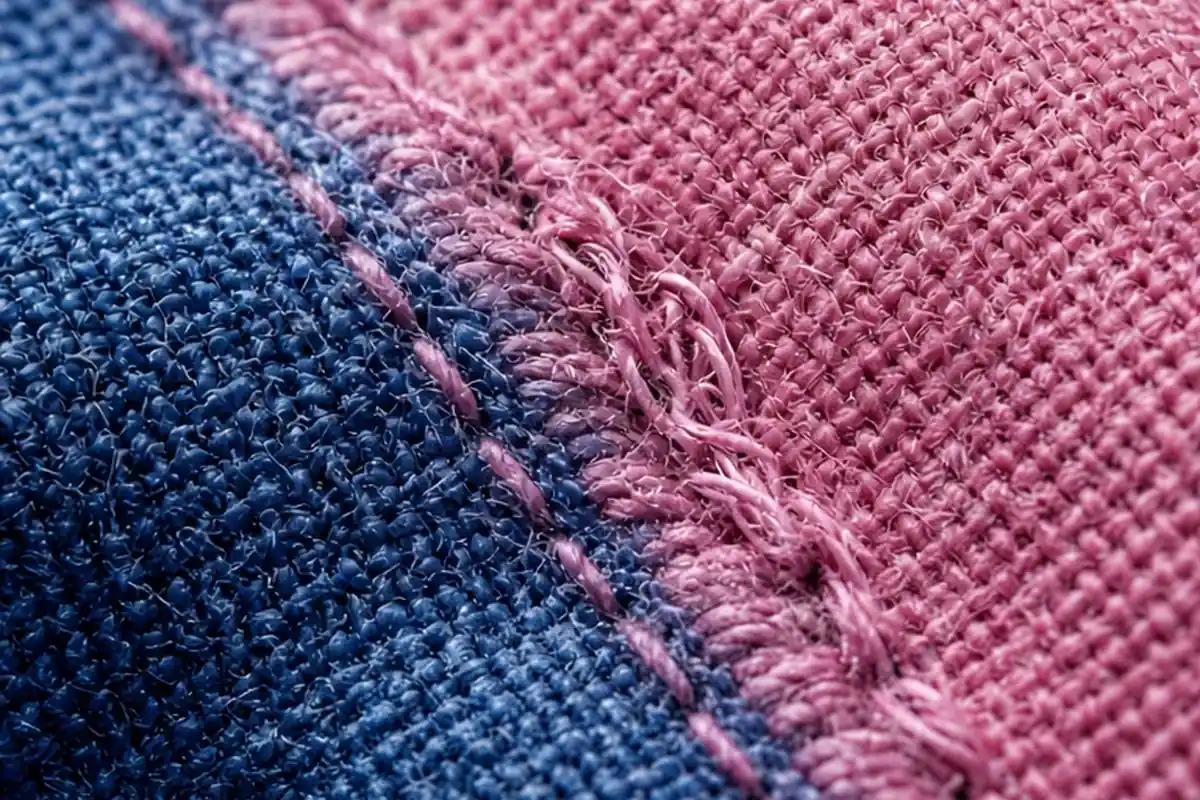
To care for high porosity hair, focus on retaining moisture by layering hydrating leave-in products with rich emollients, incorporating regular protein treatments to support weakened cuticles, and minimizing thermal or chemical stress. High porosity hair absorbs water quickly but loses it just as fast through raised or missing cuticle scales. Consistent use of deep conditioners, acidic rinses to smooth the cuticle layer, and heavy sealing butters or oils will help maintain hydration and reduce breakage.
Porosity refers to how easily your hair fibers absorb and release moisture, dictated primarily by the condition of the outer protective layer known as the cuticle. In high porosity strands, these protective scales are lifted, chipped, or spaced widely apart, creating tiny gaps along the shaft. Whether high porosity is genetic or acquired through mechanical styling, bleaching, or heat, adjusting your technique helps preserve the hair's structural integrity and keeps your strands consistently soft, elastic, and manageable.
Recognizing High Porosity Hair Characteristics and Cuticle Behavior
High porosity hair behaves differently from low or medium porosity textures across every stage of maintenance. When exposed to water or styling products, it saturates almost immediately, drawing in liquid like a dry sponge. However, the exact structural openness that allows moisture to enter also lets it evaporate rapidly. If your hair dries to a parched, brittle state within an exceptionally short window after washing, or if it immediately expands into a halo of frizz when stepping into humid weather, high porosity cuticles are generally the underlying cause.
While popular online experiments like dropping a strand of hair into a glass of water are frequently cited, they are often unreliable due to surface tension, product residue, and the natural weight of oils skewing the result. A more accurate evaluation combines tactile assessment and daily observation. Gently slide your fingers upward from the tip of a dry strand toward the scalp. High porosity hair typically feels rough, irregular, or bumpy along the fiber because the cuticle shingles are raised rather than lying flat. You may also observe frequent single-strand knots, reduced elasticity when the hair is pulled wet, and noticeable dullness caused by light scattering unevenly off the irregular cuticle surface.
Building a Gentle Wash Day Routine for Gapped Cuticles
The cleansing stage sets the foundation for moisture retention, but improper washing can worsen cuticle lifting and accelerate breakage. High porosity hair is exceptionally prone to hygral fatigue, a phenomenon where the hair fiber repeatedly swells as it takes in water and contracts as it dries, weakening the internal protein structure over time. To minimize this cycle, begin your wash routine with an oil-based pre-cleansing treatment, often called a pre-poo. Applying penetrating plant oils such as babassu, coconut, or unrefined olive oil thirty minutes prior to washing forms a temporary hydrophobic barrier inside the cortex, slowing down water absorption and cushioning the strand during shampooing.
When choosing a cleanser, avoid high-foaming options containing harsh anionic detergents like sodium lauryl sulfate, which strip the lipid barrier and pry cuticles further apart. Instead, select gentle, sulfate-free shampoos or cleansing conditioners formulated with non-ionic or amphoteric surfactants. Concentrate your cleanser strictly on the scalp, where oil, sweat, and environmental debris accumulate, allowing the runoff to wash down the lengths without vigorous scrubbing. Wash with lukewarm water rather than steaming hot temperatures, as excessive heat relaxes the cuticle and strips whatever residual natural lipids remain.
Deep Conditioning and the Role of Acidic Rinses
Because moisture escapes open cuticles rapidly, a standard rinse-out conditioner rarely provides sufficient hydration on its own. Incorporating a concentrated deep conditioning mask into your weekly routine provides the necessary concentration of fatty alcohols, humectants, and conditioning agents to restore suppleness. Look for formulations containing ingredients like behentrimonium methosulfate, cetearyl alcohol, glycerin, and panthenol. When applying your mask, detangle gently with a wide-tooth comb or your fingers, starting at the ends and working upward while the hair is thoroughly saturated with slip.
After deep conditioning, closing or smoothing the lifted cuticle scales helps trap the treatment inside the cortex. Human hair naturally has an acidic pH of roughly 4.5 to 5.5, while municipal tap water is typically neutral to slightly alkaline. Finishing your wash session with a pH-balancing rinse assists in laying cuticle shingles flat against the hair shaft. You can use an acidic conditioning rinse formulated specifically for color-treated or damaged hair, or a home mixture of thoroughly diluted raw apple cider vinegar. This final step enhances shine, minimizes tangling, and protects the internal fiber from rapid moisture evaporation.
Balancing Moisture and Protein to Restore High Porosity Hair
Hydration alone cannot resolve high porosity issues if the hair lacks structural protein to support the inner cortex. Gaps and chips along the cuticle layer leave the hair vulnerable to stretching out of shape and snapping under minimal tension. Introducing regular protein treatments helps fill these micro-fissures temporarily, acting like microscopic spackle that reinforces the strand, restores tensile strength, and allows the hair to retain water more efficiently. Look for products containing hydrolyzed keratin, hydrolyzed wheat protein, silk amino acids, or hydrolyzed collagen, which are broken down small enough to adhere to the hair shaft.
However, balance is critical when utilizing protein formulations. Excessive protein application without adequate hydration leaves hair feeling stiff, brittle, rough, and prone to catastrophic snapping, a state known as protein overload. Conversely, too much moisture without protein leaves strands feeling mushy, limp, and overly stretchy when wet. If your hair stretches excessively without snapping back or feels limp, prioritize a protein-rich mask. If your hair feels dry, crunchy, and straw-like, suspend protein treatments and focus exclusively on humectants and softening emollients until flexibility returns.
The LOC and LCO Methods for High Porosity Moisture Sealing
The standard way to hydrate high porosity hair is through layered styling systems, commonly referred to as the LOC (Liquid/Leave-in, Oil, Cream) or LCO (Liquid/Leave-in, Cream, Oil) methods. In both frameworks, the liquid stage introduces direct water-based hydration, the cream provides rich softening emollients, and the oil acts as an occlusive layer to lock the moisture inside the porous fiber. While low porosity hair often collapses under heavy products, high porosity hair generally thrives when treated with dense, substantive formulations.
Choosing between LOC and LCO depends on hair thickness and strand density. For coarse or tightly coiled high porosity hair, applying the oil second and finishing with a heavy butter-rich cream (LOC) can create an impermeable protective shield. For fine or medium strands, applying cream before oil (LCO) distributes moisture more evenly and prevents clumping. When selecting your sealing agents, lean toward rich plant butters and viscous oils such as shea butter, cupuacu butter, castor oil, or avocado oil. Work products in small sections, smoothing in a downward motion to reinforce cuticle alignment.
Protective Maintenance, Styling Safeguards, and Nighttime Care
Day-to-day handling and environmental contact can degrade high porosity hair much faster than resilient low porosity strands. Mechanical friction from rough cotton pillowcases, clothing collars, and aggressive brushing strips moisture and causes fraying along the cuticle edges. Sleeping on a mulberry silk or high-grade satin pillowcase, or wrapping hair in a satin bonnet, reduces overnight friction, preserves product retention, and minimizes morning tangles. If your hair is long enough, keeping it loosely secured in a high pineapple ponytail or protective twists further preserves strand integrity.
Thermal styling requires strict boundaries when caring for porous hair. Because the cuticle is already compromised, high direct heat from curling wands or flat irons penetrates straight to the cortex, causing rapid moisture boiling and irreversible structural degradation. If you choose to blow-dry, use a low-heat or cool setting paired with a diffuser to disperse air pressure, and always apply a silicone-based or polyquaternium heat protectant beforehand. Between wash days, avoid completely re-washing your hair to restore shape; instead, refresh with a water-and-aloe mist followed by a light smoothing of oil to revive elasticity.
Managing Bleach, Hard Water, and Chemical Color Vulnerabilities
High porosity hair is frequently the direct consequence of chemical services such as bleaching, high-lift color, permanent waving, or chemical straightening. These processes intentionally elevate the cuticle layer using high-alkalinity agents to deposit or extract pigment from the cortex, leaving the shingles permanently altered. If your high porosity status stems from chemical processing, bond-building treatments containing active cross-linking chemistries should be added to your routine to rebuild broken disulfide bonds alongside your standard protein and moisture regimens.
Environmental minerals also present unique hazards for high porosity fibers. If you live in an area with hard municipal water, dissolved calcium, magnesium, and iron easily penetrate open cuticles, precipitating inside the fiber and bonding to internal proteins. This buildup makes hair feel permanently dry, dull, and resistant to conditioning products. Installing an effective shower filter or utilizing a gentle chelating shampoo once every three to four weeks strips these mineral deposits away without causing additional cuticle distress, allowing conditioning agents to bond cleanly to the hair.
Illustrative Scenarios
Composite Case: Correcting Chronic Dryness in Chemically Lightened Waves
An illustrative client with medium-density, bleach-lightened waves struggled with persistent dryness, extreme frizz within minutes of washing, and snapping ends. Her routine consisted of daily sulfate shampooing to combat perceived greasiness followed by light, rinse-out conditioners. Over six weeks, she transitioned to a sulfate-free cleansing cream twice weekly, introduced a pre-poo oil application, incorporated a bi-weekly hydrolyzed wheat protein treatment, and sealed damp hair using the LCO method with a leave-in conditioner, argan cream, and light castor oil blend.
Key point: Shifting away from aggressive cleansing toward pre-poo protection and structured LCO layering halts moisture evaporation and prevents mechanical snapping in compromised cuticles.
Frequently asked questions
Can high porosity hair ever become low porosity?
Hair that is naturally high porosity due to genetics will retain that general structure as it grows from the scalp. If your hair became high porosity due to chemical bleaching, heat damage, or environmental exposure, existing lengths cannot be permanently transformed into low porosity hair. However, you can manage and patch the damaged cuticles using proteins, bond builders, and sealants until healthy, unaltered new growth replaces the treated strands.
How often should high porosity hair receive protein treatments?
Most high porosity hair benefits from a mild hydrolyzed protein treatment once every two to three weeks. If your hair is severely compromised by bleach or high heat, a targeted protein mask every one to two weeks may be necessary initially. Always monitor how your hair responds; if strands start feeling stiff, unyielding, or coarse, increase hydrating treatments and extend the interval between protein sessions.
Is coconut oil beneficial for high porosity hair?
Coconut oil can be helpful for high porosity hair when used primarily as a pre-shampoo treatment. Its chemical structure allows it to penetrate inside the hair shaft, reducing the amount of water the cortex absorbs and limiting damaging hygral fatigue during washing. However, using it alone as a post-wash sealant may feel drying for some individuals, so pairing or alternating it with heavier, coating emollients like shea butter or castor oil works best.
Should high porosity hair be washed with cold water?
Rinsing with cool or cold water can help encourage cuticle scales to lie flatter against the shaft, but it is not a complete cure for structural porosity. Cool water provides a temporary smoothing effect and boosts surface shine, especially when combined with a low-pH acidic rinse. Lukewarm water is ideal for cleansing the scalp, while a cooler final rinse helps lock in your leave-in products.
Your next step
Inspect your current product line to identify whether your formulas contain penetrating proteins and heavy sealing emollients, then schedule a weekly pre-shampoo oil treatment before your next wash day.