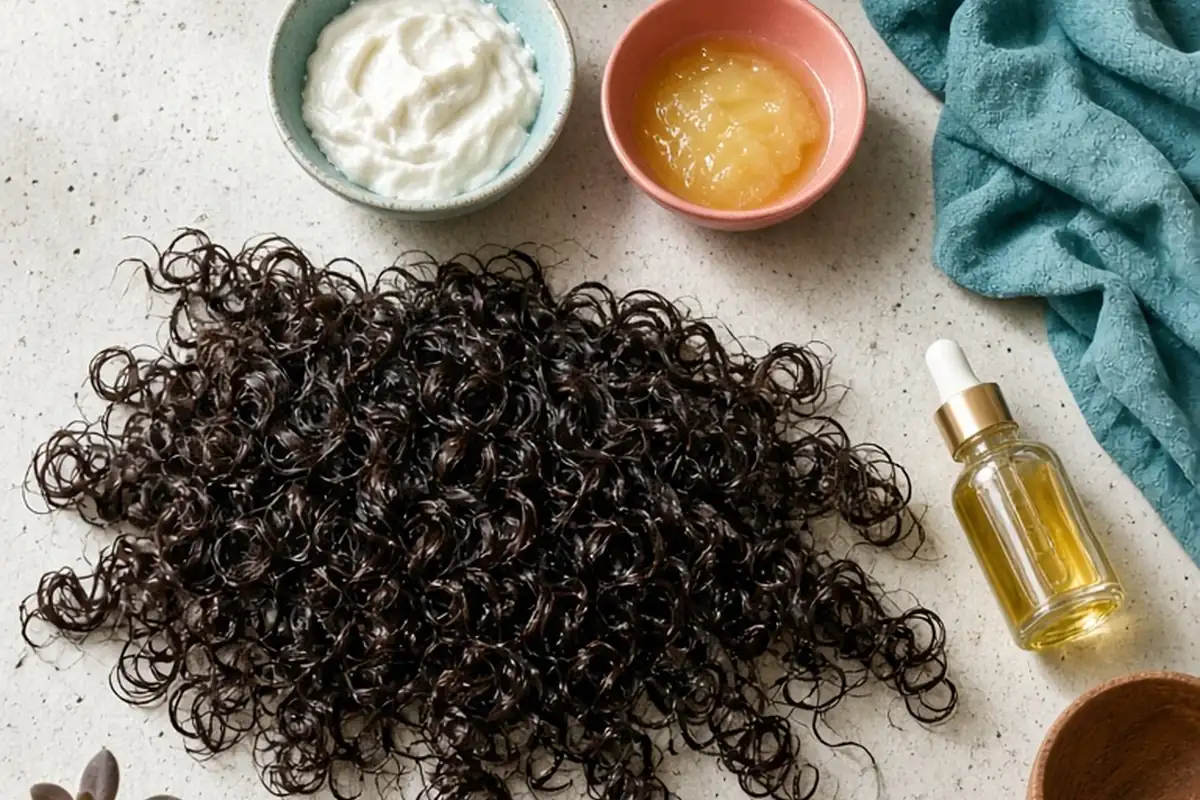
To care for high porosity hair effectively, choose rich, emollient products formulated with hydrolyzed proteins, buttery conditioners, and plant oils that fill and seal raised cuticle gaps. Apply a water-based leave-in conditioner first, followed by a thick moisturizing cream, and lock in hydration with a dense sealing oil or butter using the LOC method. Incorporate bi-weekly protein treatments and wash with gentle, sulfate-free cleansers to prevent moisture loss and breakage.
High porosity hair absorbs water rapidly because its outer cuticle layer is chipped, raised, or widely spaced, yet it loses that same hydration almost immediately to dry air. Managing this hair structure requires a thoughtful combination of structural proteins, thick emollient barriers, and disciplined product layering to trap moisture inside the strand.
Decoding Cuticle Gaps: Why High-Porosity Hair Demands Specific Formulas
Porosity describes how readily your hair absorbs and retains water, sebum, and styling products. In high porosity strands, whether caused by genetics, chemical processing, heat styling, or environmental friction, the outer cuticle tiles do not lie flat. Instead, they remain elevated, fractured, or missing entirely in targeted spots. This structure allows water molecules to flood the cortex quickly, leading to hair that gets soaking wet in seconds under the showerhead. However, because the protective barrier remains open, that internal moisture evaporates just as rapidly as the hair dries, leaving the strand brittle, tangled, and vulnerable to split ends.
Because of this structural reality, standard lightweight lotions and water-only refreshing sprays fail to provide lasting hydration for high porosity textures. Without film-forming humectants and lipid sealants to fill the micro-tears in the hair shaft, ambient dry air continuously pulls water out of the core, while humid air rushes in to create immediate puffiness and frizz. Caring for high porosity hair requires products engineered with heavier molecular weights, including dense plant butters, penetrating fatty acids, and hydrolyzed amino acids. These ingredients mimic a healthy, intact cuticle layer by temporarily patching physical voids along the hair shaft and locking vital moisture into place.
Cleansers and Deep Conditioners: Restoring the Moisture-Protein Baseline
A successful washday for high porosity hair balances gentle cleansing with intensive conditioning. Harsh clarifying shampoos containing high concentrations of sodium lauryl sulfate strip away the few protective natural lipids remaining on elevated cuticles, which causes the hair fiber to catch, tangle, and snap during detangling. Instead, opt for low-lather cleansing creams, sulfate-free conditioning shampoos, or cleansing conditioners formulated with ingredients like aloe vera juice, decyl glucoside, and glycerin. When clarifying is necessary to remove built-up oils and waxes, choose an amphoteric or sulfate-free chelating shampoo followed immediately by an intensive mask.
Deep conditioning is a non-negotiable step on every washday for porous strands. Look for thick masks that feature both slip-inducing conditioning agents, such as behentrimonium methosulfate or cetearyl alcohol, and reparative proteins like hydrolyzed keratin, silk, or wheat. Applying gentle, indirect heat using a hooded dryer, thermal steam cap, or warm towel for fifteen to twenty minutes during deep conditioning encourages the mask to penetrate deep into the cortex rather than sitting superficially on the surface. Finish your rinsing process with cool or lukewarm water rather than steaming hot water, which helps encourage the raised cuticle tiles to settle and lie flatter against the shaft.
Applying the LOC Method: Layering High-Porosity Leave-Ins, Creams, and Oils
The leave-in, oil, cream (LOC) or leave-in, cream, oil (LCO) application method is the most reliable framework for keeping high porosity hair pliable over several days. The goal of this sequence is to capture water at the innermost level and trap it behind progressively heavier hydrophobic barriers. The foundation begins on clean, damp hair with a liquid or lightweight water-based leave-in conditioner containing humectants like pro-vitamin B5, vegetable glycerin, or marshmallow root extract. This initial step delivers the fundamental hydration that porous fibers lack internally.
Once the leave-in is evenly distributed from mid-lengths to ends, apply a substantial emollient cream enriched with rich components such as shea butter, cupuacu butter, or murumuru butter. The cream provides body, coats the hair shaft, and smooths down rough, frayed edges. Finally, seal the hair with a layer of pure oil or an oil-based pomade. Dense sealing oils like castor oil, Jamaican black castor oil, and avocado oil excel at creating a barrier that drastically slows moisture evaporation. For finer hair strands that weigh down easily, consider lighter sealing alternatives such as jojoba oil or argan oil, applied with praying-hands motions down the length of the strand.
Managing Protein-Moisture Balance: When to Reinforce and When to Soften
High porosity hair constantly loses internal protein structural integrity, causing it to feel mushy, overly stretchy, or limp when wet. Hydrolyzed proteins are crucial because their fragmented chains are small enough to lodge inside the damaged cuticle gaps, reinforcing structural tensile strength and helping the strand hold its natural curl or wave pattern. Ingredients like hydrolyzed vegetable protein, collagen, and amino acids act like temporary spackle on a cracked wall, restoring elasticity and reducing premature breakage during styling.
However, applying protein continuously without adequate moisture leads directly to protein overload, a state where the hair shaft becomes stiff, dull, straw-like, and prone to snapping under minimal tension. To maintain balance, evaluate how your hair feels every two weeks. If your hair stretches excessively without snapping back or feels gummy under water, incorporate an intensive protein reconstructor or mask. If your hair feels brittle, stiff, or dry to the touch, pause protein-heavy styling products and focus exclusively on moisture-rich deep conditioners, emollient plant butters, and gentle steam treatments until elasticity returns.
Proper Storage and Shelf-Life Care for Rich Hair Products and Butters
Because effective products for high porosity hair rely heavily on unrefined plant butters, botanical extracts, and natural fatty acids, they require careful storage to prevent spoilage and separation. Storing rich creams and hair butters on the ledge of a warm, humid shower introduces warm ambient water droplets and condensation directly into the containers. This moisture can trigger premature bacterial or fungal growth and break down emulsion stability, causing the oils to separate from the water base and rendering the conditioning agents less effective.
Keep your heavy creams, oil blends, and protein treatments in a cool, dry area away from direct sunlight, such as an enclosed bathroom cabinet or bedroom vanity. Always use clean, dry hands or a cosmetic spatula to scoop products out of wide-mouth jars to avoid introducing microbes from under the fingernails. Pay attention to the period-after-opening symbol on the packaging, which indicates how many months the preservative system remains stable once opened. If a rich butter develops a gritty texture, a sour or rancid odor, or changes color, discard it immediately rather than applying degraded lipids to delicate hair fibers.
Between-Wash Maintenance: Refreshing Strands Without Heavy Product Buildup
High porosity hair dries out quickly in the days following washday, tempting many people to reapply heavy butters and thick creams daily. Doing so creates greasy buildup, dust adhesion, and scalp congestion without genuinely rehydrating the inner fiber, because heavy oils cannot deliver moisture without an underlying water source. Instead of layering new heavy sealants directly over dry hair, refresh your style using a micro-fine water mister lightly infused with a splash of liquid leave-in conditioner or aloe juice to dampen the strands.
After lightly misting the hair to reopen the cuticle slightly and supply fresh hydration, smooth a dime-sized amount of a lightweight sealing oil over the ends and mid-lengths to lock that fresh moisture in. Protect this hydration overnight by sleeping on a mulberry silk or satin pillowcase, or by wrapping your hair in a satin bonnet. Cotton pillowcases are highly absorbent and aggressively strip both moisture and topical products from porous strands through friction while you toss and turn, accelerating split ends and morning frizz.
Common Ingredient Pitfalls and Routine Errors That Worsen Porosity
Certain ingredients and styling habits inflict disproportionate damage on high porosity hair, accelerating cuticle erosion and making daily moisture retention harder to achieve. One common mistake is using styling products loaded with short-chain drying alcohols, such as alcohol denat, isopropyl alcohol, or ethanol, which are often found in quick-drying aerosol hairsprays and lightweight setting mousses. These volatile compounds flash off moisture from the surface instantly, parching compromised cuticles and leaving strands crunchy and vulnerable to mechanical snapping.
Another routine error is relying heavily on mineral oil and petroleum jelly without a water base beneath them. While these mineral-derived occlusives create a water-impermeable layer, they do not moisturize the hair on their own and are difficult to remove without aggressive clarifying sulfates that further strip the strand. Similarly, using flat irons, curling wands, or blow dryers on high heat settings without a silicone- or polymer-based thermal protectant scorches raised cuticle scales. Always keep thermal tools below 350 degrees Fahrenheit, apply an even coat of heat protectant, and prioritize protective stretching techniques like braids, twists, or roller sets whenever possible.
Frequently asked questions
How often should you deep condition high porosity hair?
High porosity hair benefits from deep conditioning once every week or every washday. Because the cuticle cannot retain lipids and moisture long-term, weekly thermal deep conditioning helps maintain strand elasticity, replenish lost proteins, and reduce mechanical friction between washdays.
Can apple cider vinegar rinses help high porosity hair?
Yes, diluted apple cider vinegar rinses can be beneficial when used occasionally after shampooing. The acidic pH helps contract and smooth the raised cuticle tiles along the hair shaft, reducing moisture loss, adding shine, and softening rough texture without stripping natural oils.
Are silicones safe for high porosity hair routines?
Water-soluble or easily removable silicones, such as amodimethicone and dimethicone copolyol, can be advantageous for high porosity hair. They form a smooth protective film over cuticle voids, dramatically reduce frizz in humid weather, and protect against heat, provided you use a gentle cleanser periodically to prevent heavy buildup.
Your next step
Inspect your current hair product labels today to confirm that your primary leave-in conditioner lists water as the first ingredient and your deep treatment contains a balance of hydrolyzed proteins and emollient butters.