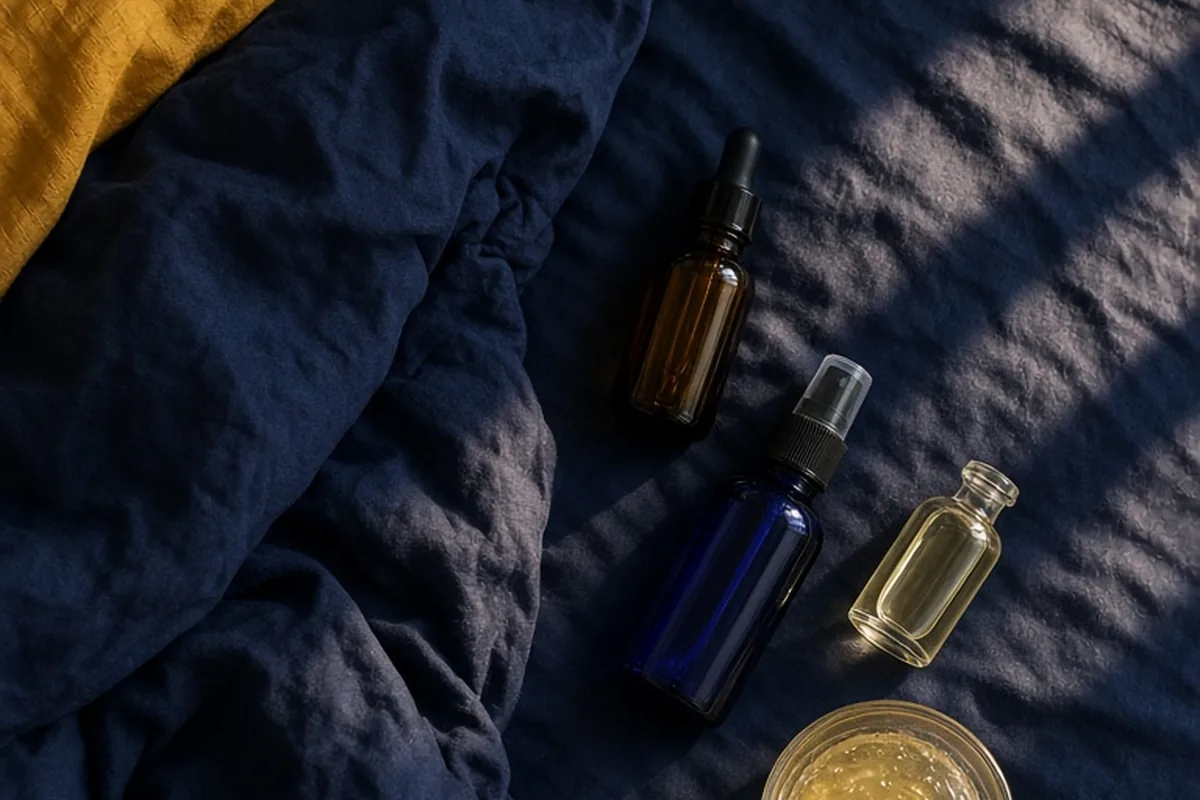
To care for low porosity hair with products, use lightweight, water-based hydrators that penetrate tightly bound cuticles without sitting on the strand surface. Apply deep conditioners and leave-ins using warm water or indirect heat to lift the hair cuticle, avoid heavy raw butters and waxes that cause rapid buildup, clarify regularly with a dedicated clarifying shampoo, and prioritize humectants like aloe vera and glycerin over heavy protein treatments.
Low porosity hair features flat, tightly overlapping cuticle scales that resist moisture absorption while trapping product residue on the outside of the hair shaft. Caring for this hair type requires a deliberate approach to formulation selection, application technique, and residue management so hydration actually reaches the hair cortex.
Recognizing Low Porosity Cuticle Behavior and Product Resistance
Hair porosity refers to your hair shaft's ability to absorb and retain moisture, which is governed by the structural arrangement of the outer cuticle layer. In low porosity hair, the cuticle scales lay completely flat, tight, and overlapping like roof shingles in pristine condition. Because this protective barrier is so compact, water and moisturizing ingredients cannot easily slip into the inner cortex. Instead of absorbing liquid quickly, low porosity strands often cause water droplets to bead up on the surface during washing, requiring several minutes of saturation under running water before becoming fully wet.
This structural tightness directly influences how styling and conditioning products interact with your strands. Rich leave-ins, heavy pomades, and thick styling creams frequently sit on the exterior of low porosity hair rather than absorbing. Over hours or days, these unabsorbed formulas attract airborne dust, create a greasy or sticky film, and leave the hair feeling coated yet strangely dry underneath. When hair feels stiff, looks dull, or sheds white flakes that are simply dried product residue, low porosity resistance is usually the underlying cause.
Drying time serves as another practical indicator of low porosity behavior. Because the cuticle scales are clamped shut, any moisture that does manage to enter the cortex remains trapped for an extended period, meaning low porosity hair can take eight to twenty-four hours to air-dry completely. Recognizing these specific characteristics ensures that you do not mistakenly treat your hair as chronically parched with heavy occlusives, but instead address its structural need for lightweight, heat-assisted penetration.
Choosing Lightweight Hydrators and Low-Molecular-Weight Oils
Product formulation is the foundation of successful low porosity hair care. Heavy botanical butters such as raw shea butter, cocoa butter, and thick castor oil have large molecular weights that cannot pass beneath tightly closed cuticle scales. When applied to low porosity hair, these dense emollients seal the cuticle from the outside, blocking environmental humidity and subsequent water applications from entering. Instead, look for products formulated with water as the primary ingredient, supported by light, penetrating plant oils.
Oils with smaller molecular structures and higher proportions of monounsaturated or polyunsaturated fatty acids perform significantly better on low porosity strands. Argan oil, jojoba oil, sweet almond oil, grapeseed oil, and fractionated coconut oil provide lubrication and shine without suffocating the hair fiber. Jojoba oil is particularly effective because its chemical composition closely mimics human sebum, allowing it to coat the hair smoothly without leaving a greasy, waxy residue.
Humectants play an essential role in drawing atmospheric water into low porosity strands, but they must be balanced properly. Ingredients such as glycerin, aloe vera juice, panthenol (provitamin B5), agave nectar, and marshmallow root extract bind moisture to the hair shaft while maintaining a light, fluid consistency. When reviewing product ingredient labels, select daily leave-in conditioners and curl milks that place these humectants and lightweight carriers near the top of the list, keeping heavy waxes and unrefined butters to an absolute minimum.
Using Warmth and Steam to Facilitate Product Absorption
Because low porosity cuticles are naturally closed at room temperature, thermal energy is the single most effective tool for encouraging product absorption. Applying a conditioning treatment to cold or lukewarm low porosity hair yields minimal results because the cuticle remains stubbornly shut. Introducing controlled, gentle heat temporarily expands the outer cuticle layer, creating tiny microscopic pathways through which water, humectants, and nourishing lipids can enter the cortex.
During your standard wash routine, start by saturating your hair with pleasantly warm water rather than cool water. The warm water helps soften the strand and gently lift the cuticles before shampooing and conditioning. When applying deep conditioning masks, enhance the treatment by wearing a plastic processing cap and sitting under a hooded dryer, using a heated gel cap, or applying indirect steam with a handheld hair steamer for fifteen to thirty minutes.
If you do not own specialized heating equipment, practical home methods can achieve comparable benefits. You can dampen a hand towel, microwave it until pleasantly warm, wrap it over your plastic shower cap, and cover it with a dry towel or second cap to insulate the heat. Alternatively, applying your deep conditioner while remaining in a steamy shower allows the surrounding humidity and vapor to encourage cuticle opening. Always finish your treatment by letting the hair cool down naturally before a lukewarm rinse to allow the cuticles to settle smoothly without trapping excess surface residue.
Clarifying Strategies to Eliminate Product Buildup and Coating
Low porosity hair is exceptionally vulnerable to product buildup. Because products sit on the surface of the hair shaft, layers of conditioning agents, silicones, polyquats, and botanical oils quickly accumulate over several wash cycles. This buildup forms an impermeable barrier that prevents future moisture from reaching the strand, leading to chronic dryness, dullness, loss of curl definition, and reduced elasticity.
A standard co-wash or sulfate-free cream cleanser is generally insufficient for thoroughly resetting low porosity hair. Incorporating a dedicated clarifying shampoo every two to four weeks is necessary to strip away stubborn polymers, environmental pollutants, and sebum accumulation. Look for clarifying formulas containing gentle chelating agents or cleansing surfactants like sodium C14-16 olefin sulfonate, which thoroughly cleanse the cuticle without causing excessive structural damage.
For those who experience hard water mineral accumulation alongside product buildup, a chelating shampoo is particularly valuable. Hard water minerals like calcium and magnesium bind tightly to low porosity cuticles, exacerbating stiffness and tangling. Following a clarifying or chelating session, low porosity hair is in its most receptive state, making it the ideal moment to apply a lightweight, heat-assisted deep conditioning treatment to replenish moisture immediately.
Layering Leave-In Conditioners, Milks, and Sealants Correctly
The order in which you apply styling products directly determines whether low porosity hair remains soft and pliable or becomes weighted down. The classic LOC method (Liquid, Oil, Cream) often fails for low porosity types because placing oil directly beneath a cream traps moisture out and leaves the heavier cream sitting visibly on top of the oily barrier. Instead, the LCO method (Liquid, Cream, Oil) or an adjusted Liquid-Gel approach provides superior results.
Begin your post-wash styling on damp, warm hair. Apply a water-based liquid leave-in conditioner or hydrating mist first, working it thoroughly through sections with your fingers or a wide-tooth comb. Next, apply a small, emulsified amount of lightweight hair milk or styling cream to deliver moisture-binding emollients directly to the hydrated strand. Take time to smooth the product downward along the hair shaft to encourage the cuticles to lay flat.
Finish with only a minimal amount of lightweight oil—such as two to three drops of grapeseed or argan oil spread across your palms—to gently seal the exterior. The purpose of the oil is not to saturate the hair, but to provide a light hydrophobic buffer that slows down internal water evaporation. If your hair is fine in texture or easily weighed down, you can omit the oil layer entirely and rely on a lightweight, water-soluble styling gel or mousse to set your style without greasy residue.
Managing Protein Sensitivity in Low Porosity Hair Formulations
Low porosity hair naturally possesses a high concentration of intact, undamaged structural keratin, meaning its internal protein framework is generally stable and well-supported. Because the cuticle is intact, low porosity strands do not have the large gaps and structural voids that high porosity or chemically damaged hair exhibits. Consequently, introducing heavy protein treatments can quickly overload the hair, causing it to become brittle, stiff, straw-like, and prone to snapping.
Managing protein sensitivity requires careful inspection of product ingredient labels. Ingredients such as hydrolyzed wheat protein, hydrolyzed keratin, hydrolyzed collagen, and concentrated amino acids are beneficial in moderation, but should not dominate every step of your routine. If your daily leave-in conditioner, deep conditioner, and styling gel all list hydrolyzed proteins in their top five ingredients, your hair may quickly enter a state of protein-moisture imbalance.
To maintain optimal elasticity, designate protein treatments as occasional maintenance rather than weekly staples. Opt for moisture-focused deep conditioners containing panthenol, botanical extracts, and fatty alcohols (such as cetyl or cetearyl alcohol) for regular hydration. If your hair begins to feel mushy or excessively stretchy when wet—a rare sign of moisture overload—introduce a mild, low-concentration hydrolyzed silk or vegetable protein treatment to restore structural tension without creating stiffness.
Storing and Preserving Water-Based Low Porosity Hair Products
Because low porosity hair relies heavily on water-based, botanical, and preservative-conscious formulations, maintaining the integrity and shelf life of your product collection is essential. Products that contain high water ratios, aloe vera juice, and herbal extracts are naturally more vulnerable to bacterial and fungal contamination when exposed to heat, humidity, and standing water. Storing your hair care products properly preserves active ingredients and prevents microbial degradation.
Avoid leaving open jars, tubs, and bottles inside a damp, steamy shower stall between wash days. The fluctuating temperature and persistent moisture create an ideal environment for mold and bacteria to enter containers, especially wide-mouthed deep conditioning tubs. Instead, store your products in a cool, dry cabinet or linen closet outside the immediate shower area. When using products packaged in open jars, use a clean plastic spatula or dry hands to scoop the formula out, rather than introducing shower water directly into the container.
Pay close attention to changes in product consistency, color, and scent over time. Lightweight leave-ins and milk emulsions can separate if exposed to excessive heat or prolonged direct sunlight. Always check the period-after-opening symbol on the packaging (typically indicated by an open jar icon with a number such as 6M or 12M) and discard any formulas that display phase separation, unusual sour odors, or changes in texture to protect your scalp microbiome and hair health.
Frequently asked questions
How often should low porosity hair be clarified?
Low porosity hair should typically be clarified every two to four weeks depending on styling product usage. If you use styling gels, silicones, or heavy leave-in conditioners regularly, a bi-weekly clarifying wash prevents buildup that blocks moisture. Those using minimal, water-soluble products may only need to clarify once a month.
Can I use coconut oil on low porosity hair?
Standard unrefined coconut oil contains high levels of lauric acid, which penetrates the hair shaft and binds to internal proteins. On low porosity hair that is already protein-rich and compact, coconut oil can make strands feel stiff, brittle, and dry. If you want to use coconut derivatives, fractionated coconut oil or lighter oils like jojoba and argan are much easier for low porosity hair to tolerate.
Why does product seem to sit on top of my hair without soaking in?
Product sits on top of low porosity hair because the outer cuticle scales are tightly closed and flat, physically resisting penetration. When products are applied without heat, on cold hair, or in formulas that are too thick or butter-heavy, the ingredients cannot pass the cuticle barrier and remain on the surface as a visible, greasy layer.
Is steam necessary for conditioning low porosity hair?
While not strictly mandatory, steam or gentle indirect heat is the most effective method for opening tight cuticles. Without heat, deep conditioning treatments only coat the exterior of low porosity strands, whereas warmth softens the cuticle layer and allows humectants and emollients to reach the cortex.
Your next step
Audit your current hair care products today to remove heavy raw butters and excess hydrolyzed proteins, replacing them with water-based humectants and lightweight oils applied with indirect heat.