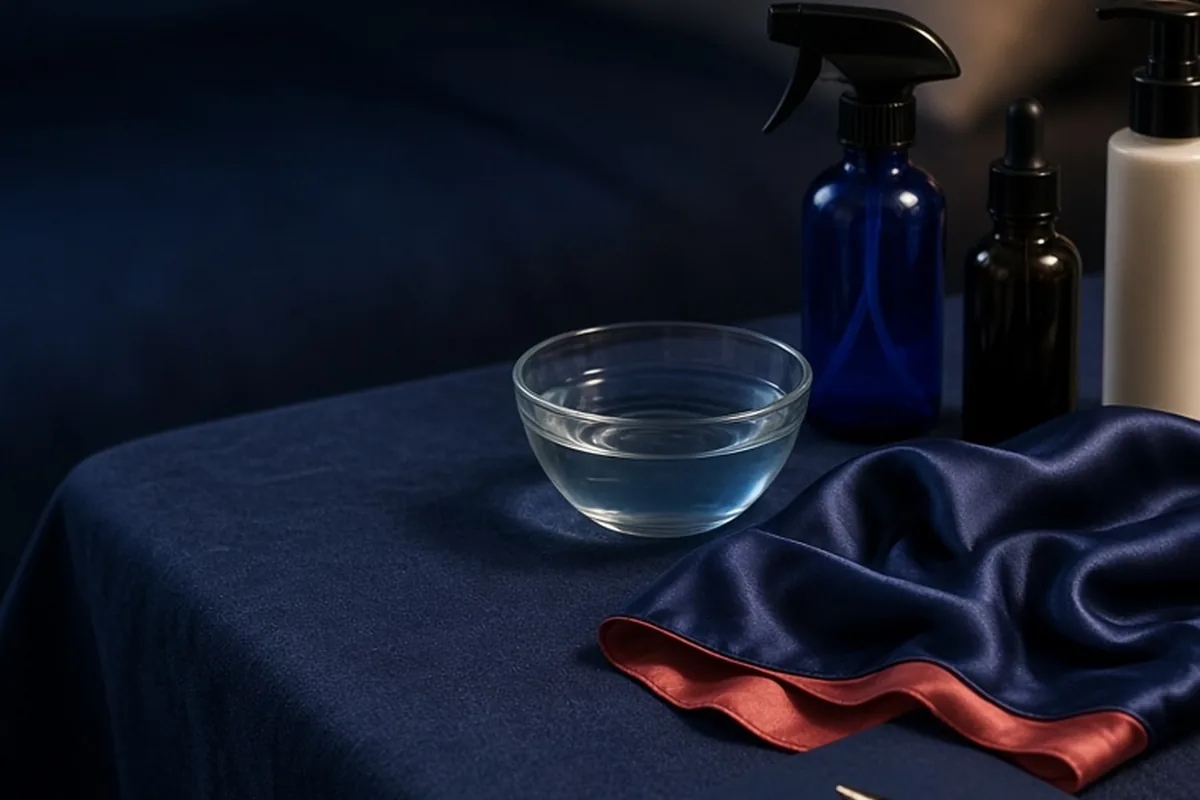
To care for protective hairstyles, cleanse your scalp regularly with diluted shampoo or an astringent rinse, apply lightweight water-based hydration directly to your roots and natural strands, and sleep in a satin bonnet or scarf. Keep installations secure without painful tension on your hairline, avoid heavy greases that cause buildup, and remove the style within six to eight weeks to prevent matted roots, hair thinning, and fiber breakage.
A protective style shields fragile ends from everyday manipulation, environmental exposure, and styling stress, yet tucking natural hair away does not pause its basic biological needs. Without consistent cleansing and scalp care, long-term installations can trap shed hair, block follicles, and lead to breakage rather than length retention.
Pre-Installation Prep to Protect Natural Hair Under Extensions
Caring for a protective style begins several days before synthetic hair, yarn, or human bundles are added to your head. Installing extensions over dry, brittle, or product-heavy strands locks vulnerabilities into the hair shaft, increasing the likelihood of snapped fibers during wear. Begin with a clarifying shampoo to eliminate stubborn silicones, butters, and oils from previous styling routines. Follow this immediately with a protein-balanced deep conditioning treatment to fortify the internal protein bonds of the hair cuticle and supply moisture that must last through weeks of limited access.
Ensure your hair is thoroughly detangled and fully dried before installation begins. If you blow-dry your natural texture beforehand, apply a reliable heat protectant and work in small sections with moderate tension rather than scorching heat. Stretched, clean strands allow stylists to grip sections cleanly and evenly, which spreads the mechanical weight of the added hair across a broader surface area. Communicating firmly with your stylist about comfort levels is also a safety requirement: any pulling that raises small bumps, produces throbbing, or forces your eyes to water causes acute follicular tension that can lead to traction damage.
Washing and Cleansing Your Scalp Without Frizzing the Style
A common misconception is that protective styles must never get wet, but your scalp continues to shed skin cells, secrete sebum, and collect sweat. Leaving these elements unchecked can inflame follicles and promote fungal overgrowth. To wash your hair while wearing box braids, twists, or cornrows, dilute a sulfate-free shampoo in an applicator bottle filled with warm water. Point the nozzle directly at the exposed parts of your scalp and massage gently using only the pads of your fingers, avoiding vigorous scrubbing that rubs synthetic fibers against your natural hair and induces surface frizz.
Rinsing requires patience and thorough water flow to remove every trace of cleanser from the base of the style. Let the water cascade down the length of your hair without bunching or wringing the braids. If you wear an install that cannot tolerate frequent full-saturation washing, such as certain weaves or crochet extensions, clean your scalp parts with witch hazel or an apple cider vinegar rinse applied through cotton rounds. Once cleansed, squeeze out excess water with a microfiber towel and ensure your roots are completely dry—using a hooded dryer or cool-air blow dryer if necessary—because trapped dampness inside dense styles can create foul odors or mildew.
Hydrating Natural Strands Beneath Braids, Twists, and Weaves
Synthetic extension hair is porous and readily leaches moisture out of surrounding natural fibers, leaving covered strands exceptionally thirsty. Because traditional thick creams and heavy butters cannot easily penetrate braided sections and frequently leave greasy, visible residue along parts, hydration must be delivered through lightweight liquid formulas. Use a daily or alternate-day water-based leave-in mist infused with humectants such as aloe vera juice, vegetable glycerin, or rosewater to hydrate the concealed hair shafts without weighing them down.
After applying your water-based mist, seal the hydration into exposed areas and ends using a tiny amount of lightweight oil, such as jojoba, sweet almond, or argan oil. Apply these oils sparingly along the natural lines of your scalp and run your palms downward along the length of the style to smooth runaway flyaways. Steer clear of petroleum-based pomades or mineral oil gels on your scalp; while they offer temporary shine, they form an impermeable layer that suffocates the skin, attracts airborne lint, and turns into stubborn, matted paste near the root matrix.
Nighttime Friction Defense and Tension Relief
Unprotected tossing and turning on cotton pillowcases is one of the quickest ways to strip moisture and unravel crisp protective styling. Cotton fibers absorb natural oils from the hair and generate friction that frays delicate edges, leading to frizz and snapped perimeter strands. Before going to bed, loosely gather longer braids or twists into a high bun or pineapple using a seamless satin scrunchie, taking care not to pull the front hairline taut. Cover your entire head with a silk or satin scarf, tie it securely at the forehead, and tuck any dangling ends into a roomy satin bonnet.
Nighttime is also the ideal window to check for tension hotspots and soothe irritated skin around the temples and nape. If your roots feel tender after styling or sleeping, avoid applying heavy styling waxes to pull baby hairs flat. Instead, apply a soothing, water-based scalp tonic or pure aloe gel along sensitive edges to relieve mechanical irritation. Sleeping on a satin pillowcase provides a critical secondary defense, ensuring that if your headwrap slips off during the night, your hair continues to glide smoothly against a friction-free surface.
Monitoring Wear Time to Avoid Matting and Traction Alopecia
Even when maintained with meticulous cleansing and hydration, protective hairstyles carry an unavoidable expiration date. Human hair sheds at an average rate of 50 to 100 strands each day. While wearing a protective style, these shed hairs cannot fall away naturally; instead, they stay trapped inside the base of each braid or twist. As new root growth emerges, the trapped hairs begin to interlock with shed debris, creating dense mats that become increasingly difficult to detangle the longer the style is worn past reasonable limits.
For box braids, passion twists, and traditional sew-in weaves, six to eight weeks is the standard maximum safe duration for continuous wear. Keeping styles installed for three or four months frequently turns shed hair into solid dreadlocks at the scalp juncture, causing severe breakage during removal. Furthermore, as natural growth pushes the base of the extension further from the scalp, the leverage of the synthetic hair shifts, pulling on fewer natural strands and amplifying the risk of traction alopecia. Take the style down promptly if you notice thinning edges, continuous scalp soreness, or excessive base sagging.
Takedown Strategies to Minimize Shedding and Breakage
The takedown process requires as much deliberate care as the initial installation, since improper unraveling can quickly erase months of length retention. Never attempt to remove a protective style when you are rushed, stressed, or exhausted. Begin by cutting synthetic extensions well below the actual length of your natural hair, taking ample time to feel for the true ends of your own strands so you do not accidentally snip your real hair. Work systematically through one small section at a time, using a rat-tail comb tail or your fingers to unpick the braid or weave threading.
As each section is undone, you will encounter a small clump of dark residue, shed hairs, and lint clustered at the original root base. Do not immediately wet your head or jump into the shower with this residue intact; water will cause the accumulated lint and shed hair to swell and lock into impenetrable knots. Instead, apply a slippery oil, conditioner, or dedicated detangling spray directly to the matted root and gently tease apart the clump with your fingers before running a wide-tooth comb from tip to root. Once your entire head is dry-detangled and shed hair is cleared, proceed with a clarifying wash and deep conditioning reset.
Frequently asked questions
How often should I wash my hair while wearing a protective style?
Most people benefit from cleansing their scalp every two to three weeks while wearing extensions. If you exercise heavily, sweat frequently, or experience noticeable dandruff, switch to a diluted weekly scalp rinse to keep follicles clear without disturbing the installation.
Can I use hair oils directly on my scalp every day?
Daily oiling is generally counterproductive because excessive oil traps dead skin cells, airborne dust, and lint around the follicle openings. Applying a lightweight oil once or twice a week is usually sufficient to seal moisture after applying a hydrating water-based spray.
Why does my hair seem to shed so heavily when taking my style down?
Seeing a substantial ball of shed hair during takedown is entirely normal because the 50 to 100 strands you naturally lose each day were trapped inside the braids for weeks. As long as the hair comes out with white root bulbs attached rather than short snapped fragments, it represents normal shed hair rather than breakage.
How long should I wait between taking down one protective style and installing another?
Allow your hair and scalp to rest for at least one to two weeks between installations. Use this interlude to perform a clarifying wash, a deep protein or moisture treatment, and a gentle trim to let your follicles recover from sustained directional tension.
Your next step
Inspect your hairline in a well-lit mirror today for signs of tension bumps, excessive pulling, or product buildup, and spray a lightweight water-based leave-in across your roots if they feel dry.