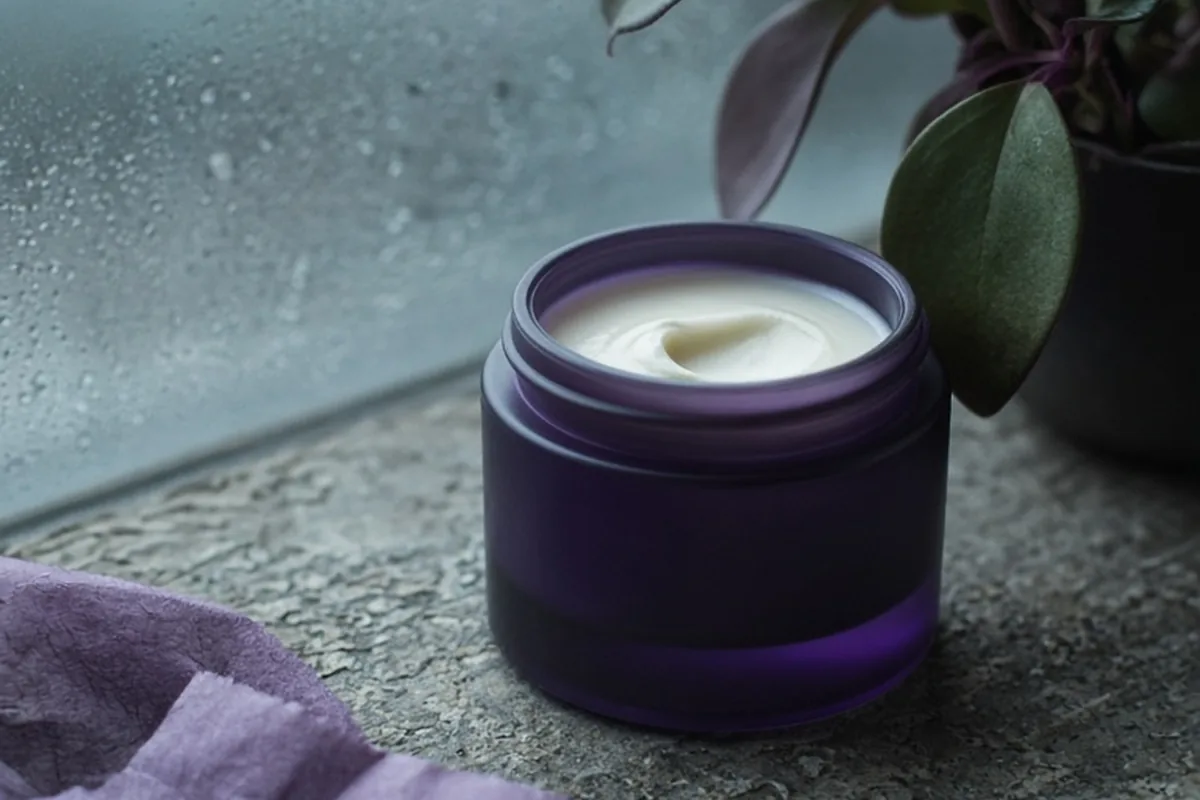
To choose a moisturizer for a damaged barrier, look for a fragrance-free formula rich in physiological lipids like ceramides, cholesterol, and fatty acids to replenish the stratum corneum. Pair these with humectants like glycerin to draw in water and gentle occlusives like squalane or petrolatum to prevent moisture loss. Avoid drying alcohols, essential oils, exfoliating acids, and botanical fragrances that trigger stinging on compromised skin.
When your skin barrier is compromised, ordinary products suddenly tingle, tighten, or burn, leaving your face sensitive and visibly flushed. Selecting the right barrier moisturizer requires tuning out marketing buzzwords and focusing on restorative formulations that offer pure physiological support while your skin resets its defenses.
Look for Physiological Lipids That Mimic Natural Skin
The outermost protective layer of human skin functions much like a brick wall, where mature skin cells serve as the bricks and an intricate lipid matrix acts as the mortar. When this intercellular matrix is depleted by over-exfoliation, aggressive cleansing, or harsh environmental conditions, microscopic gaps form between cells. As a result, internal moisture rapidly evaporates into the air while irritants easily penetrate. Choosing a moisturizer that replenishes the specific physiological lipids natural to the epidermis directly targets the physical source of your discomfort.
When scanning ingredient decks, prioritize products that list ceramides, cholesterol, and free fatty acids. Ceramides, such as ceramide NP, ceramide AP, or ceramide EOP, make up approximately half of the stratum corneum by weight and provide structural integrity. Cholesterol and fatty acids like linoleic or stearic acid work synergistically with ceramides to form an organized, water-resistant barrier. For example, applying a formula that combines all three lipids helps restore the skin's lipid architecture far more efficiently than using a single, isolated carrier oil.
One practical trade-off to consider is formulation weight and cosmetic finish. Products with high concentrations of physiological lipids often have a richer, slightly waxy texture that can feel substantial on the skin. If your skin is naturally oily or prone to congestion, an excessively heavy lipid paste may feel suffocating during daytime wear. In those cases, searching for lighter fluid lotions or lamellar emulsions that disperse these essential lipids in a breathable base provides the necessary repair without overloading your pores.
Balance Humectants, Emollients, and Protective Occlusives
A well-rounded barrier moisturizer relies on a functional balance between three distinct categories of ingredients: humectants, emollients, and occlusives. Humectants draw water molecules into the upper layers of the skin, emollients fill the rough spaces between peeling cells to restore softness and flexibility, and occlusives create a physical shield on the surface to curb trans-epidermal water loss. If any one of these three elements is missing, the moisturizer may fail to provide sustained relief throughout the day.
Glycerin is widely considered the gold standard humectant for damaged barriers because it is exceptionally gentle and less likely to trigger the tingling sensations sometimes associated with fragmented hyaluronic acids. For emollients, biocompatible lipids like squalane, jojoba oil, or caprylic and capric triglycerides offer smooth, non-greasy cushion. On the occlusive side, ingredients like dimethicone, shea butter, or petrolatum physically trap moisture. For instance, a lotion combining five percent glycerin, plant-derived squalane, and a light silicone polymer delivers immediate softness while keeping hydration securely locked in.
The trade-off lies in environmental humidity and application habits. In dry or winter climates, using a product dominated solely by humectants can backfire; without sufficient occlusives, the humectants can pull moisture up from the deeper layers of the skin into the parched surrounding air. Conversely, applying a pure occlusive ointment over bone-dry skin will merely seal in dryness rather than providing hydration. Selecting a balanced, all-in-one cream prevents the need to layer multiple separate products onto an already irritable surface.
Match the Formula Vehicle to Your Underlying Skin Type
A common misconception in barrier recovery is that only dry skin suffers from barrier compromise. In reality, individuals with combination, oily, and acne-prone skin frequently disrupt their skin barrier by overusing salicylic acid, benzoyl peroxide, or foaming cleansers in an effort to combat breakouts. Assuming that barrier repair strictly demands a thick, heavy cold cream can cause clogged pores, milia, and worsening inflammation. You must distinguish between your temporary barrier condition and your baseline skin biology.
For dry to very dry skin types, rich barrier creams or comforting balms containing rich plant butters, meadowfoam seed oil, and thick lipids provide essential relief for visible peeling and tightness. For combination or oily skin, you should look for barrier products formulated as gel-creams, light barrier milks, or fluid emulsions. These formulations deliver ceramides and humectants suspended in water-rich vehicles, stabilizing the lipid layer without introducing dense comedogenic waxes.
The limitation of choosing a very lightweight emulsion is that it may dissipate quickly in dry climates or during overnight sleep. If your lightweight gel-cream absorbs completely within minutes and leaves your cheeks feeling tight an hour later, you do not have to discard it entirely. Instead, you can adopt a targeted application technique, using your light emulsion all over the face and pressing a tiny pea-sized amount of a thicker balm exclusively onto the dry, reactive patches of your cheeks and jawline.
Seek Out Soothing Co-Factors That Calm Sensitivity
While lipids and occlusives reconstruct the physical skin matrix over several weeks, a damaged barrier frequently causes immediate, uncomfortable symptoms such as neurosensory burning, flushing, and raw sensitivity. Formulations that incorporate dedicated soothing co-factors help quiet this surface reactivity, making everyday application tolerable and keeping you from scratching or rubbing fragile tissue while the deeper epidermal layers undergo their natural replenishment.
Effective soothing ingredients to look for include colloidal oatmeal, panthenol, allantoin, and purified madecassoside. Colloidal oatmeal contains natural beta-glucans and avenanthramides that help reduce surface itch and visible blotchiness. Panthenol, also known as pro-vitamin B5, functions as both a deep humectant and a comforting conditioning agent that encourages tissue comfort. For example, a barrier cream formulated with three percent panthenol and madecassoside can dramatically take the sting out of skin that normally reacts to simple water contact.
However, there is an important caveat when shopping for calming ingredients: do not mistake complex herbal concoctions for gentle formulas. Many products marketed for sensitive skin contain dozens of unrefined botanical extracts. These raw botanical mixtures frequently contain natural allergens and aromatic terpenes that can trigger contact dermatitis in compromised skin. Stick to products featuring isolated, purified soothing molecules with simple, clear ingredient lists to keep reactivity low.
Filter Out Problematic Additives and Latent Actives
Selecting the best moisturizer for a damaged barrier is often determined as much by what the product leaves out as what it includes. In a healthy skin barrier, the outer stratum corneum blocks foreign substances from reaching the living cells and sensory nerves below. When that barrier is broken, ingredients that are normally harmless can penetrate directly into deeper tissue, sparking acute irritation, stinging, and prolonged redness.
Carefully inspect packaging to ensure the product is completely fragrance-free, meaning it contains neither synthetic perfumes nor natural essential oils like lavender, citrus, peppermint, or rosemary. You should also steer clear of formulas listing high concentrations of denatured alcohol, alcohol SD, or astringent witch hazel. Additionally, beware of hidden exfoliating actives. Some restorative moisturizers secretly contain low concentrations of glycolic acid, lactic acid, or exfoliating enzymes designed to smooth flaking, but these can further erode an already fragile moisture barrier.
A practical trade-off of using a truly fragrance-free, additive-free barrier moisturizer is that the sensory experience will be purely utilitarian. Without masking agents or sweet-smelling essential oils, these creams often possess a neutral, faintly earthy, or slightly medicinal aroma derived from the raw lipids and oat extracts themselves. Recognizing that an unperfumed, functional scent is a hallmark of safety rather than a product flaw helps set appropriate expectations during recovery.
Adopt a Gentle Application Method and Introduction Plan
Even the most thoughtfully formulated barrier cream can cause irritation if applied aggressively or introduced too abruptly onto compromised skin. Physical friction from rapid rubbing can damage delicate surface capillaries and worsen micro-tears. Developing a cautious, measured application routine ensures that your skin receives the full benefits of the moisturizer without unintended setbacks.
Always perform a patch test on a small area, such as along your jawline or the side of your neck, for twenty-four hours before applying a new cream all over your face. When applying the product, dispense a moderate amount onto your fingertips, warm it slightly, and gently press or pat it into the skin rather than rubbing in circular motions. While standard advice suggests applying moisturizer to damp skin to trap hydration, severely raw skin can sometimes experience increased stinging when wet due to rapid ingredient penetration. If your face burns upon damp application, pat it completely dry first until basic resilience is restored.
The most common obstacle in barrier repair is routine impatience. Repairing the stratum corneum requires biological time, typically spanning two to four weeks depending on your age, baseline skin health, and the extent of the initial damage. Frequently switching between different moisturizers every few days resets this timeline and exposes your skin to a rotating series of emulsifiers and preservatives. Commit to a single, gentle routine, strip away all other active treatments, and allow your chosen formulation the time it needs to work.
Frequently asked questions
How long does it usually take for a barrier moisturizer to repair damaged skin?
Most people notice a reduction in surface stinging and tightness within three to five days of using a supportive barrier cream. However, full recovery of the stratum corneum typically requires two to four weeks of consistent, unvaried care without active exfoliants.
Should I apply my barrier moisturizer on damp or completely dry skin?
Applying moisturizer to slightly damp skin maximizes hydration retention for mildly dry skin. However, if your skin is raw, peeling, or actively stinging, apply your cream to completely dry skin first to slow ingredient penetration and prevent initial burning.
Can a dedicated barrier repair moisturizer cause breakouts?
Yes, heavy balms rich in petrolatum, thick waxes, or dense plant butters can clog pores if applied to congestion-prone skin. If you are prone to breakouts, choose a lightweight ceramide gel-cream or fluid emulsion that restores lipids without heavy occlusives.
Your next step
Review your current moisturizer's ingredient deck today, pause any products featuring fragrance, drying alcohols, or active exfoliants, and replace them with a gentle ceramide-rich cream applied twice daily to damp or dry skin as comfort dictates.