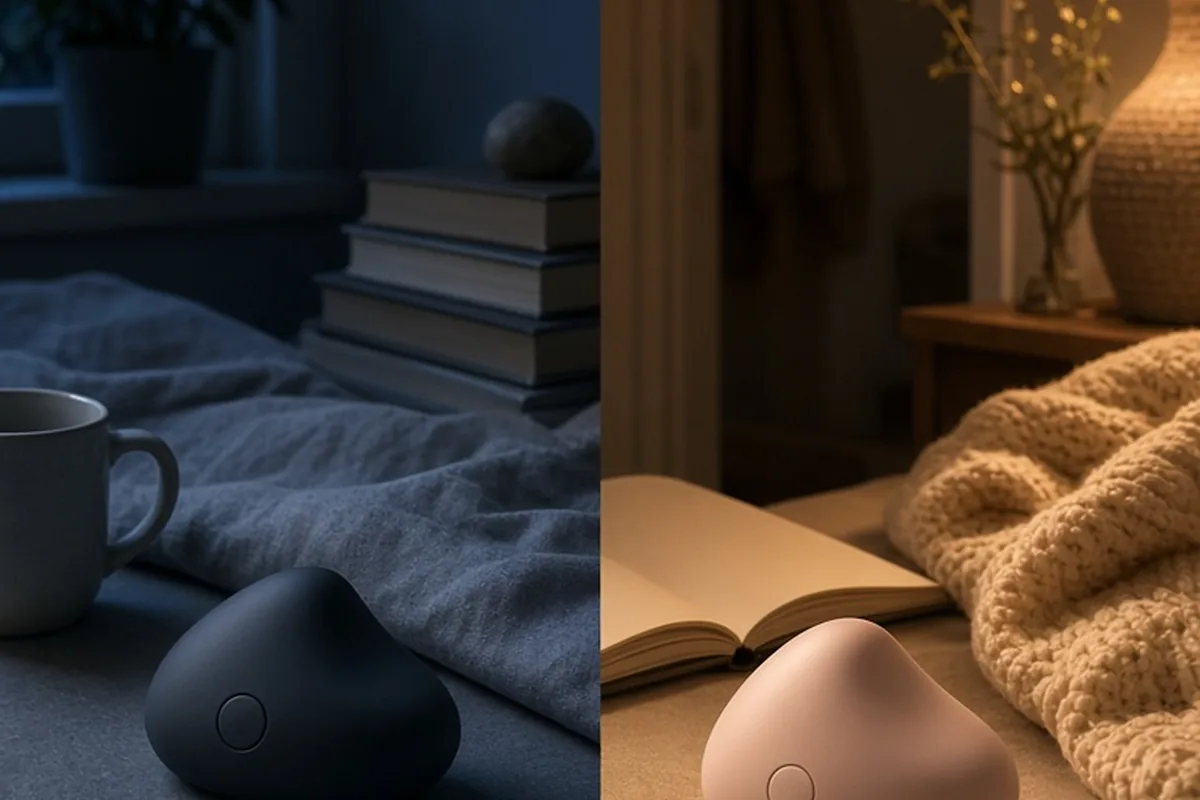
Start by naming the job you want it to do: solo or partnered, external or internal, gentle or strong, discreet or powerful. Then choose a body-safe material, a size and control style you can actually use, and a price with warranty. If a partner is involved, agree on boundaries before buying.
A good choice is less about the most intense toy and more about the one you will reach for comfortably, clean easily, and use without second thoughts.
Define the job before you shop
The fastest way to narrow the field is to write one sentence: I want something for solo or partnered use, mostly external or internal, with gentle-to-strong range, and easy storage. That sentence prevents a common mistake: buying whatever looks impressive instead of what fits your actual routine. A small apartment, shared walls, limited hand mobility, or a preference for subtle sensation can matter as much as power.
Be honest about context rather than aspiration. If you are curious but sensitive, a toy with low settings and a soft surface may serve you better than a famous high-intensity model. If you want something for partnered moments, consider whether it needs to fit between bodies, be simple to hand over, or stay quiet enough that neither of you feels distracted.
Match the type to the sensation
Different shapes create different experiences. Compact bullets are simple and targeted; wands tend to offer broad, strong external stimulation; curved internal designs are shaped for reach; dual-stimulation styles combine internal and external contact; air-pulse styles create a distinct sensation some people love and others find too specific. None is universally better, so treat reviews as clues, not verdicts.
A practical example: if you know you like indirect pressure and adjustable intensity, a wand with multiple lower settings may be more versatile than a single-pattern toy. If you dislike handling larger devices, a wand can feel clumsy even when it is popular. For any anal use, choose only products designed for that purpose with a flared base, and keep the suggestion framed around comfort and safety rather than novelty.
Prioritize body-safe materials and easy care
Material is one of the least glamorous and most useful filters. Nonporous options such as medical-grade silicone, ABS plastic, glass, and stainless steel are generally easier to clean than soft porous materials often labeled jelly or rubber. If a listing is vague about material, treat that as a reason to pause rather than a mystery to solve after purchase.
Care should fit your habits. Check whether the toy is waterproof or only splash-resistant, whether it needs mild soap and water or a specific cleaner, and whether the charging port is sealed. Use lubricant compatible with the material; silicone-based lube can degrade some silicone toys, while water-based lube is usually the safer default. If you have irritation, pain, or a medical concern, stop and ask a qualified clinician rather than pushing through.
Look for control, not just intensity
Power matters, but usable power matters more. A toy with a wide range, clear buttons, and predictable patterns is easier to enjoy than one that jumps from faint to overwhelming. Features worth considering include a travel lock, memory function, simple up-and-down controls, waterproofing, battery life, and whether the lowest setting is genuinely gentle.
Noise and discretion are practical, not shallow. If you live with roommates or family, check decibel claims cautiously and read reviews that mention sound in real rooms. App control can be fun for some couples, but it adds setup, updates, and privacy questions. Choose the level of tech you will actually manage; a reliable button you can find in the dark often beats a clever feature you avoid.
Fit the toy to your body and hands
Comfort is not only about where the toy touches; it is also about whether you can hold, aim, and adjust it without strain. Consider weight, handle shape, button placement, flexibility, girth or length if internal use is relevant, and whether the shape works with your mobility. People with arthritis, limited reach, or fatigue may prefer lighter bodies, larger buttons, or remote controls.
A concrete trade-off: bigger toys can offer broader contact and stronger motors, but they may be harder to position during partnered sex or store discreetly. Smaller toys are easier to travel with and less intimidating, yet may feel too pinpoint or underpowered for some preferences. The right size is the one that supports relaxed use, not the one that wins a spec sheet.
Set a budget that protects quality
You do not need the most expensive option, but extremely cheap toys can cost more in disappointment, noise, weak motors, porous materials, or short lifespans. A sensible middle range often buys better silicone, rechargeable batteries, water resistance, and a warranty. Decide your ceiling before browsing so marketing cannot redefine your needs in the moment.
Buy from retailers that list materials clearly, explain charging and waterproof ratings, and state return policies honestly; many intimate products cannot be returned once opened, so warranty support matters. Discreet billing and packaging can be reasonable preferences, not something to feel embarrassed about. If privacy is important, review account settings, email receipts, and app permissions before connecting anything to your phone.
If a partner is involved, make consent part of the choice
A vibrator can add playfulness, but it should never be used as proof that someone is inadequate or as a surprise meant to corner them into enthusiasm. If you want to bring one into partnered sex, ask outside the moment: Would you be open to trying a toy together sometime, or would you rather keep things as they are? A no is information, not a challenge.
Choose together when possible. Talk about what sounds appealing, what feels off-limits, where the toy might be used, and how either person can pause without awkwardness. Keep the tone mutual and non-explicit: curiosity, comfort, and respect are more attractive than pressure. The goal is shared pleasure and trust, not winning an argument or performing confidence.
Avoid common mistakes and know when to pause
Common errors include buying for a fantasy version of yourself, ignoring the lowest setting, assuming stronger is better, skipping material details, and expecting a toy to fix communication problems. Another mistake is treating numbness, soreness, or dread as normal parts of experimentation. Pleasure should not require ignoring your body; if something hurts, stop, clean the toy, and reassess.
Give yourself permission to choose imperfectly and learn. Start with adjustable settings, use plenty of compatible lubricant, keep sessions unhurried, and store the toy clean and dry. If a purchase misses the mark, note why in practical terms: too buzzy, too large, too loud, too complicated. That turns a disappointing buy into useful data instead of a reason to quit.
Illustrative Scenarios
The link that felt like a verdict
After a good third date, Maya texted Alex a product link with a joking message about adding a toy next weekend. Alex first read it as proof he had disappointed her and nearly replied with a defensive joke. Instead he asked, “Are you suggesting this because you think it would be fun for us, or because something felt missing?” She said it sounded playful, not corrective. They agreed on boundaries, chose a small adjustable option together, and kept an easy pause signal.
Key point: A suggestion can be an invitation, not a scorecard; ask before assigning meaning.
The powerful toy that stayed in a drawer
Jordan bought a large wand after reading praise for its strength, then found it too loud for a thin-walled apartment and too intense even on early settings. The first interpretation was that something was wrong with his body for not loving a best seller. A more useful response was to list the actual problems: noise, weight, and a missing gentle floor. He switched to a smaller rechargeable model with lower settings and a travel lock.
Key point: Fit beats fame; the right toy is the one your space, hands, and sensitivity can use.
Frequently asked questions
Are expensive vibrators worth it?
Sometimes, but price alone is not a guarantee of fit. Higher cost can buy better materials, motors, waterproofing, and warranty support, while the best choice still depends on your preferred sensation, noise needs, and comfort.
What material should I look for?
Nonporous materials such as medical-grade silicone, ABS plastic, glass, and stainless steel are generally easier to clean. Be cautious with vague labels like jelly or rubber, and choose water-based lubricant if you are unsure about compatibility.
Can a vibrator be used with a partner without awkwardness?
Yes, when it is treated as a shared option rather than a test or replacement. Ask before the moment, agree on boundaries and a pause signal, and pick something simple enough that attention stays on each other.
What if it feels too intense or uncomfortable?
Stop rather than pushing through, especially if there is pain, numbness, or irritation. Try lower settings, more compatible lubricant, indirect pressure, or a different shape; persistent discomfort is a reason to consult a qualified clinician.
Your next step
Before browsing, write three must-haves and two deal-breakers, then buy the simplest body-safe option that meets them.