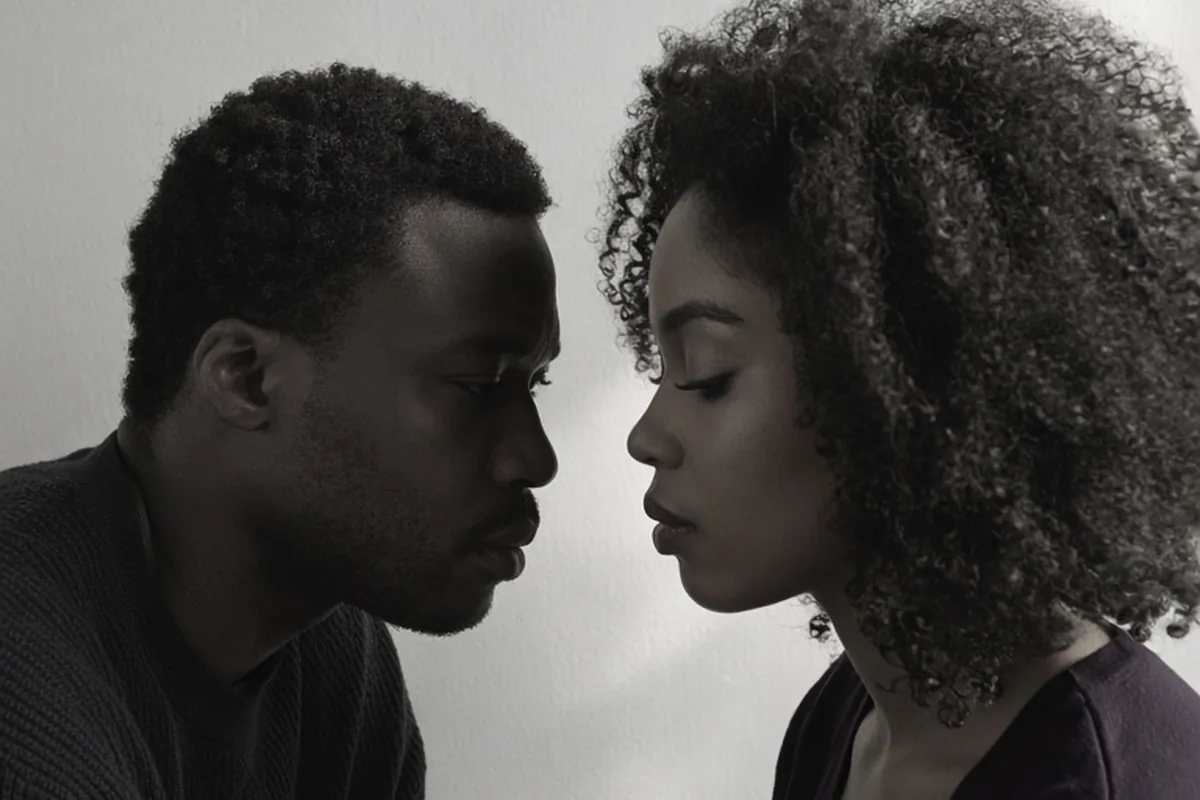
To choose hair color for textured hair, assess your hair's current porosity, curl elasticity, and moisture levels before selecting a formula. Textured hair has a naturally elliptical shape with raised cuticle points along curl bends, making it more prone to dryness and lift-induced breakage. Choose ammonia-free glosses, demi-permanents, or high-deposit shades if your hair is dry or fine. If lifting levels with permanent dye or bleach, pair warm or neutral tones with bonded lightening systems and scheduled protein-moisture balancing treatments.
Textured hair—ranging from loose waves and springy curls to tight coils and zig-zag patterns—reflects light differently than straight strands and requires specialized formulation considerations. Because curl patterns create natural points of structural vulnerability, choosing a shade is not just an aesthetic decision; it is a balance between color chemistry, curl integrity, and long-term moisture retention.
Evaluating Curl Porosity, Elasticity, and Hair Density
Before selecting a color swatch, you must evaluate the structural foundation of your strands. Textured hair naturally bends, twists, and coils, creating areas where cuticle scales lifted slightly along the curves. This structural feature makes textured strands naturally more porous and prone to moisture loss than straight hair. High-porosity hair absorbs dye rapidly but can lose pigment just as quickly, often resulting in muddy or uneven tones. Low-porosity hair has tightly bound cuticle layers that resist moisture and dye penetration, requiring gentler, heat-assisted opening or longer processing times without aggressive alkaline agents.
Elasticity and strand density also determine how much chemical stress your hair can tolerate. Test elasticity by gently stretching a wet strand; healthy hair stretches slightly and returns to its original length without snapping. If the strand snaps immediately, your hair lacks moisture or structural protein, meaning oxidative permanent dyes or high-volume developers may cause significant breakage. Similarly, fine-diameter textured strands have a thinner cortex and less natural melanin mass, which means they lighten faster and suffer damage more quickly than coarse textured strands under the same chemical formulation.
Matching Dye Chemistry to Textured Hair: Semi, Demi, and Permanent Formulations
Color formulations interact with the hair shaft in distinctly different ways, and matching the chemistry to your hair condition is critical for curl preservation. Semi-permanent dyes contain large, pre-formed pigment molecules that coat the exterior cuticle without altering the inner cortex. They require no developer or ammonia, making them an ideal starting point for dry, fragile, or chemically treated curls. Semi-permanent shades add gloss and temporary vibrancy, though they cannot lighten your base color and will gradually wash out over four to eight shampoos.
Demi-permanent dyes use a low-volume developer (typically between 5 and 10 volume) to slightly open the cuticle and deposit pigment into the outer layers of the cortex. They offer longer longevity without creating a harsh demarcation line as roots grow in, making them effective for blending gray hair or darkening an existing tone. Permanent color and lighteners use alkaline agents like ammonia or monoethanolamine alongside higher-volume developers to lift the cuticle, strip natural melanin, and deposit new shade molecules deep within the cortex. While permanent color achieves significant lift and 100 percent gray coverage, the chemical disruption can permanently loosen tight curl patterns if applied to compromised strands.
Selecting Flattering Undertones for Textured Base Melanin
Textured hair typically possesses dense concentrations of eumelanin, which naturally produces rich dark brown and black base shades. When dark textured hair is lifted with lightener or high-lift color, it exposes strong warm undertones ranging from deep red and copper to warm golden yellow. Choosing a complementary color requires deciding whether you want to work with these underlying warm tones or neutralize them with cool ash and beige formulations. Working with natural warmth by selecting honey blondes, rich coppers, cinnamon browns, and auburn shades generally requires less chemical lifting and maintains higher strand integrity.
Your skin undertone plays an equally important role in how the final shade appears against your complexion. Warm skin undertones, characterized by golden, peachy, or yellow cues, look radiant next to warm caramel, bronze, chestnut, and ginger tones. Cool skin undertones, featuring pink, blue, or deep reddish-brown notes, pair well with espresso, dark chocolate, cool burgundy, and iced mocha. Neutral and olive complexions can wear both warm and cool palettes, though adding multidimensional reflections prevents tight curl clumps from looking flat or absorbing too much ambient light.
Color Placement Strategies: Balayage, Pintura Highlights, and All-Over Color
How color is applied to textured hair changes both visual depth and structural maintenance. Traditional foil highlighting methods pull hair into flat, uniform sections that ignore the organic clumping pattern of natural curls. This can lead to horizontal streaks or harsh lines when the hair shrinks back into its natural state. Pintura highlighting is a specialized hand-painting technique designed specifically for textured hair, where the colorist paints dye directly onto individual curl clusters where light naturally hits the crest of each bend.
All-over single-process color delivers rich, uniform saturation from root to tip, which works well for darkening, rich tone-on-tone shifts, or complete gray coverage. However, single-process application requires frequent root touch-ups every four to six weeks. If you prefer low-maintenance longevity, dimensional techniques such as balayage, root melts, and ombre placement allow your natural roots to grow out seamlessly without distinct lines of demarcation, reducing the frequency of chemical services and preserving overall scalp and curl health.
Preparing Curls and Coils Before the Color Service
Proper preparation before any coloring service ensures even pigment uptake and minimizes chemical trauma. Begin preparing your hair three to four weeks prior to your coloring appointment by reducing direct heat styling and incorporating weekly deep-conditioning treatments rich in fatty alcohols, ceramides, and light plant oils. If your hair feels gummy or overly soft when wet, incorporate a gentle hydrolyzed protein treatment to reinforce the keratin bonds within the cortex before any alkaline product touches your hair.
One week before application, perform a clarifying wash using a chelating shampoo to remove residual product buildup, heavy styling butters, silicones, and hard water mineral deposits. When heavy coatings remain on the cuticle, color formulations cannot penetrate uniformly, leading to splotchy, uneven development. Avoid washing your hair immediately prior to your coloring service; leaving natural scalp sebum intact for 24 to 48 hours provides a protective lipid barrier that reduces scalp tingling and chemical irritation during processing.
Post-Color Regimens to Prevent Breakage and Fade
Once textured hair has been colored, the structural cuticle remains more porous, making daily moisture retention your top priority. Switch to a sulfate-free, pH-balanced cleanser formulated specifically for color-treated hair. Traditional sulfates strip natural oils and dissolve newly deposited color molecules rapidly, causing premature fading and dryness. Incorporate an acidic post-color rinse or conditioner to help seal the cuticle scales down flat, locking in color molecules and restoring natural shine.
Balance your routine with regular alternating applications of deep moisture masks and light bond-building or protein treatments. Chemical coloring disrupts disulfide bonds within the cortex, which can cause curls to lose their spring and definition. Support structural repair by applying leave-in conditioners containing humectants like glycerin or aloe vera, followed by a natural oil or butter to seal moisture into the ends. Always protect your colored curls at night using a silk or satin bonnet or pillowcase to eliminate friction-induced tangling and moisture loss.
Professional Salon Services Versus At-Home Box Dye
While at-home box dyes are widely accessible, they contain standardized developer volumes (frequently 20 to 30 volume) designed to work on all hair types. On fine or high-porosity textured hair, this fixed strength can cause severe over-processing, irreversible curl loosening, and chemical breakage. At-home coloring is best reserved for non-lightening services such as semi-permanent glosses, color-depositing conditioners, or root touch-ups within one shade of your natural base color.
If you plan to lighten your textured hair by more than two shades, transition to platinum or blonde, or balance past chemical processes like relaxers or keratin treatments, book a consultation with a certified curl specialist. A professional colorist can formulate custom developer strengths, apply bond builders directly into the lightening mix, and tailor the developer volume across different sections of your head to account for varying curl textures, densities, and previous color histories.
Frequently asked questions
Can coloring textured hair loosen or permanently change my curl pattern?
Yes, high-lift permanent dyes and bleach break the internal disulfide bonds that give textured hair its curl memory. If hair is over-processed or lifted too quickly with high-volume developers, curls can become limp, wavy, or permanently straightened in the damaged sections.
How long should I wait between relaxing or chemical smoothing and coloring my hair?
You should generally wait at least two to three weeks between chemical relaxing or smoothing treatments and applying semi- or demi-permanent color. Permanent dyes and bleach should generally not be applied over relaxed hair due to the extreme risk of severe breakage.
How do I prevent warm brassiness in lightened textured hair?
Because naturally dark textured hair contains strong red and orange undertones, tone regularly with blue- or purple-based depositing glosses every four to six weeks. Additionally, wash with cool water and limit direct heat styling to prevent premature toner degradation.
What is the safest hair color option for fragile or damaged coils?
Ammonia-free semi-permanent direct dyes and color-depositing glosses are the safest options for compromised coils. These formulas coat the outer hair shaft without penetrating or stripping the cortex, providing rich tone and shine without weakening strand elasticity.
Your next step
Perform a clarifying wash and complete a strand test on a hidden curl cluster 48 hours before your service to evaluate elasticity, curl pattern retention, and final pigment tone.