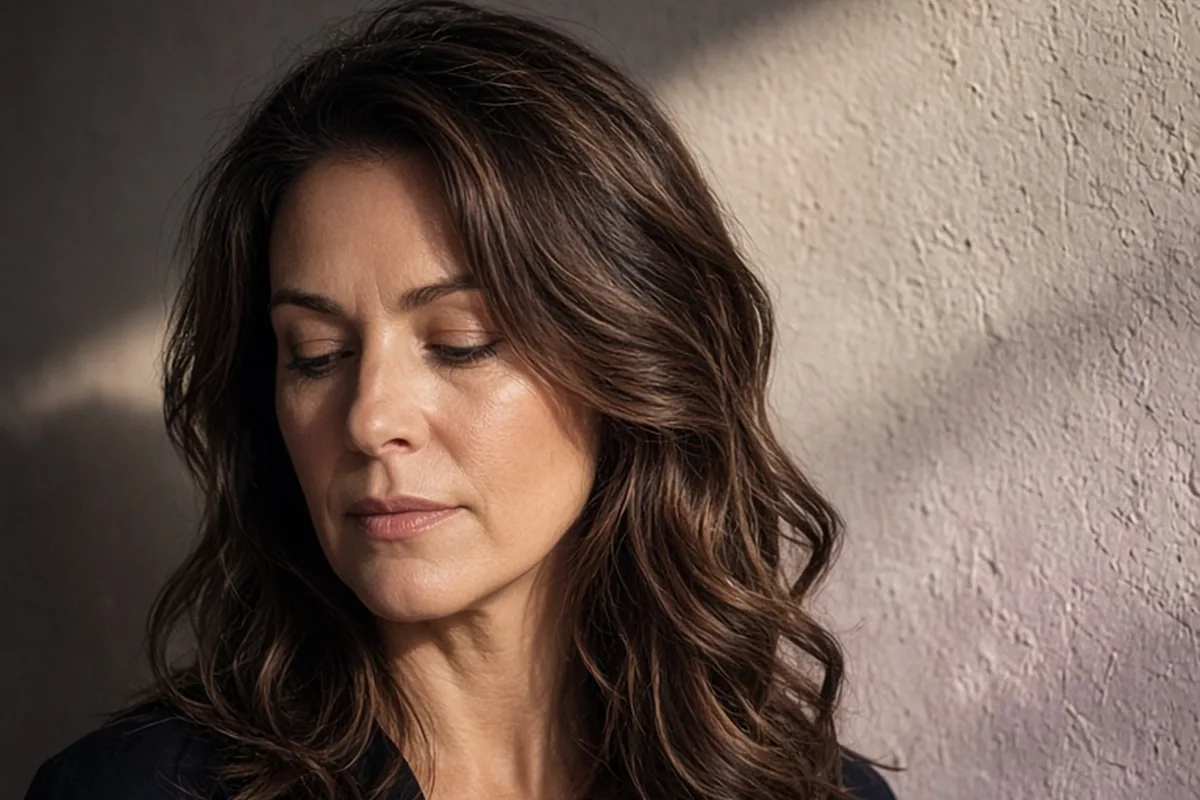
To choose the best hair color after forty, assess your natural skin undertone, your current pattern of gray hair, and texture changes. Opt for dimensional shades—such as soft balayage, babylights, or multi-tonal lowlights—rather than flat, single-process dark tones that create harsh contrast against mature skin. Select shades half a shade to one full shade lighter or warmer than your natural base to add brightness and reflect light around your face.
Hair changes noticeably in texture, density, and pigment production over time, meaning the shades and formulas that worked in your twenties or thirties may no longer deliver the same flattering effect today. Approaching hair color in your forties and beyond is less about hiding age and more about working with your evolving features, skin vibrancy, and lifestyle.
Assessing Skin Tone and Undertone Shifts Over Forty
As we age, natural cellular turnover slows and collagen production decreases, which can cause skin tone to appear softer, paler, or slightly more translucent than it was in earlier decades. Because the natural contrast between your skin, eyes, and hair shifts, keeping an intensely dark, uniform hair color can sometimes cast shadows under the eyes and accentuate fine lines or hyperpigmentation. Understanding whether your underlying skin tone leans cool, warm, olive, or neutral is the foundational step before looking at swatches.
To identify your current undertone, examine the veins on the inside of your wrist under natural daylight. Blue or purple veins generally suggest cool undertones, which pair harmoniously with ash tones, soft champagne, mushroom brown, and cool beige. Greenish veins point to warm undertones, which glow alongside golden blondes, rich caramels, warm chestnuts, and copper highlights. If your veins appear blue-green or blend seamlessly into your skin, you likely have neutral undertones and can wear a broad spectrum of balanced, neutral-toned colors. Taking note of how your complexion responds to jewelry can also provide clues: silver complements cool complexions, while yellow gold enhances warm ones.
Be cautious with drastic departures from your skin's baseline. A shade that is too warm on a cool complexion can bring out unwanted redness or sallow tones, while an overly cool or ashy formula on warm skin can make the face look washed out. Aiming for colors that mirror or gently balance your natural undertone creates a cohesive, refreshed appearance without looking stark or artificial.
Evaluating Gray Patterns, Coverage Needs, and Demarcation Lines
Gray hair is rarely distributed evenly across the scalp; it often concentrates around the temples, hairline, and crown long before appearing in the back. Determining whether your hair is under thirty percent gray, roughly half gray, or predominantly silver dictates whether you need translucent blending, demi-permanent glossing, or opaque permanent color. Knowing your specific gray distribution helps you avoid harsh lines of demarcation when your roots begin to grow out two to three weeks after coloring.
For hair that is less than thirty to forty percent gray, demi-permanent formulas and gray-blending highlights are frequently superior to single-process permanent dyes. Demi-permanent color does not lift your natural base; instead, it deposits sheer pigment that turns white strands into soft, shimmering highlights while leaving the surrounding pigmented hair intact. This approach produces a soft, blurred regrowth line rather than a sharp stripe, extending the time between salon visits.
When gray reaches fifty percent or higher, full permanent coverage remains an option, but it requires diligent upkeep. If you choose permanent color, consider having your colorist formulate the perimeter around the hairline half a shade lighter than the back of the head. This mimics natural sunlight patterns, keeps the hairline soft, and prevents the dense, blocky look often associated with full-coverage home dyes.
Using Dimensional Placement: Highlights, Babylights, and Lowlights
Monochromatic, single-shade color tends to flatten the visual depth of the hair, drawing attention to thinning patches or areas of sparse regrowth. Dimensional coloring—incorporating varied tones that sit within two to three levels of each other—creates movement, visual thickness, and light reflection. By placing brighter accents around the face and deeper tones underneath, you can subtly contour your facial structure.
Babylights—micro-fine woven highlights—are particularly effective for women over forty because they mimic the natural variations found in youthful hair. When placed around the front hairline, they break up concentrated silver patches and soften the transition between pigmented hair and new growth. Balayage offers a similar benefit with a painted, gradual gradient that leaves the root area softer and more natural, allowing you to go eight to twelve weeks between touch-ups instead of four.
Lowlights are equally critical, especially if hair has become overly lightened or brassy from years of consecutive highlighting. Adding richer, deeper ribbons back into the interior of the hair restores contrast and prevents the color from looking washed out. The key is ensuring that lowlights match your undertone and are not applied in wide, heavy stripes, which can look dated and disjointed.
Formulating for Textured, Coarse, and Porous Aging Strands
As pigment cells decrease, hair follicles also produce less sebum, the scalp's natural conditioning oil. This reduction frequently causes gray strands to emerge with a coarser, more wiry texture, while overall hair strands may become finer in diameter and more porous. Porous hair absorbs color quickly but struggles to retain it, leading to rapid fading or unexpected ash grabbing during application.
When coloring textured, curly, or coily mature hair, moisture retention must take priority over aggressive lightening. Curly textures naturally struggle with moisture distribution, and applying high-volume peroxide developers can disrupt curl patterns and lead to breakage. Using ammonia-free formulas, oil-infused color lines, and lower-volume developers ensures the cuticle remains smooth and light-reflective.
Before applying any color formula to mature hair, doing a porosity and elasticity assessment is advisable. If hair feels rough when slid between the fingers or stretches without bouncing back, a pre-color bonding treatment or protein-moisture balance mask can help equalize porosity. This step ensures that the dye absorbs uniformly from roots to ends rather than pooling into darker, muddy patches on damaged ends.
Selecting Flattering Palettes Across Brunette, Blonde, and Red Bases
Every primary color category can be tailored to look vibrant and natural after forty by adjusting saturation, depth, and tone. For brunettes, moving away from inky black or severe dark espresso toward rich mocha, chocolate hazelnut, or soft chestnut adds warmth and vitality. Introducing caramel or toffee balayage through the mid-lengths provides movement without requiring intense bleaching.
Blondes over forty often benefit from steering clear of ultra-pale, icy platinum shades unless their natural hair has already transitioned completely to cool white. Platinum can emphasize ruddiness or pallor in mature skin. Instead, shades such as buttery blonde, golden honey, wheat, and neutral biscuit reflect light effectively, giving the skin a healthy, warm glow while easily disguising emerging silver roots.
Red is the fastest color molecule to fade, but it offers exceptional vibrancy when formulated correctly. Instead of harsh, purple-based burgundies or fiery neon coppers, mature complexions tend to thrive with nuanced shades like auburn, strawberry blonde, cinnamon, or warm terracotta. These multidimensional reds enhance eye color and bring warmth to the cheeks while maintaining a natural, sophisticated appearance.
Professional Salon Services Versus At-Home Box Dye Considerations
Deciding between a professional salon appointment and an at-home kit depends largely on your current hair condition, gray distribution, and desired result. Box dyes are formulated with standardized, often high-strength developers designed to work on the most resistant hair types, which can cause unnecessary dryness or uneven results on fine, porous mature strands. Salons, by contrast, allow a colorist to custom-mix different formulas for your roots, mid-lengths, and hairline.
If you opt for professional color, ask your stylist to explain their long-term maintenance strategy during the consultation. Inquire about the differences in upkeep between traditional foil highlights, demi-permanent glazes, and global base colors. A quality stylist will assess your commitment to maintenance intervals—whether you prefer returning every four weeks or every three months—and formulate your color plan accordingly.
If you choose to color your hair at home, stick to demi-permanent formulas within one shade of your natural base rather than attempting complex lightening or drastic darkening. Always perform a strand test on a hidden section behind your ear twenty-four hours in advance. This step verifies how your specific gray texture absorbs the pigment and ensures the resulting shade matches your expectations before full application.
Maintaining Color Vibrancy, Gloss, and Scalp Health at Home
Maintaining your shade after coloring requires proactive care to prevent premature fading, brassiness, and dullness. Because aging hair reflects less light naturally due to surface texture changes, incorporating sulfate-free, color-safe shampoos and rich lipid conditioners is essential. Washing hair with lukewarm rather than hot water keeps the hair cuticle sealed, preserving the color molecules inside the cortex.
Incorporate a clear or tinted gloss treatment every four to six weeks between regular color appointments. Glosses coat the outer cuticle, neutralizing unwanted yellow or brassy tones while restoring high-shine reflectivity that makes mature hair look instantly healthier. Additionally, applying a leave-in heat protectant before blow-drying or heat styling shields vulnerable strands from oxidative damage caused by thermal tools.
Do not overlook the scalp, which ages alongside facial skin. A healthy, balanced scalp environment supports stronger follicle output and reduced shedding. Avoid applying heavy permanent dye directly onto dry, irritated scalps, and consider incorporating gentle scalp-massaging serums or oils between wash days to nourish the skin barrier without disrupting your color formulation.
Illustrative Scenarios
Transitioning Away from Harsh Monochromatic Black
Diane, 46, had colored her hair jet black at home for over fifteen years. As silver hair began accumulating rapidly along her front hairline, she noticed an obvious white line appearing within ten days of each application. The stark black shade also emphasized dark circles under her eyes. Diane initially thought her only option was to bleach all her hair or cut it short. Working with a colorist, she instead shifted to a multi-stage plan: lifting her base to a soft medium mocha brown and adding delicate caramel babylights along her hairline to diffuse the gray growth.
Key point: Shifting two shades lighter and introducing dimensional highlights softens the demarcation line and creates a much more flattering frame for mature facial features.
Managing Concentrated Temple Gray Without Full Bleaching
Elena, 52, had dark brunette hair with dense white patches concentrated almost exclusively at her temples. She tried covering them with permanent dark dye, but the resistant gray hair absorbed the pigment poorly, turning an unnatural translucent orange while the rest of her hair became overly dark. Instead of continuing full permanent coverage, she switched to a neutral brown demi-permanent base combined with fine champagne face-framing foils that blended her white temples into deliberate highlights.
Key point: Working with localized gray patterns using targeted highlights creates intentional dimension rather than fighting stubborn root regrowth with heavy dye.
Frequently asked questions
Is it better to go lighter or darker with hair color as you get older?
In general, going half a shade to one full shade lighter than your natural dark base is more flattering as you age. Lighter tones reflect light around the face, soften the appearance of fine lines, and create less contrast against emerging gray roots, making regrowth far less noticeable.
How can I stop my gray hair from turning brassy after coloring?
Gray hair lacks natural pigment, making it more susceptible to absorbing environmental minerals, heat damage, and pollutants that cause brassiness. Use a sulfate-free shampoo, install a shower water filter to reduce mineral deposits, and use a blue or purple toning gloss once every two to three weeks to keep the tone neutral.
Can demi-permanent color completely cover gray hair over forty?
Demi-permanent color blends rather than completely covers gray hair, camouflaging up to fifty percent of gray strands by turning them into translucent, highlight-like accents. If you have over fifty percent gray and desire completely opaque, solid coverage, a permanent color formula is required.
How often should I touch up my hair color to avoid visible roots?
If you wear a solid, permanent color that contrasts strongly with your natural gray, roots typically need a touch-up every four to six weeks. If you use dimensional techniques like balayage or gray blending, you can often stretch salon visits to eight to twelve weeks with a simple gloss in between.
Your next step
Book a dedicated fifteen-minute consultation with a licensed colorist to evaluate your skin undertone and gray distribution in natural daylight before committing to a new color formula.