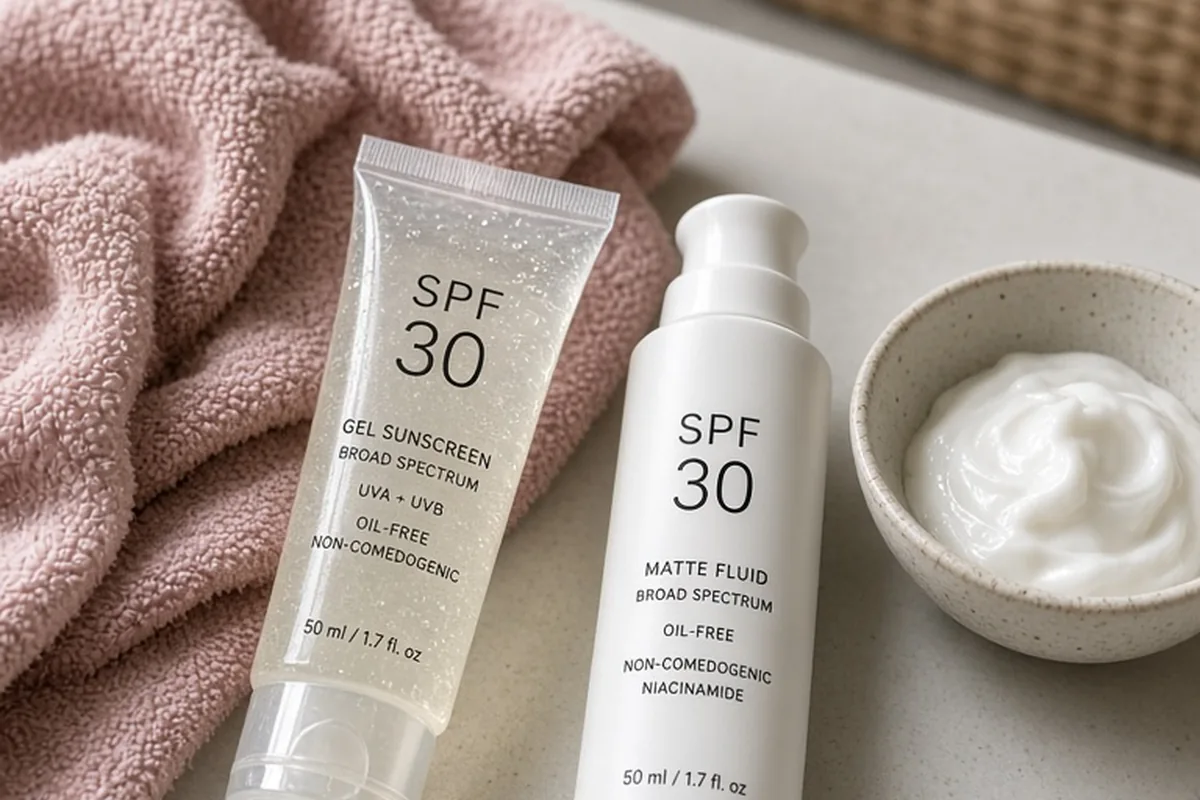
To choose a sunscreen for acne-prone skin, select a broad-spectrum formula with at least SPF 30 labeled non-comedogenic and oil-free. Prioritize lightweight textures such as gels, fluids, or matte emulsions over thick creams. Look for soothing additions like niacinamide, and choose mineral zinc oxide if your skin tends toward inflammatory redness, or lightweight modern chemical filters if you dislike heavy white residues.
Wearing daily sun protection is essential for skin health, but finding a formula that feels comfortable on breakout-prone skin often feels like an uphill battle. Many people who experience frequent blemishes avoid sunscreen altogether because traditional lotions can feel greasy, leave an uncomfortable film, or exacerbate existing breakouts. Fortunately, cosmetic formulation has advanced significantly, making it entirely possible to shield your face from ultraviolet light while keeping your pores clear and your barrier calm.
Decoding Core Labels: Non-Comedogenic, Oil-Free, and Broad Spectrum
When browsing product aisles or online storefronts, product packaging can feel overwhelming with competing marketing terms. For breakout-prone skin, the most critical baseline designation to seek is non-comedogenic. While this claim indicates that the manufacturer formulated and tested the product to minimize pore blockages, it is helpful to understand that cosmetic testing standards vary across brands. Pairing a non-comedogenic label with an oil-free claim offers an additional layer of reassurance, ensuring that the base does not rely on heavy plant oils, mineral oils, or rich buttery emollients that tend to trap sebum in congested follicles.
Equally vital is ensuring that the product provides broad-spectrum protection with an SPF rating of 30 or higher. Broad spectrum means the formula shields against both ultraviolet A rays, which contribute to premature aging and hyperpigmentation, and ultraviolet B rays, which cause sunburns. Skipping broad-spectrum coverage leaves post-acne dark marks vulnerable to darkening under ambient light, which prolongs the appearance of discoloration long after an active pimple has resolved. Balancing these label standards gives you a reliable starting filter before assessing specific ingredients.
Comparing Mineral and Chemical UV Filters for Reactive Complexions
Sunscreen filters generally fall into two broad categories: mineral filters and chemical filters. Mineral filters, primarily zinc oxide and titanium dioxide, sit on the surface of the skin and reflect as well as absorb UV rays. Zinc oxide is particularly popular for sensitive, acne-prone skin because it possesses mild astringent and naturally soothing properties that help calm visible surface irritation. However, mineral formulations can sometimes feel slightly heavier and may leave a visible white cast on deeper skin tones, which prompts some users to scrub aggressively during cleansing or abandon daily application.
Chemical filters, on the other hand, absorb ultraviolet energy and convert it into low-grade heat that disperses from the skin. Modern chemical options often yield elegant, invisible finishes that spread easily without feeling chalky or pasty. The potential trade-off is that certain older organic chemical filters can occasionally cause stinging, warmth, or mild contact irritation on skin with an active or compromised moisture barrier. If your breakouts are intensely red and reactive, pure mineral or hybrid formulations often prove gentler, whereas those struggling primarily with closed comedones and excessive oiliness may prefer an ultralight chemical fluid.
Selecting the Right Formulation Texture for Your Skin Type
Texture is often the single factor that determines whether you will consistently apply sunscreen every morning. Acne-prone skin commonly coexists with excess sebum production, making traditional heavy creams feel suffocating within hours of application. Water-based gel sunscreens, lightweight lotions, and fluid milk textures dry down cleanly without adding unnecessary slip or shine. Many of these formulas utilize volatile silicones or oil-absorbing powders like silica to leave a soft, demi-matte or natural finish that wears comfortably under makeup or on bare skin.
It is equally important to distinguish between oily acne-prone skin and dehydrated, dry acne-prone skin. If you are using drying acne treatments like topical retinoids or benzoyl peroxide, your skin might actually crave light hydration beneath its protective shield. In such instances, an oil-free moisturizing lotion with humectants provides necessary comfort without the heaviness of occlusive balms. Selecting a texture that mirrors your skin's hydration requirements prevents midday greasiness while avoiding the flaky tight patches that aggravate surface texture.
Spotting Helpful Additions and Potential Irritants on the Ingredient Deck
Reading the fine print of an ingredient list allows you to assess how a sunscreen will interact with your complexion over weeks of continuous wear. Formulations enhanced with supportive ingredients can actively complement an anti-blemish regimen. Niacinamide, a form of vitamin B3, is frequently included because it helps support the moisture barrier, balance surface oiliness, and visibly even out post-inflammatory hyperpigmentation. Similarly, humectants such as hyaluronic acid and glycerin draw ambient moisture into the outer layers of the skin, maintaining supple hydration without requiring pore-clogging lipids.
Conversely, there are common formulation components that sensitive, acne-prone skin may wish to minimize or avoid. Synthetic fragrances and strong botanical essential oils can trigger low-grade inflammatory responses that worsen existing breakouts or provoke allergic contact dermatitis. Heavy waxes, isopropyl myristate, and high concentrations of coconut derivatives can also increase the likelihood of follicular clogging in susceptible individuals. Scanning for a concise ingredient deck free of added perfumes reduces the risk of unwanted flare-ups.
Layering Sunscreen with Active Acne Treatments and Makeup
A common point of confusion is how to fit sun protection into a morning routine that already features targeted acne serums or prescription medications. Sunscreen should always be applied as the final skincare step before applying any cosmetic makeup. If you apply a lightweight acne treatment, such as a salicylic acid serum or an azelaic acid cream, allow it to absorb fully for two to three minutes before spreading your sunscreen. Layering formulas too quickly while they are still wet can cause pilling, which compromises the protective UV film and distributes active ingredients unevenly.
When applying makeup over your daily sun protection, wait an additional three to five minutes until the sunscreen forms an intact, dry-to-the-touch layer. Rubbing foundation directly over freshly placed sunscreen can disturb the even barrier of UV filters, leading to patchy coverage and potential localized congestion. If your chosen sunscreen is sufficiently hydrating on its own, you can also skip a separate morning moisturizer entirely, streamlining your morning steps and cutting down on unnecessary layers of product.
Evening Cleansing Routines to Fully Dissolve Sunscreen
Even the most thoughtfully formulated non-comedogenic sunscreen can contribute to congested pores if it is not thoroughly washed away at the end of the day. Modern water-resistant and long-wearing sunscreens are designed to adhere persistently to the skin, which means a single gentle, non-foaming wash may leave behind residual UV filters, daily pollution, and trapped sebum. Implementing a thorough evening cleanse ensures that your skin remains clean and primed to receive overnight reparative care.
A double cleansing approach works exceptionally well for many individuals prone to blemishes. This involves starting with a lightweight, water-soluble cleansing oil, micellar water, or gentle cleansing balm on dry skin to break down the lipophilic sunscreen film, followed by your standard water-based gel or foaming cleanser to rinse everything cleanly away. If you prefer a single-step routine, simply take care to massage your regular cleanser gently across all contours of your face for a full sixty seconds with lukewarm water, avoiding abrasive washcloths that can irritate inflamed blemishes.
Illustrative Scenarios
Adjusting Daily Sunscreen for Congested, Shine-Prone Skin
Jordan had dealt with recurrent breakouts along the jawline and forehead for years and routinely avoided sunscreen because past products felt greasy by midday and seemed to trigger tiny whiteheads. While using an evening topical treatment that left skin sensitive to sunlight, Jordan needed daily protection that would not exacerbate midday oiliness. Instead of returning to heavy multipurpose moisturizers, Jordan selected a fragrance-free, oil-free fluid sunscreen featuring zinc oxide and niacinamide with a liquid-gel texture, applying it directly over bare skin after a gentle morning rinse.
Key point: Choosing a dedicated, fluid sunscreen without added fragrance or heavy emollient oils can provide dependable daily protection while keeping skin matte, comfortable, and free from clogged pores.
Frequently asked questions
Can wearing sunscreen every day actually cause new acne breakouts?
Sunscreen itself does not inherently cause acne, but specific formulations containing heavy oils, occlusive waxes, or synthetic fragrances can clog pores in susceptible skin types. Incomplete evening cleansing can also trap residual product and surface sebum overnight. Selecting an oil-free, non-comedogenic fluid and washing it off thoroughly each evening prevents most sunscreen-related congestion.
Is a tinted sunscreen beneficial for acne-prone skin?
Tinted sunscreens can be very practical for acne-prone skin because they contain iron oxides that help shield against visible light, which is known to worsen dark post-acne marks. They also provide light, even cosmetic coverage that can reduce the need for separate foundation or concealer layers. Just ensure the tinted base is explicitly formulated as non-comedogenic and suits your undertone.
Should I choose SPF 30 or SPF 50 if my skin is prone to blemishes?
Both SPF 30 and SPF 50 offer strong protection when applied properly, blocking roughly 97 percent and 98 percent of UVB rays respectively. For acne-prone skin, texture and tolerability matter far more than reaching the highest possible number. If an SPF 30 feels lighter and encourages you to apply the full recommended amount daily, it is generally a better choice than a heavy SPF 50 that you might under-apply.
Can I use my sunscreen as my morning moisturizer?
Yes, many contemporary oil-free sunscreens contain hydrating humectants like glycerin and hyaluronic acid that provide plenty of daytime moisture for oily and combination skin. Eliminating a separate morning moisturizing step can actually benefit acne-prone complexions by reducing the total number of layers on the skin and lowering the likelihood of pore congestion.
Your next step
Your immediate next step is to audit your current morning product lineup, set aside heavy multi-purpose creams, and test an oil-free, broad-spectrum SPF 30 fluid or gel on a small patch of skin to confirm daily comfort.