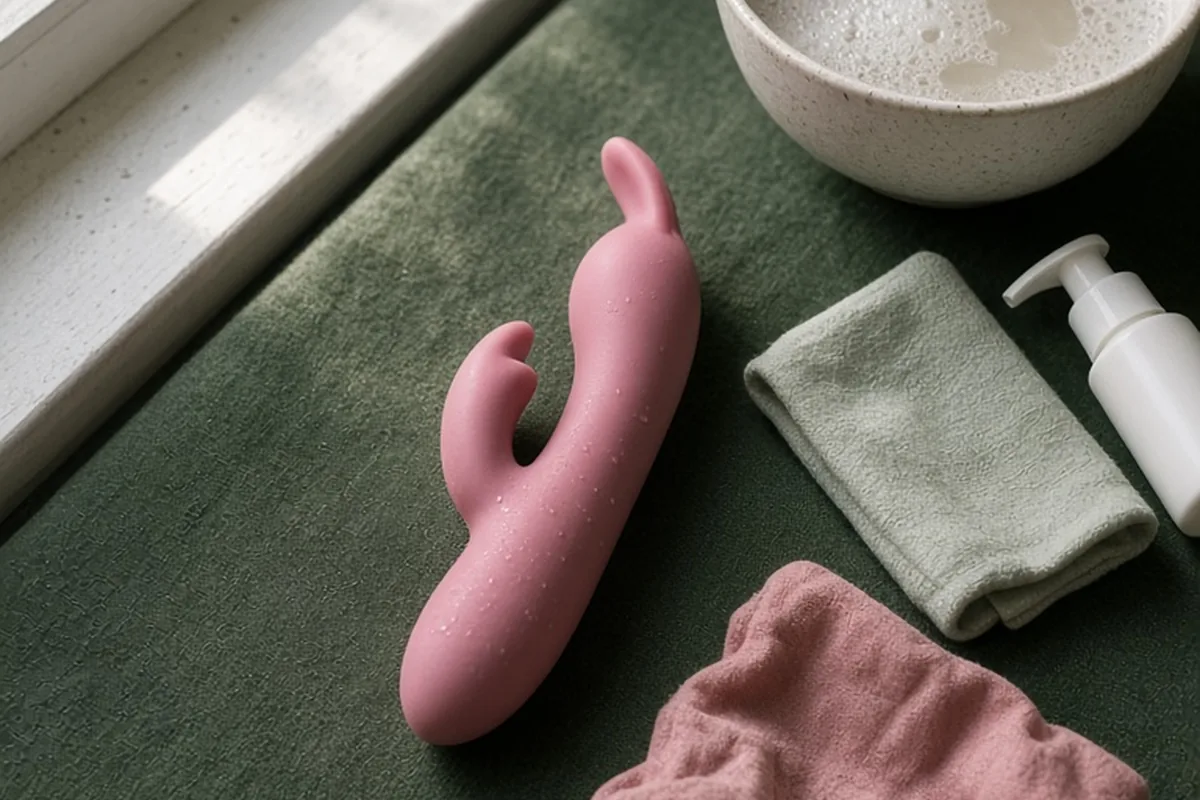
To clean your vibrator, turn it off and disconnect any charging cables or remove the batteries. Wash the external surface with warm water and a mild, unscented soap or an antibacterial toy cleaner. Avoid submerging non-waterproof handles, buttons, or charging ports. Rinse away all soap residue under running water, pat the device dry with a clean lint-free cloth or paper towel, and allow it to air-dry completely before storing.
Cleaning adult novelties immediately after each use maintains hygiene, protects delicate vaginal and anal ecosystems from unwanted bacteria, and extends the lifespan of sensitive electronic components. Whether you own a simple bullet vibrator, a soft silicone wand, or a flexible rabbit-style toy, adopting the right washing, drying, and storage routine ensures your device remains clean, comfortable, and reliable for years.
Understanding Materials and Selecting the Right Cleaning Solutions
Material composition dictates how a vibrator must be treated. High-grade non-porous materials like 100% medical-grade silicone, ABS hard plastic, borosilicate glass, and stainless steel do not absorb fluids or bacteria, making them straightforward to sanitize. Conversely, porous materials such as thermoplastic elastomer (TPE), thermoplastic rubber (TPR), and flexible jelly rubbers have microscopic cavities that hold onto oils, moisture, and microbes. Using an incorrect cleaning solution on these sensitive compounds can chemically degrade the toy, turning firm surfaces sticky or brittle while releasing unpleasant odors. Checking the manufacturer packaging or product manual before any cleaning routine prevents accidental destruction of expensive devices.
For most non-porous devices, a simple combination of lukewarm running water and a fragrance-free, antibacterial liquid soap is sufficient. Specialized sex toy cleaners are formulated to remove silicone-based lubricants and bodily fluids without drying out sensitive synthetic skins, but plain glycerin-free Castile soap or gentle foaming hand soap works well as an everyday alternative. Avoid conventional dish detergents, scented shower gels, bleach, acetone, and standard household disinfectants. These harsh chemical agents leave caustic residues that can irritate delicate intimate tissue during subsequent use, degrade silicone coatings, and permanently cloud polished acrylic or hard plastic finishes.
Waterproof Ratings: Protecting Motors and Internal Wiring
Before bringing any vibrating device near a running faucet, establishing its water-resistance rating is essential to safeguard internal circuitry and motor mechanisms. Manufacturers typically label devices as either fully waterproof, splashproof, or dry-wipe only. A waterproof toy, often designated with an IPX7 or IPX8 rating, can be safely submerged in water, which makes washing under a running tap simple and fast. In contrast, splashproof toys can handle light surface contact with damp cloths and minor splashes, but water under pressure can easily breach the seams or seam seals. If a device has an open micro-USB port, exposed screw fittings, or an unsealed battery hatch, it must never be held directly under running water or dropped into a sink basin.
For splashproof or non-waterproof vibrators, clean the surface using a damp, well-wrung microfiber cloth lathered with mild suds. Carefully clean the external shaft or stimulation tip, working around buttons, seams, and charging ports without allowing moisture to trickle into the cracks. For toys with removable battery compartments, always eject the alkaline batteries prior to cleaning. If moisture enters the battery bay, it can oxidize contacts, cause battery leakage, or render the vibrating motor nonfunctional. If any water accidentally slips into a charging port, allow the device to dry completely in an open, well-ventilated area for at least twenty-four to forty-eight hours before attempting to plug it into an electrical outlet.
A Simple Step-by-Step Daily Cleaning Routine
A reliable post-use washing routine takes less than two minutes and prevents dried fluids from adhering to crevices. Begin by disconnecting the vibrator from any power cables and switching the device off completely. Wet your hands and lather a small amount of mild, unscented soap or spray two pumps of dedicated toy cleaner directly onto the active surfaces. Using your fingers, gently rub the entire surface of the toy, paying special attention to texture ridges, button crevices, and flexible silicone sleeves where lubricant and natural fluids tend to accumulate. Avoid using abrasive scrubbing pads, stiff-bristle brushes, or fingernails, which can create micro-tears in soft silicone that harbor bacteria.
Rinse the vibrator thoroughly under lukewarm running water, ensuring every trace of soap residue is washed away. Lingering soap film can cause stinging or contact dermatitis during your next session and can gradually break down surface coatings. Once rinsed clean, blot the toy thoroughly with a clean, lint-free microfiber towel or fresh paper towel to remove standing water droplets. Ordinary bath towels often shed lint and fibers that cling tenaciously to smooth silicone. Place the toy upright or flat on a clean surface in an open, well-ventilated room to air-dry completely before putting it into a container.
Deep Cleaning Methods for Non-Porous and Porous Materials
While regular soap and water washing handles routine maintenance, certain situations call for deep disinfection, such as after sharing a non-porous toy (which should always be paired with a condom) or recovering from a vaginal or urinary tract infection. For toys composed strictly of 100% silicone, borosilicate glass, or stainless steel without any internal motors, batteries, or electronic wiring, boiling them in a pot of rolling water for three to five minutes will thoroughly sterilize the material. However, motorized vibrators can never be boiled, as high heat melts internal solder, destroys rechargeable lithium-ion cells, and warps internal motor housings. For motorized silicone or hard ABS toys, deep cleaning relies on soaking a lint-free cloth in an alcohol-free antimicrobial toy wash and wiping the non-porous surface thoroughly, allowing it to sit for the manufacturer-recommended dwell time before rinsing.
Porous toys made of TPE or TPR require distinct care because they cannot be sterilized through boiling or harsh alcohol wipes. Wash porous items with gentle antibacterial soap, rinse them with cool water, and let them dry completely. Because TPE tends to become tacky after washing, lightly dusting the surface with pure food-grade cornstarch or dedicated toy-renewing powder restores a smooth, velvet texture and keeps the material from sticking to itself. Never use talcum powder or scented body powders, which can cause respiratory irritation and intimate health issues. When using porous toys, slipping an unlubricated latex or polyurethane condom over the toy during use offers the best protection against bacterial retention within the porous matrix.
Drying and Proper Storage to Prevent Material Degradation
Proper storage is just as vital as cleaning when it comes to maintaining device hygiene and prolonging battery life. Never place damp vibrators into dark, enclosed drawers or sealed plastic bags, as trapped moisture creates an ideal breeding ground for mildew and anaerobic bacteria. Wait until the device is completely dry to the touch before packing it away. The ideal storage vessel is a breathable fabric pouch made from natural cotton, microfiber, or satin, which protects the toy from airborne dust while allowing residual moisture to evaporate naturally. Many high-end vibrators include their own dedicated storage bags specifically designed for this purpose.
Another crucial rule of adult toy storage is keeping silicone toys physically separated from one another. When two silicone toys touch in storage, the plasticizers and silicone polymers chemically cross-react over time, causing the materials to melt, deform, and permanently fuse together into a sticky mess. Keep each silicone device in its own individual pouch, or wrap them separately in clean cotton cloth. Additionally, store your collection in a cool, dry spot away from direct sunlight, heating radiators, and extreme temperature fluctuations. Prolonged exposure to ultraviolet light and heat breaks down polymer bonds, degrades internal lithium batteries, and can discolor translucent or brightly colored finishes.
Common Cleaning Mistakes That Damage Toys and Irritate Skin
Many common household cleaning habits can inadvertently ruin personal wellness devices or lead to uncomfortable genital irritation. One of the most frequent missteps is using isopropyl rubbing alcohol, hydrogen peroxide, or antibacterial dish soap to sanitize silicone vibrators. While alcohol is an effective surface disinfectant on glass and metal, it strips the protective plasticizers from silicone and TPE, leaving the surface rough, discolored, and prone to cracking. Similarly, household cleaning wipes and laundry bleach are far too aggressive; their chemical residues bind to porous and semi-porous surfaces and are difficult to rinse off completely, presenting a serious risk of chemical burning, yeast infections, or bacterial vaginosis when introduced to sensitive mucous membranes.
Another frequent oversight involves battery maintenance and water resistance assumptions. Leaving disposable alkaline batteries inside a vibrator during long periods between uses often leads to battery corrosion, where acidic white residue leaks into the compartment and permanently destroys the electrical contacts. For rechargeable toys, plugging them into a charger while the port is still wet or damp can trigger short circuits or ruin the charging pin plating. Always verify that magnetic charging contacts and charging pins are completely dry with a clean cotton swab before connecting to power. Finally, avoid using hot water; while warm water is safe, boiling-hot tap water can weaken silicone seals around motor casings and warp outer shells.
Frequently asked questions
Can I use rubbing alcohol or hand sanitizer to clean my vibrator?
Rubbing alcohol and hand sanitizers should be avoided on silicone, rubber, and jelly vibrators because they dry out and erode the material, causing cracking or stickiness. They can also leave caustic chemical residues that irritate sensitive genital membranes. Stick to warm water and mild, unscented soap or specialized toy cleaner instead.
How do I know if my vibrator is safe to wash under running water?
Check your product packaging, user manual, or the manufacturer website for an official waterproof rating, usually denoted as IPX7 or IPX8. If the toy is marked only as splashproof or water-resistant, or if it features an open battery door or uncovered USB port, do not hold it directly under the tap. Wipe those models with a damp, soapy cloth instead.
What should I do if my silicone vibrator feels sticky after cleaning?
A sticky surface usually indicates that the silicone has degraded from contact with silicone-based lubricants, harsh chemical cleaners, or extreme heat. If the stickiness cannot be removed with warm water and soap, the polymer breakdown is permanent, and continuing to use it can irritate tissue or harbor bacteria. In that case, replacing the device is the safest choice.
How often does a vibrator need to be cleaned?
You should clean your vibrator immediately after every single use to eliminate bodily fluids, lube, and bacteria before they dry. Cleaning it quickly right before use is also a good habit if the toy has been stored in a drawer where dust or lint might have gathered. This double-check protects your vaginal and urinary tract health.
Your next step
Inspect your vibrator today for its material type and water resistance rating, then place a bottle of gentle, unscented soap and a dedicated lint-free towel in your bathroom so you can perform a thorough two-minute cleaning immediately following your next session.