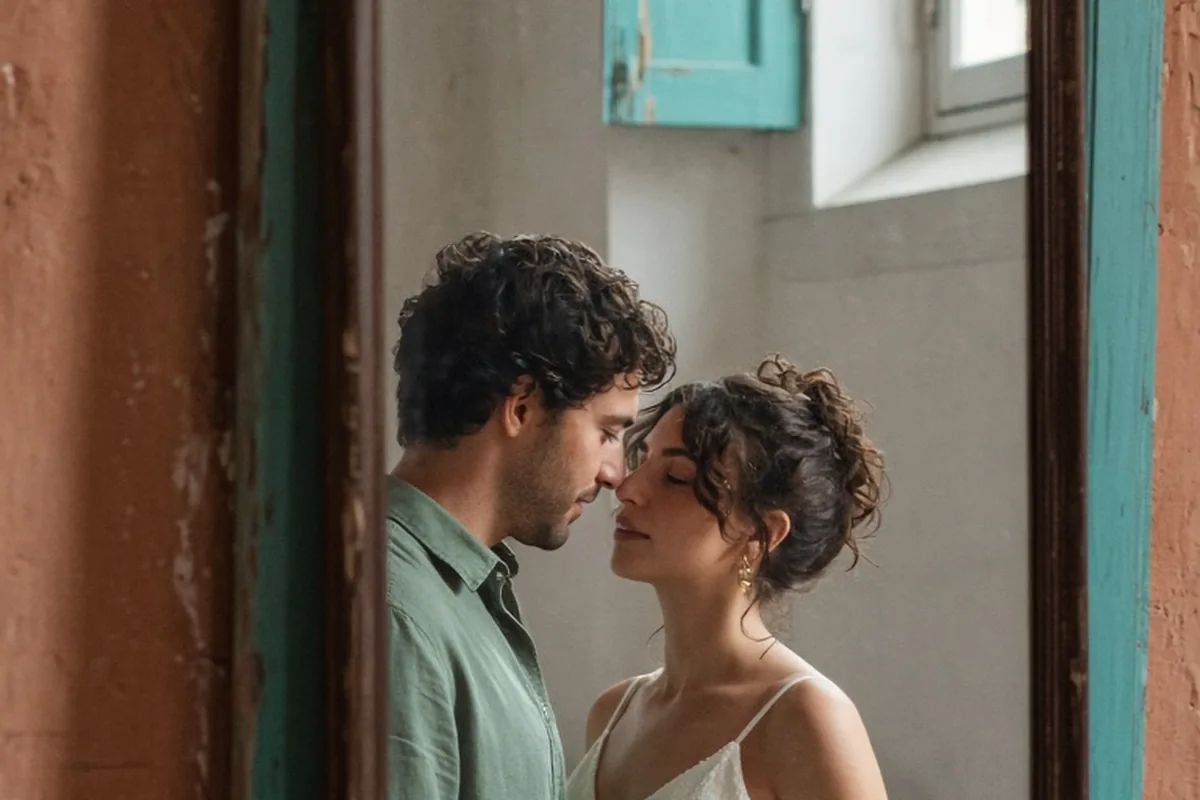
To compare courthouse wedding options, evaluate five core elements: municipal venue type (a clerk counter, designated ceremony chapel, or historic city hall), guest capacity limits, scheduling structure (walk-in queuing versus reserved appointment slots), personalization permissions for photography and vows, and total administrative fees. Reviewing your local county clerk guidelines alongside your ideal guest list will clarify whether a standard municipal ceremony or an elevated civil package best fits your vision.
Couples increasingly look to civil ceremonies for an intimate, low-stress, and cost-conscious way to marry without the extensive logistics of a traditional banquet wedding. However, municipal marriage ceremonies vary significantly depending on the county, courthouse architecture, and local administrative rules.
Choosing Between Clerk Counters, Ceremony Chapels, and Historic City Halls
The physical setting of a civil wedding is one of the most significant points of comparison between jurisdictions. Some municipal offices conduct ceremonies directly across a service counter in the county records office, treating the marriage solemnization as a straightforward administrative task. In these settings, the experience is efficient and matter-of-fact, focusing purely on legal validity rather than visual ceremony. For couples who want absolute minimalism and quick turnaround, this approach eliminates any lingering ceremonial pressure.
Other municipalities offer dedicated civil marriage rooms or historic chambers within iconic municipal buildings. Landmark city halls often feature grand rotunda stairs, ornate vaulted ceilings, stained glass, and mahogany council chambers available for civil ceremonies. Some county courthouses also maintain outdoor courtyards, manicured lawn areas, or historic gazebos specifically for civil vows. When comparing options, examine interior photographs of the exact room assigned to civil ceremonies in adjacent counties, as the aesthetic atmosphere can range from an utilitarian administrative office to an architectural showpiece without a major difference in complexity.
Comparing Guest Capacity, Witness Rules, and Attendance Restrictions
Headcount rules represent a strict logistical boundary when planning any civil ceremony. Because municipal buildings operate under standard civic fire codes and security protocols, ceremony rooms enforce rigid maximum guest counts that cannot be expanded. Many small clerk offices limit attendance to only the couple and one or two required witnesses, while larger municipal chambers may accommodate twenty to fifty guests comfortably. If having close family and a circle of friends present is non-negotiable, you must verify the maximum headcount before settling on a specific courthouse location.
Witness regulations also vary considerably by state and county jurisdiction. Certain states require one or two adult witnesses to observe the exchange of vows and sign the marriage certificate, while others require no witnesses beyond the presiding judicial officer or authorized deputy clerk. If you plan to elope completely alone in a jurisdiction requiring witnesses, you must determine whether the courthouse staff provides official witnesses or if you must arrange for outside individuals, such as hired photographers or independent coordinators, to sign the register on your behalf.
Scheduling Formats: Walk-In Queues Versus Reserved Time Slots
Courthouses structure their ceremony calendars using either fixed reservation systems or first-come, first-served walk-in dockets. A reserved appointment model provides predictability, assigning a specific arrival time and designated ceremony window. This structure allows you to coordinate professional photography, floral deliveries, family transportation, and post-ceremony dining reservations with confidence. However, popular metropolitan registry offices frequently release appointment slots weeks or months in advance, requiring early planning to secure a preferred date or Friday afternoon slot.
Walk-in systems operate on municipal docket schedules where couples arrive during specified morning or afternoon blocks, take a number, and wait for the next available judge or magistrate. While this option offers spontaneity and accommodates tight personal schedules, it introduces variability regarding wait times. On popular dates, such as Valentine's Day, New Year's Eve, or repetitive calendar dates, wait times in civil dockets can stretch for several hours. When comparing local counties, decide whether scheduling certainty or date flexibility aligns better with your overall celebration plan.
Evaluating Photography, Personal Vow, and Decor Permissions
Personalization policies differ sharply from one government building to another. While some courthouses welcome professional photographers inside the ceremony room and permit photography throughout common corridors and exterior plazas, others prohibit cameras entirely past building security checkpoints due to courtroom privacy mandates. If capturing high-quality portraits and ceremony moments is a priority, ask the county clerk directly about media restrictions, flash photography rules, and whether media equipment requires prior clearance.
The solemnization script itself also varies between locations. Standard civil ceremonies generally use a brief, pre-written secular script that takes between three and seven minutes to complete. Certain officiants and municipal judges allow couples to read personal handwritten vows or include symbolic gestures like a ring exchange, while others adhere strictly to a standardized statutory text to keep the docket moving on schedule. Similarly, handheld floral bouquets and modest boutonnieres are almost universally permitted, but freestanding arches, aisle runners, amplified music, and floral toss items are routinely banned.
Structuring the Day: Same-Day Dinners, Receptions, and Photo Tours
A civil ceremony rarely occupies more than fifteen to thirty minutes inside the building, which leaves the rest of the day open for celebration. Comparing your options requires looking beyond the municipal walls to evaluate the surrounding neighborhood. A courthouse situated in an urban center provides immediate access to public transit, historic architectural backdrops for extended portrait sessions, and diverse dining options ranging from private restaurant rooms to casual rooftop patios.
Conversely, a suburban municipal center or rural county annex may offer ample free parking and shorter lines, but fewer immediate venues for a celebratory meal. When building your timeline, consider how easily your guests can transition from the ceremony location to your secondary event space. Factoring in travel time, parking logistics between venues, and the accessibility needs of older guests ensures that the simplicity achieved by choosing a courthouse ceremony is not undone by complicated daytime transit.
Mapping Out True Civil Wedding Costs and Permit Variables
While a courthouse marriage is substantially more affordable than a traditional venue rental, understanding the total cost requires itemizing several distinct fee categories. First is the statutory marriage license fee, which is mandated by the state or county and must be paid regardless of where the ceremony takes place. Second is the municipal ceremony fee, which covers the administrative time of the clerk, judge, or court commissioner performing the service.
Additional variables can affect your final budget depending on the municipality. These include charges for certified copies of the marriage certificate needed for legal name changes or joint insurance filings, building permit fees for commercial photography on public grounds, weekend or after-hours ceremony surcharges, and optional gratuities or administrative stipends where permitted by local judicial ethics rules. Requesting a complete schedule of civil solemnization fees directly from your target county clerk ensures you have an accurate, transparent baseline before booking.
How to Audit Local County Options Before Committing
To make an informed decision between several nearby courthouses, begin by auditing their official county clerk or judicial circuit websites. Look specifically for the marriage division or civil ceremonies page to verify mandatory waiting periods between license issuance and the ceremony date, accepted forms of government identification, residency requirements, and accepted payment methods, as some government desks accept only cash, cashier checks, or money orders.
Follow up with a brief telephone call to the marriage license department to clarify unstated operational details. Inquire about the exact room used for civil vows on your target day of the week, whether security screenings prohibit metal items or large camera bags, and how early you and your guests must check in before the scheduled time. Comparing these concrete administrative realities across two or three adjacent counties will quickly reveal which location offers the right balance of visual charm, procedural ease, and logistical convenience.
Frequently asked questions
Can we get married at a courthouse in a county where we do not live?
In most US states, you can obtain a marriage license and marry in any county within the state where the wedding takes place, regardless of your home county. However, specific rules regarding out-of-state residents and county reciprocity vary, so verify your state's domestic relations laws before scheduling an out-of-area appointment.
How far in advance should we schedule a courthouse wedding?
Booking windows depend entirely on the jurisdiction. Highly popular historic city halls often open reservation calendars two to three months in advance, while smaller municipal offices accept bookings only a few weeks ahead or operate purely on walk-in availability.
What documents do we need to bring to a courthouse marriage ceremony?
Couples generally must present a valid government-issued photo identification (such as a driver's license or passport), the active marriage license paperwork if purchased in advance, any required certified divorce decrees from prior marriages, and payment for ceremony fees.
Can we exchange our own personalized vows during a courthouse ceremony?
Some municipal judges and clerks happily allow couples to share brief personal vows or exchange rings, while others must adhere strictly to standard legal text to maintain tight court dockets. Always confirm vow flexibility with the officiating office prior to your ceremony date.
Your next step
Visit your target county clerk's official website today to verify their current ceremony appointment schedule, guest limits, and mandatory waiting period requirements.