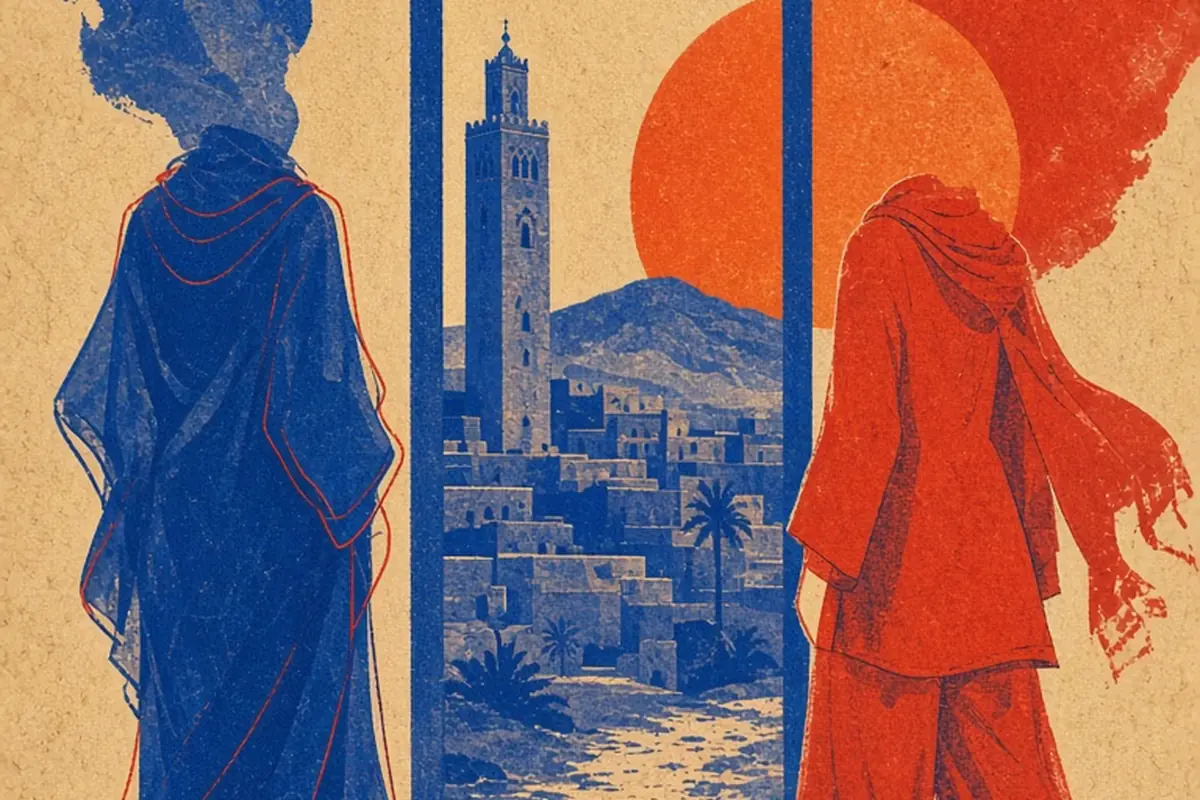
To dress comfortably and respectfully as a woman in Morocco, aim to cover your shoulders, cleavage, and knees in public areas. Opt for loose, breathable natural fabrics like linen and lightweight cotton. Flowing maxi dresses, wide-leg trousers, light midi or maxi skirts, and loose button-down shirts allow airflow in hot climates while aligning with local modesty norms across medinas, markets, and smaller towns.
Packing for Morocco often brings up competing priorities for female travelers: staying cool under intense North African sun while respecting conservative social customs. Striking the right balance is straightforward once you understand how fabric choices, silhouette, and regional settings influence daily comfort.
Understanding Cultural Norms and Social Context
Morocco is a predominantly Muslim country where modesty remains a core cultural and religious value. While tourists are not legally required to wear a headscarf or dress in traditional garments, the way you present yourself signals your awareness of local customs. In general, public spaces like historic medinas, residential neighborhoods, and traditional souks are socially conservative environments where local women typically wear djellabas or modern modest attire covering the arms, legs, and chest.
Dressing modestly also serves a pragmatic purpose. Blending in by covering your shoulders, decolletage, and knees significantly reduces casual street stares and unsolicited commentary. While modest clothing does not entirely eliminate street harassment, it establishes personal boundaries and fosters more welcoming interactions with shopkeepers, families, and neighborhood elders. Dressing thoughtfully demonstrates that you value the community hosting your journey.
Essential Wardrobe Pieces and Fabric Choices
The most effective travel wardrobe for Morocco relies on breathable, lightweight natural fibers rather than tight or synthetic athletic gear. Synthetic fabrics like polyester trap sweat against the skin and quickly become uncomfortable in dry or humid heat. Instead, pack garments made from high-grade linen, light cotton, chambray, or modal that allow air to circulate freely around your body.
Prioritize loose silhouettes that keep fabric slightly away from your skin. Flowing culottes, wide-leg linen pants, tunic tops, and tiered midi or maxi dresses provide built-in sun protection while keeping you cool. When selecting lighter-colored garments, always check them in bright daylight before packing to ensure they remain completely opaque.
A well-curated capsule wardrobe for one to two weeks should include versatile components that mix and match across different daily activities:
- Two to three pairs of loose, lightweight linen or cotton trousers in neutral tones.
- Three breathable, high-neck short-sleeve or three-quarter-sleeve tops.
- Two oversized button-down shirts that can double as light outer layers.
- Two ankle-length maxi dresses or midi skirts with modest necklines.
- One lightweight, versatile scarf or pashmina to drape over bare shoulders when needed.
- One light sweater or denim jacket for cool desert nights and air-conditioned transit.
Adjusting Outfits Across Cities, Coasts, and Rural Regions
Morocco is geographically and socially diverse, meaning dress codes vary depending on where you are. In cosmopolitan hubs like Casablanca, Rabat, and modern districts of Marrakesh (such as Gueliz), you will see local women in contemporary Western clothing, including fitted jeans and sleeveless tops. In these urban centers, you can dress slightly more casually, though maintaining moderate coverage remains the most comfortable standard.
Conversely, historic medinas in Fes, Chefchaouen, and Meknes, as well as rural villages in the High Atlas Mountains, follow much stricter traditional expectations. In these areas, revealing clothing draws immediate attention. Keep your shoulders fully covered, choose pants or skirts that fall below the calf, and avoid low-cut tops entirely. In coastal towns like Essaouira and Taghazout, surf culture creates a relaxed vibe where shorts and tank tops are common near the water, though you should cover up when stepping off the sand into the town center.
Practical Footwear for Ancient Medinas and Rough Terrain
Footwear is an essential element of your travel outfit that directly affects your safety and mobility. Moroccan medinas are pedestrian-only labyrinths paved with uneven cobblestones, slick stone steps, and occasional open drains or souk debris. Walking miles each day over uneven surfaces makes sturdy, closed-toe shoes or robust supportive sandals far superior to flimsy flip-flops or heeled shoes.
Pack at least one pair of well-cushioned, breathable walking sneakers and one pair of supportive strap-on sandals with durable soles. Leather sandals purchased locally in the souks are charming, but ensure you break them in thoroughly before walking long distances to prevent blisters. In addition, choose shoes that are easy to slip on and take off if you plan to visit carpet cooperatives, traditional guest rooms, or private homes where removing shoes at the door is customary.
Dressing for Riads, Beach Resorts, and Desert Excursions
Private accommodations and specific recreational zones operate under different social rules than public city streets. Inside your riad, hotel, or private resort, you are in a secluded environment where standard Western swimwear, tank tops, and shorts are entirely appropriate around the pool or courtyard. However, out of respect for the domestic staff, throw on a light cover-up or kimono when moving between your room and shared dining areas.
For excursions into the Sahara Desert or Agafay, your clothing must handle dramatic environmental shifts. Daytime in the dunes involves intense heat, harsh ultraviolet rays, and blowing sand, making long, loose pants and a long-sleeve cotton shirt ideal. Desert temperatures plummet rapidly after sunset, so pack warm layers, such as a fleece pullover or thermal base layer. Wrap a traditional cotton scarf (cheche) around your head and face to protect against dust during camel rides or quad biking.
Visiting Religious and Sacred Spaces
Most active mosques in Morocco are strictly closed to non-Muslim visitors. The primary exception is the magnificent Hassan II Mosque in Casablanca, which welcomes guided tourist groups outside of scheduled prayer times. When visiting this sacred landmark, conservative dress is mandatory: women must ensure their arms down to the wrists and legs down to the ankles are fully covered.
While non-Muslim women are generally not required to cover their hair at Hassan II Mosque, carrying a scarf in your bag is a sensible precaution. Furthermore, visitors must remove their shoes before stepping onto the prayer hall carpets; bringing a clean pair of socks inside your daypack ensures comfort on chilly marble floors. Outside of formal monuments, wearing a scarf around your neck gives you an immediate way to cover your chest or hair if you pass through deeply traditional shrines or sacred village areas.
Packing Smarter for Laundry, Shopping, and Luggage Limits
Carrying heavy luggage through car-free medinas with narrow alleyways and steep staircases is exhausting. Aim to travel with a carry-on or manageable duffel bag by choosing versatile pieces that wash easily and dry quickly overnight. Most riads offer laundry services for a reasonable fee, or you can hand-wash lightweight linen garments in your sink.
Leave plenty of room in your suitcase for items you might want to buy on-site. Moroccan markets are filled with beautiful, functional clothing that fits the climate perfectly. Embroidered cotton tunics, flowing djellabas, soft leather babouche slippers, and handwoven scarves are inexpensive, locally tailored, and designed specifically for the regional weather and social context.
Frequently asked questions
Do female tourists have to wear a headscarf in Morocco?
No, foreign female travelers are not legally or socially expected to cover their hair in daily public life. Carrying a light scarf in your day bag is still recommended for blocking the sun, keeping out dust, or wrapping over your shoulders in conservative areas.
Can I wear shorts or tank tops in Morocco?
Shorts and tank tops are acceptable inside private resorts, hotel pool areas, and on designated tourist beaches. On public streets, historic medinas, and rural towns, wearing them will draw unwanted attention, so loose pants or midi skirts are much better choices.
What should I wear at night in Morocco?
Evenings in Morocco can be surprisingly cool, especially in coastal cities, mountain regions, and the desert during winter or spring. Pack a versatile denim jacket, light cardigan, or pashmina shawl that pairs easily over your daytime outfits for dinner.
What is the best outfit for a desert tour?
Wear loose, full-length pants, a breathable long-sleeve cotton shirt, and closed-toe shoes to protect your skin from intense sun and blowing sand. Bring a warm jacket or fleece layer for the evening, as desert temperatures drop significantly after sunset.
Your next step
Review your travel itinerary today and assemble a capsule wardrobe centered around loose, natural fabrics with modest coverage, ensuring you pack one warm layer and broken-in walking shoes.