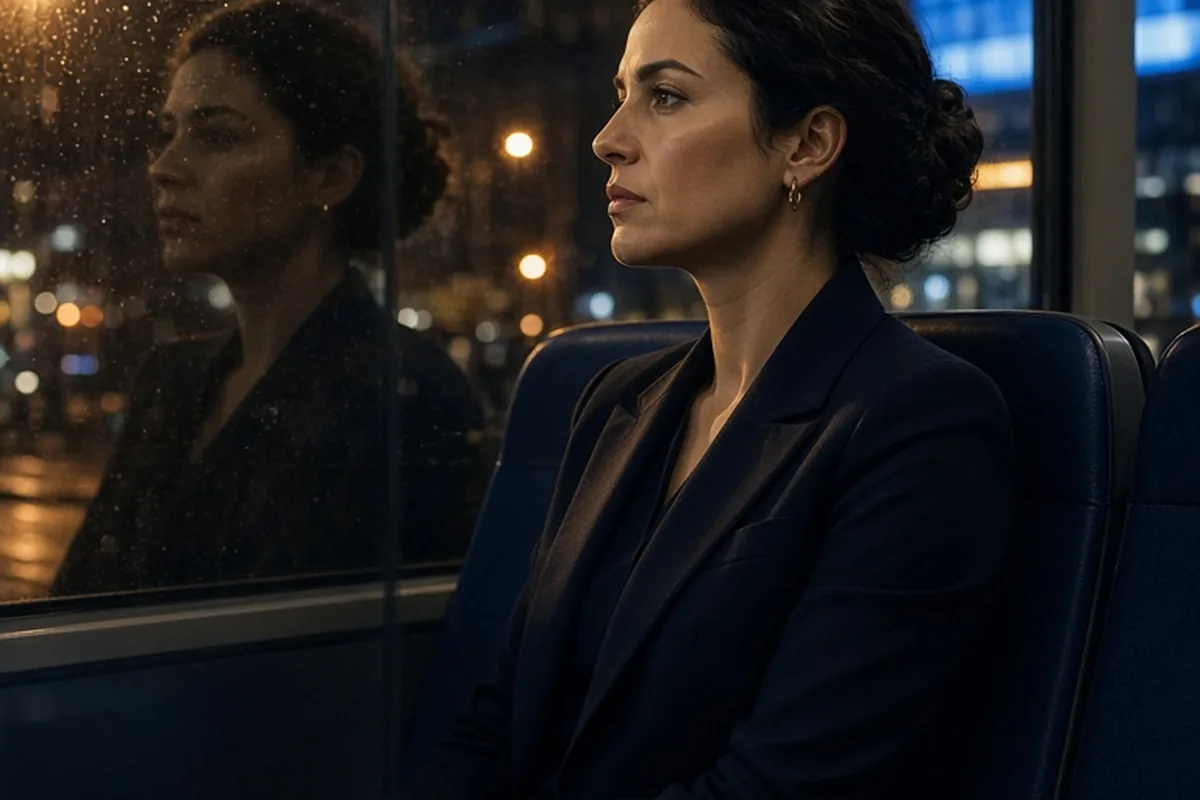
Dressing like an executive woman centers on intentional fit, structured silhouettes, and cohesive tailoring that communicate authority and poise. Prioritize sharp blazers, tailored trousers, high-quality knitwear, and polished footwear in versatile neutrals. The goal is not rigid uniformity or chasing fast trends, but curating a dependable uniform of durable fabrics and refined proportions that suit your industry and support confident decision-making.
Executive presence begins with intentionality. When you step into leadership spaces, your wardrobe should quietly reinforce your credibility, allowing your expertise and vision to take center stage without daily wardrobe fatigue.
Establish Your Signature Silhouette and Uniform
Developing a recognizable silhouette simplifies your morning routine and creates an identifiable visual standard. Executive leadership dressing is less about endless variety and more about consistency and composure. When colleagues, clients, and board members see a consistent, well-composed aesthetic, it subtly communicates focus, reliability, and self-assurance. Start by identifying the cuts and proportions that give you the greatest range of movement and confidence throughout high-stakes days.
The trade-off in building a personal uniform is resisting the urge to collect disjointed statement pieces that do not integrate into your daily workflow. A practical approach is choosing two foundation silhouettes: one pant-based ensemble and one dress or skirt combination. For example, pairing high-rise, wide-leg wool trousers with a fine-gauge cashmere crewneck creates an effortless daily baseline. Layering an architectural blazer over that same base instantly elevates the outfit for an unexpected board presentation without requiring an entirely new look.
- Structured blazers in seasonless wool or heavy crepe with defined shoulders
- Tailored straight-leg or wide-leg trousers finished with clean, precise hemlines
- Refined silk, poplin, or fine-gauge knit base layers in solid tones
- Midi-length sheath dresses or A-line skirts with structured drape
- Supportive leather footwear crafted with clean lines and minimal hardware
Prioritize Fabric Weight, Structure, and Custom Alterations
The visual distinction between generic office wear and executive dressing rarely comes down to prominent brand logos; it is almost entirely dictated by fabric structure and tailoring. Lightweight, flimsy synthetic fabrics tend to wrinkle easily, cling awkwardly, and lose their shape over an eight-hour day. Instead, invest in textiles with natural weight and memory, such as tropical wool, heavyweight silk crepe, dense ponte knit, and structured cotton blends. These fabrics drape cleanly and resist creasing during long meetings.
Off-the-rack garments are manufactured for generic proportions, meaning even premium luxury pieces often require adjustments to achieve an executive finish. Establishing an ongoing relationship with a skilled tailor is one of the highest-return investments you can make in your professional presence. Focus alterations on sleeve length so cuffs hit precisely at the wrist bone, pant hemlines measured to your exact shoe height, and jacket shoulder seams aligned with your natural frame. An accessible suit altered to your exact measurements will consistently look more commanding than an expensive designer suit with ill-fitting proportions.
Build a Cohesive Color Palette for Strategic Impact
A deliberate color palette brings clarity to your wardrobe and allows you to communicate subtle visual cues depending on your calendar. Executive wardrobes typically anchor in grounding neutrals: deep navy, charcoal gray, rich camel, crisp ivory, and soft black. These shades project composure, convey seriousness, and make mixing and matching effortless. Monochromatic dressing—pairing varying textures of a single neutral, such as an ivory silk blouse with cream wool trousers—creates an elongated, commanding visual line that feels sophisticated without being loud.
While neutral tones form the backbone, incorporating strategic accent colors can reinforce your presence during key public speaking engagements or negotiations. Rich jewel tones like emerald green, deep burgundy, sapphire blue, or plum add warmth and memorability while keeping the focus on your face and delivery. The trade-off to consider is that high-contrast neon shades or busy, chaotic prints can distract from your verbal message. If you incorporate patterns, stick to subtle, classic motifs such as fine pinstripes, micro-houndstooth, or understated windowpane checks.
Navigate Industry Dress Codes from Boardrooms to Tech Hubs
Executive dressing must adapt to industry context; dressing like a chief executive in corporate finance looks fundamentally different from leading a technology startup or a creative agency. In traditional corporate environments like banking and corporate law, structured two-piece suits, closed-toe leather pumps, and understated collared shirts remain the expectation. In these spaces, executive authority is signaled through impeccable tailoring, conservative hemlines, and premium textiles.
In contrast, wearing a rigid three-piece suit in a modern tech or creative sector can make a leader appear distant or disconnected from team culture. Executive presence in casual workspaces centers on elevated separates: a relaxed double-breasted blazer worn over a high-neck knit tee, paired with dark-wash tailored denim or pleated chinos and pristine leather loafers. The universal guideline across all industries is to dress roughly half a step more polished than the general room standard, establishing clear leadership while remaining approachable.
Curate Functional Accessories and Dependable Footwear
Accessories for an executive should balance functional utility with refined design. Your daily work bag is one of the most prominent pieces of your presentation; select a structured leather tote or top-handle briefcase that holds a laptop, documents, and daily essentials without sagging or bulging. Avoid oversized logos or excessive exterior hardware, which can distract from an otherwise clean silhouette. Maintaining consistent hardware finishes—matching the metal of your bag accents, belt buckle, watch, and jewelry—creates subtle, harmonious cohesion.
Footwear directly influences your posture, stamina, and physical comfort throughout demanding workdays. Uncomfortable shoes that cause an unsteady stride immediately compromise your poise. Choose shoes made from supple leather with supportive construction, such as modern pointed-toe flats, low block heels around two inches, tailored horsebit loafers, or sleek leather ankle boots. Regularly inspect and maintain your footwear; scuffed heels or worn soles quickly undermine an otherwise sharp presentation.
Balance Travel Durability with All-Day Polish
Modern executives frequently manage long commutes, client dinners, and multi-day travel schedules that require clothing to perform under demanding conditions. Maintaining a crisp appearance through transit requires packing and fabric strategies designed for resilience. Prioritize wrinkle-resistant weaves like high-twist wool, heavy jersey, and structured knitwear that recover quickly after hours of sitting. A tailored trench coat or structured wool overcoat serves as an essential unifying outer layer that instantly pulls together any travel look.
Temperature regulation is another practical challenge, as office environments and conference venues frequently fluctuate between cold air conditioning and warm meeting rooms. Layering lightweight, insulating pieces—such as an ultra-fine merino cardigan worn under an unlined blazer—allows you to adapt seamlessly without losing structural polish. Keeping a portable garment steamer or compact wrinkle-release spray in your travel luggage ensures that items unpacked from a suitcase can be refreshed quickly before evening commitments.
Master Garment Maintenance and Refined Grooming
The final component of executive style lies in consistent garment care and daily presentation details. Even high-end garments fail to project competence if they are rumpled, lint-covered, or missing hardware. Establish a routine of steaming garments the evening before, utilizing wide wooden hangers to preserve shoulder shapes, and rotating tailored suits to allow wool fibers to rest and naturally shed creases between wears.
Personal grooming should support your wardrobe through understated polish rather than high-maintenance complexity. A clean, dependable hairstyle that stays in place throughout long meetings, neatly manicured nails in neutral or classic tones, and balanced makeup contribute to an unhurried, capable appearance. Fragrance, if worn, should remain light and close to the skin, ensuring your executive presence is felt through your strategic contributions, leadership decisions, and professional composure.
Frequently asked questions
How can I build an executive wardrobe on a practical budget?
Focus your budget on two high-impact anchor pieces, such as a well-cut blazer and versatile wool trousers, and take them to a professional tailor for custom adjustments. You can source secondary layers like cotton shirts and fine-gauge sweaters from accessible retailers, relying on consistent fit, neutral colors, and quality care to create a high-end visual standard.
Are sneakers ever acceptable in an executive wardrobe?
In creative, startup, and technology industries, clean, minimalist leather sneakers in solid white, black, or monochrome neutrals are increasingly standard when paired with tailored trousers and a blazer. In formal sectors like law or finance, traditional loafers, pointed flats, or modest heels remain expected. Always observe the senior leadership culture within your specific organization before integrating sneakers into your wardrobe.
How do I express personal style while maintaining authority?
Express individuality through distinctive textures, sculptural jewelry, signature watch designs, or unexpected jewel-tone accents rather than rapid fashion trends. Keeping your overall silhouette structured and balanced provides a solid foundation that allows unique personal details to stand out without diminishing your professional credibility.
How many pieces do I need to create a complete executive rotation?
A highly functional executive wardrobe can be established with ten to fifteen versatile pieces in complementary colors. By combining three tailored jackets, four pairs of trousers or skirts, five quality tops, and two pairs of supportive leather shoes, you can create dozens of distinct outfit combinations suitable for an entire month of meetings.
Your next step
Audit your current work wardrobe by selecting your three best-fitting foundation pieces, identifying where minor alterations could improve their silhouette, and making a targeted list of missing essentials before adding new items.