Dressing like a modern Irish woman balances practicality, rich textures, and relaxed tailoring to handle unpredictable Atlantic weather with effortless ease. Focus on quality layering with heritage knitwear, versatile midi skirts or straight-leg denim, weather-resistant outerwear like tailored wool coats or trench coats, and walkable footwear such as leather Chelsea boots or clean sneakers, finished with understated accessories.
Contemporary Irish style has carved out a unique identity that merges timeless European elegance with an intensely practical approach to daily life. Rather than chasing fleeting micro-trends, the aesthetic relies on enduring silhouettes, tactile natural fabrics, and thoughtful combinations designed to transition seamlessly from a breezy coastal morning to an urban evening.
Mastering Layering for Unpredictable Maritime Weather
The cornerstone of Irish dressing is functional layering that accounts for shifting microclimates throughout the day. Because rain, sun, and sudden temperature drops can occur within a single afternoon, outfits are constructed in adaptable tiers rather than relying on a single heavy garment. The goal is to build an ensemble where each individual layer looks intentional on its own while contributing to a cohesive, weather-proof outfit when worn together.
Start with lightweight, breathable foundation pieces such as ribbed modal tank tops, fine-gauge merino wool crewnecks, or crisp cotton button-downs. Over this base, add an insulating mid-layer like a relaxed cardigan or an oversized crewneck sweater that can be draped over your shoulders if the sun emerges. The trade-off with heavy layering is the potential for excess bulk, so keep base layers form-fitting while allowing outer pieces to maintain a looser, more relaxed drape. For a rainy morning commute in Galway or Dublin, pairing a tucked-in supima cotton tee under a boxy knit cardigan and topping it with an unbuttoned water-resistant trench coat gives you complete temperature control without sacrificing clean lines.
Investing in Quality Knitwear and Tactile Textures
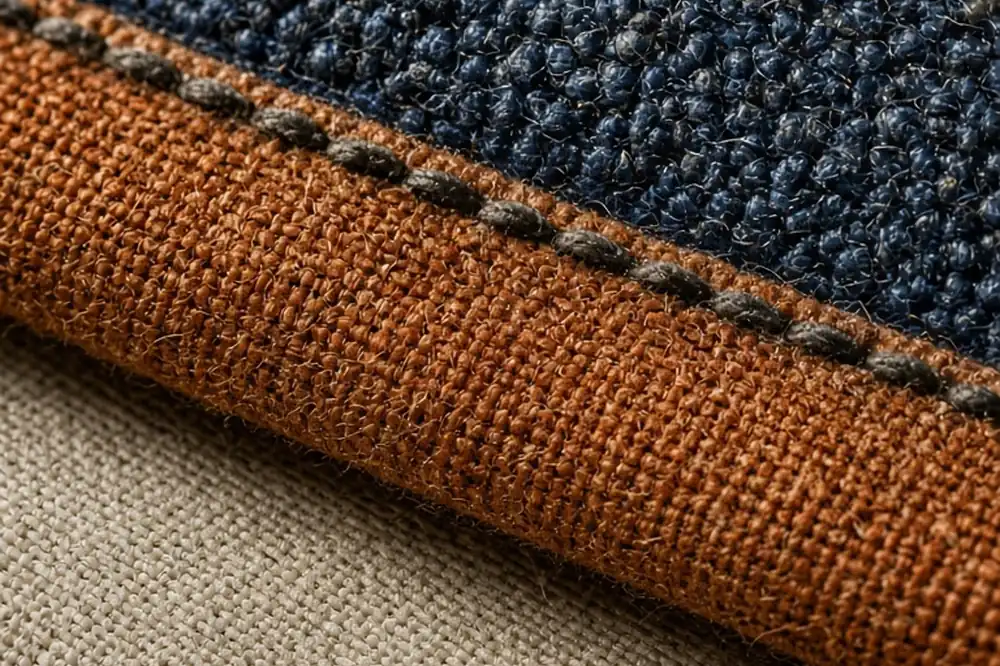
Knitwear in Ireland is not merely a seasonal necessity; it is a foundational wardrobe pillar worn nearly year-round. Modern Irish dressing celebrates rich textile heritage by incorporating chunky Aran cable knits, brushed mohair blends, and soft lambswool into both casual and formal wardrobes. Instead of saving heavy knits strictly for casual lounging, Irish women frequently style substantial sweaters alongside polished trousers or fluid silk-blend skirts to create an engaging textural contrast.
When choosing knitwear, look for pieces with structural interest, such as honeycomb stitching, dropped shoulders, or distinct ribbed collars. To style an oversized sweater authentically, balance its visual weight by half-tucking the front hem into high-waisted denim or letting a chunky fisherman jumper drape naturally over a bias-cut satin midi skirt. A potential limitation of pure wool is the care requirement, as natural fibers require gentle hand washing and regular defuzzing to maintain their shape. Selecting a garment that blends high-grade wool with a small percentage of durable fibers can provide the desired heritage aesthetic while offering easier everyday care.
Choosing Functional and Tailored Outerwear
Because coats are often the most visible element of an outfit on the streets of Ireland, outerwear is chosen with deliberate care for both structural silhouette and weather resilience. A structured, mid-calf wool coat in a classic tone like camel, charcoal, or deep navy instantly pulls together even the simplest jeans-and-t-shirt combination. For wet, transitional months, classic double-breasted trench coats and minimalist technical macs provide essential wind and rain protection while maintaining an elevated look.
Avoid overly sporty rain gear for everyday urban wear in favor of outerwear that features clean lines, horn buttons, and tailored lapels. An effective outerwear strategy involves having one relaxed, oversized wool-blend overcoat for crisp dry days and a streamlined water-repellent trench for damp mornings. If you frequently navigate tight public transit or crowded cafes, choosing a coat with a rear vent and a removable belt ensures ease of movement and versatile styling across diverse settings.
Prioritizing Walkable and Weather-Resistant Footwear
Pedestrian-friendly footwear is essential to the Irish aesthetic, shaped by historic cobblestone streets, regular walking commutes, and damp footpaths. Footwear must bridge the gap between all-weather utility and refined design, which makes sky-high stilettos or fragile canvas shoes impractical for daily life. Instead, the wardrobe centers on durable leather ankle boots, minimalist flat loafers, and versatile leather sneakers that withstand damp pavements.
A black or rich oxblood leather Chelsea boot with a low block heel and rubberized lug sole is perhaps the most ubiquitous staple, pairing effortlessly with straight-leg trousers, tailored shorts with opaque tights, or tiered midi dresses. For drier spring and autumn days, retro-inspired leather trainers or suede horsebit loafers bring a relaxed European charm to tailored denim. To preserve leather footwear in wet climates, applying a high-grade beeswax protector or waterproofing spray before the first wear prevents water stains and extends the shoe's lifespan.
Balancing Relaxed Tailoring with Feminine Shapes
A defining characteristic of contemporary Irish fashion is the effortless tension between structured tailoring and soft, romantic silhouettes. Outfits rarely adhere strictly to one sartorial extreme; rather, sharp masculine cuts are paired deliberately with fluid, feminine elements. This might mean pairing an oversized menswear blazer with a delicate slip dress, or styling wide-leg pleated trousers with a slim-fitting ribbed knit and delicate jewelry.
To achieve this balance, focus on proportions that offer comfort without looking sloppy. If you choose high-waisted, wide-leg wool trousers, keep the top half streamlined with a fitted turtleneck or a neatly tucked blouse. Conversely, if you wear an expansive smock dress or tiered cotton skirt, anchor the silhouette with a cropped leather jacket or a tailored wool jacket that defines the natural waistline. The trade-off with oversized tailoring is the risk of overwhelming smaller frames, which can be mitigated by ensuring shoulders fit properly and rolling back sleeves to expose wrists.
Working with an Earthy and Cohesive Color Palette
The prevailing color palette in Irish street style takes inspiration from the natural surrounding landscape, emphasizing organic, low-contrast tones that mix effortlessly. Shades of moss green, slate gray, oat, rich cream, espresso brown, and navy form the core base of most seasonal capsules. These muted neutrals allow for endless mix-and-match combinations while maintaining a sophisticated, calm visual aesthetic.
Accent colors are introduced thoughtfully through single focal points rather than high-contrast patterns. A vibrant cobalt blue wool scarf, an olive green leather handbag, or a rich burgundy cardigan can bring vibrancy to an otherwise neutral outfit without disrupting its overall harmony. When integrating patterns, lean toward timeless designs such as understated houndstooth, subtle checks, classic Breton stripes, or micro-florals. Keeping the color family tight makes getting dressed faster and ensures that separate garments can be re-worn in multiple configurations across different seasons.
Selecting Intentional and Functional Accessories
Accessories in an Irish-inspired wardrobe serve practical purposes while refining the overall ensemble. Because daily commutes often involve walking outdoors, accessories such as expansive wool scarves, structured crossbody bags, and sturdy umbrellas are integrated seamlessly into the daily outfit rather than treated as afterthoughts. Bags are typically constructed from supple, treated leather that resists water spots and features secure zip closures to keep essentials dry.
Jewelry remains understated and classic, favoring warm gold hoops, subtle chain necklaces, and heirloom rings that add a soft luster without feeling ornate or ostentatious. An oversized, brushed-wool scarf is a signature piece: wrapped twice around the neck over a tailored coat, it adds texture, warmth, and dimension. When choosing cold-weather accessories, prioritize natural fibers like cashmere or alpaca blends over acrylic to maximize warmth retention and reduce static build-up during frequent transitions between outdoor air and indoor heating.
Frequently asked questions
Can I wear bright colors while trying to dress in an Irish style?
Yes, but vibrant colors are typically styled as deliberate accents rather than dominating an entire look. Try incorporating a bold emerald green knit, a mustard scarf, or a cobalt bag against a neutral base of charcoal, denim, or cream.
How do Irish women style dresses during cold and rainy months?
Dresses are adapted for cold weather by pairing midi-length hems with high-denier opaque tights, waterproof leather boots, and chunky cardigans. Layering a fitted turtleneck underneath a sleeveless pinafore or slip dress is another popular technique.
What is the most essential wardrobe staple for this aesthetic?
A well-tailored, mid-calf wool or trench coat is the single most important investment piece. It instantly elevates casual base layers while providing vital protection against the elements.
Are sneakers considered fashionable for everyday wear in Ireland?
Clean, minimalist leather sneakers in white, beige, or retro colorways are widely worn for casual and smart-casual settings. They are frequently paired with wide-leg trousers, midi skirts, and tailored coats for a modern, active aesthetic.
Your next step
To begin adopting an Irish-inspired aesthetic today, audit your wardrobe for two versatile foundation pieces: a quality neutral knit sweater and a durable pair of leather boots, then build your outfits by balancing these practical staples with tailored outer layers.