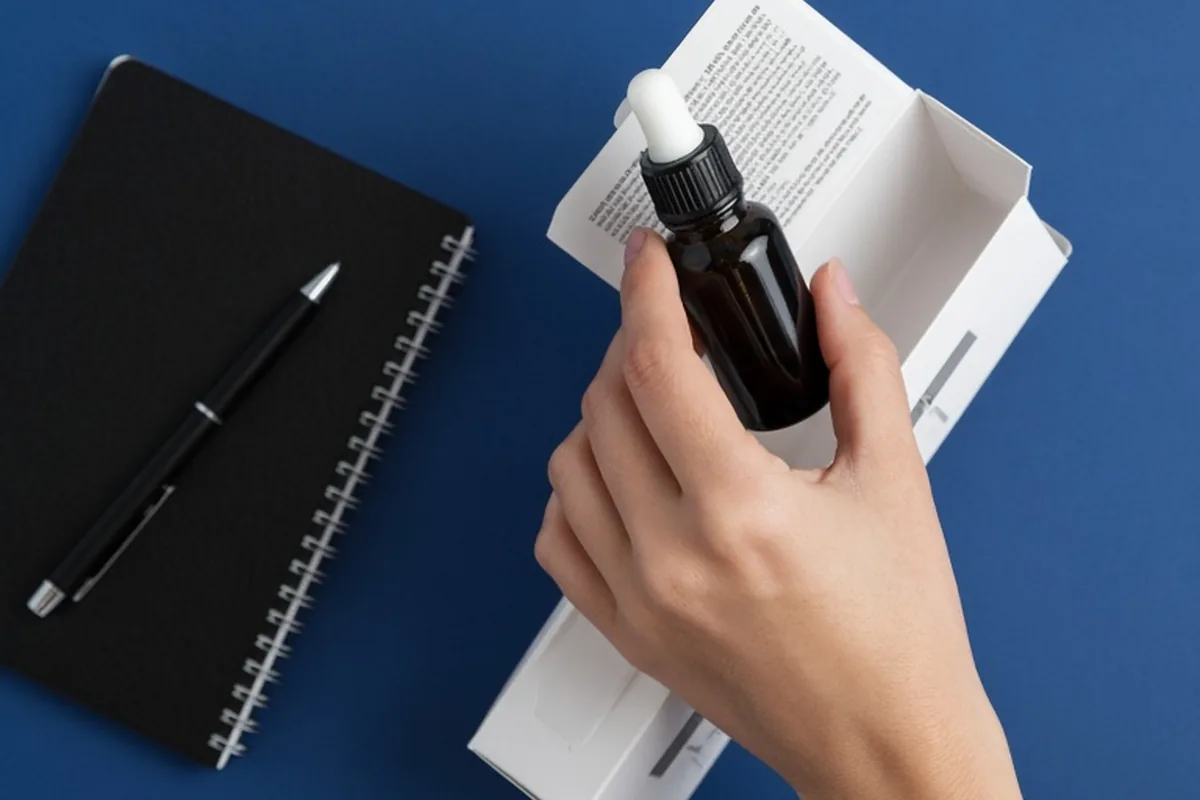
To evaluate skincare product claims effectively, look past front-label marketing and inspect the full ingredient list on the back. Identify proven active ingredients, their relative placement before or after the one percent line, and whether the formula uses stable packaging. Check whether cited results stem from controlled objective measurements or subjective consumer surveys, and ensure the product targets your specific skin goals rather than broad promises.
Navigating skincare aisles often means encountering bold statements regarding rapid rejuvenation, instant wrinkle reduction, and deep cellular repair. Understanding the mechanics behind product labeling helps you distinguish between meaningful formulation quality and persuasive marketing phrasing.
Separating Regulated Terms from Marketing Buzzwords
Skincare packaging relies heavily on unregulated descriptors designed to create an impression of purity, safety, or superior efficacy. Terms such as clean, natural, non-toxic, and dermatologist-tested do not possess standardized legal definitions in general cosmetic labeling. A brand can label a formula dermatologist-tested simply if one dermatologist reviewed or applied the formula, regardless of whether that practitioner endorsed its performance. Similarly, calling a product chemical-free is scientifically meaningless, as all cosmetic ingredients, including pure water and botanical extracts, are chemical compounds.
To assess these claims objectively, shift your focus away from emotional branding language and look for regulated classifications. In the United States, items that treat medical skin conditions, such as sunscreens, acne treatments containing benzoyl peroxide or salicylic acid, and anti-dandruff washes, are classified as over-the-counter drugs. These products must feature a standardized Drug Facts panel listing the active ingredient alongside its exact concentration. For standard cosmetics, recognizing that vague wellness terminology carries no official guarantee allows you to evaluate the product based solely on its tangible components.
Analyzing the Ingredient Deck and the One Percent Rule
The International Nomenclature of Cosmetic Ingredients, known as the INCI list, provides the most reliable snapshot of what a bottle actually contains. Regulations require manufacturers to list ingredients in descending order of concentration down to the one percent threshold. Below the one percent line, ingredients may be listed in any order. The base of most liquid products consists of water, glycerin, fatty alcohols, or light emollients, which usually occupy the top five to seven spots on the deck.
When a brand highlights a rare botanical extract or a trendy peptide as its primary selling point, check its position relative to known formulation markers. Preservatives like phenoxyethanol, thickeners like xanthan gum, or soothing agents like allantoin are almost universally used at concentrations of one percent or lower. If a heavily marketed hero ingredient appears after phenoxyethanol, it is present in a micro-dose. While certain specialized actives such as copper peptides or pure retinol can be potent even at fractions of a percent, hydration and brightening agents like niacinamide or azelaic acid generally require higher placements to match common benchmark benefits.
Scrutinizing Clinical Trials Versus Consumer Perception Studies
Brands frequently print impressive percentages on boxes, such as ninety-five percent saw smoother skin in seven days. It is critical to differentiate between consumer perception surveys and objective clinical instrumentation. Consumer perception studies simply ask participants for their subjective opinions after using a product. These surveys often involve small participant groups, lack control groups, and can be influenced by confirmation bias or the pleasant sensory texture of the moisturizer rather than genuine structural change in the skin.
Rigorous clinical evaluations, by contrast, use calibrated bio-instrumentation to measure biological variables like transepidermal water loss, cutometer-measured elasticity, or digital profilometry for wrinkle depth. When evaluating high-performance claims, check the brand website or study footnotes to determine how the data was gathered. A claim supported by independent, split-face, double-blind measurements offers far more reliability than a questionnaire completed by thirty individuals who received free merchandise.
Checking Packaging Integrity and Formulation Stability
An exceptional ingredient list can be rendered ineffective if the formula is housed in packaging that fails to protect sensitive compounds. Certain active ingredients degrade rapidly when exposed to environmental stressors like ambient light and atmospheric oxygen. Pure L-ascorbic acid (vitamin C), retinoids, and unsaturated botanical oils are particularly vulnerable to oxidation, which alters their chemical structure, reduces their potency, and can potentially make them irritating to the skin barrier.
When reviewing claims for antioxidant serums or anti-aging formulas, evaluate the physical container. Clear glass droppers or open-mouth jars expose the product to light and air each time the container is opened. Opaque bottles, airless pump dispensers, and aluminum tubes provide substantially better protection for reactive formulations. If a product claims long-lasting antioxidant power but arrives in a clear, wide-mouthed jar, the active components may lose efficacy well before you finish the container.
Evaluating Concentration Levels and the Risk of Over-Formulation
In recent years, the cosmetic market has experienced an escalation in advertised active concentrations, with brands promoting twenty percent niacinamide or extreme exfoliating acid blends. A common assumption among shoppers is that a higher percentage automatically yields faster or more pronounced improvements. In practice, skincare ingredients follow a dose-response curve that reaches a plateau, beyond which additional concentration provides minimal extra benefit while sharply increasing the likelihood of redness, peeling, and barrier disruption.
For example, extensive research on niacinamide demonstrates reliable barrier support and tone-evening properties at concentrations between two and five percent. Formulating at ten or twenty percent may appeal to shoppers looking for maximum numbers, but it frequently leads to stinging or contact sensitivity without offering proportionally superior outcomes. Evaluating claims critically means choosing balanced, well-tolerated percentages that you can use consistently over time rather than pursuing the highest available number.
Setting Realistic Timelines Based on Skin Physiology
Claims that promise overnight transformations or instant lifting should always be viewed through the lens of basic human biology. The natural epidermal turnover cycle takes approximately twenty-eight to forty days in healthy adults, and this process slows further with age. While humectants like glycerin and hyaluronic acid can instantly plump superficial fine lines by drawing moisture into the stratum corneum, meaningful changes in hyperpigmentation, collagen support, or persistent congestion require multiple cellular turnover cycles.
When assessing whether a product delivers on its promises, align your expectations with realistic biological schedules. Fading post-inflammatory erythema or dark spots typically takes eight to twelve weeks of diligent daily application alongside broad-spectrum sun protection. If an over-the-counter product claims to eliminate deep structural wrinkles or permanently erase pores in forty-eight hours, it is relying on temporary optical blurring silicones or surface-level hydration rather than permanent structural correction.
Illustrative Scenarios
Comparing Two Brightening Serums
An illustrative shopper wanted to address uneven skin tone and compared two retail serums. Serum A featured vibrant packaging boasting an instant radiance complex with rare white truffle, priced at sixty dollars. Serum B had simple packaging, listed five percent niacinamide and two percent tranexamic acid within its top ingredients, and cost twenty dollars. Upon reading the full deck of Serum A, the shopper noticed truffle extract appeared after the preservative phenoxyethanol, with mica added for temporary shimmer.
Key point: Selecting Serum B provided transparent active concentrations supported by standard dermatological use, avoiding paying a premium for micro-dosed extracts and artificial cosmetic shimmer.
Frequently asked questions
How do I know if an ingredient list is ordered correctly?
Standard regulatory guidelines require all cosmetic ingredients above one percent concentration to be listed in strict descending order by weight. Ingredients present at one percent or lower can be listed in any order at the end of the deck. Identifying standard preservatives like phenoxyethanol or potassium sorbate helps you spot where the one percent threshold begins.
What is the difference between cruelty-free and vegan claims?
Cruelty-free indicates that neither the finished product nor its individual ingredients were tested on animals during development. Vegan means the formula contains no animal-derived ingredients or byproducts, such as beeswax, lanolin, or carmine. A product can be cruelty-free while still containing animal byproducts, or vegan while lacking third-party cruelty-free verification.
Can over-the-counter skincare permanently shrink pore size?
Pore size is primarily determined by genetics, sebum production volume, and surrounding skin elasticity. No topical skincare product can physically or permanently reduce the anatomical size of pores. Products with salicylic acid or retinoids can clear debris and support elasticity, making pores appear clearer and less noticeable.
Your next step
Before purchasing your next skincare product, turn the package around to verify that the key active ingredients appear near the top of the ingredient deck and are housed in protective, light-stable packaging.