To explain hair breakage to a hairstylist clearly, describe where the snapping occurs, when it started, and whether pieces fall out without white root bulbs attached. Bring a realistic list of your recent chemical services, heat styling habits, and daily handling routines. Tell your stylist what physical changes you notice in strand elasticity or texture so they can pinpoint the cause and suggest appropriate salon treatments, trims, and at-home adjustments.
Walking into a salon with damaged hair can feel intimidating, especially when you are unsure whether your hair is shedding naturally or snapping under stress. Preparing specific observations about your daily routine and hair behavior ensures your stylist gets an accurate diagnostic picture from the moment you sit in the chair.
Distinguishing Breakage From Normal Shedding Before Your Appointment
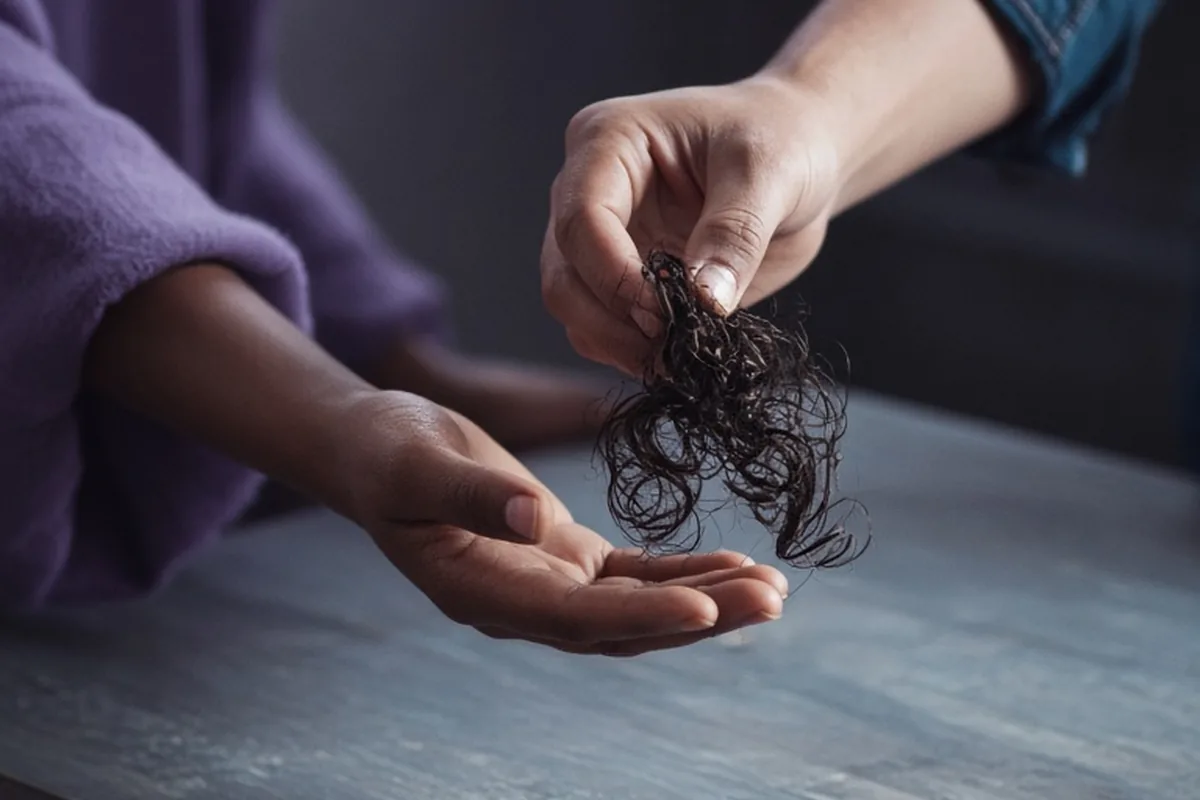
Before your salon visit, take a few days to observe the hair that comes out during detangling, washing, or brushing. Natural shedding occurs when a strand reaches the end of its growth cycle and releases from the follicle, which leaves a tiny white or translucent bulb at one end. In contrast, broken hair consists of shorter, uneven fragments with blunt, frayed, or jagged ends and no root bulb. Identifying which type of hair loss you are experiencing allows your stylist to determine whether the issue stems from follicle health or structural damage along the hair shaft.
Collect a few shed or broken strands from your brush or shower drain to examine them in good lighting. If you notice short pieces accumulating on your bathroom sink, shoulders, or pillowcase throughout the day, note that specific pattern. Telling your stylist that you see short, fractured fragments rather than full-length hairs with bulbs instantly focuses the consultation on fiber integrity, cuticle health, and tensile strength rather than scalp-level growth cycles.
Mapping the Physical Location and Pattern of Your Snapped Strands
Hair breakage rarely happens evenly across the entire scalp, and the specific zone where snapping occurs points directly toward the underlying cause. Crown breakage often indicates tension from tight ponytails, friction from sleeping, or excessive direct heat during blow-drying. Breakage concentrated around the hairline or temples usually stems from tight protective styles, friction from headwear, or over-processing around delicate baby hairs. Meanwhile, snapping along the mid-lengths or ends typically reflects cumulative chemical processing, heat tool overlap, or environmental wear.
When explaining your concerns to your stylist, guide their hands or attention directly to your trouble zones. Describe whether the hair feels rough, thin, gummy when wet, or brittle when dry in those specific areas. Pointing out localized thinning or perimeter snapping helps your stylist evaluate whether localized mechanical habits, product buildup, or previous color applications are responsible for weakening the hair shaft in those zones.
Sharing Your Chemical, Heat, and Mechanical Styling History Accurately
Stylists need a complete, non-judgmental timeline of what has been applied to your hair over the past several months or years, depending on your hair length. Disclose all chemical services, including bleaching, permanent hair color, semi-permanent glosses, relaxers, texturizers, keratin treatments, and permanent waves. Even if a chemical treatment was performed months ago, the chemically altered section remains part of your hair shaft until it is trimmed away, creating structural vulnerabilities where old and new hair meet.
Be equally candid about your daily mechanical and thermal habits. Share how frequently you use flat irons, curling wands, or blow dryers, including the general temperature settings you use and whether you apply thermal protectant consistently. Mention how often you brush, whether you detangle hair while wet or dry, the type of hair ties you wear, and whether you sleep on cotton or satin pillowcases. Complete transparency allows the professional to diagnose whether protein loss, moisture depletion, or physical friction is the primary culprit behind the snapping.
Explaining Breakage on Textured, Curly, and Chemically Processed Hair
Curly, coily, and highly textured hair patterns have unique structural characteristics that make them naturally more vulnerable to breakage. The bends, curves, and turns along textured hair shafts create natural stress points where the cuticle layer can lift, making it harder for natural sebum to travel down the strand. If you have textured hair, explain how your hair responds to detangling, whether you experience single-strand knots, and how long you keep protective styles installed between wash days.
If your hair has undergone relaxers, permanent color, or high-lift bleach on top of a natural curl pattern, describe the demarcation line where your natural texture meets the processed section. This intersection is the most common failure point for textured hair because the two textures possess different elasticity and moisture retention capabilities. Telling your stylist how your hair behaves during protective style take-downs or deep conditioning sessions gives them the context required to choose gentle detangling methods and reconstructive treatments suited to your curl pattern.
Phrases to Use in the Chair and Clarifying Questions to Ask
Clear, descriptive language bridges the gap between how your hair feels at home and how a professional assesses structural damage. Instead of saying your hair is simply damaged, use descriptive phrases such as: My hair feels like it snaps whenever I comb through it after washing; I have noticed a distinct halo of short, uneven strands along my crown; or My ends feel dry and brittle, and I find tiny pieces on my shirt after blow-drying. These specific observations give the stylist actionable clues regarding elasticity and tensile resistance.
Once you have shared your observations, invite the stylist's professional assessment by asking targeted questions. Consider asking: What do you observe when you perform a strand or elasticity test? Do you think my hair needs moisture, protein rebuilding, or both? How much compromised length must be removed today to stop splits from traveling upward? How should I modify my wash-day and styling habits at home while we restore strength? These questions keep the conversation collaborative and establish realistic expectations for recovery.
Agreeing on a Trimming, Treatment, and Maintenance Plan
Fixing hair breakage requires a balance between cutting away unsalvageable damage and rebuilding the remaining strands with salon-grade conditioning or bond-building services. Hair that has split or frayed down the center of the shaft cannot be permanently fused back together; leaving frayed ends untouched often allows the split to migrate further up the shaft, causing more severe breakage later. Discuss with your stylist how much length needs to come off immediately versus what can be addressed through a phased trimming schedule over several months.
Establish an in-salon and at-home maintenance plan that aligns with your lifestyle and budget. Ask the stylist whether a professional bond-repair treatment, deep conditioning masque, or protein-balancing service makes sense for your current strand condition. Before leaving the salon, confirm which at-home ingredients or product categories to prioritize, which mechanical habits to pause, and when to book your next maintenance trim to keep new breakage from developing.
Frequently asked questions
Should I wash my hair right before going to the salon to discuss breakage?
It is usually best to arrive with your hair in its natural, dry state using your typical styling routine. This allows your stylist to see the true texture, breakage distribution, and natural oil levels before water or salon products alter strand behavior.
What is an elasticity strand test that a stylist performs?
An elasticity test involves isolating a wet strand of hair and gently stretching it between two fingers to assess tensile strength. Healthy hair stretches and bounces back, while protein-deficient hair stretches and remains limp, and moisture-depleted or over-processed hair snaps immediately under light tension.
Will my hairstylist have to cut all my broken hair off?
Not necessarily, though trimming severely split ends is crucial to stop damage from traveling higher up the hair shaft. Your stylist will evaluate whether a dusting, a reshaped cut, or a gradual trimming schedule paired with strengthening treatments can preserve your overall length.
Can salon bond builders completely cure existing hair breakage?
Salon bond builders help reinforce internal chemical bonds and improve the tensile strength of weakened hair, reducing future snapping. However, they cannot mend ends that are already frayed or severed, which still require trimming to prevent further splitting.
Your next step
Take five minutes before your salon visit to write down your recent chemical history, heat styling habits, and the exact areas where you notice snapping so you can guide your stylist straight to the problem.