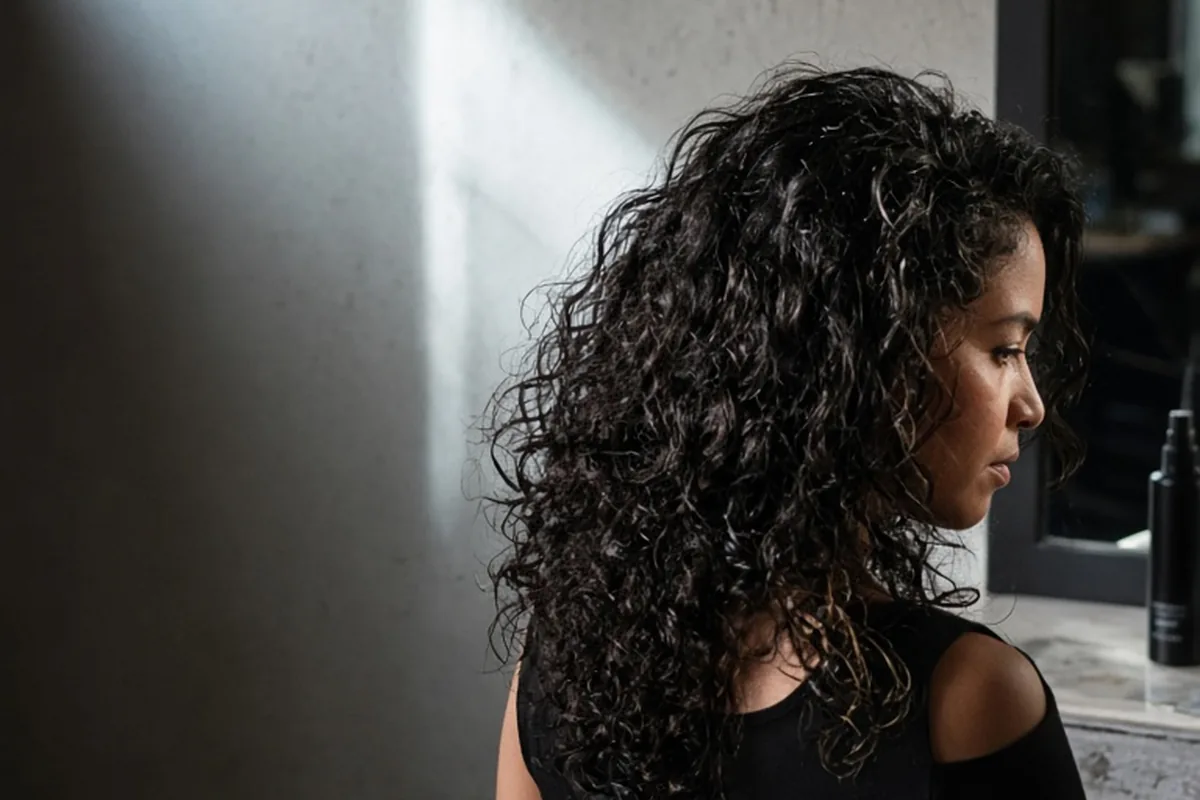
To explain high porosity hair to a hairstylist, describe how your hair behaves under water and chemical products rather than relying solely on the term itself. Tell them your hair absorbs water immediately, dries quickly or unevenly, loses moisture fast, and tends to grab hair color rapidly or process lighter than expected. Request a consultation, share your chemical and heat history, and ask for a strand test before any bleaching, color, or structural treatments.
Sitting in a salon chair with high porosity hair can feel nerve-wracking, especially if previous stylists misjudged how fast your hair absorbs chemicals or left your strands feeling parched. Learning how to translate your hair daily tendencies into clear, professional salon terms helps your stylist customize their techniques, protect your cuticle, and achieve the exact look you want.
What High Porosity Hair Means for Salon Chemical Timing
High porosity hair features a cuticle layer with gaps, raised edges, or missing scales, exposing the inner cortex to the elements. This structural openness means hair absorbs liquids, pigments, and chemical agents far more quickly than medium or low porosity hair. In a salon environment, standard processing times printed on chemical bottles often do not apply to porous hair, because developers, bleaches, and alkaline solutions penetrate the cortex almost instantaneously.
When a hairstylist applies permanent color, demi-permanent toners, or lighteners to high porosity strands, the reaction happens at accelerated speed. Toners can over-deposit pigment within minutes, turning blonde hair muddy, gray, or uneven. Conversely, bleaching agents can dissolve fragile keratin structures before the stylist finishes applying the formula across every quadrant of your head. Explaining this processing sensitivity immediately signals to a stylist that they cannot leave you under a hooded dryer or walk away during chemical processing.
Understanding this dynamic shifts the conversation from a general description of dry hair to a safety issue regarding chemical timing. A knowledgeable stylist will appreciate knowing in advance that your cuticle offers little resistance, allowing them to adjust their developer strength, drop processing times, or use lower pH formulations to avoid unintended damage.
Observable Hair Behaviors to Describe Instead of Salon Jargon
Stylists frequently encounter clients using trendy hair care terminology without a firm grasp of the underlying science. If you simply sit in the chair and say you have high porosity hair, a stylist might interpret that as generic internet buzz and overlook your specific needs. The most effective way to communicate your hair state is to describe its real-world physical behaviors under water, touch, and product application.
Tell your stylist what happens when you step into the shower. Mention whether your hair becomes drenched the instant water hits it, or if it acts like an absorbent sponge that feels heavy with water but dries completely in record time. Describe how your hair reacts to leave-in conditioners and oils; explaining that your strands absorb heavy creams immediately yet feel brittle or dry by the next morning provides concrete proof of an open cuticle that struggles with moisture retention.
You should also describe mechanical behaviors like tangling, rough texture, and elasticity issues. If your hair snags easily, forms single-strand knots, or feels like rough sandpaper when you slide your fingers upward toward the scalp, share those details. These tactile indicators tell an experienced colorist or cutter far more about your structural integrity than a generic category label ever could.
Navigating Bleach, Developers, and Permanent Color Appointments
Chemical color services present the greatest potential hazard for high porosity hair. Because the cuticle is already compromised, high-volume developers such as thirty or forty volume can cause severe breakage and chemical burns to the fiber. When discussing a color service, explicitly ask your stylist what volume of developer they plan to use and request the lowest effective volume paired with gentle, incremental lifting.
Porosity also drastically alters how hair absorbs artificial pigment. If you are going darker or adding lowlights, high porosity hair can drink up dye too aggressively, turning two or three levels darker than the swatch you agreed upon. In other cases, porous ends lack the underlying protein base needed to hold color, resulting in rapid fading after just one or two domestic washes. To prevent this, ask whether they plan to apply a porosity equalizer, protein filler, or clear glaze dilution to porous sections before depositing the main shade.
Always request a strand test if you are undergoing a major color transformation, especially a corrective color or high-lift bleach service. A strand test on an inconspicuous section near the nape allows the stylist to monitor the exact processing speed and check tensile strength when the hair is saturated, removing any guesswork from the main application.
Protecting Compromised Strands During Washing and Detangling
Mechanical friction at the salon shampoo bowl is a frequent source of hidden breakage for clients with high porosity hair. When porous hair absorbs water, the cortex swells significantly, a phenomenon known as hygral stress. In this swollen, waterlogged state, hydrogen bonds are disrupted, making the hair shaft exceptionally vulnerable to rough manipulation, aggressive scrubbing, and forceful detangling.
Ask your stylist to handle your wet hair with care from the moment you recline at the bowl. Request lukewarm or cool water rinses rather than hot water, as excessively hot water swells the cuticle further and strips vital natural lipids. You can also ask them to avoid piling your hair on top of your head to scrub, which creates severe tangles that require aggressive brushing later.
Detangling should always be performed with ample slip from a moisturizing conditioner, starting strictly at the ends and working gradually up toward the roots using a wide-tooth comb or flexible detangling brush. If you notice a stylist attempting to pull a fine-tooth comb through wet, porous curls or fragile waves, speak up immediately to prevent cuticle tears and localized snapping.
Practical Consultation Scripts for Cuts, Color, and Lightening
Having precise phrases prepared before your appointment eliminates hesitation and ensures you cover your hair history clearly. Use collaborative language that invites the stylist into problem-solving, acknowledging their technical expertise while asserting your intimate knowledge of how your hair responds to chemicals and manipulation.
For a coloring or lightening appointment, you can say: My hair has high porosity from previous coloring and heat styling. It absorbs toner and color very quickly, often coming out much darker or ashier than expected, and it lifts fast with lightener. Could we use a lower developer, apply a porosity-balancing treatment before the toner, and keep an eye on it while it processes instead of setting a fixed timer?
For a haircut or styling session, you can say: My strands are highly porous, fragile when wet, and prone to snagging. I would appreciate it if we could use lukewarm water at the bowl, apply a leave-in with good slip before detangling, and use moderate heat settings on the blow dryer. If you are doing dry cutting or texturizing, please avoid point-cutting or thinning shears through the mid-lengths, as that creates flyaways and friction tangles for my texture.
These direct scripts frame your request around specific physical risks, giving the stylist clear technical boundaries without sounding confrontational or demanding.
Selecting Salon Deep Conditions, Bond Builders, and Protein
Salons offer a wide menu of add-on treatments, but not every treatment benefits high porosity hair. High porosity strands generally suffer from two deficits: missing internal keratin structural bonds and an inability to hold external surface moisture. Understanding the difference between bond-building services, protein reconstructors, and deep moisture masks ensures you invest in treatments that actually repair rather than overload your hair.
Bond-building treatments work internally to rebuild cross-linking disulfide bonds damaged by chemical processing, bleaching, or heat. These are highly beneficial for high porosity hair prior to or during a lightening service. However, bond builders do not moisturize hair. If your stylist applies a bond builder without following up with an intensive emollient and humectant treatment, your hair can still feel stiff and dehydrated.
Protein treatments help patch missing cuticle areas, temporarily restoring tensile strength and curl definition. However, applying concentrated protein to hair that is already stiff or dehydrated can lead to protein overload, making strands brittle and prone to snapping. Ask your stylist whether the treatment they recommend is protein-heavy or moisture-focused, and aim for a balanced regimen that pairs structural repair with deep, emollient conditioning.
Evaluating Stylist Reactions and Recognizing Salon Red Flags
A consultation is a two-way evaluation. While you are explaining your hair tendencies, pay close attention to how the stylist receives your information. A professional, client-centered stylist will listen attentively, touch your dry hair to assess the cuticle texture, ask follow-up questions about your past color and heat habits, and visibly adjust their service plan to accommodate your hair fragility.
Be wary of clear red flags during the consultation. If a stylist dismisses your warnings with statements like all hair processes the same on my timer, or insists on using high-volume developers on pre-lightened, porous hair, your strands are at risk. Similarly, a stylist who refuses to perform a strand test when you express hesitation about hair integrity, or who roughly rips a fine brush through your wet hair, demonstrates a disregard for mechanical safety.
Remember that you have the right to pause or stop an appointment at any time before chemicals are applied. If a stylist appears impatient, refuses to explain their plan, or makes you feel uncomfortable for advocating for your hair, politely decline the chemical portion of the service. Protecting your hair cuticle from irreversible chemical breakage is far more important than avoiding an awkward social moment.
Frequently asked questions
Can a hairstylist tell if my hair is high porosity just by looking at it?
A stylist cannot confirm porosity simply by looking at your hair from a distance. However, an experienced professional can identify high porosity by feeling the dry strand texture, checking for cuticle roughness, observing how quickly it wets down, and assessing elasticity.
What salon products should I ask my stylist to avoid on high porosity hair?
Ask your stylist to avoid harsh clarifying shampoos without moisturizing agents, forty-volume developers, and aggressive alcohol-based styling products. Additionally, ask them to skip excessive heat from flat irons without prior application of a quality heat protectant.
Should high porosity hair be cut wet or dry at the salon?
Both methods work, but dry cutting or damp cutting with minimal tension is often preferable for textured high porosity hair. Wet hair stretches significantly and hides its natural shrinkage and damage, making dry cutting more accurate for shaping and removing split ends.
How often should I get salon treatments for high porosity hair?
In-salon bond building or deep conditioning treatments are typically beneficial every four to six weeks, or alongside any chemical color touch-ups. At home, you can maintain results with weekly deep conditioning and consistent leave-in moisturizers.
Your next step
Before your next salon visit, write down three observable behaviors of your hair and call the salon ahead of time to book an extra ten-minute consultation dedicated to discussing chemical formulation and timing.