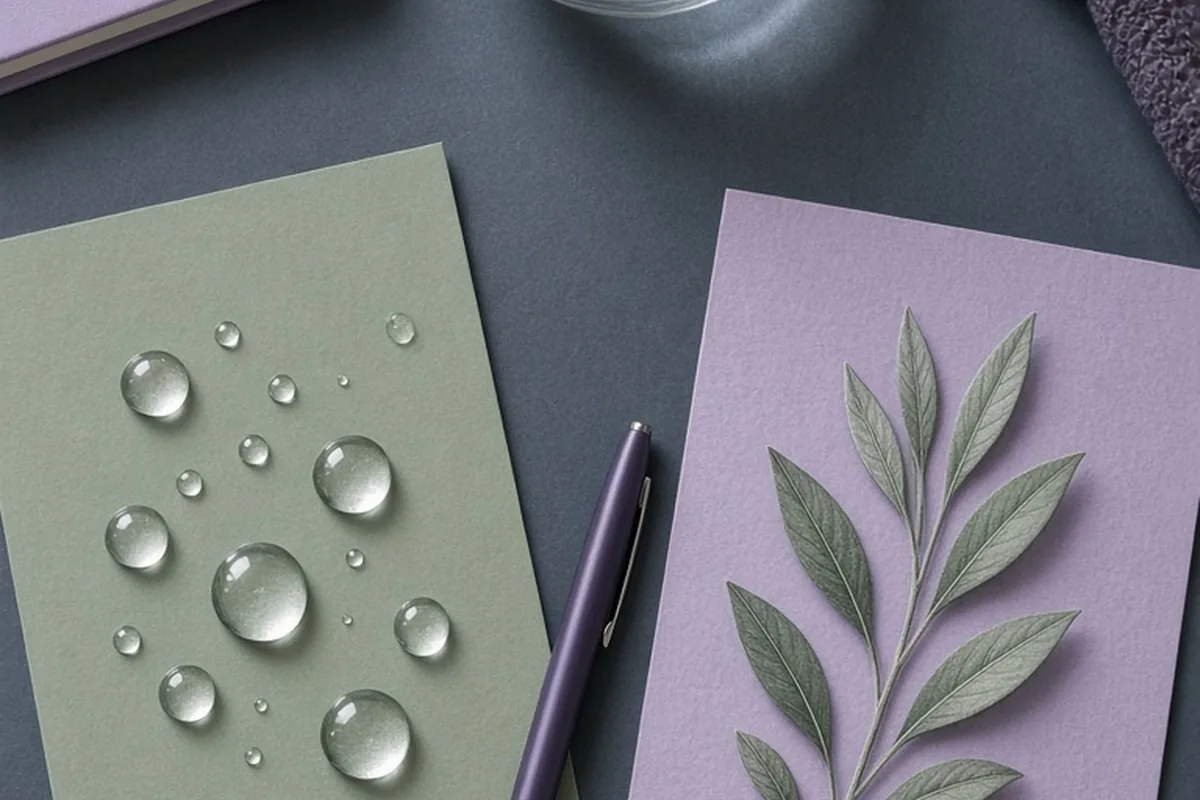
To explain low porosity hair to a hairstylist, describe how your hair behaves rather than relying on technical jargon alone. Tell them your cuticles lie flat and resist moisture, causing water to bead up and taking prolonged time to fully saturate or air-dry. Mention that heavy oils and rich butters sit on top of your strands instead of absorbing, leading to rapid buildup. Finally, ask them to incorporate indirect heat or steam for deep conditioning and adjust processing times for color or chemical services.
Sitting in a salon chair can feel daunting when previous appointments left your hair weighed down, crunchy, or undertreated. Stylists work with diverse textures every day, but porosity dictates how formulas penetrate the hair shaft. Translating your daily routine observations into professional salon language bridges the gap between your hair's unique structure and your stylist's technical application.
Describing Your Hair's Water Resistance at the Shampoo Bowl
The most immediate way to demonstrate low porosity to a stylist is by describing what happens during washing. Low porosity hair features tightly bound, overlapping cuticle scales that lay flat against the hair shaft, acting like a waterproof shield. When you sit at the salon shampoo bowl, an assistant might wet your hair for thirty seconds, assume it is saturated, and apply shampoo, only for the cleanser to lather unevenly over dry inner sections. Explaining this mechanical quirk upfront saves time and prevents wasted product.
You can tell your stylist that your strands actively repel moisture before soaking it in. Explain that water beads on the surface of your hair like droplets on glass, and that fully saturating your hair requires several minutes of continuous, warm water flow combined with gentle sectioning. Mentioning that lukewarm or cool water simply bounces off helps them understand why warmer water is necessary to gently expand the cuticle layer.
Drying behavior is the second half of this water dynamic. Share your typical air-drying timeline with specific numbers. If your hair takes four, six, or eight hours to dry naturally after washing, tell them directly. Stylists understand that extended drying time indicates tightly sealed cuticles that lock water inside once moisture finally penetrates, which helps them allocate sufficient time for the blowout or diffuse process without scorching your strands with rushed, high heat.
Explaining Product Buildup, Film Formation, and Protein Sensitivity
Low porosity hair frequently suffers from topical buildup because large molecular ingredients cannot pass through the dense outer cuticle layer. In a salon environment, stylists often reach for rich, restorative formulas containing heavy butters, thick silicones, or dense plant oils. If applied to low porosity strands, these ingredients accumulate on the perimeter of the hair shaft, producing a sticky, dull film that resists clean styling and leaves the hair feeling limp or greasy within hours.
Describe this phenomenon by explaining how products feel on your hair rather than merely listing ingredients. You might state that heavy shea butter, raw coconut oil, or dense leave-in conditioners sit visibly on your strands, attract dust, and cause flaking. Let the stylist know that your hair responds far better to lightweight humectants such as aloe vera, glycerin, and water-based leave-in mists that evaporate cleanly without suffocating the strand.
Protein sensitivity is another essential factor to address during product selection. Many standard salon deep conditioners and reconstructing masks rely heavily on hydrolyzed wheat, soy, or keratin proteins designed to patch porous hair damage. When applied to low porosity hair, excess protein hardens on the surface, making the hair feel brittle, stiff, and prone to snap. Ask your stylist to inspect the treatment label and steer toward moisture-dominant formulations with minimal added protein.
Requesting Heat and Steam to Maximize Salon Conditioning Treatments
In traditional salon appointments, deep conditioners are often applied at the shampoo bowl and left to sit at room temperature for five to ten minutes. For low porosity hair, this passive method yields minimal benefit. Because the cuticles remain closed at ambient room temperature, the active conditioning agents wash straight down the drain without penetrating the cortex, leaving you with an expensive service that produced no tangible hydration.
To get real value from a salon conditioning treatment, request moist heat or steam to mechanically open the cuticle layer. You can ask if the salon offers a hooded steamer, a micro-mist machine, or a hooded dryer that can be paired with a disposable plastic cap. Explain that gentle, indirect heat provides the thermal energy required to lift the stubborn cuticle scales, allowing water and conditioning molecules to slip underneath before the hair is rinsed.
Detailing your rinse preference is equally valuable. Explain that once the thermal treatment finishes, you prefer a lukewarm rinse rather than freezing cold water. While cool rinses are widely praised for sealing the cuticle, overly cold water can cause low porosity hair to lock up abruptly, trapping residual conditioning oils on the surface and creating a waxy texture. A balanced lukewarm rinse clears excess residue while letting the cuticles settle naturally.
Navigating Color, Lighteners, and Chemical Processing Timelines
Chemical services such as permanent color, highlights, balayage, glosses, and permanent texture treatments rely entirely on breaking past the cuticle to alter internal melanin or keratin bonds. Low porosity hair presents a unique challenge: the tightly compacted outer layer resists chemical penetration, which can cause processing agents to work significantly slower than manufacturer guide times predict.
When planning a color service, emphasize that your hair historically resists lifting or absorbs tonal deposits unevenly. Stylists unfamiliar with your hair might mistakenly jump to higher developer volumes, such as thirty or forty volume peroxide, attempting to force the cuticle open through aggressive chemical action. Informing them about your porosity allows them to choose a gentler, progressive approach, such as using a lower developer with extended processing time or applying gentle, indirect heat under strict observation.
Always request a strand test prior to full chemical application. A strand test isolates a discrete half-inch section of hair, allowing the stylist to observe exactly how many minutes your cuticles take to accept the formula. This test reveals whether the chemical lifts evenly, whether the tone deposits correctly, or whether the strand displays resistance, eliminating guesswork and preventing chemical damage on your full head of hair.
Guiding Styling Product Application and Thermal Blowout Techniques
The finishing phase of a salon visit is where many low porosity clients experience disappointment. Stylists frequently apply silicone-dense serums and heavy thermal creams to prepare the hair for blow-drying and flat-ironing. On low porosity strands, these occlusive products fail to absorb, causing the hair to smoke excessively under hot tools, smell burnt, or fall flat without movement.
Guide your stylist toward lightweight thermal protectants formulated with water-soluble bases. You can explicitly request that they apply styling products to soaking wet hair rather than towel-dried hair, as residual moisture helps dilute and distribute the product evenly across stubborn strands. Ask them to use quarter-sized amounts or mist applications rather than thick pumps of cream, working in small, meticulously separated sections.
When discussing mechanical heat styling, clarify your boundaries regarding tool temperature. Because low porosity hair already retains moisture once fully wet, rushing the blowout with maximum iron heat can boil trapped water inside the cortex, causing bubble hair or structural fractures. Suggest drying the hair thoroughly on medium heat with consistent tension before touching it with any flat iron or curling wand.
Handling Stylist Pushback and Setting Clear Hair Boundaries
Not every stylist is thoroughly trained in porosity dynamics, and some may dismiss porosity as an internet trend or insist that curl pattern and density are the only relevant metrics. If a stylist dismisses your explanation, remain calm and redirect the conversation back to your lived physical outcomes rather than theoretical hair science. Concrete statements about past salon failures are difficult to argue against.
You can say, 'I understand that curl pattern matters, but every time heavy butter-based treatments or high-heat keratin services are applied to my hair, it turns crunchy, dull, and takes weeks to recover. I want to stick to lightweight hydration and verify how my hair reacts.' This framing shows that you respect their styling skills while asserting firm ownership over your personal hair history.
Recognize red flags during the initial consultation. If a stylist refuses to perform a requested strand test, insists on applying an expensive keratin reconstruction treatment without explaining its protein content, or rushes through the wet-down process without verifying saturation, you have the right to pause the appointment. You can downgrade your booking to a simple dry cut or consult another professional who respects client collaboration.
Frequently asked questions
How can I tell if my hair is low porosity before talking to my stylist?
Notice how your hair behaves during normal wash days at home. If water takes several minutes of continuous spraying to saturate your strands, products sit on the surface like a slippery film, and your hair requires several hours to air-dry, you likely have low porosity hair.
Should I wash my hair before arriving at the salon?
Arrive with hair that is relatively clean and free from heavy oils or thick edge controls. If you have substantial product buildup, tell your stylist so they can start with a clarifying shampoo, which removes barriers on the cuticle before any cut, color, or treatment begins.
Why do restorative salon treatments make low porosity hair feel brittle?
Many restorative salon masks contain concentrated hydrolyzed proteins designed to fill gaps in damaged, high porosity hair. Because low porosity hair has intact, tightly closed cuticles with few gaps, excess protein accumulates on the outer layer, hardening the strand and making it feel stiff or brittle.
Can a hairstylist test my porosity at the station?
Yes, a stylist can assess porosity by performing a tactile slide test on a dry strand, sliding their fingers from the tip up toward the scalp. Smooth, slick movement indicates flat, low porosity cuticles, while rough resistance suggests raised, high porosity cuticles. They can also observe how fast a water droplet absorbs into an unconditioned strand.
Your next step
Write down your specific wash-day observations regarding water saturation time, air-drying duration, and past product reactions, then request an extra five-minute consultation at the start of your appointment to review them before any water or chemicals touch your hair.