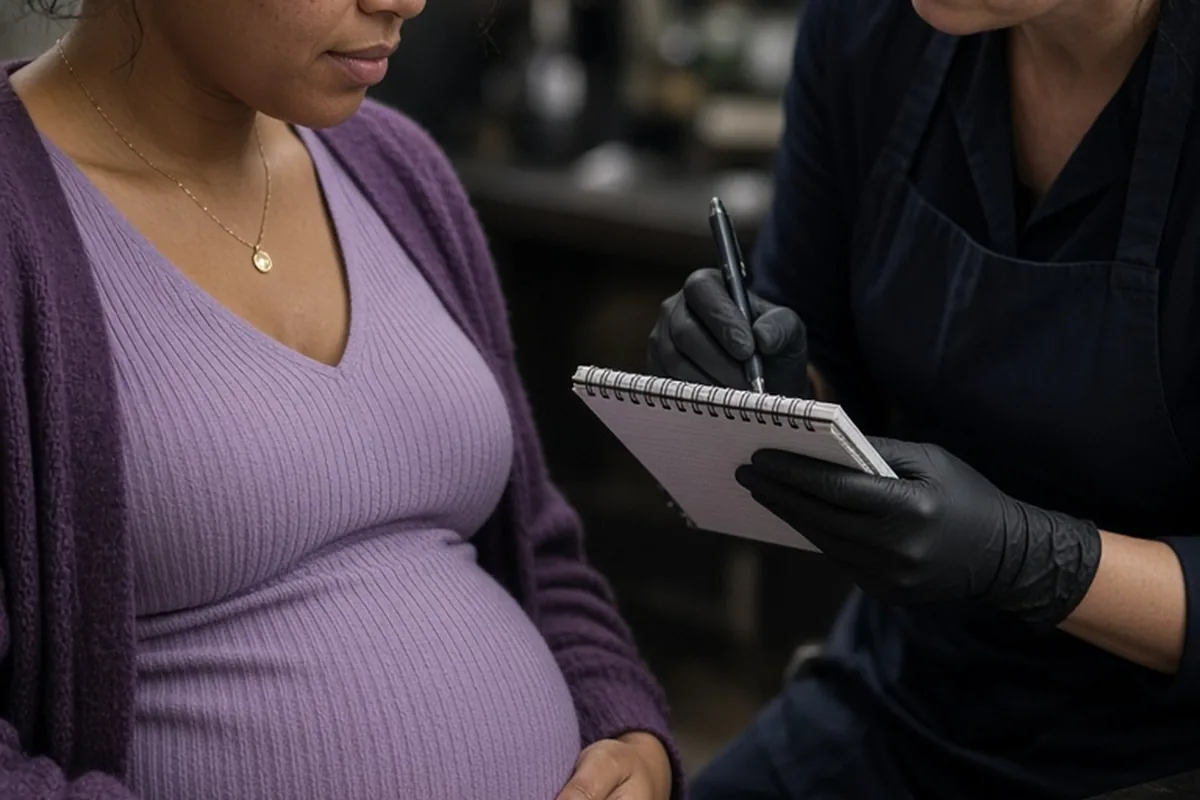
To explain maternity hair changes to a hairstylist, describe the specific physical shifts you notice rather than using technical terms. Tell them whether your hair feels unusually dry, oily, coarse, or brittle, point out areas of shedding or uneven regrowth around your hairline, and mention any scalp sensitivity. State your current pregnancy stage or postpartum timeline, how much daily styling time you realistically have, and any chemical or fragrance preferences.
Hormonal fluctuations during pregnancy and the postpartum period significantly alter hair density, growth cycles, oil production, and curl behavior. Communicating these shifts clearly ensures your stylist selects appropriate techniques, products, and maintenance schedules that protect fragile strands and suit your current routine.
Describing Observable Shifts in Hair Texture, Density, and Curl Pattern
When sitting in the salon chair, the most effective way to help your stylist understand what your hair is experiencing is to focus on observable, tactile changes. Hormonal shifts can alter the diameter of individual hair shafts, sebum production at the scalp, and even the natural curl pattern. Instead of guessing the biological mechanism, explain how your hair behaves differently during washing, detangling, and air-drying compared to your baseline before pregnancy or delivery.
If you notice that your strands feel parched despite using your regular conditioner, describe the sensation as increased porosity, rough cuticle texture, or chronic dryness. If your hair feels limp and weighed down by midday, let the stylist know that your scalp oil output has increased. For those with naturally wavy, curly, or coiling hair, maternity hormones can cause patterns to loosen into softer waves or tighten into uneven textures across different zones of the head. Point out these specific zones, such as looser curls at the crown or tighter coils at the nape.
Postpartum shedding, commonly occurring several months after birth due to shifting estrogen levels, often creates distinct density changes. Rather than simply stating your hair is falling out, show your stylist where the loss is concentrated. Thinning frequently clusters around the temples, front hairline, and crown. Pointing out short, upright baby hairs helps the stylist identify active regrowth zones so they can design a cut that incorporates these shorter pieces without accentuating sparse patches.
Communicating Scalp Sensitivity and Comfort Needs During Maternity Services
Maternity brings systemic changes that extend directly to scalp reactivity and physical comfort in the salon. Increased vascularity and heightened immune responses can make a previously resilient scalp tender, reactive, or prone to sudden redness and itching. Informing your stylist about these shifts before they touch your hair allows them to adjust water temperature, tension during detangling, and product selection.
Tell your stylist directly if gentle brushing or normal shampooing has started to feel uncomfortable at home. This cues them to use wide-tooth detangling tools, apply lighter pressure at the shampoo bowl, and avoid harsh mechanical exfoliation or clarifying scrubs that could compromise an inflamed skin barrier. If strong scents trigger nausea or headaches during pregnancy, request fragrance-free or mildly scented cleansing and styling formulations prior to product application.
Physical positioning also requires clear communication. Lying flat back across a standard shampoo basin can compress blood vessels or cause neck strain, particularly in later trimesters. Ask your stylist for a folded towel to support your neck, request occasional upright breaks during lengthy services, and let them know if you need to stand and adjust your posture during a long cut or foil placement.
Navigating Hair Color, Bleaching, and Chemical Treatments Safely
Chemical services such as permanent coloring, lightening, perms, and keratin treatments interact differently with maternity-altered hair. Shifts in hair porosity and oil distribution can cause color to deposit unevenly, lift faster or slower than expected, or fade prematurely. When discussing chemical services, specify whether you want to maintain your existing routine or transition to a lower-maintenance approach that requires fewer salon visits.
Explain to your colorist whether you prefer on-scalp or off-scalp techniques. Many pregnant clients prefer off-scalp methods like balayage, traditional highlights, or root melts to minimize direct contact with the scalp and extend the time between appointments. If you are covering grays, ask about gentle demi-permanent formulations or strategic blending techniques that soften harsh regrowth lines, allowing you to space out visits as your schedule becomes more demanding.
Requesting a strand test and patch test is a prudent step before undergoing significant lightening or permanent processing during maternity. A strand test reveals how your altered hair cuticle reacts to developer strength and pigment absorption, eliminating surprises like unexpected brassiness or uneven color take. It also gives your stylist the data needed to lower developer volumes or incorporate bond-building additives to protect fragile fibers.
Tailoring Maternity Hair Consultations for Textured, Coiled, and Relaxed Hair
Clients with textured, coiled, or chemically relaxed hair face distinct considerations when navigating maternity hair changes. Hormonal shifts can alter the elasticity of coily hair, making it more vulnerable to mid-shaft breakage, split ends, and moisture depletion. During your consultation, clarify how your shrinkage, elasticity, and detangling time have changed over recent months so your stylist can recommend suitable protective methods.
If you typically wear your hair in protective styles such as braids, twists, or locs, discuss tension management with your stylist. Postpartum hair around the perimeter is particularly fragile, making high-tension installations risky. Clearly instruct your stylist to leave edges and fragile temple areas loose or to apply minimal tension to avoid traction-related damage on shedding-prone follicles.
For clients who maintain chemical relaxers or texturizers, discuss stretching touch-ups or adjusting application boundaries. If you are experiencing uneven texture or postpartum shedding, applying relaxer chemicals near fragile, regrowing follicles can exacerbate thinning. Your stylist can help you design a transition plan, introduce deep conditioning steam treatments, or implement low-manipulation styles that maintain moisture balance while protecting tender new growth.
Scripting Your Salon Consultation from Booking to the Styling Chair
Structuring your conversation with clear phrases helps eliminate ambiguity and ensures you and your stylist share identical expectations. Preparation begins at the time of booking: add a brief note in the appointment notes indicating that you are experiencing maternity-related hair and scalp changes so the salon can allocate sufficient consultation time.
When seated in the chair, open the conversation with a straightforward framing statement. You might say: 'My hair texture and density have changed significantly over the last several months due to pregnancy and postpartum recovery. I am dealing with extra dryness through the mid-lengths, some thinning at the temples, and a tender scalp. I need a plan that works with these changes and fits a quick daily styling routine.'
Bring along reference photos that show your hair at its baseline alongside photos of realistic styles you admire today. If you have noticed new growth sprouting around your face, point directly to it and ask: 'What is the best way to shape these baby hairs into the overall cut so they do not stick out when I pull my hair back?' This prompts the stylist to offer functional shaping solutions rather than standard, rigid cuts.
Selecting Low-Maintenance Haircuts and Realistic Daily Styling Routines
A haircut designed for maternity must account for the practical realities of your current lifestyle and changing hair mechanics. Many individuals experience significant reductions in available styling time, requiring shapes that look intentional when air-dried or gathered into low-manipulation styles. Be completely honest with your stylist about the exact number of minutes you can dedicate to your hair each morning.
Strategic cutting techniques can effectively mask uneven density and blend awkward regrowth. Soft curtain bangs, bottleneck fringe, or subtle face-framing layers can integrate short, regrowing temple hairs seamlessly into the surrounding lengths. If overall density has temporarily decreased, internal weight removal should be minimized; blunt perimeters or soft beveling often create the visual appearance of fuller, thicker ends.
Discuss heat styling boundaries and daily product use. If you rely heavily on topknots or ponytails due to convenience, ask your stylist to demonstrate gentle securing methods, such as silk scrunchies or French hair pins, that distribute tension without snapping delicate strands. Work together to choose multifunctional products—like a hydrating leave-in conditioner that doubles as a curl refresher or detangler—to streamline your home care regimen.
Illustrative Scenarios
Illustrative Consultation: Adapting to Postpartum Texture and Regrowth
A client six months postpartum noticed significant shedding along her front hairline and irregular curl loosening at the crown. During her consultation, she brought photos of her pre-pregnancy hair, pointed out the two-inch upright baby hairs near her temples, and stated that her daily styling window was limited to five minutes. Her stylist evaluated her hair elasticity, switched to a lower-ammonia gloss to blend her tone without scalp contact, and cut soft, blended curtain layers that naturally incorporated the temple regrowth while preserving baseline thickness.
Key point: Communicating concrete lifestyle limits and pointing out specific regrowth zones allows a stylist to customize perimeter shaping and color placement rather than relying on a rigid, high-maintenance template.
Frequently asked questions
When should I tell my hairstylist that I am pregnant or postpartum?
You should let your stylist know at the start of your consultation or when booking the appointment. This allows them to allocate extra consultation time, adjust chemical formulations, choose gentler styling techniques, and accommodate comfort needs like basin cushioning or fragrance sensitivities.
Can my hairstylist fix uneven postpartum baby hairs without cutting my hair short?
Yes. Stylists frequently use soft face-framing layers, bottleneck bangs, or wispy perimeter texturizing to blend short regrowth into your existing length. These techniques conceal sprouting baby hairs without requiring you to sacrifice your overall hair length.
Is it normal for hair color to process differently during pregnancy?
Yes, changes in hair porosity, moisture balance, and scalp temperature can cause hair color to deposit darker, lift slower, or fade faster than usual. Asking for a quick strand test before a full color service helps your colorist adjust developer strength and formulation accurately.
How can I protect my edges if I get protective styles postpartum?
Ask your braider or stylist to use low-tension installation techniques and to leave fragile hairline and temple hairs out of tight grips. Avoid heavy extensions that pull on sensitive follicles, and opt for lightweight, low-manipulation styles during peak shedding phases.
Your next step
Before your next salon visit, write down the three most noticeable physical changes in your hair texture, scalp comfort, and daily styling limits so you can review them clearly with your stylist in the chair.