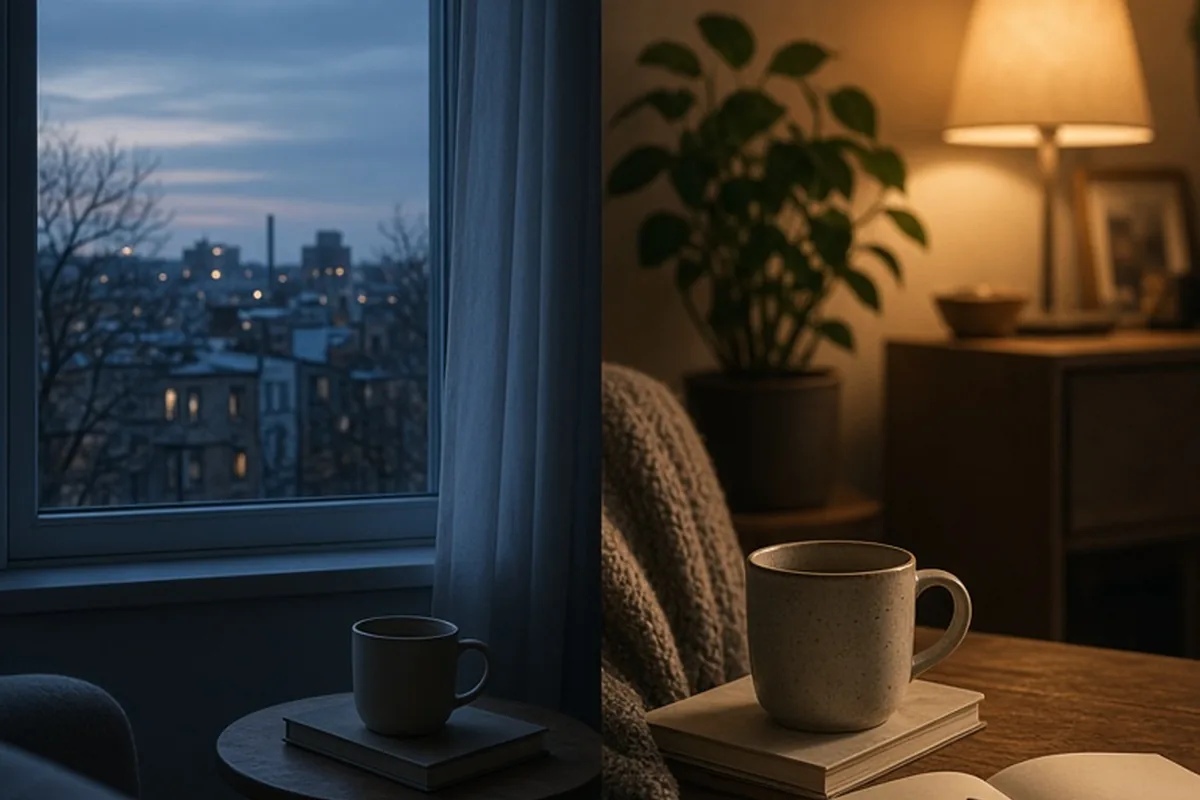
Fighting loneliness while self-isolating starts with recognizing that the feeling is a signal, not a flaw. You can ease it by scheduling real social contact, creating daily structure, finding purposeful activity, and allowing yourself to grieve the loss of normal life. No single strategy erases loneliness entirely, but combining several consistent habits can meaningfully reduce its weight.
Pandemic self-isolation strips away the casual, unplanned moments that quietly sustain us: the hallway chat, the coffee shop background hum, the shoulder bump from a stranger on the subway. When those disappear all at once, the silence can feel startling. The good news is that loneliness, however uncomfortable, responds to deliberate action, and you have more tools than you might think.
Understanding What Loneliness Actually Is
Loneliness is not the same as being alone. You can feel profoundly lonely in a crowded house, and you can feel genuinely connected while sitting by yourself with a good book. The distinction matters because it changes what you actually need to do about it. Loneliness is the gap between the social connection you have and the social connection you want. Closing that gap is the real goal, not simply adding more people or more screen time.
During a pandemic, loneliness often comes bundled with grief, anxiety, and uncertainty, which can make it feel heavier than ordinary loneliness. Naming those layers honestly, rather than collapsing them all into one vague bad feeling, helps you respond more precisely. If you are grieving a canceled event, you might need to acknowledge the loss. If you are anxious about health, you might need information or reassurance. If you are lonely for easy, low-stakes company, you might need a phone call with someone who makes you laugh. Each need has a different answer.
Scheduling Connection Instead of Waiting for It
One of the quieter losses of isolation is the disappearance of spontaneous contact. You no longer bump into people. That means connection has to become intentional, which feels awkward at first but quickly becomes normal. Treat social contact the way you treat a work meeting or a medical appointment: put it on the calendar, show up, and protect the time. A standing weekly video call with a friend, a regular text thread with family, or a recurring online game night with colleagues all count.
The format matters less than the consistency and the quality of attention you bring. A thirty-minute phone call where you are both fully present tends to do more for loneliness than two hours of half-distracted group chat. If you find yourself canceling these appointments because you feel too low to talk, that is often exactly when keeping them matters most. Let the people you trust know that you might show up a little flat sometimes, and that showing up anyway is the point.
Creating Structure That Gives the Day Shape
Unstructured time amplifies loneliness. When hours blur together and nothing marks the difference between morning and afternoon, the mind tends to drift toward rumination, which feeds the very feelings you are trying to ease. A loose daily routine, even one you design yourself, creates small anchors that make the day feel purposeful rather than endless. This does not mean scheduling every hour; it means having a few consistent markers, a regular wake time, a dedicated work or project period, a set mealtime, and a wind-down habit before bed.
Structure also creates natural transition points that can hold social rituals. If you always make coffee at eight in the morning, that becomes a good time for a quick check-in text to a friend. If you always take a walk at noon, you can invite a neighbor to join you at a distance, or call someone while you walk. The routine becomes a scaffold on which connection can hang, rather than something you have to manufacture from scratch every day.
Finding Purpose Through Contribution
One of the most reliable antidotes to loneliness is the feeling that you matter to someone outside yourself. During isolation, that feeling can fade fast. Actively looking for ways to contribute, even small ones, can restore it. You might write letters to elderly neighbors, volunteer for a mutual aid network, mentor someone remotely in a skill you have, or simply check in on a friend who is struggling more than you are. The act of giving attention outward shifts the internal focus that loneliness tends to create.
This is not about performing wellness or pretending you are fine. It is about the genuine psychological lift that comes from being useful. If you are too depleted to take on a formal commitment, smaller gestures work too. Sending a voice message instead of a text, recommending a book to someone you know would love it, or sharing a recipe you made this week are all acts of connection that cost little and carry more warmth than they might seem to on the surface.
Using Technology Well Without Letting It Replace Real Contact
Technology is the obvious bridge during isolation, and it genuinely helps, but it works better for some types of connection than others. Video calls preserve facial expression and tone of voice in ways that text cannot, which makes them closer to in-person conversation for most people. Phone calls, which feel old-fashioned, are often underrated: without the pressure to look presentable on camera, many people find they talk more openly and for longer. Experiment with the format and notice which ones leave you feeling more connected afterward rather than more drained.
Passive scrolling through social media tends to worsen loneliness rather than ease it, partly because curated highlight reels create a distorted picture of how well everyone else is doing, and partly because consuming content is not the same as exchanging it. If you are going to use social platforms, lean toward active participation: commenting thoughtfully, joining a group organized around a specific interest, or posting something you actually made or thought. The difference between watching and participating is the difference between sitting outside a party and being inside one.
Tending to Your Physical Environment and Body
The space you inhabit during isolation shapes your mood more than you might expect. A cluttered, dark, or chaotic environment can reinforce a sense of stagnation and disconnection. Small changes, opening curtains, adding a plant, rearranging furniture, or designating a specific spot for work and a different one for rest, can make the same four walls feel less like a trap and more like a place you chose. This is not about aesthetics for their own sake; it is about giving your nervous system signals that life has texture and variety even when your geography is limited.
Physical movement is one of the most consistent mood regulators available, and it does not require a gym or elaborate equipment. A daily walk, even a short one, changes your relationship to your own body and to the outside world. Stretching, dancing in your kitchen, or following a free online workout video all count. Sleep, hydration, and regular meals matter too, not as moral obligations but as practical support for the emotional resilience you need when isolation is hard. When the basics slip, loneliness tends to feel sharper.
Allowing Yourself to Grieve What Is Actually Lost
Pandemic isolation involves real losses: canceled plans, missed milestones, postponed reunions, and the ordinary texture of a life that no longer looks the way it was supposed to. Trying to stay positive by refusing to acknowledge those losses tends to backfire. The grief does not go away; it just becomes harder to name. Giving yourself permission to feel sad, frustrated, or angry about what is genuinely hard is not weakness. It is an accurate response to a difficult situation, and it tends to move through faster when it is acknowledged rather than suppressed.
This might look like journaling about what you miss, talking honestly with a friend about how hard a particular week has been, or simply sitting with a feeling for a few minutes instead of immediately reaching for distraction. If grief or loneliness becomes persistent and starts interfering with sleep, appetite, or your ability to function, that is a signal to reach out to a mental health professional. Teletherapy expanded significantly during the pandemic, and many therapists continue to offer remote sessions. Asking for help is a practical step, not a last resort.
Building New Habits That Outlast the Isolation
One unexpected side effect of pandemic isolation for some people is the discovery that certain habits, regular walks, more intentional friendships, a slower pace, or a creative practice, are worth keeping. The crisis forces a kind of audit of what actually sustains you versus what you were doing out of habit or social pressure. That clarity, uncomfortable as it arrives, can be genuinely useful if you pay attention to it.
As restrictions ease, it is worth being deliberate about which pre-pandemic habits you return to and which ones you leave behind. If the isolation revealed that you were overcommitted and exhausted before, returning to exactly the same schedule is a choice, not an inevitability. If it revealed that you had let certain friendships go quiet, you now know which ones you want to revive. The habits you build during a hard period tend to be sturdier than the ones you build when everything is easy, because you built them when you actually needed them.
Illustrative Scenarios
Turning a Passive Habit Into an Active One
Consider someone who spent the first weeks of isolation scrolling through social media for hours each day and felt worse after every session. After noticing the pattern, they replaced one hour of scrolling with a standing Tuesday evening video call with two old college friends and started commenting genuinely on posts rather than just reading them. The scrolling time dropped on its own because the new habit was actually satisfying a need the scrolling never could.
Key point: Passive consumption and active connection feel similar on the surface but produce very different results. Swapping one for the other, even partially, tends to shift the emotional outcome.
Frequently asked questions
Is it normal to feel lonelier during isolation even when I live with other people?
Yes, and it is more common than people expect. Loneliness is about the quality and type of connection you have, not just physical proximity. If the people you live with cannot meet certain social or emotional needs, those needs can still go unmet even in a full house.
How do I reach out to someone when I feel too low to talk?
A low-effort message, something as simple as sending a meme, a song, or a one-line text saying you are thinking of someone, can open a door without requiring you to perform wellness. Most people are glad to hear from a friend even when the message is small. You do not need to explain yourself to make contact.
When does loneliness during isolation become something I should get professional help for?
If loneliness is accompanied by persistent sadness, changes in sleep or appetite, difficulty concentrating, or thoughts of self-harm, reaching out to a mental health professional is a reasonable and practical next step. Teletherapy is widely available and does not require leaving home.
Can hobbies actually help with loneliness, or is that just a distraction?
Hobbies can do both, and that is not a bad thing. Distraction from rumination has genuine value. But hobbies that connect you to other people, an online book club, a community garden, a shared creative project, tend to address loneliness more directly than solitary ones, though solitary hobbies still support mood and structure.
Your next step
This week, schedule one specific social contact you would normally leave to chance, whether that is a phone call, a walk with a neighbor, or a video call with someone you have been meaning to catch up with, and treat it as a commitment you keep.