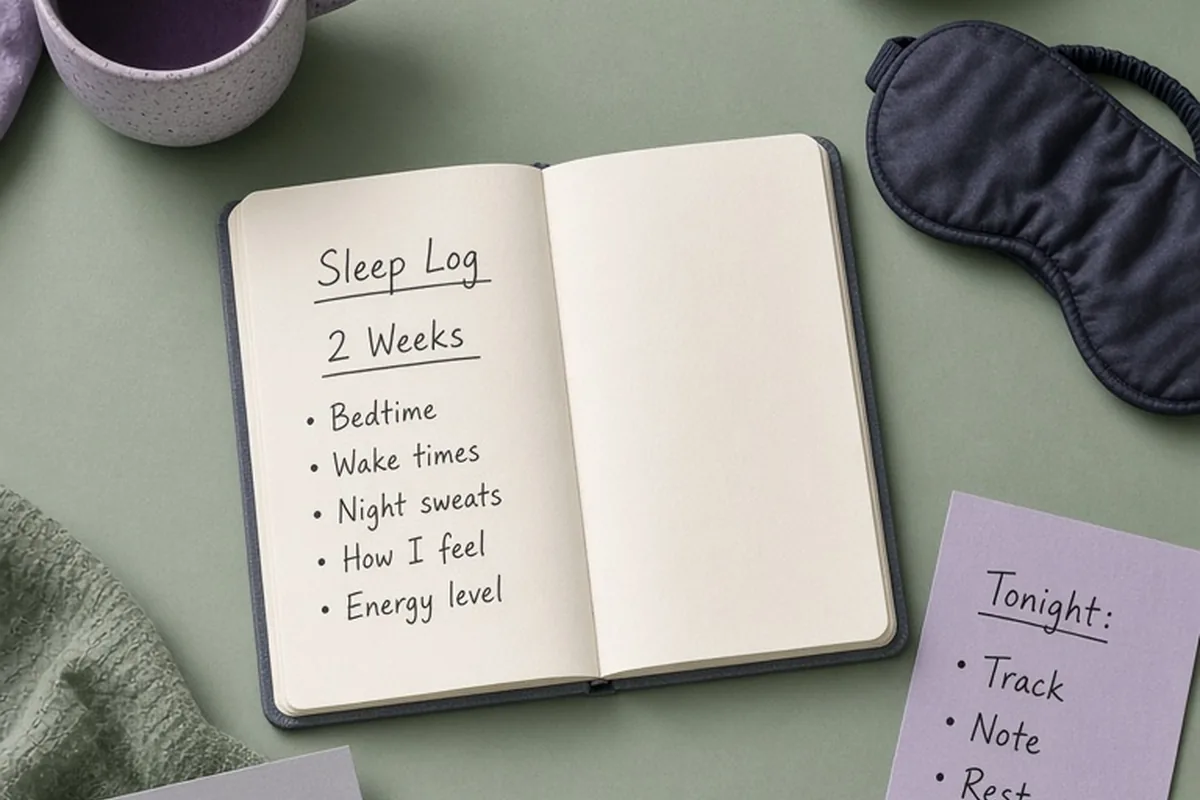
To find care for menopause sleep support, start by consulting a board-certified gynecologist, an internist, or a certified menopause practitioner. Request a comprehensive evaluation that distinguishes hormonal night sweats from primary sleep disorders like obstructive sleep apnea or chronic insomnia. Bring a detailed two-week sleep log, verify clinician credentials through professional menopause directories, and confirm whether treatments like cognitive behavioral therapy or hormone therapy align with your medical history.
Navigating midlife hormonal transitions often involves sudden changes in sleep quality, leaving many individuals struggling with nighttime awakenings, night sweats, and persistent daytime exhaustion.
Pinpointing the Root Drivers of Menopausal Sleep Disturbances
Sleep disruption during perimenopause and menopause rarely stems from a single isolated cause. Fluctuating estrogen and progesterone levels alter the brain's thermoregulatory center in the hypothalamus, triggering vasomotor symptoms like hot flashes and night sweats that jolt the body awake with rapid heart rate changes and temperature spikes. These physical awakenings fragment the natural sleep architecture, preventing the brain from sustaining deep, restorative slow-wave sleep and rapid eye movement stages.
Beyond vasomotor episodes, changing hormone levels also affect airway stability and mood regulation. As progesterone levels decline, muscle tone in the upper airway can decrease, substantially increasing the risk of sleep-disordered breathing, including obstructive sleep apnea. Simultaneously, midlife transitions can exacerbate anxiety, depressive symptoms, and circadian rhythm shifts. Determining whether your wakefulness is caused by physical heat surges, airway resistance, or psychological arousal is the essential first step in seeking appropriate medical care.
Because these biological mechanisms often overlap, a standard over-the-counter sleep aid is rarely an effective long-term solution. Comprehensive sleep support requires identifying which symptoms are direct hormonal manifestations and which represent separate sleep disorders that require distinct therapeutic protocols.
Further reading: Office on Women's Health
Choosing the Right Medical Provider for Menopause Sleep Support
Finding effective care requires matching your specific symptom profile with a clinician who possesses specialized training in midlife reproductive transitions. While a primary care physician can order baseline lab work and assess overall health, many patients find targeted relief by consulting board-certified obstetrician-gynecologists or clinicians credentialed through recognized professional menopause societies. These practitioners stay updated on current hormone therapy guidelines and non-hormonal prescription alternatives.
If your sleep issues involve loud snoring, gasping for breath during the night, waking with morning headaches, or unrefreshing sleep despite normal room temperatures, consulting a board-certified sleep medicine physician is advisable. Sleep specialists can administer home sleep apnea testing or in-lab polysomnography to rule out structural airway issues that hormone therapy alone cannot resolve.
When researching prospective clinicians, examine their clinical background and approach to midlife wellness. Look for providers who offer comprehensive consultations rather than brief triage visits, and confirm whether they collaborate with psychologists specializing in behavioral sleep medicine, registered dietitians, or pelvic health physical therapists.
Further reading: Office on Women's Health
Structuring Your Symptom Log and Medical History Before the Visit
Clinical appointments yield better outcomes when supported by concrete, organized sleep data. Before your initial evaluation, maintain a daily sleep journal for at least two consecutive weeks. Record the exact time you get into bed, estimated time to fall asleep, the frequency and timing of nighttime awakenings, and whether those awakenings were accompanied by drenching sweats, temperature changes, racing thoughts, or physical discomfort.
In addition to sleep patterns, document your daily intake of caffeine, alcohol, and medications, as well as daytime energy fluctuations and brain fog. Note the timing of your last menstrual period or any irregular cycle patterns if you are in perimenopause. Compiling a thorough personal and family medical history—including cardiovascular conditions, blood clotting disorders, liver disease, migraine history, and breast or uterine health concerns—enables your clinician to safely evaluate hormonal and non-hormonal treatment eligibility.
Prepare specific, focused questions for your doctor, such as asking which diagnostic criteria they use to differentiate menopausal insomnia from primary sleep disorders, what their typical protocol is for managing breakthrough vasomotor symptoms, and how frequently they schedule follow-up appointments to adjust treatment plans.
Clinical Approaches and Treatment Pathways for Sleep Disruption
Evidence-based clinical care for menopause-related sleep disturbances generally encompasses hormonal therapies, non-hormonal medications, and targeted behavioral interventions. Systemic hormone therapy, utilizing estrogen combined with a progestogen for individuals with an intact uterus, is recognized as an effective treatment for sleep disruption directly caused by moderate to severe vasomotor symptoms. Transdermal preparations and micronized progesterone are frequently discussed options that your doctor will evaluate against your individual cardiovascular and oncological risk profile.
For individuals who cannot take or prefer not to use hormone therapy, non-hormonal prescription medications provide viable alternatives. Certain low-dose selective serotonin reuptake inhibitors, serotonin-norepinephrine reuptake inhibitors, gabapentinoids, and newly developed neurokinin receptor antagonists have demonstrated efficacy in dampening the frequency and severity of hot flashes and nighttime awakenings. These medications must be carefully prescribed and titrated under physician supervision.
Cognitive Behavioral Therapy for Insomnia, often abbreviated as CBT-I, is the clinical gold standard for addressing the conditioned arousal, sleep-related anxiety, and irregular sleep schedules that frequently persist even after hormonal hot flashes are managed. CBT-I equips patients with stimulus control strategies, sleep consolidation techniques, and cognitive reframing tools that create durable improvements in sleep quality without pharmaceutical dependence.
Further reading: Office on Women's Health
Evaluating In-Person Practices Versus Specialized Telehealth Care
The expansion of specialized telehealth platforms dedicated to menopause care has broadened access for individuals living in areas with few local midlife health specialists. Virtual clinics often provide convenient scheduling, direct messaging with clinicians, and home delivery of approved prescriptions. They can be particularly beneficial for initial consultations, routine follow-ups, and managing straightforward vasomotor symptoms.
However, telehealth models have inherent limitations that you should consider before enrolling. Virtual clinicians cannot perform essential physical examinations, such as pelvic checks, clinical breast exams, or direct blood pressure verification. Furthermore, if your sleep issues stem from suspected sleep apnea, a virtual menopause clinic will still need to refer you to a local sleep lab or diagnostic partner for testing.
A hybrid approach often provides the most robust care. You might utilize a local gynecologist or primary care physician for routine physical examinations, preventative screenings, and diagnostic coordination, while collaborating with a specialized virtual or in-person menopause clinician for dedicated symptom optimization and therapy monitoring.
Managing Insurance Verification, Diagnostic Coding, and Treatment Costs
Navigating healthcare costs for menopause sleep support requires proactive communication with both your insurance carrier and provider's billing office. Clinical appointments for sleep issues are typically billed under evaluation and management diagnostic codes related to perimenopausal symptoms, vasomotor instability, or insomnia. Prior to booking, verify whether the clinician is in-network with your insurance plan and whether your policy requires a specialist referral from your primary care doctor.
Insurance coverage for treatments varies widely based on formulation and indication. Generic oral and transdermal hormone therapies, as well as standard generic non-hormonal medications, are generally covered on most commercial and Medicare formularies, subject to standard co-pays. In contrast, custom compounded hormone formulations are rarely covered by insurance and carry out-of-pocket costs without standardized regulatory oversight.
If behavioral sleep therapy is recommended, inquire whether your policy covers mental health services or health behavior assessment codes for CBT-I. For diagnostic sleep studies, confirm your deductible obligations, pre-authorization requirements, and whether home sleep tests are mandated prior to in-laboratory polysomnography approvals.
Frequently asked questions
How do I know if my sleep problems are caused by menopause or regular insomnia?
Menopause-related sleep problems are typically accompanied by physical symptoms such as sudden heat surges, nighttime sweating, heart palpitations, or waking in soaked sheets. In contrast, standard chronic insomnia is characterized primarily by difficulty falling or staying asleep due to racing thoughts or hyperarousal without distinct vasomotor episodes. A medical evaluation can clarify whether your wakefulness is driven by hormonal fluctuations, behavioral factors, or both.
Which type of doctor is best suited to treat menopause sleep issues?
A board-certified gynecologist or an internist certified by a recognized menopause association is ideal if your sleep disturbances involve night sweats, hot flashes, and cycle changes. If your symptoms include loud snoring, choking sensations, or waking unrefreshed without temperature surges, a board-certified sleep medicine specialist is the most appropriate provider.
Does hormone therapy immediately resolve sleep disruptions?
Hormone therapy can significantly reduce vasomotor awakenings within a few weeks of starting treatment, but it does not resolve all sleep issues instantly. If conditioned sleep anxiety, poor sleep scheduling, or an underlying breathing disorder is present, targeted behavioral therapy or airway treatments may be needed alongside hormonal management.
What should I ask my doctor during a menopause sleep consultation?
Ask your clinician what specific factors they believe are causing your nighttime awakenings, which diagnostic tests are appropriate for your symptoms, and whether they recommend hormonal or non-hormonal pathways based on your medical history. Additionally, ask how long a trial treatment will last before evaluating its effectiveness and adjusting the dose.
Your next step
Download a two-week sleep tracking log today, record your nightly awakenings and vasomotor symptoms, and call your primary care clinic or insurance provider to locate a credentialed menopause specialist in your network.