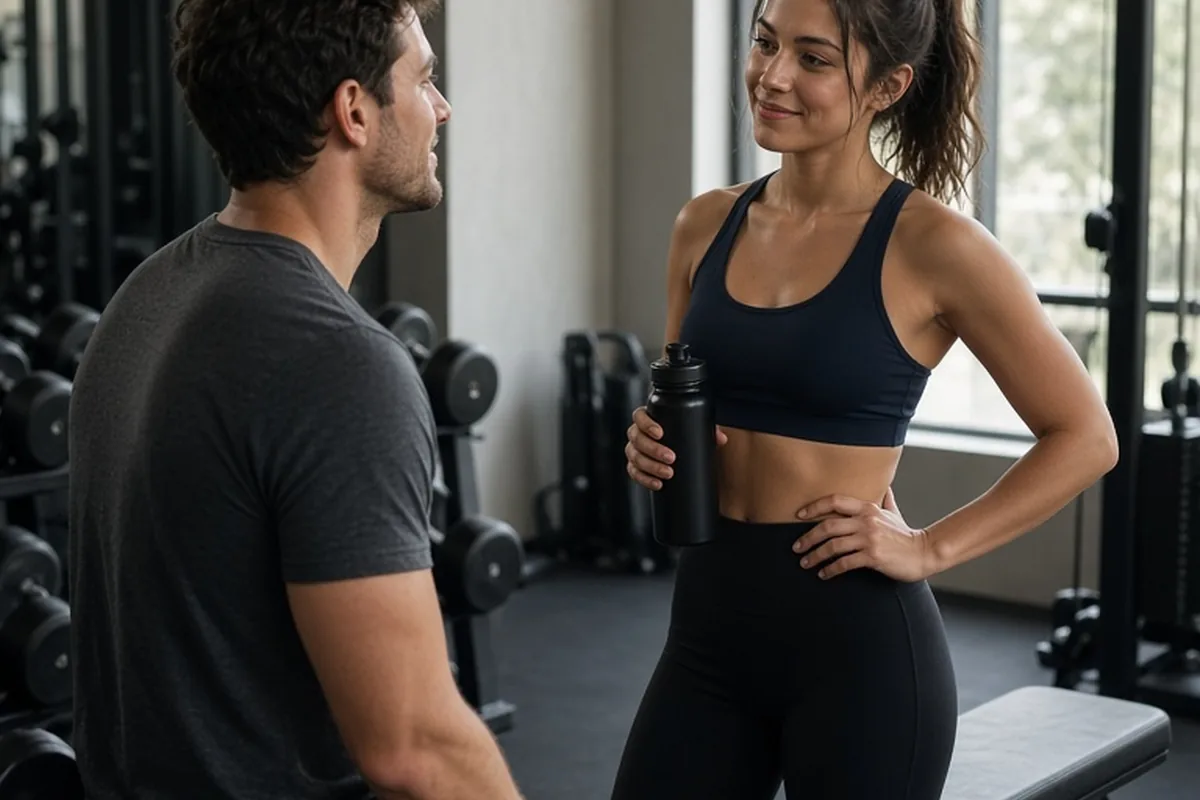
To flirt at the gym respectfully, start by establishing casual, friendly familiarity over multiple visits through simple smiles and polite nods during natural breaks. Initiate low-pressure conversations only when someone is resting, filling water, or packing up, rather than mid-set. Keep early interactions brief, observe whether they reciprocate engagement, and gracefully offer your contact information rather than demanding theirs if the connection feels warm and mutual.
The fitness center presents a distinct social paradox: people are focused on intense personal routines in a shared space, yet the regular rhythm of overlapping schedules naturally creates curiosity and mutual attraction.
Understanding Gym Dynamics and Social Readiness
The gym is fundamentally a utilitarian environment where people go to decompress, build physical strength, and manage personal health. Unlike a bar, lounge, or party, individuals do not enter a fitness facility with the primary expectation of socializing or dating. Recognizing this context immediately sets a healthy baseline. When someone is in the middle of a challenging lift, timed interval, or intense cardio routine, their physical exertion and mental focus make spontaneous conversation intrusive. Approaching someone at the wrong moment creates awkwardness, disrupts their training rhythm, and quickly fosters defensiveness.
A respectful approach relies on recognizing social readiness. People communicate their availability through context and focus. Someone wearing large over-ear headphones with their eyes fixed firmly on the ground or on their phone screen is usually signaling a desire to remain uninterrupted. Conversely, individuals who occasionally look around, take leisurely rest intervals, or remove an earbud when you step nearby may be more receptive to casual small talk. The key is to avoid interpreting mere physical proximity as an invitation. Flirting in an athletic space demands heightened situational awareness, patience, and a willingness to prioritize the other person's comfort over your own desire to connect.
Building Gradual Familiarity Over Multiple Visits
One of the biggest mistakes people make when trying to flirt at the gym is attempting to move from total stranger to romantic interest in a single day. Cold approaches with overt romantic compliments often feel jarring in a setting where people feel sweaty, exposed, or physically tired. Instead, the most effective and respectful way to build attraction is through gradual familiarity. Becoming a recognizable, polite presence in their routine allows trust and comfort to develop organically over several sessions.
Start with micro-interactions that carry zero pressure. A brief, warm smile when catching someone's eye near the entrance, a polite head nod when sharing space near the dumbbell rack, or holding an entryway door open establishes you as a safe, friendly regular. For example, if you see the same person three days a week around 7:00 PM, acknowledging them with a simple nod for two weeks creates a foundation of mutual recognition. If they consistently return the gesture with genuine warmth, it signals that an eventual verbal exchange will feel like a natural next step rather than an abrupt intrusion.
Initiating Low-Pressure, Situational Conversations
When the timing feels appropriate to break the silence, your opening topic should always be low-stakes and grounded in your immediate, shared environment. The goal is simply to assess whether the other person enjoys talking with you, not to secure a date immediately. Natural transition points—such as walking toward the water refill station, resting between sets near adjacent machines, or wiping down equipment at the end of a workout—provide the easiest, least disruptive windows for conversation.
Focus on shared observations or practical logistics rather than personal remarks. Asking if they have many sets left on a machine, commenting on how crowded the facility is that evening, or asking how they like a specific brand of lifting strap or workout class creates a smooth opening. For instance, saying, 'Excuse me, are you using this bench, or can I work in with you?' offers a natural bridge. If they answer briefly and immediately replace their headphones, you have your answer without any embarrassment. If they smile, offer a warm answer, and extend the conversation with a follow-up question, they are actively participating in the dialogue.
Topics and Behaviors to Strictly Avoid
Knowing what to avoid is just as crucial as knowing how to initiate a friendly conversation. Unsolicited advice on exercise form is one of the most common missteps. While someone might intend to be helpful, offering spontaneous workout critiques often comes across as condescending, intrusive, or patronizing, particularly across different genders. Unless someone is in immediate physical danger from dropping a weight, let gym staff or personal trainers handle instructional feedback.
Similarly, avoid commenting directly on someone's physique, workout attire, or physical appearance. In an environment where people wear form-fitting clothing and push their bodies to fatigue, direct physical remarks can make individuals feel objectified or self-conscious about their personal space. Keep the tone light, intellectual, or playfully observant about gym life in general. Avoiding intrusive physical commentary preserves mutual self-respect and proves that you view the other person as an equal peer in the training space.
- Avoid critiquing or correcting their exercise technique unless directly asked.
- Refrain from lingering near their workout station while waiting for them to finish a set.
- Never block someone's view of a mirror, walkway, or access to equipment racks.
- Do not make direct comments about physical curves, clothing fit, or body shape.
Mastering the Short Exit and Leaving on a High Note
When a conversation goes well at the gym, the temptation is often to keep talking and monopolize the rest of their session. However, prolonging the interaction too early can disrupt their workout and introduce unnecessary pressure. A far more attractive and considerate strategy is the short exit. By keeping early exchanges to one or two minutes and returning to your own routine, you demonstrate discipline, respect for their schedule, and confidence.
Ending the conversation first also creates positive anticipation for your next interaction. You might say, 'I will let you get back to your workout before your muscles get cold, but it was great chatting with you.' This leaves the interaction on a high note without any lingering awkwardness. Over the next couple of encounters, brief, friendly exchanges can gradually lengthen, allowing genuine rapport to form naturally without anyone feeling trapped or delayed.
Transitioning to an Outside Connection Without Pressure
Once you have established consistent, enjoyable banter across multiple visits, the next logical step is moving the connection outside the gym environment. The most respectful way to handle this transition is by offering your contact information rather than asking for theirs. Demanding someone's phone number puts them on the spot, forcing an immediate decision in a space they must visit regularly. Giving them your details removes the pressure entirely and places the choice in their hands.
A clean, low-pressure approach can be as simple as writing your number or social handle on a slip of paper or keeping it ready on your phone. You might say, 'I really enjoy our chats between sets. I would love to grab a smoothie or coffee with you sometime if you are open to it. Here is my number—send me a text if you'd like to hang out, and if not, no worries at all.' This explicit release valve protects their comfort, maintains your dignity, and ensures that if they reach out, their interest is completely genuine.
Handling Rejection and Shared Space with Grace
A critical reality of flirting in a fitness center is that you will likely continue running into the person even if there is no mutual romantic interest. Rejection is a normal part of dating, and handling it with calm, mature grace is essential for maintaining a positive atmosphere for everyone. If someone declines your invitation, ignores the contact information you provided, or signals that they are in a relationship, accept it immediately without asking for explanations or acting cold.
Your behavior after a polite rejection defines your character. Continue your regular workout routine as normal. A brief, friendly nod when passing each other in the hallway shows that there are no hard feelings and that you respect their boundaries. Avoid altering your schedule dramatically, staring across the room, or ignoring them with visible resentment. When you demonstrate that a simple 'no' causes zero drama, the shared space remains comfortable and comfortable for everyone involved.
Illustrative Scenarios
Pacing Interactions at the Dumbbell Area
Jason noticed someone who shared his weekday morning workout routine. Initially, he thought about walking up while she was resting between sets of shoulder presses to compliment her strength and ask for her phone number. Realizing that approaching someone mid-routine could feel intense, he opted for a slower approach. Over the next two weeks, he simply smiled and offered a polite nod whenever they crossed paths near the water fountain. When she eventually asked if he was finished with a set of dumbbells, he answered warmly, made a brief, humorous observation about how busy the morning crowd was, and returned to his routine after thirty seconds. A few days later, she initiated a conversation with him near the exit.
Key point: Patience and casual consistency build comfort far more effectively than an abrupt cold approach during active exercise.
Respecting Clear Social Signals
Maya frequently saw a regular at her gym whose eye she had caught a few times near the stretching area. During a quiet evening session, she approached while they were both packing up their gear and struck up a light conversation about the gym's newly updated stretching zone. While the other person was polite, he answered with short, one-word replies and kept his focus firmly on zipping his gym bag without asking any return questions. Maya recognized that politeness does not necessarily equal romantic interest. Instead of pushing for a longer chat or asking for his contact details, she simply wished him a great evening, walked away with a smile, and kept subsequent interactions to a simple, neutral greeting.
Key point: Recognizing a polite brush-off protects both people from discomfort and preserves a peaceful shared workout space.
Frequently asked questions
Is it rude to approach someone who has headphones on at the gym?
Headphones generally serve as a universal sign that a person wants to stay focused and uninterrupted. If you want to start a conversation, wait for a natural moment when they take an earbud out, finish their workout, or make intentional eye contact and smile first.
What is the best way to open a conversation at the gym?
The most effective openers are situational and functional, such as asking to share equipment, inquiring about how many sets they have left, or making a light observation about the facility. These low-stakes topics open the door for conversation without putting any personal pressure on the other person.
How do I know if someone is flirting back or just being polite?
Polite individuals will answer your questions pleasantly but will rarely ask questions in return or try to keep the interaction going. When someone is mutually interested, they will typically turn their body toward you, remove their headphones, ask follow-up questions, and initiate greetings in future sessions.
What should I do if I get rejected by someone I see every week?
Accept the response with calm courtesy, wish them a good workout, and return to your routine without showing irritation or resentment. On future visits, maintain a simple, friendly nod in passing so the environment remains comfortable and free of tension.
Your next step
On your next visit to the gym, focus on establishing warm familiarity by offering a friendly, low-stakes nod or smile to regulars during rest breaks, letting natural comfort develop before starting a conversation.