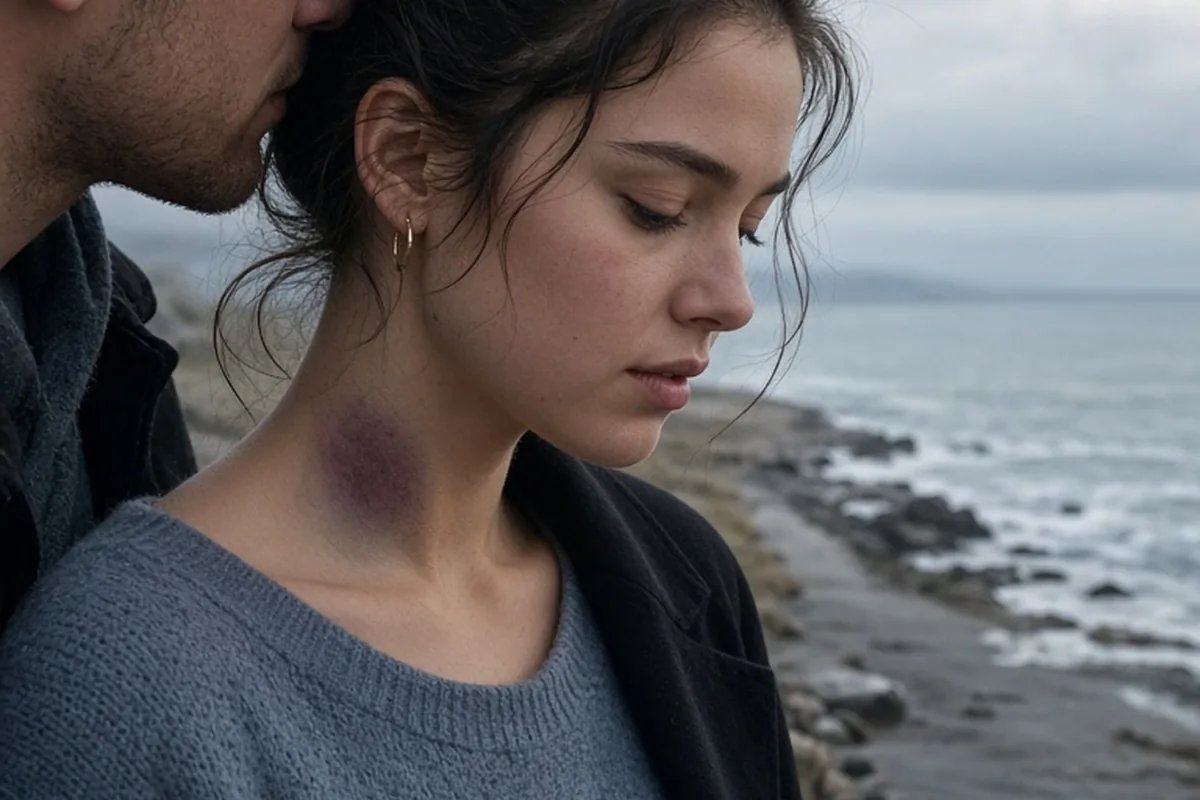
A hickey is a superficial bruise caused by broken capillaries under the skin. While no method removes it instantly, you can speed recovery by applying a cold compress for ten minutes at a time during the first twenty-four to forty-eight hours to reduce swelling. Afterward, switch to warm compresses to promote blood flow. For immediate concealment, use color-correcting concealer and everyday styling.
Discovering an obvious mark on your neck or collarbone right before work, family gatherings, or social plans can feel inconvenient and stressful. Because a love bite is simply pooled blood beneath delicate skin, clearing it requires working with your body's natural healing timeline while relying on dependable concealment methods to handle immediate visibility.
Understanding How Hickeys Form and Their Natural Healing Timeline
A hickey, often called a love bite, is physiologically identical to any ordinary contusion. When suction or biting occurs on delicate areas like the neck, the microscopic blood vessels just beneath the surface of the skin rupture. The blood leaks into the surrounding interstitial tissue and gets trapped, creating a visible discoloration that shifts through various shades over several days.
As your body breaks down and clears this trapped hemoglobin, the mark typically transitions from dark red or purple to bluish-brown, then greenish-yellow, before finally fading away completely. For most individuals with healthy circulation, this natural clearance cycle takes anywhere from five to twelve days. Factors such as skin thickness, hydration, the intensity of the suction, and your individual bruising tendency all influence how long the mark remains visible.
Understanding this physiological process helps set practical expectations. No treatment can erase trapped subcutaneous blood in an hour, but intentional care can prevent additional inflammation, reduce local swelling, and accelerate the natural rate at which your lymphatic system clears the pool of blood.
Immediate Cold Therapy to Minimize Swelling in the First Forty-Eight Hours
During the first day or two after a hickey forms, your main goal is vasoconstriction—narrowing the blood vessels to limit further bleeding under the skin and reducing any localized puffiness. Applying cold temperature right away curbs internal leakage, keeping the total surface area of the bruise as compact as possible.
To apply cold therapy properly, wrap an ice pack, an ice cube, or a chilled metal spoon in a clean, soft cloth. Press it gently against the marked skin for ten minutes, remove it for twenty minutes to allow the tissue to return to room temperature, and repeat as needed throughout the day. Avoid applying bare ice directly to your neck, as extreme cold on thin skin can cause ice burn or additional irritation that makes the redness worse.
For example, if you notice the mark early in the morning before work, spend fifteen minutes doing a gentle cold press while getting dressed. This calms the active flush and creates a smoother, less inflamed canvas if you plan to apply cosmetic concealer afterward.
Transitioning to Warm Compresses to Stimulate Circulation
Once forty-eight hours have passed, the broken capillaries have clotted and sealed themselves. At this stage, cold therapy is no longer useful. Your focus should shift to vasodilation, which means expanding the blood vessels to encourage fresh blood flow and support lymphatic drainage of the trapped cellular debris.
Moist heat works best for this phase. Soak a soft washcloth in comfortably warm water, wring out the excess moisture, and hold it against the area for ten to fifteen minutes, three or four times a day. You can also allow the warm stream of a shower to run gently over your neck. The elevated temperature increases local blood circulation, helping white blood cells break down and metabolize the pooled hemoglobin more rapidly.
A useful limit to keep in mind is temperature control: the compress should feel soothing and warm, never scalding. Overheating delicate neck tissue can trigger rebound redness, surface inflammation, or skin peeling, which only draws more attention to the underlying spot.
Topical Skincare and Gentle Massage to Support Tissue Recovery
Complementing temperature therapy with supportive topical products can nourish the skin barrier and encourage steady healing. Lightweight formulas containing ingredients traditionally used for post-procedure skin care can be applied in small, measured amounts to keep the area calm and hydrated.
Gentle topical options include creams or gels formulated with arnica extract, vitamin K, or soothing aloe vera. When applying these products, use your fingertips to perform a very light lymphatic massage. Starting at the center of the bruise, make slow, gentle strokes downward toward your collarbone, following the path of natural lymphatic flow. This encourages fluid movement without applying harsh friction.
Be careful to avoid rough rubbing, pinching, or vigorous scrubbing. The skin on the neck is thin and fragile; excessive mechanical force can easily rupture neighboring capillaries, turning a small, localized mark into a larger and darker bruise.
Step-by-Step Color Correction and Concealer Application
When you need to make a hickey disappear for a meeting, family event, or public appearance, cosmetic color correction is the fastest and most reliable solution. Standard skin-tone concealer alone often looks gray or cakey when placed directly over a saturated purple or red bruise, making color theory essential for natural-looking coverage.
Start by evaluating the dominant tone of the bruise and neutralizing it with an opposing color corrector before applying your regular makeup:
Apply a tiny dab of the appropriate color corrector directly onto the mark using a damp sponge or your ring finger, gently tapping the product in place rather than wiping it across the skin. Next, layer a full-coverage, long-wear concealer that matches your neck tone over the corrector. Finish by lightly pressing translucent setting powder over the area to prevent the product from transferring onto your shirt collar or wearing off throughout the day.
- Green corrector cancels out bright red, fresh bruising and active surface irritation.
- Peach, orange, or salmon corrector neutralizes deep purple, blue, and dark brown discoloration.
- Yellow corrector balances lingering violet tones as the mark begins to fade.
Strategic Styling and Wardrobe Adjustments for Effortless Concealment
If you prefer not to wear makeup or want extra peace of mind alongside cosmetic coverage, practical clothing adjustments provide foolproof protection from unwanted attention. The right choice depends on the season, your setting, and your personal style.
In cooler weather, structured collared shirts, lightweight turtlenecks, mock necks, and cozy knit sweaters provide effortless, complete coverage without looking out of place. During warmer months when high collars look unusual, opt for lightweight woven scarves, bandanas, collared linen shirts, or shirts with mandarin collars that shield the neck naturally.
Hairstyling and accessories can also help. Wearing longer hair down over your shoulders or choosing layered necklaces can obscure the mark from casual view. If someone happens to notice, a brief, calm deflection—such as attributing the mark to a minor curling iron burn, skin irritation, or a sports bump—keeps the conversation moving without awkwardness.
Common Home Remedies and Techniques You Should Avoid
The internet is filled with quick-fix hacks that promise to erase a hickey overnight using abrasive tools or household items. Most of these methods lack physiological validity and carry a high risk of worsening the discoloration or causing secondary skin injury.
Techniques such as twisting a coin edge across the skin, scraping the area with a bottle cap, aggressively brushing with a stiff toothbrush, or applying harsh toothpaste should be avoided entirely. These methods do not disperse pooled blood; instead, they create epidermal micro-tears, cause surface burns from harsh ingredients like menthol, and break additional capillaries beneath the surface.
If you attempt to scrape away a bruise, you will likely replace a temporary mark with raw, scabbed, or hyperpigmented skin that takes far longer to heal than the original hickey. Stick to proven, gentle interventions that respect your skin's integrity.
Navigating Boundaries and Communication in Your Relationship
While managing the physical mark is the immediate task, recurring unwanted bruising often points to a need for clearer communication during intimate moments. Physical affection should always align with both partners' comfort levels, professional realities, and personal boundaries.
If visible marks cause you stress at work or in your daily life, discuss this openly with your partner outside the bedroom. You might say something simple and collaborative, such as: 'I love our intimacy, but I get stressed having visible marks on my neck for work. Let us keep kissing above the collarbone or focus elsewhere.'
A supportive partner will respect this boundary without taking it personally. Mutual physical comfort and respect for practical boundaries foster greater trust and enjoyment in any dating or long-term relationship.
Frequently asked questions
How long does a hickey usually take to disappear completely?
Most hickeys fade within five to twelve days depending on the intensity of the suction, your skin's sensitivity, and your natural circulation. The mark will gradually shift from dark red or purple to yellow-green before clearing entirely.
Can a cold spoon really make a hickey go away faster?
A chilled spoon works like an ice compress by temporarily constricting blood vessels and reducing active swelling during the first forty-eight hours. While it helps keep the mark compact, it cannot make the pooled blood disappear immediately.
What is the best way to hide a hickey on short notice without high collars?
Use a color-correcting makeup routine by tapping a peach or salmon concealer over purple tones, layering a skin-matching foundation over it, and setting the area with translucent powder. You can also accessorize with lightweight bandanas, layered jewelry, or hair worn over the shoulders.
When should someone be concerned about an unexplained bruise?
If a bruise appears without any trauma or suction, is accompanied by extreme swelling and severe pain, or fails to show signs of healing after two weeks, consult a healthcare professional. These symptoms can occasionally indicate an underlying issue that warrants evaluation.
Your next step
Assess how old the mark is today, apply cold or warm therapy accordingly, and use a peach or orange color corrector beneath setting powder for dependable immediate coverage.