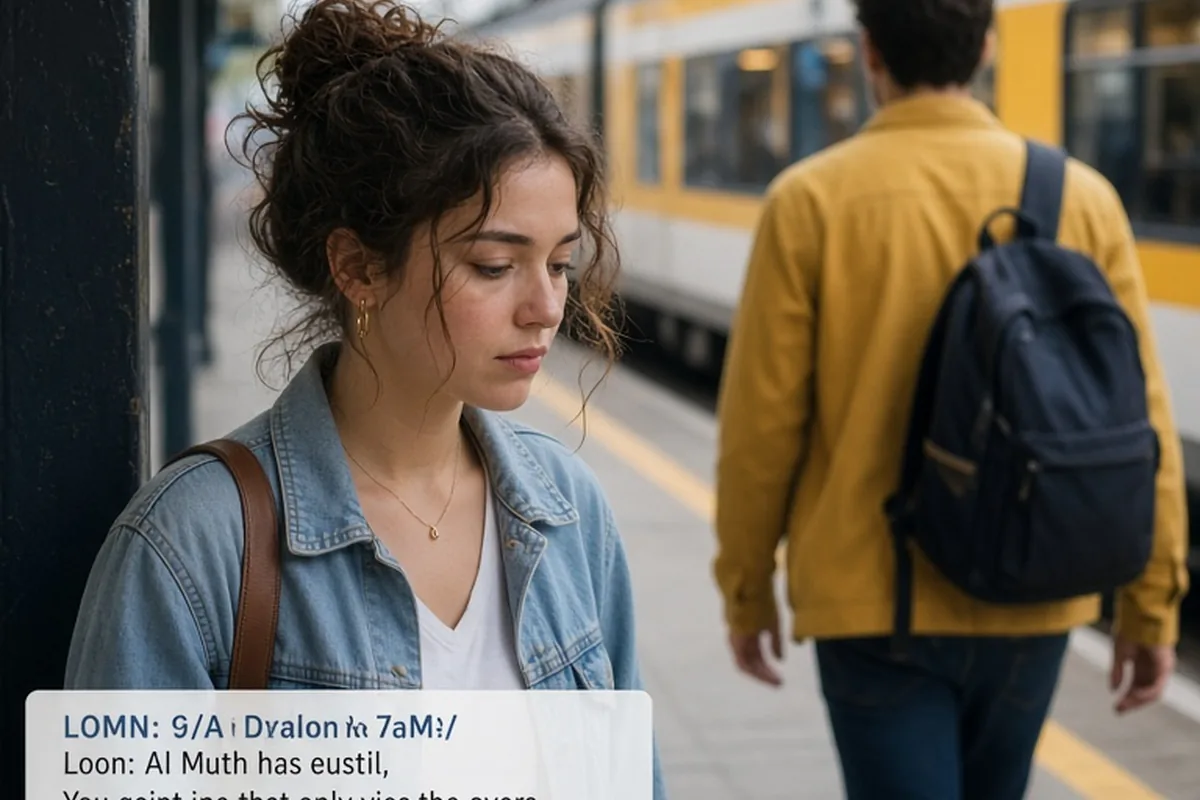
To handle rejection from a guy, acknowledge your feelings without judgment, respond with calm grace, and resist the urge to debate his decision. Give yourself space to process disappointment privately, lean on trusted friends rather than seeking reassurance from him, and avoid equating someone's lack of romantic interest with your personal worth. Refocus your energy on routines, interests, and connections that support your emotional stability.
Hearing that someone does not share your romantic interest stings, whether it happens after a first date, months of casual texting, or a long-standing friendship confession. While an immediate impulse might be to search for hidden reasons, push for clarification, or criticize yourself, managing the moment with poise protects both your dignity and your peace of mind.
Managing Your Immediate Reaction in the Moment
When someone delivers a romantic rejection, your nervous system often activates an immediate stress response. Your heart rate might climb, your face may flush, or you might feel a sudden rush of defensive energy. In that split second, the most powerful choice you can make is to pause and breathe before saying a word. Giving yourself even five seconds of silence keeps you from blurting out something reactive, such as an apology for having feelings, an aggressive dismissal, or a desperate plea to reconsider.
If the conversation occurs in person, keep your response concise, polite, and neutral. A simple phrase like, 'Thank you for being direct with me; I appreciate your honesty,' allows you to exit the interaction on your own terms. If the news arrives via text message, you are under no obligation to reply instantly. Drafting a brief acknowledgement such as, 'Thanks for letting me know. I enjoyed spending time together and wish you all the best,' lets you close the door gracefully without inviting prolonged, uncomfortable banter.
The trade-off in choosing restraint over instant venting is that it can feel emotionally unsatisfying in the brief second it happens. You might want him to know how unfair it feels or how much effort you invested. However, debating a lack of romantic interest never generates genuine affection; it only prolongs your vulnerability in front of someone who has already stated they cannot meet your needs.
Separating Your Core Self-Worth From His Personal Preference
Rejection frequently triggers an internal narrative that questions your adequacy, prompting questions about your appearance, conversational style, or general value. It is essential to recognize that romantic chemistry is deeply subjective and driven by individual timing, emotional baggage, personal tastes, and attachment styles. Someone turning you down does not mean you are fundamentally flawed or unlovable; it simply means that the specific fit he requires does not align with who you are right now.
Consider how many wonderful, kind, and attractive people you have encountered whom you simply did not want to date. You did not look down on them or view them as defective; there was simply an absence of that specific, intangible romantic spark. Applying that same objective lens to his decision helps strip the personal venom out of the experience. His choice reflects his internal criteria and emotional state, not an objective evaluation of your character.
To break the cycle of self-blame, practice identifying the cognitive distortions that crop up during heartbreak. When your mind whispers sweeping conclusions like 'nobody will ever want me' or 'I always ruin things,' consciously reframe them into grounded facts. Acknowledge that this single dynamic did not work out, while reminding yourself that one person is not the ultimate arbiter of your romantic future.
Creating Firm Boundaries to Process Disappointment Privately
After a rejection, the temptation to stay in contact under the guise of casual friendship is often intense. Men sometimes suggest remaining friends to soften the blow or alleviate their own guilt, while the person rejected may agree in the secret hope that continued contact will eventually change his mind. In almost all situations, attempting an immediate platonic friendship while your romantic feelings are still raw prolongs emotional pain and keeps you in an exhausting state of hope.
Establishing an intentional period of space protects your healing. You can communicate this clearly without hostility by saying, 'I value our connection, but I need some time and distance right now to reset. I am going to step back from our regular chats for a while.' This sets an unmistakable boundary that establishes that you are prioritizing your emotional health rather than performing accommodating behavior to make him feel comfortable.
Digital boundaries are equally crucial during this stage. Constantly monitoring his active status, dissecting his social media stories, or analyzing newly added followers keeps your brain tethered to the rejection. Mute, unfollow, or archive his profiles without making a dramatic public announcement. Removing his daily digital presence frees up the mental bandwidth required to process your grief in privacy.
Navigating Shared Social Circles and Shared Spaces
Handling a rejection becomes significantly more complex when the guy is someone you see regularly, such as a coworker, a classmate, or a member of your close friend group. In shared social settings, your goal should be polite, functional neutrality. You do not need to fake intense excitement or initiate deep conversations, but avoiding open hostility or visible coldness prevents unnecessary social tension and keeps the focus off your private dynamics.
Prepare a practical strategy before attending events where he will be present. Decide ahead of time which friends you will sit near, keep your greetings brief and pleasant, and have a clear departure plan if you begin to feel overwhelmed. For instance, a warm nod and a standard 'Good to see you' followed by turning your attention back to the wider group establishes that you are composed and entirely engaged with your own life.
Resist the temptation to recruit mutual friends into taking sides or relaying messages between the two of you. Venting to a small, private circle outside the shared group allows you to express your real hurt without turning social gatherings into uncomfortable battlegrounds. If the shared environment is a professional workplace, keep all communication strictly bound to work tasks and documented channels.
Reframing Compatibility and Deconstructing the Fantasy
In the aftermath of being turned down, people frequently mourn what could have been rather than what actually existed. When you have a crush or date someone briefly, your imagination naturally fills in the unknown gaps with idealized traits, projecting your hopes onto a relationship that never fully took root. Recognizing that you may be grieving an imagined potential rather than the reality of the person helps diminish the perceived loss.
Write down a realistic assessment of the dynamic as it genuinely functioned, rather than how you hoped it would evolve. Did he communicate consistently, show deep curiosity about your values, and make you feel secure? In many cases, unreciprocated attraction involves chasing someone who was ambivalent, emotionally unavailable, or lukewarm from the beginning. A partner who does not enthusiastically choose you cannot give you a fulfilling, secure partnership.
Shifting your perspective from 'Why did he not choose me?' to 'Why would I want to be with someone who is hesitant about me?' restores your personal power. A healthy relationship requires two willing participants meeting each other in the middle. When someone steps back, they save you from investing months or years into a one-sided connection that could never meet your basic emotional needs.
Reinvesting in Your Personal Life and Future Dating
The final phase of handling rejection involves actively reinvesting the emotional energy you spent on him back into your own life. Start by returning to the daily habits, creative projects, physical activities, and personal goals that ground your sense of identity. Filling your schedule with rewarding activities that have nothing to do with romance reminds you that your life is rich, multifaceted, and complete on its own.
Spend meaningful time with friends and family members who appreciate and celebrate you for who you are. Surrounding yourself with reciprocal, secure relationships provides a vital reminder of what healthy connection actually feels like. Whether that looks like hosting a casual dinner with close friends, enrolling in an intensive fitness class, or planning a weekend trip, intentional action keeps you focused on your present and future.
Be cautious about jumping straight into dating apps or pursuing rebound interactions solely to soothe bruised pride. While distraction can feel comforting in the immediate short term, carrying unaddressed disappointment into new dates often leads to unfair comparisons or renewed frustration. Wait until your sense of self feels steady and you can approach someone new with genuine curiosity rather than a desire for emotional validation.
Frequently asked questions
Should I ask him for a specific explanation of why he rejected me?
It is generally best to avoid asking for a detailed breakdown of his reasons. People rarely offer complete, brutal honesty in these moments to avoid conflict, and whatever explanation they provide rarely offers genuine closure. True closure comes from accepting that his lack of interest is enough reason to move forward.
How long does it typically take to stop feeling hurt after a rejection?
The recovery timeline varies widely depending on how long you knew the person, the depth of your feelings, and how frequently you cross paths. A brief dating connection might take a couple of weeks to process, whereas an unrequited long-term crush can take months. Maintaining firm boundaries and avoiding contact significantly speeds up the healing process.
Is it possible to become genuine friends with him later on?
A healthy friendship is possible only after all romantic feelings, expectations, and residual resentments have completely faded. If either person still harbors hopes of dating or feels jealous when the other dates someone new, a genuine platonic friendship cannot function. Revisit the possibility of friendship only after several months of emotional indifference.
What should I do if he reaches out after rejecting me?
Evaluate his message carefully to see if he is offering a genuine, meaningful conversation or simply checking in to soothe his own conscience. If his message is casual or ambiguous, you have every right to ignore it or reply with brief, polite distance. Protect your peace rather than reopening emotional wounds for his convenience.
Your next step
Take one concrete step today to reclaim your focus, such as muting his social media accounts, archiving your message thread, and scheduling an enjoyable, non-dating activity with a supportive friend.