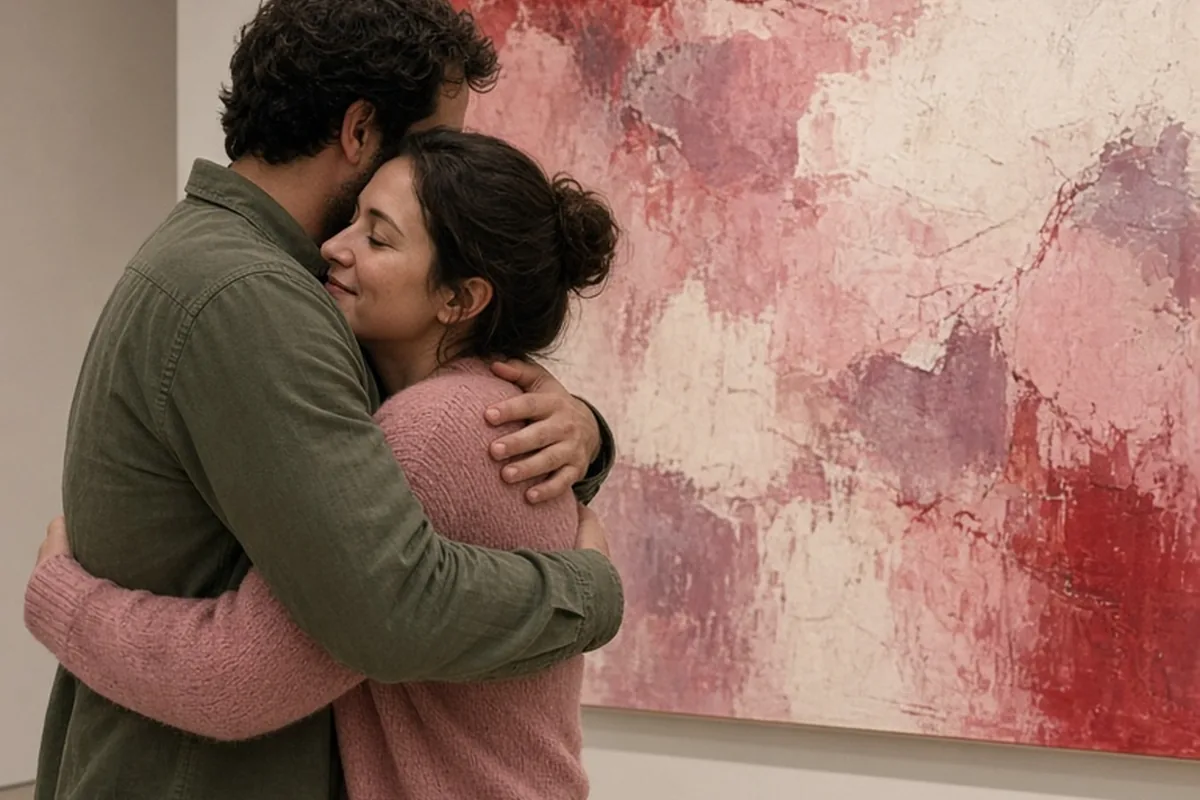
To hug someone comfortably, first confirm mutual consent through open body language or a brief verbal check. Step forward, open your arms, and gently wrap them around the other person—around the shoulders or waist depending on height and intimacy—while keeping light, balanced upper-body contact for two to three seconds. Relax your posture, avoid gripping too tightly, and smoothly release when either person loosens their hold.
A hug is one of the most common physical gestures across social, familial, and romantic life, yet the mechanics can feel surprisingly awkward when expectations are unclear. Understanding how to initiate, match posture, and respect personal comfort ensures every embrace feels natural rather than clumsy.
Reading the Moment and Confirming Mutual Consent
Physical contact is deeply personal, shaped by cultural background, sensory preferences, past experiences, and emotional boundaries. Before moving in for an embrace, observe how the other person carries themselves. An open stance, relaxed shoulders, steady eye contact, and a forward lean typically suggest comfort with closeness. In contrast, crossed arms, rigid posture, angling the body sideways, or stepping backward indicate that physical contact may be unwelcome. Paying attention to these nonverbal cues helps you gauge their openness before you ever close the physical distance.
When in doubt, offering a brief verbal check prevents discomfort and removes ambiguity. Asking a straightforward question such as "Are you a hugger?" or "May I give you a hug?" offers the other person a clear, pressure-free opportunity to accept or decline. For instance, when greeting an acquaintance you have not seen in a long time, opening your arms slightly while asking gives them full control over how they respond. If they hesitate, freeze, or extend a hand instead, respect that response immediately by switching to a warm verbal greeting or a handshake without showing offense.
Mastering the Core Physical Mechanics of a Natural Hug
A balanced, comfortable embrace relies on relaxed alignment rather than rigid force. Approach the person smoothly, stopping about a half-step away to avoid colliding. Depending on familiarity and personal preference, one person usually places their arms over the other person's shoulders, while the other places their arms under the armpits around the shoulder blades. If both individuals are of similar height, a criss-cross placement—where each person places one arm over and one arm under—creates an intuitive, symmetrical hold. Maintain soft contact along the upper chest while keeping your lower torso slightly offset to preserve comfortable boundaries.
Pressure and duration determine how the gesture feels. A typical social hug should apply gentle, supportive pressure rather than a tight squeeze that restricts breathing. Keep your muscles relaxed, take a natural breath, and maintain the embrace for roughly two to three seconds. Erratic or aggressive back-slapping can feel nervous and jarring, so keep your hands steady on the upper back unless you share an established dynamic where playful pats are standard. Smoothly release the embrace the moment either person relaxes their grip.
Adapting Your Hug to Friends, Acquaintances, and Coworkers
The appropriate style of hug changes significantly based on the context and your relationship with the other person. Close friends often share a warm, full embrace with both arms wrapped securely around the upper back, lasting three to five seconds to reflect genuine affection and shared history. For casual acquaintances, neighbors, or community peers, a lighter touch is generally more suitable. A brief two-second embrace or a one-armed side hug provides friendly recognition while maintaining a respectful physical buffer that prevents either party from feeling crowded.
Workplace settings require particular caution, as professional boundaries vary widely across industries and company cultures. While some small teams or creative environments normalize celebratory hugs during milestone moments or farewells, professional etiquette generally leans toward non-physical greetings such as handshakes or warm verbal praise. If a coworker actively initiates a hug during an emotional occasion, keep it brief, light, and focused strictly on the upper shoulders. Defaulting to professional distance protects everyone's comfort and ensures workplace interactions remain professional.
Navigating Romantic and Intimate Hugs
Romantic hugs involve closer contact, longer duration, and distinct physical positioning compared to platonic greetings. In dating and romantic partnerships, arm placement often reflects deeper intimacy; one partner may wrap both arms around the other's waist while the other rests their arms over the shoulders or around the neck. The embrace often features fuller torso contact, resting your chin on the partner's shoulder or leaning your head gently against their chest, which can provide emotional grounding and shared reassurance.
Even within established relationships, attentiveness to comfort and mood remains essential. An affectionate, lingering embrace that feels comforting in private might feel uncomfortable to a partner when in public or around colleagues. Notice subtle feedback during the hug: if your partner relaxes their weight and exhales, they are likely enjoying the moment; if they keep their hips pushed back or pat your arm, they may prefer a briefer embrace. Respecting these small adjustments reinforces mutual trust and emotional safety over time.
Handling Differences in Height, Posture, and Mobility
Significant height differences can make an embrace feel clumsy if neither person adjusts their posture. When one person is notably taller, the taller person should generally slide their arms under the shorter person's arms, resting their hands on the mid-back while softening their knees slightly to meet the other person's level. The shorter person can then place their arms comfortably over the taller person's shoulders. Avoid bending abruptly at the waist, which creates an awkward angle that can throw the other person off balance.
Hugging someone who is seated, uses a wheelchair, or has mobility limitations requires extra care and consideration. Never lean your full body weight over someone in a seated position or pull on their arms, as this can cause discomfort or compromise their stability. Instead, bend down to eye level, kneeling or crouching beside them if appropriate, and ask if they would like a hug. A gentle, side-by-side shoulder lean respects their physical autonomy, protects medical equipment, and ensures the embrace remains comfortable.
Responding Gracefully to Reluctance or Awkward Encounters
Mismatches in greeting preferences happen regularly, and handling them with calm poise prevents lingering embarrassment. If you step in for a hug and notice the other person hesitate, pull back, or extend a hand, adjust your posture instantly without making a scene. Seamlessly take their extended hand or place a hand over your heart with a friendly smile, saying something like, "It is so great to see you." Avoid drawing attention to the miss with defensive jokes or repeated apologies, which only magnifies the awkwardness and puts the other person on the spot.
Knowing how to decline an unwanted hug is equally valuable. If someone approaches you with open arms and you prefer not to touch, use clear and early physical signals to redirect the interaction. Step back half a pace, extend a firm hand for a handshake, and offer a pleasant verbal boundary such as, "I am keeping my distance today, but I am so glad to catch up." Delivering the boundary with warmth and confidence allows you to protect your comfort without damaging the social connection.
Ending the Hug Smoothly and Transitioning Back to Conversation
Knowing when and how to conclude an embrace leaves a positive final impression. Every hug has a natural conclusion signaled by subtle physical cues. One or both participants will typically loosen their hold, shift their weight, or take a half-step backward. The moment you register any reduction in pressure, release your arms smoothly and step back. Lingering after the other person has initiated the disengagement can make an otherwise pleasant encounter feel uncomfortable.
Once you step back, re-establish comfortable eye contact and maintain an open facial expression to reset the conversation. Giving the other person an arm's length of personal space helps re-establish standard conversational boundaries. Following up immediately with an engaging remark—such as "How has your week been?" or "Thank you so much for meeting up"—smoothly channels the positive energy of the greeting directly into your discussion.
Frequently asked questions
How long should a standard social hug last?
A standard social hug typically lasts between two and four seconds. This duration provides enough time to convey sincere warmth without feeling intrusive. Always disengage as soon as either person begins to loosen their hold.
Where should I place my hands when hugging someone casually?
For casual acquaintances and friends, place your hands lightly against their upper back or around their shoulder blades. Avoid resting your hands on the lower back, waist, or hips, as those areas are generally reserved for romantic partners.
What is the best way to avoid hugging someone without being rude?
Step back slightly before they reach you and extend your hand firmly for a handshake while smiling warmly. You can also offer a quick verbal cue, such as saying you prefer a wave or handshake today, which establishes your boundary politely.
Is it appropriate to hug coworkers in professional settings?
In most professional environments, physical contact is best limited to handshakes or verbal greetings to respect everyone's boundaries. If a colleague initiates a celebratory hug during a milestone, keep it brief, light, and focused strictly on the upper shoulders.
Your next step
Before your next greeting, pause a few steps away to observe the other person's body language or ask a simple question like "Are you up for a hug?" to ensure mutual comfort.