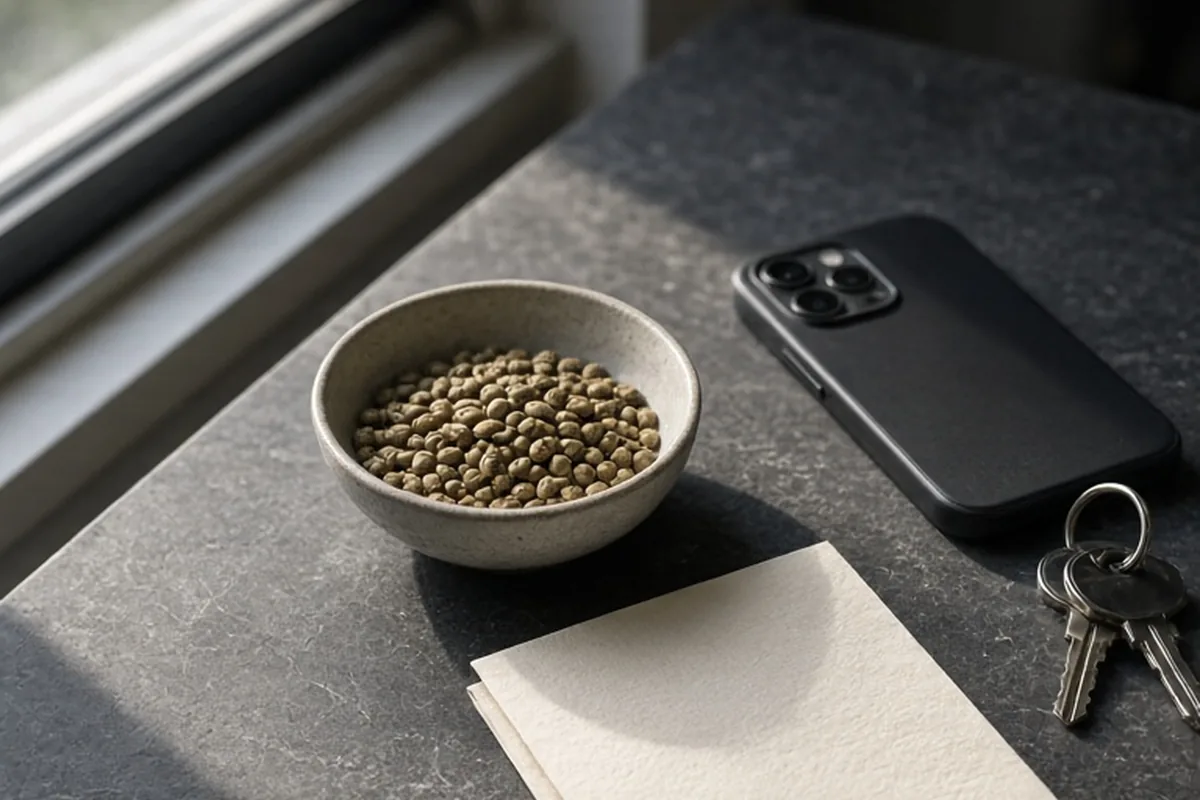
You cannot visually identify whether a seed is female just by looking at its shape, color, or markings. Physical inspection methods like crater symmetry or roll tests are unreliable myths. To ensure female plants, you must use lab-tested feminized seeds, perform early leaf-tissue DNA testing on young sprouts, or inspect the pre-flowering nodes for white pistil hairs once the plant begins transitioning from its vegetative growth stage.
Growers often seek female plants because only females produce the flowers, fruit, and dense botanical compounds desired in dioecious species like hemp, hops, and cannabis. Determining plant sex early saves significant space, time, nutrients, and lighting resources. Understanding the biological realities of seed anatomy, the limitations of visual sorting, and proven botanical techniques helps you manage your garden efficiently without relying on folklore.
The Biology of Seed Sex and Why Visual Sorting Fails
Dioecious plants possess distinct male and female individuals governed by genetic chromosomes. In regular seed batches, pollen from a male plant fertilizes a female flower, yielding seeds that carry roughly an equal chance of developing into either sex. The outer shell of the seed, known botanically as the testa, is formed entirely from the maternal plant tissue before fertilization is completed. Because the shell develops from the mother plant, every external feature—such as surface speckling, ridge depth, base crater shape, or coloration—reflects the parent plant's health and general seed maturity rather than the chromosomal makeup of the embryo inside.
A persistent gardening myth claims that seeds with a perfectly circular depression or smooth calyx base are female, while irregular or pointed bases indicate male genetics. Another common misconception involves placing seeds on a flat surface to see if they roll in a straight line or wobble. Controlled botanical trials have consistently shown that these physical variations correlate with seed coat thickness and dehydration levels, not biological sex. Relying on visual sorting inevitably leads to wasted cultivation space and accidental male pollination, making scientific identification methods essential.
How Feminized Seeds Are Produced and Verified
Feminized seeds are created through a deliberate horticultural process that eliminates male Y chromosomes from the breeding line. Breeders take a genetically stable female plant and apply chemical agents such as silver thiosulfate (STS) or colloidal silver during its early flowering phase. These compounds inhibit ethylene production, a hormone necessary for female flower development, causing the female plant to produce pollen sacs containing only female genetic material (X chromosomes). When this pollen fertilizes another female plant, the resulting seeds inherit exclusively female genetics, achieving a female rate greater than ninety-nine percent.
While feminized seeds offer unmatched predictability for home growers and commercial operations, they require careful sourcing from reputable seed banks. Low-grade breeding practices or unstable parent genetics can result in plants prone to hermaphroditism—a condition where a female plant produces male pollen sacs when exposed to stress. Purchasing tested seeds with documented lineage minimizes the risk of intersex traits, allowing gardeners to focus their space and resources entirely on productive female crops without the uncertainty of regular seed sorting.
Early Genetic Testing Through Seedling Leaf Tissue
For growers using unsexed regular seeds who need confirmation long before flowering, agricultural biotechnology provides early DNA screening. Specialized agricultural laboratories utilize Polymerase Chain Reaction (PCR) assays to test for male-specific DNA markers. Growers collect a tiny punch sample from the seedling's first true leaves or cotyledons, place it in a sterile sample tube or test card, and mail it to a testing facility. Results are typically returned within one to three business days, identifying the sex of the sprout within the first two weeks of germination.
The primary advantage of early genetic screening is resource conservation. Cultivating unsexed plants for six to eight weeks consumes substantial electricity, growing media, fertilizer, and physical space. Identifying and culling male seedlings at the two-leaf stage eliminates unnecessary operational overhead. The trade-off is the testing cost, which typically ranges from ten to twenty dollars per sample. Commercial cultivators running large pheno-hunts benefit heavily from this approach, whereas hobbyists managing only two or three plants often prefer visual monitoring during pre-flowering.
Identifying Pre-Flower Signs During Vegetative Growth
When genetic testing is not an option, the most dependable hands-on method to determine plant sex is inspecting pre-flowers. Pre-flowers are early developmental structures that appear at the plant's nodes—the junction points where branches and fan leaves connect to the main stem. In most dioecious annuals, these structures become visible under normal vegetative lighting around four to six weeks from germination, typically starting near the upper third of the plant.
To inspect pre-flowers accurately, use a small magnifying loupe or jeweler's glass with thirty-times magnification. Female pre-flowers appear as small, teardrop-shaped calyxes or swollen bracts with two delicate, fuzzy white hairs called stigmas or pistils emerging from the tip. In contrast, male pre-flowers form smooth, rounded spheres or spade-shaped buds resembling tiny crab claws on small stems, lacking any white hairs. Detecting these signs early enables prompt separation before pollen development threatens your harvest.
Managing Environmental Stress to Prevent Intersex Expression
A plant's genetic sex is fixed at fertilization, but severe environmental fluctuations can disrupt hormonal regulation and trigger intersex expression. When genetically female plants experience extreme physical stress, they may produce staminate structures alongside their flowers as an evolutionary survival mechanism to self-pollinate. Preventing this phenomenon requires maintaining steady, comfortable growing parameters throughout both vegetative and flowering cycles.
Key environmental triggers to manage include light leaks during the dark period, excessive heat spikes above eighty-five degrees Fahrenheit, erratic watering schedules, and aggressive over-fertilization. Maintaining consistent photoperiods, adequate airflow, moderate relative humidity, and balanced nutrient ratios protects the plant's natural endocrine balance. If a female plant develops isolated pollen sacs due to temporary stress, gently plucking the early sacs with sterile tweezers and correcting the underlying environmental issue can often salvage the crop.
A Structured Workflow for Sorting Regular Seeds
Cultivating regular unsexed seeds remains popular among breeders seeking genetic diversity and vigorous root architecture. To manage a regular seed batch smoothly, plan on germinating roughly double the number of mature female plants you intend to harvest. Label every seedling container with a unique tracking code from day one to maintain flawless organization as plants grow.
As plants approach the four-week mark, perform daily node inspections under bright, focused light. Once a plant displays unmistakable male pollen sacs, remove it immediately from the primary growing space to eliminate any risk of early pollination. Gardeners who wish to preserve specific genetics can take vegetative stem cuttings from unconfirmed plants prior to flowering, labeling each clone to match its parent. Once the parent reveals its female sex, keepers can be preserved and male clones discarded.
Preserving Confirmed Female Genetics Through Cloning
Once you successfully identify an exceptional female plant, you can bypass seed sexing entirely for future crops through asexual propagation, commonly known as cloning. Taking a three-to-five-inch cutting from a healthy vegetative female and placing it in a high-humidity rooting environment produces an exact genetic duplicate. Because the cutting shares identical cellular DNA with the mother plant, every clone is guaranteed to be female.
Maintaining a dedicated mother plant under continuous eighteen-hour vegetative lighting allows a grower to produce uniform female crops indefinitely. This practice standardizes plant canopy height, nutrient uptake schedules, and flowering duration across your entire garden. Cloning requires a small secondary space with dedicated low-intensity lighting, but it provides complete certainty and eliminates the ongoing expense of purchasing new seeds for every crop cycle.
Illustrative Scenarios
Transitioning from Regular Seed Trials to Reliable Clones
A home gardener started ten regular unsexed seeds in three-gallon pots, hoping to fill a four-plant indoor tent. Because visual seed inspection offered no clues, each container was assigned a numbered tag upon germination. At week five, careful loupe inspection revealed distinct white pistils on five plants and smooth cluster balls on four plants, while one remained ambiguous. The grower culled the four confirmed males and one late-developing plant, took two stem cuttings from the healthiest female, and moved the remaining confirmed females into the flowering tent.
Key point: Systematic container labeling, magnifying node inspections at week five, and taking early backup cuttings turn regular seed uncertainty into a predictable genetic pipeline.
Frequently asked questions
Can you test the sex of a seed before putting it in soil?
No practical, non-destructive test exists to determine seed sex prior to germination. Destructive laboratory assays require crushing the embryo for DNA extraction, which renders the seed unviable. To guarantee female plants before planting, you must purchase feminized seeds from a verified breeder.
What happens if a male plant stays in a female garden too long?
Male pollen sacs mature and burst within a few weeks of forming, releasing airborne pollen that fertilizes neighboring female flowers. Once pollinated, female plants redirect their energy from resin and flower production into seed development, resulting in a heavily seeded, lower-quality harvest.
Are feminized seeds guaranteed to be 100 percent female?
Feminized seeds from reputable breeders typically achieve a 99 percent female rate. However, severe environmental stressors such as light leaks, heat spikes, or root damage can occasionally induce intersex traits in genetically female plants.
How early can you visually spot plant sex with the naked eye?
Most growers can spot pre-flowers with the naked eye between four and six weeks into vegetative growth, though a 30x jeweler's loupe allows confirmation a week earlier. Look closely at the upper stem nodes for either twin white pistil hairs (female) or smooth spade-shaped sacs (male).
Your next step
Inspect your vegetative plants at the upper nodes starting around week four using a magnifying loupe, and immediately separate any plants developing smooth ball clusters instead of white pistils.