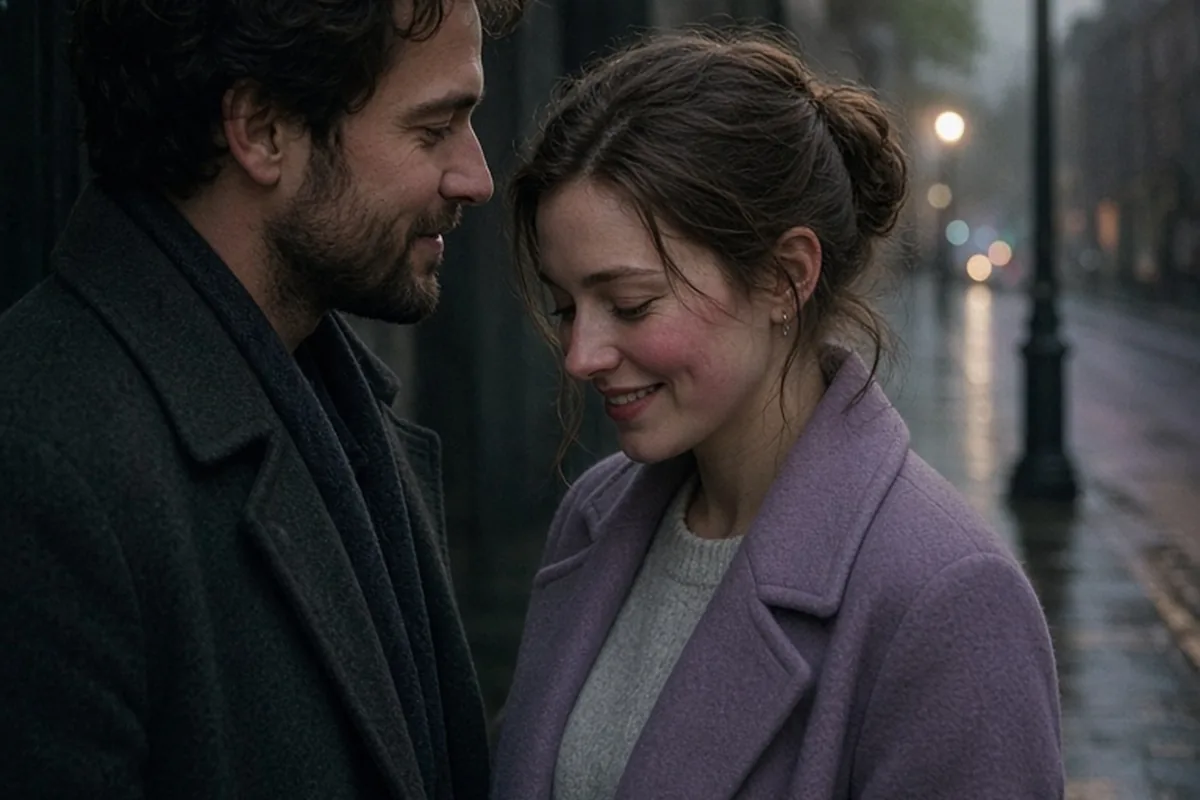
To make someone blush, offer specific, unexpected compliments that focus on unique traits rather than generic looks, pair warm eye contact with a gentle smile, or bring up a charming shared memory. Blushing is an involuntary physical response to feeling seen, appreciated, or pleasantly self-conscious, so the most effective approach relies on genuine sincerity, respectful playful teasing, and observant attention.
While blushing is an involuntary physiological response often linked to modesty or surprise, inspiring that warm reaction in someone you like comes down to emotional presence, intentional timing, and sincere appreciation.
Deliver Highly Specific and Unexpected Compliments
Generic praise like telling someone they look nice rarely triggers a blush because it feels routine and expected. To evoke a genuine reaction, shift your focus to distinctive qualities that show you are paying close attention to who they are as an individual. When you compliment a subtle habit, the specific cadence of their laugh, or the way their eyes light up when discussing a favorite topic, the praise lands with far greater emotional weight. This happens because specific recognition pierces through social superficiality, making the recipient feel uniquely observed and valued in a way that catches them off guard.
For example, instead of saying, 'You have nice hair,' you might say, 'The way you styled your hair today really frames your face beautifully, especially when you smile like that.' The practical difference lies in pairing a concrete detail with an honest personal impression. However, there is a distinct boundary between being charmingly specific and being overly intense. Laying on heavy praise too quickly can feel performative or overwhelming. Aim for a single, well-placed observation delivered casually within an ongoing conversation, allowing the person time to absorb the sentiment without feeling pressured to match your intensity.
Hold Meaningful Eye Contact Paired with a Warm Smile
Visual connection is one of the most immediate catalysts for romantic tension and self-awareness. When you hold someone's gaze for just a second or two longer than normal conversation requires, you create an intimate micro-moment. If that gaze is accompanied by a slow, subtle smile that looks like it is meant entirely for them, the sudden realization that they have your undivided focus often prompts an immediate rush of color to the cheeks. The physiological mechanism is simple: sustained mutual eye contact heightens physiological arousal and makes both parties keenly aware of the shared space between them.
To apply this effectively, maintain natural eye contact while listening to them speak, let your eyes drop slightly to their smile for a fraction of a second, and then return to their eyes as you offer a warm expression. A playful way to soften the intensity is to gently break the gaze downward with a slight chuckle before looking back up. The main pitfall to avoid is an unblinking, rigid stare, which transforms what should be a tender or flirtatious gesture into something uncomfortable or intimidating. The goal is warmth and curiosity, not dominance.
Use Playful and Good-Natured Teasing
Playful banter creates a dynamic where gentle embarrassment and romantic interest intersect, which is the classic environment for a blush. When done with goodwill, teasing highlights a shared familiarity and shows that you feel comfortable enough with the person to joke around without pretense. Pointing out a cute quirk, a harmless slip of the tongue, or an adorable habit signals that you find their everyday imperfections endearing rather than awkward. It momentarily places the spotlight on them in an affectionate, low-stakes manner.
A practical scenario involves referencing a lighthearted moment: if they trip over a word while speaking enthusiastically, you might grin and say, 'Take your time, you do not have to get all tongue-tied just because I am sitting next to you.' This reframes an everyday blunder as a flirty moment of connection. The crucial limit here is ensuring the teasing never touches on genuine insecurities, past trauma, or sensitive personal topics like body image or competence. If the teasing feels critical rather than warm, the resulting blush will stem from genuine humiliation rather than flattered amusement.
Notice the Small Details That Others Overlook
Few things make people feel more pleasantly self-conscious than realizing someone has remembered a tiny, seemingly insignificant detail about them. Whether it is how they take their coffee, an offhand comment they made weeks ago about a childhood memory, or a slight change in their jewelry, pointing it out demonstrates that you invest mental energy into keeping track of their world. This level of attentiveness creates a sudden feeling of exposure—not in a threatening way, but in the delightful realization that they occupy meaningful space in your thoughts.
To put this into action, bring up these observations naturally rather than listing them off like a dossier. For instance, you might say, 'I noticed you switched your ring to your other hand today; it looks really nice on you.' The trade-off to consider is context and timing. If you reveal that you remember an intricate detail from their social media from three years ago before you even met, it can come across as invasive rather than sweet. Keep your observations grounded in real-life interactions and recent, mutual conversations to maintain a healthy, charming dynamic.
Embrace Direct and Disarming Vulnerability
People often blush when someone says what everyone else in the room is thinking but is too hesitant to verbalize. Transparent honesty cuts through polite small talk and creates instant emotional resonance. Admitting that someone makes you nervous, that you were looking forward to seeing them all week, or that you find them captivating requires vulnerability on your part. When you take that emotional leap, it often disarms the other person, prompting a blush in response to your courage and raw sincerity.
Consider a scenario where the conversation experiences a comfortable pause. Instead of filling the silence with idle chatter, you might quietly say, 'I just realized how easily I lose track of time when I am talking to you.' This type of unvarnished statement shifts the energy from casual banter to emotional intimacy. The limitation here is overexposure: if you unload intense romantic declarations too early in an acquaintance, it can create discomfort and pressure. Keep the vulnerability proportionate to your existing rapport, offering a gentle glimpse into your feelings rather than an overwhelming emotional burden.
Incorporate Subtle and Respectful Proximity
Physical distance communicates emotional distance, and closing that physical gap in an intentional, respectful manner naturally raises the energy between two people. Leaning in slightly closer to hear them in a loud room, whispering a private comment, or a brief, gentle touch on the forearm can heighten their awareness of your presence. This close proximity triggers the autonomic nervous system, often resulting in increased blood flow to the face and a visible blush.
For example, while sharing an inside joke, you might lean in slightly and lower your voice to say, 'Let us keep that between us.' This creates a private bubble that isolates the two of you from the rest of the room. The essential boundary here is absolute respect for personal space and non-verbal consent. If the person leans back, crosses their arms defensively, or shifts away, you must immediately honor that boundary and restore physical distance. Physical cues should only ever enhance an existing mutual attraction, never impose upon someone's personal comfort.
Read the Room and Differentiate Positive from Negative Blushing
Blushing is a multifaceted physical response that does not exclusively signify romantic interest or flattering amusement; it can also be a reaction to social anxiety, shame, or feeling deeply uncomfortable under unwanted attention. To maintain healthy communication, you must learn to accurately read the surrounding context and facial expressions. A positive blush is almost always accompanied by a genuine smile, softened facial muscles, lowered or playful eye contact, and relaxed posture. Conversely, a distressed blush often pairs with tight lips, darting eyes, a rigid body, or an attempt to change the subject rapidly.
If you notice that your comment or behavior caused a distressed blush, the best approach is to immediately de-escalate without drawing further attention to their reaction. Calling out someone's embarrassment by saying 'Look, you are turning red!' will only compound their distress. Instead, smoothly pivot the conversation to an external topic, offer a reassuring self-deprecating comment, and give them room to regain their composure. Being socially perceptive and protective of someone's dignity is what ultimately makes you attractive and safe to be around.
Frequently asked questions
Why do people blush when receiving a compliment?
Blushing is an involuntary reaction triggered by the sympathetic nervous system when a person experiences sudden self-awareness, emotional arousal, or modest embarrassment. When someone receives a personal or flattering compliment, the surge of adrenaline causes blood vessels in the face to widen, producing a rosy flush.
Can you make someone blush over text or messaging apps?
Yes, you can make someone blush digitally by sending unexpected, sincere compliments or referencing a sweet shared memory. Messages like 'I just thought of your laugh and it made my day' or 'You looked incredible today' give the recipient time to read and privately react to your words.
What should I do if someone blushes from embarrassment rather than attraction?
If someone seems genuinely embarrassed or uncomfortable, stop the teasing or intense compliments immediately. Seamlessly redirect the conversation to a neutral, everyday topic and avoid pointing out that their face is red, as drawing attention to the blush will only increase their social discomfort.
Is it possible to make someone blush if they are naturally guarded or stoic?
While stoic individuals may have higher emotional control or lower physiological reactivity, they can still be charmed by sincere, understated appreciation. Rather than bold romantic statements, focus on quietly acknowledging their hard work, personal loyalty, or thoughtful actions, which often touches guarded people on a deeper level.
Your next step
Choose one specific, genuine observation about a unique trait or habit you appreciate in the other person, and share it casually during your next one-on-one conversation.