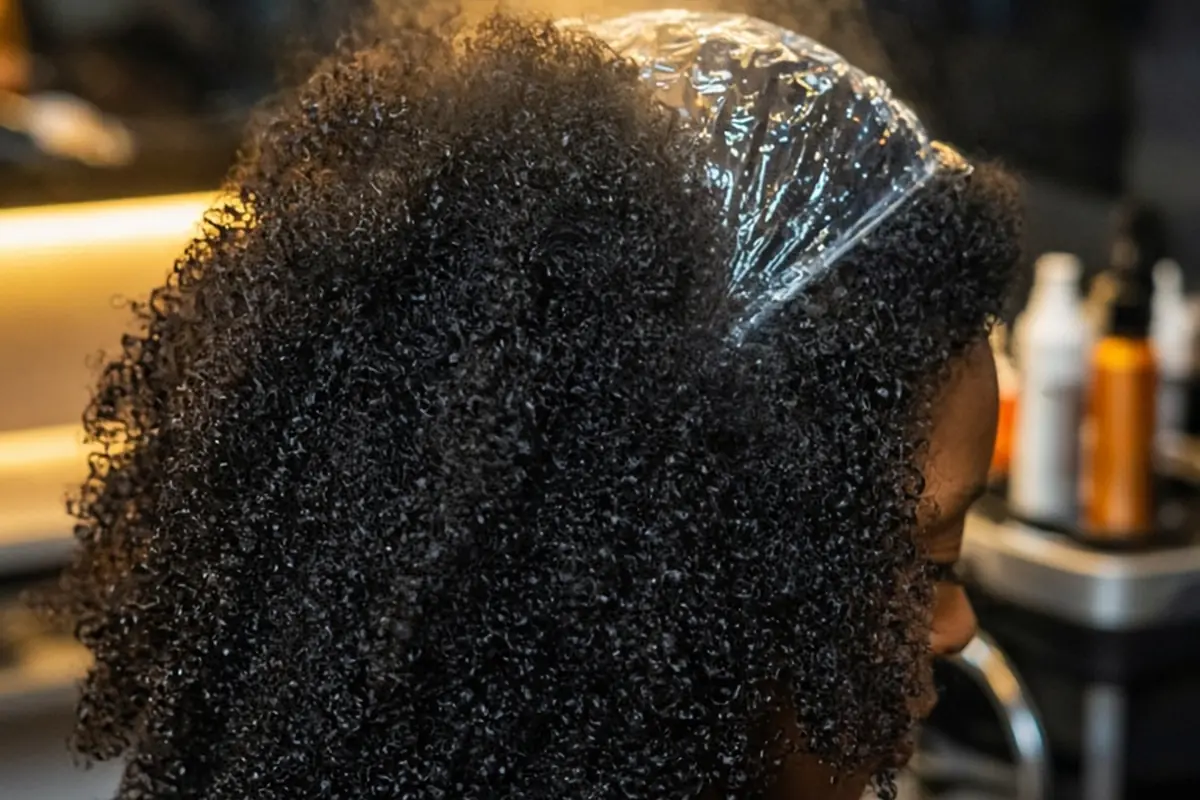
The salon cost to moisturize 4C hair depends on whether the treatment is booked as a standalone hydration service or added to a full wash, detangling, and styling package. Final pricing varies according to hair density, length, detangling labor, the specific hydration method used, such as steam therapy or deep conditioning masks, and the stylist's tier. Contact a local natural hair salon directly for an itemized service quote.
Tightly coiled 4C hair has a unique elliptical strand structure and sharp bends that make it difficult for natural scalp oils to travel down the hair shaft, making regular, deep hydration essential for elasticity and length retention. When at-home conditioners and leave-in products are not enough to combat chronic dryness, professional salon treatments provide deep hydration through concentrated formulations and specialized equipment. Understanding how salons price these moisture treatments helps you evaluate service menus, prepare your hair properly, and choose the most effective appointment for your hair needs and budget.
Professional Salon Moisture Treatments for 4C Hair
Professional moisture services for 4C hair go beyond standard conditioning by addressing the specific porosity, density, and structural needs of tight coils. In a salon setting, stylists use professional-grade formulations that feature high concentrations of humectants, fatty alcohols, and pure emollients. Humectants such as glycerin, aloe vera, and panthenol draw water molecules into the hair cortex, while rich emollients such as shea butter, jojoba oil, and argan oil seal the cuticles to lock in that hydration. For 4C hair experiencing chronic brittleness, professional treatments restore the lipid barrier of the hair strand, significantly improving softness and manageability.
Stylists also assess whether your hair requires moisture alone or a balanced moisture-protein reconstructive treatment. Hair that has suffered mechanical damage from styling, heat exposure, or previous chemical processing often has high porosity, meaning water enters quickly but escapes just as rapidly through compromised cuticles. In these instances, a stylist may apply an amino acid or light keratin infusion before or alongside an intensive moisturizing mask to repair the strand structure. For low-porosity 4C hair, where cuticles are tightly aligned and naturally resist water penetration, salons deploy clarifying treatments to remove product buildup followed by alkaline-balanced hydration masks that gently encourage the cuticle layer to open.
How Salons Structure Moisture Treatment Pricing
Salon pricing for natural hair moisture treatments typically follows one of two models: an a la carte add-on system or an all-inclusive service package. In an a la carte model, the base price covers only the standard wash and scalp cleanse, while deep conditioning, steam hydration, or hot oil treatments are listed as separate line items. If you book an a la carte moisture mask, you must also account for the cost of the final styling service, such as a wash-and-go, two-strand twists, flat twists, or a blow-dry and trim. When calculating the total investment, reviewing the full menu ensures you understand which steps are bundled and which incur independent charges.
Conversely, specialized natural hair salons and curl clinics frequently offer bundled hydration packages. These comprehensive packages generally include a clarifying wash, a custom-blended deep conditioning mask, steam therapy, thorough detangling, a maintenance trim to remove split ends, and a low-manipulation protective style. While the upfront price for an all-inclusive package is higher than an isolated add-on, it provides a predictable total that covers all labor, processing time, and styling products. Salons with tiered staff structures also set pricing based on the stylist's credentialing, charging higher rates for master cosmetologists or certified curl specialists compared to junior stylists.
Factors That Change the Salon Bill for 4C Hair
The overall cost of a salon hydration treatment is heavily influenced by hair density and physical length. Hair density refers to the number of individual strands on your scalp, and 4C hair frequently presents with high density. Stylists must use a larger volume of professional deep conditioner, specialized serums, and sealing butters to ensure every coil is thoroughly saturated from root to tip. Because professional-grade products carry higher wholesale costs for the salon, excessive product consumption on thick, long coils may lead to a supplemental product surcharge.
Labor time is another primary pricing variable. Tightly coiled textures experience significant shrinkage, which can conceal the true length and volume of the hair until it is fully saturated and stretched. Working through dense, long coils section by section requires significant physical effort and time. If a stylist schedules an appointment assuming standard processing time but must spend extended time sectioning, applying treatments, and evenly distributing hydration through compact curl clusters, the salon may apply an extended service fee or charge for additional time blocks.
Steam Hydration Therapy Versus Traditional Deep Conditioning
One of the most common salon upgrades for dry 4C hair is professional steam therapy, which functions differently from standard hooded dryer treatments. A standard hooded dryer relies on dry, indirect radiant heat to warm the conditioning mask on the outside of the hair strand. While dry heat helps open the cuticles to some extent, it can cause the surface product to dry out if left under the hood too long. Steam therapy, by contrast, uses moist heat and micro-sized water vapors to gently lift the cuticle scales without stripping moisture, delivering warm water directly into the hair shaft alongside the conditioner.
Because steam machines require dedicated salon equipment, maintenance, and active monitoring by the stylist, steam hydration is generally priced higher than standard hooded conditioning. The moist environment provided by a professional ozone or micro-mist steamer is especially beneficial for low-porosity 4C hair, which naturally repels cold or ambient water. The elevated temperature of the steam softens the natural sebum on the scalp, unclogs hair follicles, and enables deep conditioning agents to penetrate the inner cortex. Stylists often recommend steam sessions for clients experiencing severe seasonal dryness, dullness, or reduced curl elasticity.
Pre-Appointment Preparation to Avoid Detangling Surcharges
Excessive tangling is one of the most frequent reasons clients encounter unexpected fees during a salon visit. When 4C hair has been kept in a protective style for several weeks, shed hair collects within the root area and curl groupings. If this shed hair is not removed prior to washing, the introduction of water can cause the coils to contract and lock into tight knots or matting. Salons typically include a standard detangling window within their base service, but if extensive matting requires extra time, stylists will bill an hourly or fractional detangling fee to compensate for the disruption to their schedule.
To minimize extra labor charges, prepare your hair thoroughly at home before arriving at the salon. If you are taking down braids, twists, or a sew-in, gently separate each section with your fingers using a light oil or detangling milk to remove shed hair and lint from the roots. Work in small, manageable sections, detangling from the ends upward toward the scalp with a wide-tooth comb or flexible detangling brush. Arriving at the salon with your hair detangled and loosely twisted prevents surprise fees and allows your stylist to devote the appointment time directly to cleansing, treatment, and styling.
Maintaining Salon Moisture Results Between Appointments
A professional salon moisture treatment provides an intensive hydration baseline, but maintaining softness and elasticity requires an effective home care regimen. Without consistent maintenance, the moisture delivered during a salon session will naturally evaporate over time due to environmental factors, indoor heating, friction from clothing, and regular manipulation. To lock in the benefits of your salon treatment, adopt a structured moisturizing routine using water-based leave-in conditioners paired with light-to-medium sealing oils or plant-based butters that complement your hair porosity.
Nighttime protection is equally critical for preserving moisture in 4C coils. Cotton pillowcases and sheets absorb natural oils and conditioning products directly from your hair, leaving the outer cuticle dry and prone to breakage. Sleeping with a high-grade satin or silk bonnet, or resting on a satin pillowcase, preserves moisture levels and reduces friction-induced frizz. Additionally, minimizing direct dry heat from blow dryers and styling irons between salon visits helps keep the cuticle intact, allowing your hair to retain moisture much longer between professional appointments.
Questions to Ask a Stylist Before Booking a Moisture Service
Before scheduling an appointment, contact the salon or review their booking portal to clarify all potential costs and service inclusions. Many natural hair stylists require new clients to book an initial consultation, which may carry a separate fee or be credited toward the day-of service. Inquiring about the consultation policy ensures you understand whether an in-person assessment is mandatory before your treatment can take place.
Ask the stylist whether their listed deep conditioning price includes clarifying washes, steam hydration, detangling, and finish styling, or if those services are billed as standalone add-ons. You should also ask what product lines and treatment technologies they use for tightly coiled textures, whether they charge additional fees for high-density or extra-long hair, and what their cancellation or rescheduling policies entail. Clarifying these details in advance establishes clear expectations and ensures a transparent, surprise-free salon experience.
Frequently asked questions
How often should 4C hair receive a professional salon moisture treatment?
Most natural hair stylists recommend professional deep hydration or steam treatments every four to six weeks. This schedule supports moisture retention, allows the stylist to monitor curl elasticity, and helps address split ends before they cause breakage.
What is the difference between a salon hydration treatment and a regular wash-and-go?
A standard wash-and-go focuses primarily on cleansing, basic conditioning, and defining curls for aesthetic wear. A professional hydration treatment incorporates intensive humectants, prolonged steam or heat processing, and targeted porosity care to repair the inner cortex.
Why do some salons charge extra for detangling 4C hair?
Detangling dense, matted, or heavily shed 4C hair requires significant time, specialized slip-enhancing products, and careful manual sectioning to prevent breakage. When detangling exceeds standard appointment times, salons bill extra labor fees to stay on schedule.
Can low-porosity 4C hair benefit from steam hydration?
Yes, steam hydration is particularly effective for low-porosity 4C hair because the warm, moist vapor gently lifts tightly bound cuticle layers. This allows deep conditioning agents and water to enter the cortex without relying on harsh mechanical friction.
Your next step
Review your local natural hair salon's service menu to compare bundled packages against a la carte options, and request an itemized quote based on your hair density and length before booking.