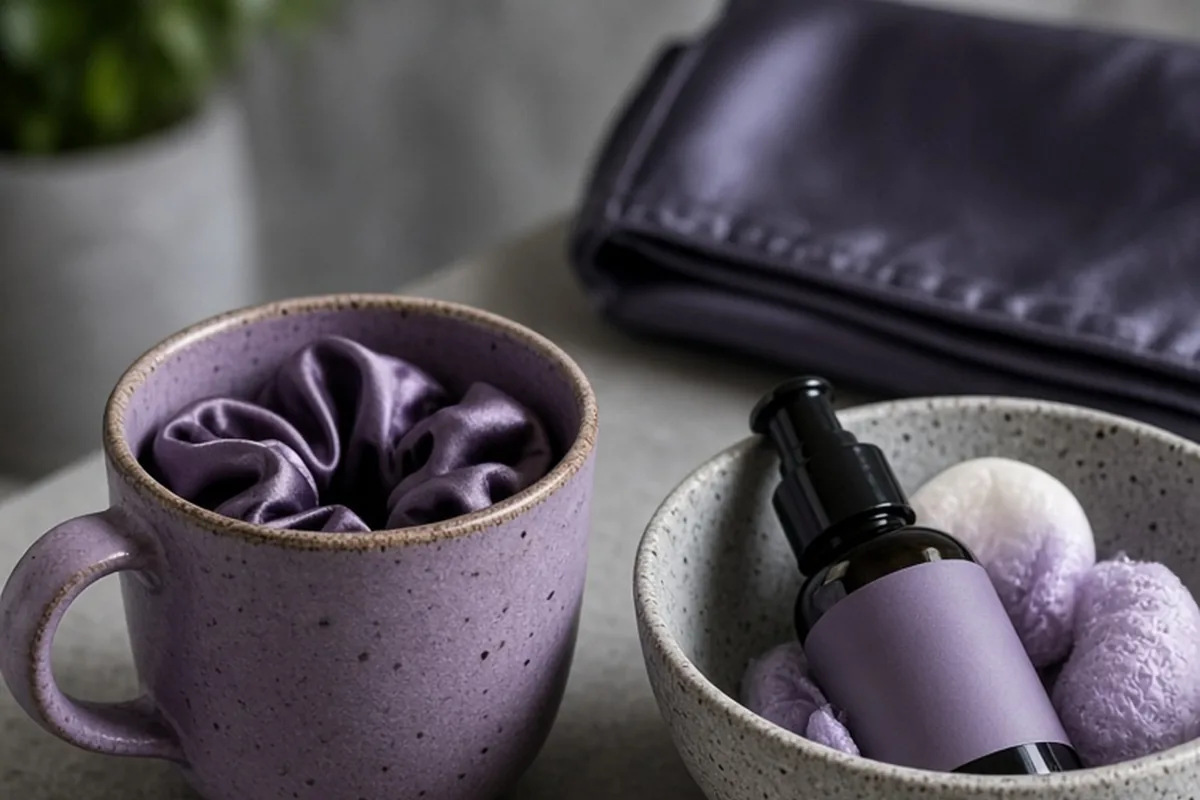
To prepare for hair loss after pregnancy, focus on proactive scalp care, gentle detangling habits, and low-tension hairstyles before heavy shedding begins. Stock up on wide-tooth combs, satin pillowcases, and mild, sulfate-free shampoos while maintaining open communication with your healthcare provider about postpartum nutrition and blood work. Emotionally framing postpartum shedding as a normal hormonal shift rather than damage helps you choose protective routines, avoid costly panic purchases, and protect fragile regrowth.
Anticipating physical changes after childbirth can feel overwhelming, especially when adjusting to life with a newborn while monitoring your own recovery. Preparing your hair care routine before shedding starts gives you practical systems, reduces distress when loose strands accumulate, and helps protect vulnerable follicles during an intense period of hormonal transition.
Postpartum Telogen Effluvium: What Happens to Hair Cycles After Childbirth
During pregnancy, elevated estrogen and progesterone levels keep hair follicles in the active growth phase, known as the anagen phase, for far longer than usual. Most people notice fuller, thicker hair while pregnant because everyday shedding slows down considerably. After delivery, hormone concentrations drop rapidly toward pre-pregnancy baselines. This sharp endocrine shift signals a large portion of hair follicles to enter the resting catagen phase and subsequently the telogen phase simultaneously. When these follicles awaken to begin a new cycle, the resting hairs are pushed out at the same time, producing sudden and noticeable shedding known as postpartum telogen effluvium.
It is essential to distinguish between true shedding and hair breakage so you do not mistake normal shedding for structural hair damage. Shedding originates at the scalp, releasing a full-length strand with a tiny white bulb visible at its root. Breakage, by contrast, occurs when the hair fiber snaps somewhere along the strand, usually resulting in shorter pieces without a root bulb. Postpartum shedding is primarily a follicle-level release driven by hormones rather than rough handling, though aggressive styling can compound the issue by breaking already fragile strands. Understanding this biological mechanism helps you avoid blaming yourself or your daily shampoo when clumps appear in your shower drain.
Setting Up a Low-Tension Hair Routine Before Shedding Starts
The mechanical stress you place on your scalp plays a direct role in how comfortably your follicles endure the postpartum transition. When follicles are already resting and loosened by hormonal shifts, constant pulling can exacerbate thinning around vulnerable zones like the temples, hairline, and crown. Eliminating tight hairstyles before shedding peaks prevents mechanical traction from combining with hormonal shedding. Replace tight, high ponytails, slicked-back buns, and rigid elastic bands with loose, low-manipulation styles held together by soft accessories like silk scrunchies, French pins, or lightweight claw clips.
Establishing low-manipulation habits while you are still pregnant or in the early weeks postpartum creates muscle memory for busier days ahead. Practice styles that protect your ends without pulling on your roots, such as loose three-strand braids, low twists, or soft head wraps tied without excessive tightness. If you routinely wear hair accessories, inspect them for metal joins, sharp plastic teeth, or rubberized grips that catch on strands. Simplifying your daily styling routine also saves precious minutes during hectic newborn days, ensuring you do not feel pressured to blow-dry, straighten, or aggressively manipulate your hair when time is limited.
Tailoring Postpartum Care for Textured, Coiled, and Chemically Treated Hair
Textured hair, including type 3 curls and type 4 coils, requires specialized planning because its unique elliptical fiber structure is inherently more vulnerable to moisture loss and friction. For individuals with coily or tightly curled patterns, protective styles are common staples, but heavy postpartum protective styling carries distinct trade-offs. Styles that incorporate synthetic braiding hair, tight box braids, or heavy cornrows place significant gravitational weight on already loosened follicles. If you plan to wear protective styles, opt for lightweight, tension-free variations such as loose two-strand twists or knotless techniques that do not pull taut at the perimeter.
Detangling textured hair during a shedding phase requires patience, adequate product slip, and careful sectioning. Trying to comb dry curls or forcing knots apart when you are sleep-deprived leads to unnecessary breakage on top of normal shedding. Prepare by keeping deeply moisturizing conditioners with plenty of lubricating slip on hand. Detangle solely on wet, conditioned hair using your fingers or a wide-tooth comb, working systematically from the tips upward toward the roots. For chemically relaxed or color-treated hair, consider spacing out chemical touch-ups to avoid applying relaxers or lighteners directly to sensitive scalps experiencing active shedding.
Establishing a Gentle Scalp Care and Washing Foundation
A healthy scalp environment provides the foundation for new hair strands to emerge unhindered once shedding runs its course. Some postpartum parents feel tempted to stop washing their hair out of fear that shampooing causes hair loss. In reality, hair that falls out during washing had already detached from the follicle days or weeks earlier; washing merely dislodges loose strands trapped in the canopy. Prolonged intervals between washes can allow dead skin cells, natural sebum, and product residue to accumulate around follicular openings, creating inflammation or exacerbating postpartum dandruff.
Develop a regular washing routine using gentle, sulfate-free cleansers that clean the scalp without stripping protective natural lipids. Focus your shampoo application primarily on the scalp rather than dragging product aggressively through the lengths of your hair. Use the soft pads of your fingertips rather than your fingernails to massage the scalp in slow, circular motions, which stimulates blood circulation without scratching tender skin. Rinse thoroughly with lukewarm rather than steaming hot water, as excessively hot temperatures can dehydrate both the scalp barrier and delicate strands.
Building a Pre-Baby Toolkit: Tools and Bedding to Gather Now
Preparing your physical environment ahead of delivery minimizes mechanical friction during the postpartum period without requiring complicated steps. One of the simplest adjustments is replacing standard cotton pillowcases with genuine silk or high-grade satin alternatives. Cotton fibers create microscopic friction as your head moves across the pillow at night, which snags resting hairs and leads to tangles. Satin or silk weaves allow strands to glide smoothly, preserving moisture and cutting down on morning detangling sessions when your hair is fragile.
Assemble a streamlined hair kit kept in an easily accessible basket near your primary nursery or recovery area. Include seamless wide-tooth detangling combs, a soft microfiber hair towel or cotton T-shirt for gently blotting excess water, and leave-in conditioning spray. Microfiber wraps absorb moisture rapidly through gentle pressing rather than vigorous rubbing, keeping hair cuticles flat and minimizing frizz. Having these tools organized beforehand prevents you from reaching for old rubber bands or harsh bristle brushes when you need to quickly secure your hair between infant care routines.
Postpartum Nutrition, Lab Work, and What to Ask Your Healthcare Provider
While hormonal drops are the primary catalyst for postpartum shedding, systemic physical factors can lengthen recovery time or intensify hair thinning. Pregnancy and delivery deplete maternal nutrient reserves, and lactation increases caloric, hydration, and micronutrient demands. Deficiencies in iron and ferritin can impair the body's ability to maintain healthy hair growth cycles. Similarly, postpartum thyroid shifts, such as postpartum thyroiditis, can mimic or exacerbate hair loss, causing widespread thinning, persistent fatigue, and mood changes.
Work collaboratively with your obstetrician, midwife, or primary care doctor during your postpartum checkups rather than self-prescribing over-the-counter hair gummies or unverified megadoses of vitamins. Discuss whether continuing your prenatal vitamin is appropriate, and request baseline blood panels if your shedding feels unusually prolonged, begins very late, or is accompanied by severe fatigue, brittle nails, or significant weight fluctuations. Key tests commonly evaluated include complete blood counts, ferritin, vitamin D, and a comprehensive thyroid panel including thyroid-stimulating hormone (TSH).
Emotional Readiness and Managing the Visual Impact of New Regrowth
The psychological impact of postpartum shedding can be startling, particularly when finding noticeable quantities of hair in your brush, clothing, or shower drain. Preparing mentally involves recognizing that this phase is an expected physiological recalibration rather than an illness or personal failure. Many people find reassurance in normalizing the process before it happens, adjusting their expectations so they do not experience panic when their hair volume noticeably decreases.
Eventually, shedding subsides and new growth emerges, which introduces a new visual phase: short, upright flyaways commonly called 'baby bangs' along the front hairline. You can manage this transition gracefully with practical styling adaptations. Textured haircuts, such as soft layers, curtain bangs, or shorter bobs, can add natural movement and disguise uneven density. Gentle styling pastes, alcohol-free hair mascaras, or soft fabric headbands can help blend short regrowth seamlessly into longer lengths while the new strands catch up with the rest of your hair.
Frequently asked questions
Can I prevent postpartum hair loss from happening altogether?
No practical routine or topical product can entirely prevent postpartum hair loss because it is triggered by an internal drop in pregnancy hormones. You can, however, prepare your hair and scalp to minimize unnecessary breakage, protect your follicles from mechanical tension, and support healthy regrowth as your body recalibrates.
When does postpartum hair loss typically start and end?
Shedding often begins between two to four months after childbirth as follicles complete their resting cycle. While timelines vary based on individual biology and nursing patterns, shedding generally levels off within six to twelve months postpartum as normal hair cycles re-establish.
Do hair growth gummies or collagen powders stop postpartum shedding?
There is no strong clinical evidence that commercial hair growth supplements or collagen powders stop hormonally driven postpartum telogen effluvium. Maintaining balanced postpartum nutrition and consulting your doctor about verified nutritional gaps like iron or thyroid balance is far more reliable and cost-effective.
When should I see a dermatologist or physician about my hair loss?
Schedule a medical evaluation if you notice patchy bald spots, an inflamed, painful, or intensely itchy scalp, or if shedding continues at peak intensity past twelve months postpartum. These signs warrant laboratory tests to rule out conditions like alopecia areata, scalp dermatitis, or underlying thyroid dysfunction.
Your next step
Switch your current hair ties to silk scrunchies and schedule a quick conversation with your healthcare provider about continuing your prenatal vitamin during postpartum recovery.