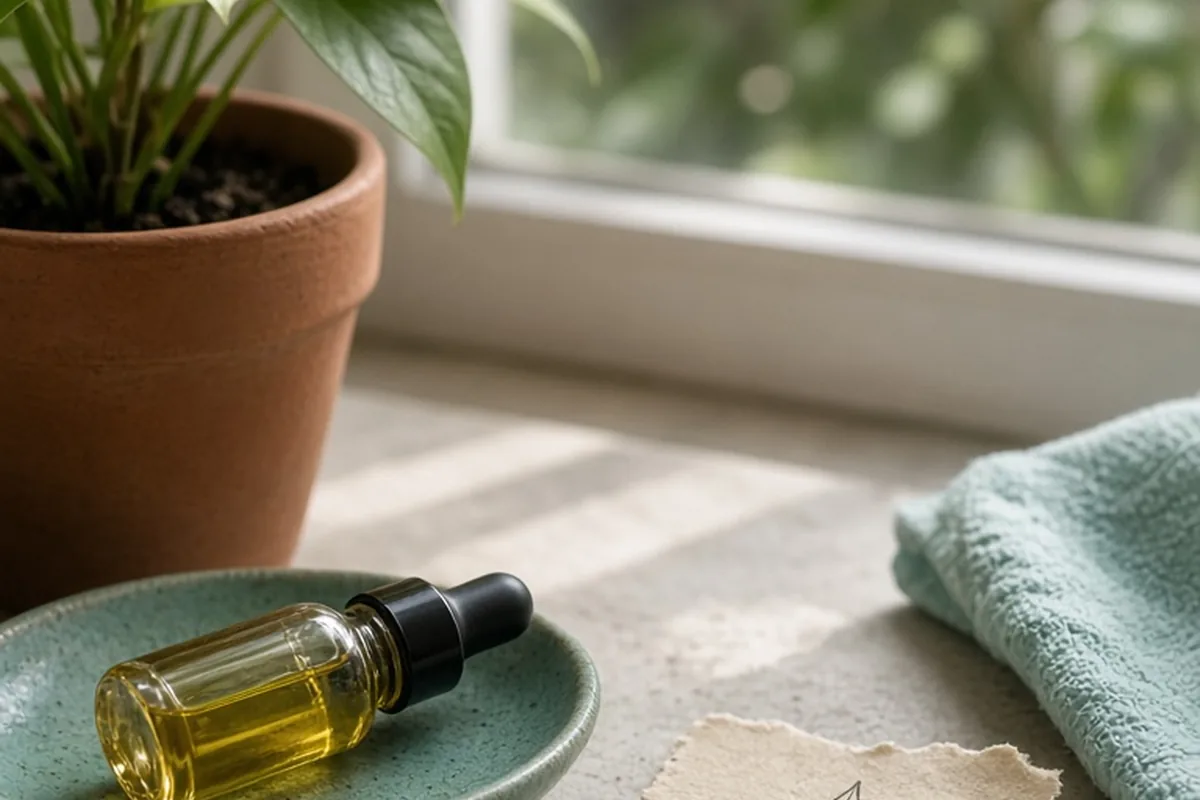
To prepare for hair product buildup removal, identify your specific buildup type—such as stubborn silicones, heavy styling butters, or hard water minerals—and assess your hair porosity. Before washing, gently detangle dry hair in sections, apply a protective pre-shampoo oil to fragile ends if needed, and select a targeted clarifying shampoo or scalp exfoliant. Finally, set aside a rich, moisturizing deep conditioner to restore lost hydration immediately after clarifying.
Over time, everyday styling gels, dry shampoos, silicones, and leave-in conditioners accumulate on the hair shaft and scalp, creating an invisible barrier that repels moisture and leaves strands feeling greasy yet brittle.
Identifying the Type of Accumulation on Your Strands and Scalp
Before selecting a cleanser or stripping treatment, determine whether you are dealing with cosmetic product accumulation, mineral deposits from tap water, or natural sebum combined with shed skin cells. Cosmetic buildup typically manifests as a waxy coating, dullness, reduced volume, or white residue that scrapes off with a fingernail. When hair suffers from silicone and polymer accumulation, it frequently resists water absorption in the shower, taking several minutes to become fully saturated.
In contrast, hard water buildup involves calcium and magnesium minerals bonding directly to the protein matrix of the hair shaft, resulting in a stiff, straw-like texture that feels rough regardless of how much oil you apply. Scalp buildup often presents as itchiness, flaking, or a persistent heavy sensation around the roots. Correctly distinguishing between these issues prevents using the wrong formulation; for instance, a basic clarifying shampoo removes surface styling resins easily but lacks the chelating agents required to dissolve stubborn mineral deposits.
Assessing Hair Porosity, Texture, and Scalp Sensitivity
Your natural curl pattern and strand porosity dictate how aggressively you can cleanse without triggering severe breakage or moisture loss. Low-porosity hair features tightly bound cuticle layers that easily trap heavy oils and synthetic film-formers on the surface, requiring strong clarifying surfactants to open the cuticle and lift debris. However, low-porosity strands bounce back quickly once the surface barrier is cleared, regaining elasticity almost immediately when properly conditioned.
High-porosity, chemically lightened, or fine textured hair demands far greater caution. High-porosity cuticles already have gaps and fissures, meaning strong clarifying agents can penetrate deep into the cortex and leach essential structural moisture. If you have Type 3 or Type 4 textured hair, your strands are naturally prone to dryness due to the irregular shape of the cuticle. For these delicate textures, preparation requires buffering the lengths of the hair with protective barriers while focusing clarifying power strictly on the scalp and upper mid-lengths.
Selecting the Right Buildup Removal Formulation for Your Hair State
Different clarifying agents serve distinct cleansing purposes, and matching the product to your routine prevents unnecessary strand distress. Standard clarifying shampoos rely on stronger anionic surfactants, such as sodium C14-16 olefin sulfonate or ammonium laureth sulfate, which break down heavy waxes, silicones, and styling polyquaterniums. These are ideal for heavy users of edge control gels, pomades, waterproof styling sprays, and synthetic smoothing serums.
If you use mostly water-soluble creams but suffer from an oily or flaky scalp, a chemical scalp exfoliant containing salicylic acid or glycolic acid may be more appropriate than a harsh clarifying wash. Salicylic acid is oil-soluble, allowing it to penetrate and dissolve sebum plugs inside hair follicles without stripping moisture from fragile lengths. For those dealing with combined mineral stiffness and styling build-up, look for chelating formulas containing tetrasodium EDTA or disodium EDTA, which actively bind to and rinse away mineral ions.
Executing Wash-Day Preparation and Pre-Treatment Steps
Preparing the hair before getting into the shower prevents tangles, matting, and excess mechanical damage during the clarifying wash. Always begin by thoroughly detangling your hair while it is completely dry or lightly misted with a detangling fluid. Clarifying shampoos temporarily raise the hair cuticle and strip away slip-inducing lubricants, meaning any pre-existing knots will tighten dramatically once wet washing begins. Work through your hair in four to six manageable quadrants using a wide-tooth comb or flexible paddle brush, starting at the tips and moving toward the roots.
For textured, dry, or color-treated hair, consider applying a lightweight pre-shampoo oil treatment, often called a pre-poo, to the mid-lengths and ends before washing. Applying a small amount of jojoba, sunflower, or coconut oil to fragile ends creates a temporary barrier that shields delicate older hair from the stripping action of clarifying surfactants while allowing the lather to clean the oilier roots. Once prepared, set your shower to warm water rather than hot, as excessive heat can irritate an already congested scalp and overly swell the hair shaft.
Gathering Deep Hydration and pH-Balancing Aftercare
A successful buildup removal session depends just as much on what you apply after cleansing as on the clarifying wash itself. Because clarifying lifts the cuticle scale and strips away all protective lipids, hair is left temporarily vulnerable, porous, and prone to static. Before turning on the tap, have an intensive deep conditioning mask ready at your wash station. Look for masks rich in humectants like glycerin or aloe vera combined with fatty alcohols like cetyl or stearyl alcohol to reintroduce supple moisture.
If your hair feels mushy or overly stretchy when wet, incorporate a balanced protein-moisture treatment containing hydrolyzed wheat, silk, or keratin proteins to support structural integrity. Additionally, keep an acidic leave-in conditioner or pH-balancing mist on hand for your final post-wash step. Products formulated within a mildly acidic pH range of 4.5 to 5.5 help smooth and seal the lifted cuticles flat against the hair shaft, locking in the restorative moisture from your deep conditioner and restoring natural shine.
Special Precautions for Color-Treated and Chemically Processed Strands
Chemically processed and color-treated hair requires an adjusted preparation strategy to avoid premature toner loss, color fading, or chemical compromise. Freshly applied permanent color, demi-permanent glosses, and toning shades sit inside or immediately beneath the outer cuticle layers. Clarifying within the first week following a professional color service can cause noticeable fading, so it is best to postpone intensive buildup removal until at least two weeks post-treatment unless specifically directed otherwise by your colorist.
When clarifying color-treated strands, use a color-safe clarifying shampoo formulated with gentle amphoteric or non-ionic surfactant blends rather than aggressive sulfates. If you have a professional keratin smoothing treatment, check your product labels carefully; standard clarifying shampoos will dissolve the keratin coating and reverse the smoothing effect. In such cases, limit cleansing to sulfate-free, keratin-safe clarifying alternatives or focus chemical scalp serums exclusively on the skin of the scalp using a precision nozzle to avoid touching the treated lengths.
Planning a Realistic Clarifying Frequency to Prevent Future Buildup
Preparation also involves planning your ongoing maintenance schedule so you do not alternate between extreme buildup and over-stripping. Clarifying is not meant to replace your standard routine but to act as a periodic reset. Individuals who use heavy silicones, butters, or frequent dry shampoo may need a dedicated clarifying wash every one to two weeks. Those with fine hair or minimal styling routines might only need to clarify once every four to six weeks.
Pay attention to how your hair behaves in the days following your clarifying session. If your strands feel clean, light, and responsive to moisturizers, your routine is well-calibrated. If your hair quickly becomes dry, brittle, or your scalp produces rebound oiliness within 24 hours, you may be clarifying too frequently or skipping necessary conditioning steps. Maintaining a steady, moderate routine keeps the scalp microbiome balanced while preventing product layers from suffocating the hair follicle.
Illustrative Scenarios
Adjusting Wash-Day Preparation for Heavy Butter Accumulation
An individual with Type 3C curls noticed that their leave-in conditioners and styling creams were no longer absorbing, leaving white flakes and a greasy yet brittle feel across the crown. Believing their hair was simply dehydrated, they kept adding heavier raw shea butter and sealing oils, which only worsened the limp, gummy texture. Before their next wash day, they sectioned their dry hair, thoroughly finger-detangled with a lightweight oil, and applied an EDTA-based clarifying shampoo targeted at heavy polymer removal. They followed the cleanse with a 20-minute heat-assisted deep conditioning mask.
Key point: Attempting to moisturize over existing cosmetic buildup creates a waterproof barrier that worsens dryness; proper preparation through sectioning, dry detangling, and targeted surfactant selection allows subsequent conditioning treatments to actually reach the cortex.
Frequently asked questions
Should I wash my hair with regular shampoo before using a clarifying treatment?
No, you should not wash your hair with a regular shampoo immediately before clarifying. Clarifying shampoos and scalp exfoliants are primary cleansers designed to be applied directly to wet hair or a pre-prepped scalp, and double-cleansing with multiple shampoo varieties can cause excessive dryness.
Can I use household baking soda or apple cider vinegar to remove product buildup?
Household baking soda is strongly alkaline and can severely disrupt the hair cuticle, leading to friction damage and breakage. Raw apple cider vinegar lacks the surfactant power to lift heavy waxes and silicones, though properly diluted acidic rinses can be used after clarifying to help restore scalp pH.
How can I tell if buildup is on my hair shaft or my scalp?
Buildup on the hair shaft feels sticky, waxy, or stiff, and strands often take a long time to absorb water or dry completely. Scalp buildup creates visible flakes, clogged follicles, itching, and an oily film at the roots even when the lengths feel dry.
Will clarifying completely remove my hair toner or dye?
Clarifying can significantly fade semi-permanent dyes, glosses, and pastel toners because it swells the hair cuticle and washes away surface pigments. To minimize color loss, use a color-safe clarifying shampoo, limit exposure time, and always follow with a color-depositing or acidic conditioner.
Your next step
Examine your current styling products and scalp condition today to choose the appropriate clarifying formula, then detangle your dry hair in sections before stepping into your next wash session.