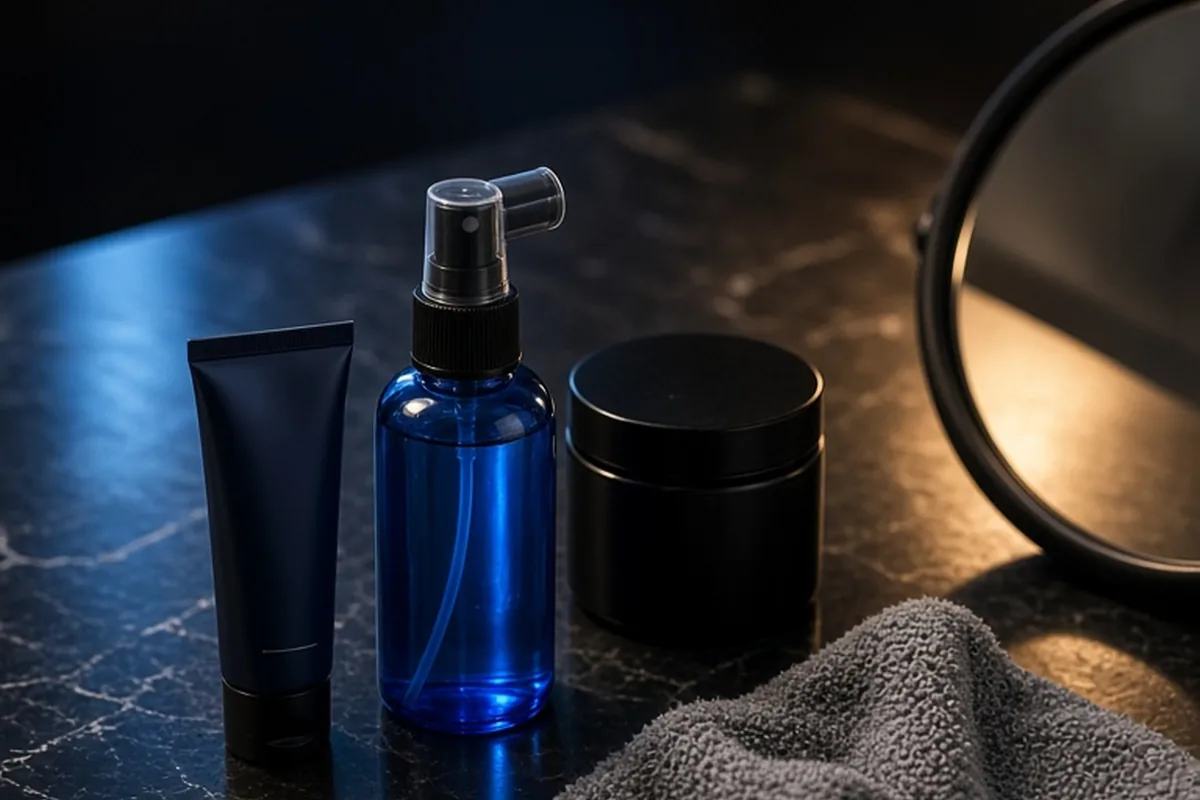
Preparing fine hair for styling requires removing excess oil without stripping moisture, using lightweight heat protectants, and building structural grip before applying heat or pins. Start with a clarifying or gentle volumizing shampoo, apply rinse-out conditioner exclusively from mid-lengths to ends, gently blot water with a microfiber towel, and layer weightless prep mousses or root lifters onto damp strands before blow-drying.
Fine hair has a smaller strand diameter than medium or coarse hair, making it prone to falling flat, absorbing excess product, and sustaining heat damage if it is not prepped correctly. Establishing a deliberate preparation routine allows fine strands to hold shape, project natural volume, and resist humidity without feeling stiff or weighed down.
Cleansing the Scalp and Strands to Build a Weightless Foundation
The success of any style on fine hair depends heavily on the cleanliness of the scalp and the hair cuticle. Because fine hair has a narrow diameter, natural sebum from the scalp travels down the strand much faster than it does on coarse textures, leading to premature limpness and separation. Preparing fine hair starts with a targeted wash using a gentle volumizing or balancing shampoo that removes oil, environmental pollutants, and styling residues without leaving behind heavy conditioning agents.
When dealing with product buildup from dry shampoos, waxes, or silicones, incorporating a dedicated clarifying shampoo once every few washes is beneficial. Focus the lather primarily on the scalp, massaging gently with the pads of the fingers rather than the nails to stimulate blood flow and lift sebum from the follicle base. Rinse thoroughly with lukewarm water, as lingering shampoo residue can mimic grease and prevent styling products from adhering evenly to the hair shaft.
- Select clear or gel-based shampoos rather than opaque, ultra-creamy formulas that often contain heavy conditioning oils.
- Focus lathering efforts directly on the scalp and roots, allowing the runoff to clean the mid-lengths and ends during the rinse.
- Avoid scalding hot water, which can dehydrate delicate strands and prompt the scalp to overproduce oil post-wash.
Strategic Conditioning to Detangle Without Sacrificing Body
Conditioning fine hair requires a delicate balance between providing necessary slip and avoiding unwanted weight. Skipping conditioner entirely leaves fine hair vulnerable to friction, static, and thermal breakage during styling, while applying rich formulas from root to tip flattens volume immediately. The key is choosing lightweight, protein-fortified, or moisture-balancing conditioners designed specifically for fine or low-density textures.
Apply conditioner starting two to three inches away from the scalp, working downward through the mid-lengths and ends where moisture loss and mechanical damage are most common. Use a wide-tooth comb or a flexible detangling brush while the conditioner is in the hair to disperse the product evenly and gently work through knots. After allowing the product to sit for one to two minutes, rinse thoroughly until the water runs completely clear and the strands feel smooth rather than coated.
- Keep rinse-out conditioners away from the first few inches of the root area to maintain natural lift at the crown.
- Opt for rinse-out formulas that utilize lightweight humectants like glycerin or panthenol rather than dense butter bases.
- If ends are especially dry, use a water-based leave-in detangling spray sparingly on damp ends instead of a heavy cream.
Gentle Moisture Removal and Towel-Drying Practices for Fragile Strands
Fine hair is at its most vulnerable when wet because the inner cortex absorbs water, stretching the strand and temporarily weakening its hydrogen bonds. Aggressively rubbing fine hair with a standard terry cloth towel creates surface friction, roughs up the delicate cuticle layer, and introduces unwanted frizz that undermines sleek or polished styling results.
Instead of rubbing, wrap the hair in a smooth microfiber towel or a clean cotton T-shirt, gently pressing and squeezing sections to absorb excess moisture. Squeeze downward along the length of the hair shaft rather than bunching strands upward. The goal is to remove roughly seventy to eighty percent of the water before introducing styling products, ensuring active ingredients are absorbed by damp strands rather than diluted by excess surface water.
Layering Prep Products for Fine Hair Volume and Hold
Product layering on fine hair must be intentional, following a light-to-dense order while keeping overall product quantity minimal. Applying too many formulas or using dense, oil-rich solutions will overload fine strands, causing the finished style to collapse within hours. The ideal foundation combines a thermal protectant, a targeted root lifter, and an airy mousse or texturizing spray.
Start by misting an alcohol-free or low-alcohol heat protectant evenly across damp hair to shield fragile cuticles from blow-dryer heat. Next, apply a targeted root-lifting spray directly to the scalp area along parting lines, lifting sections with your fingers to ensure direct placement. Finally, work an egg-sized dollop of lightweight styling foam or mousse through the mid-lengths and ends to add tactile grip and structural memory. Avoid touching the roots with styling creams or silicone serums during this initial preparation phase.
- Apply heat protectant first so it forms a uniform barrier before texturizing formulas are layered over it.
- Distribute styling foam using your palms and fingers like a comb, ensuring even coverage through all interior sections.
- Steer clear of heavy silicone serums, pomades, and natural oils until after the hair is completely dry, and then use only microscopic amounts on ends if needed.
Rough-Drying and Directional Blowout Prep Techniques
Applying a round brush or direct curling iron heat to soaking-wet fine hair causes heat stress and stretches fragile fibers. Preparing fine hair for finished thermal styling requires a dedicated pre-drying phase, commonly known as rough-drying, which removes residual moisture while manually establishing directional lift at the roots.
Set the blow-dryer to medium heat and medium-to-high airflow. Flip your head upside down or direct the airflow upward from underneath the roots while gently manipulating the hair with your fingers. Directing the airflow against the natural growth pattern lifts the hair off the scalp. Once the hair is roughly eighty-five to ninety percent dry, flip upright and switch to a concentrated nozzle and a medium-sized ceramic or boar-bristle round brush to polish the shape, finishing each section with a blast of the cool-shot button to lock in the volume.
- Work in horizontal sections starting from the nape of the neck and moving toward the crown for consistent tension.
- Keep the dryer nozzle moving constantly to prevent concentrated hot spots from scorching fine fibers.
- Use the cool-shot function for five to ten seconds per section before releasing the hair from the brush to set the curl and volume.
Preparing Fine Hair for Formal Updos and Pinned Styles
Freshly washed, silky fine hair often lacks the internal friction needed to hold bobby pins, braids, or intricate updos in place. If fine hair is too clean and slick, pins slide out, and structured updos gradually flatten. Proper prep for pinned styling focuses on introducing grit and dimensional texture without creating a sticky or unworkable buildup.
When preparing for an updo or formal styling session, wash your hair roughly twelve to twenty-four hours in advance rather than immediately before the appointment, unless your stylist instructs otherwise. If styling on freshly washed hair is required, blow-dry the hair with a volumizing foam and then apply a dry texture spray or a light dusting of volumizing powder at the roots and through the mid-lengths. This imparts microscopic traction along the hair cuticles, allowing pins and elastics to anchor securely throughout the day.
- Avoid deep conditioning treatments, hair masks, or glossing oils within forty-eight hours of a formal pinned style.
- Spray bobby pins with a light mist of medium-hold hairspray prior to insertion to maximize grip against fine strands.
- Use small, clear elastic bands instead of fabric hair ties when creating sub-structures for updos to keep anchors discrete and secure.
Adapting Preparation Steps for Fine Wavy, Curly, and Textured Hair
Fine hair is a measurement of individual strand width, not hair density or curl pattern. Fine strands can exist across straight, wavy, curly, and coily hair types, each presenting distinct styling considerations. Fine curly and wavy hair requires moisture to maintain curl integrity, yet it collapses easily when treated with standard curl products designed for coarse textures.
For fine wavy and curly patterns, replace dense leave-in creams and heavy raw oils with lightweight curl mousses, foaming lotions, or water-soluble gels. Apply products using the praying-hands method over damp hair, followed by gentle scrunching toward the scalp to encourage natural clump formation without spreading the product too thickly on individual strands. Use a diffuser attachment on low heat and low speed, cupping curls toward the head without vigorously touching or manipulating the hair while wet to prevent frizz.
- Look for curl definers that list water and aloe vera as primary bases rather than heavy shea butter or coconut oil.
- Hover the diffuser around the root area first to build lift before cupping and drying the fragile curl ends.
- Scrunch out any light gel cast only when the hair is one hundred percent dry, using completely dry hands.
Frequently asked questions
Should fine hair be completely dry before using hot tools like curling irons or flat irons?
Yes, fine hair must be one hundred percent dry before applying direct contact heat from curling irons or flat irons. Using hot tools on even slightly damp fine hair causes moisture inside the cortex to boil rapidly, leading to severe thermal damage, bubbling of the cuticle, and breakage.
Can I use hair oil as a prep step on fine hair?
Raw plant oils and silicone-heavy hair serums should generally be avoided as prep products on fine hair because their molecular weight pulls down volume. If your ends require extra slip or shine, apply a single drop of lightweight, dry oil strictly to the ends after all styling and drying are complete.
How do I keep fine hair from going flat immediately after styling?
To prevent fine hair from falling flat, allow styled sections to cool completely while pinned in place or supported by rollers before brushing them out. Additionally, ensure you use lightweight prep mousses for internal memory and finish with a humidity-resistant, flexible-hold hairspray rather than heavy wet sprays.
Is dry shampoo helpful during the prep phase for fine hair?
Yes, applying a light mist of dry shampoo to clean, dry roots right after blow-drying serves as an excellent preventative prep step. It creates immediate lift, adds matte grip, and absorbs natural scalp oils as they appear, keeping fine hair voluminous throughout the day.
Your next step
Assess your styling goal today, select a clarifying wash and a featherlight volumizing mousse, and prepare your fine hair by thoroughly rough-drying the roots before applying heated tools or pins.