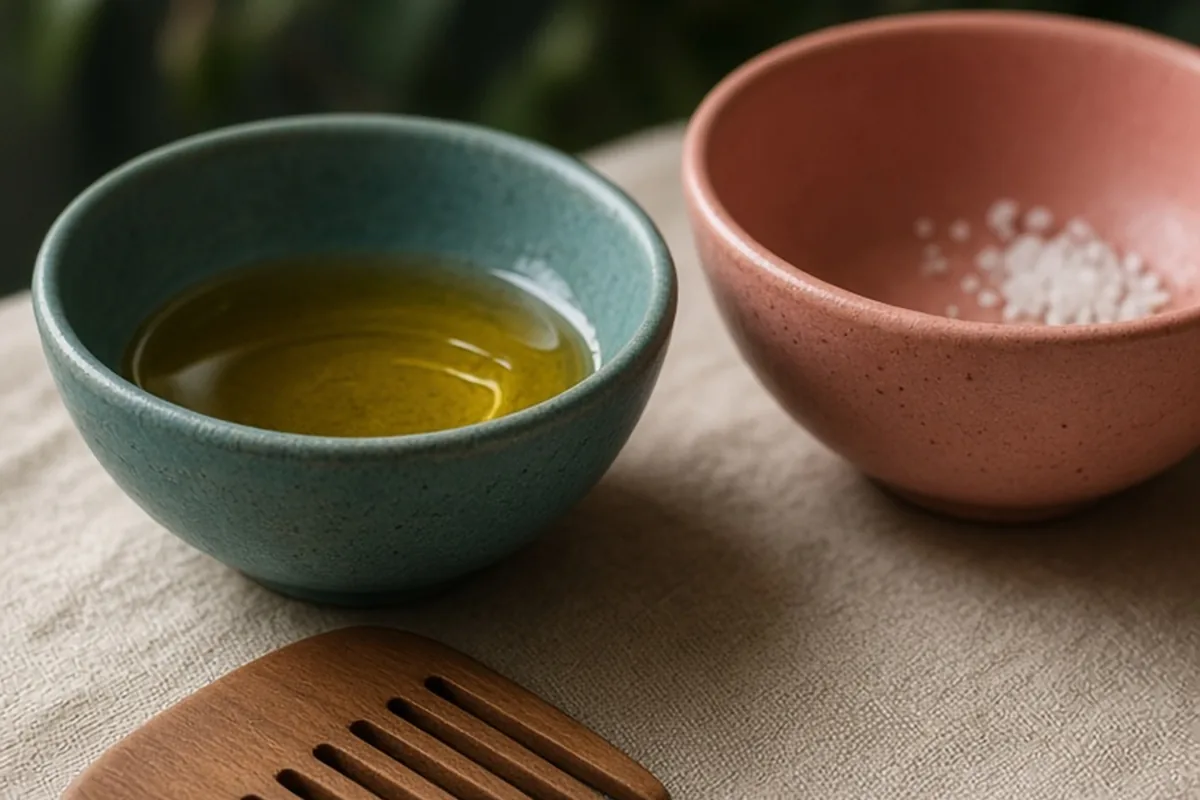
To prepare for moisturizing shampoo products, first evaluate your scalp and hair needs to determine if you have product buildup that requires a preliminary clarifying wash. Next, gently dry-detangle with a wide-tooth comb and apply a light pre-shampoo oil or conditioning treatment if your strands are prone to extreme dryness or breakage. Finally, thoroughly saturate your hair with warm water for at least two minutes before lathering so the moisturizing surfactants can distribute evenly without causing friction.
Switching to a hydrating hair wash routine involves more than simply swapping out bottles in your shower. How you prep your scalp, loosen existing tangles, and manage moisture barriers directly impacts how well your hair absorbs the nourishing ingredients in rich cleansing formulas.
Assessing Hair Porosity and Scalp Condition Before Changing Formulas
Before introducing a moisturizing shampoo to your regular regimen, take time to evaluate your hair porosity and the current state of your scalp. Hair porosity refers to how easily your hair cuticles absorb and retain moisture. Low-porosity hair features tightly bound cuticles that resist water and rich ingredients, often leading to surface buildup rather than hydration. In contrast, high-porosity hair has raised or damaged cuticles that absorb moisture rapidly but lose it just as quickly. Identifying your porosity helps you decide whether you need heat and prolonged water saturation during preparation or a barrier-forming pre-treatment.
Your scalp environment also requires distinct consideration from your hair lengths. A moisturizing shampoo is engineered to cleanse without stripping natural oils, but it is not always formulated to resolve heavy sebum production or flaking caused by microbial imbalance. If your scalp is naturally oily, applying a heavy hydrating formula directly to unwashed roots without targeted prep may leave your roots limp or congested. Conversely, a tight, dry, or irritated scalp benefits significantly from the soothing humectants and fatty lipids in moisturizing washes. Balancing the moisture needs of your hair shafts with the cleansing demands of your scalp ensures your preparation routine targets both areas effectively.
Performing a Clarifying Reset to Eliminate Old Product Buildup
A common reason moisturizing shampoos fail to deliver soft, pliable hair is the presence of stubborn residue from styling products, heavy silicones, mineral deposits from hard water, or dry shampoos. When hair fibers are coated in synthetic film or excess oils, the conditioning agents in moisturizing cleansers cannot penetrate the cuticle layer. Instead, these beneficial ingredients sit on top of old residue, creating a greasy, heavy, or brittle texture often mistaken for product failure.
To give your new moisturizing wash the cleanest foundation possible, schedule a clarifying reset wash one or two wash cycles before starting your new routine. Use an effective clarifying shampoo designed to strip away environmental pollutants, silicones, and mineral buildup. Focus this clarifying wash primarily on the root area and gently work the lather through the lengths. Once your hair is thoroughly reset and freed from coating agents, subsequent moisturizing shampoos can interact directly with the hair fiber and scalp to deliver genuine hydration.
Applying a Pre-Shampoo Treatment to Protect Fragile Strands
Pre-shampoo treatments, commonly referred to as pre-poos, create a protective shield over delicate strands before they encounter water and cleansing surfactants. When hair is submerged in water, the hair shaft swells; as it dries, it contracts. This constant expansion and contraction, known as hygral fatigue, can weaken hair elasticity over time, especially in chemically treated, high-porosity, or coily hair textures. Applying an oil or rich conditioner prior to washing limits excessive water absorption while preventing the shampoo from stripping away all natural lipids.
To apply a pre-shampoo treatment, divide dry or slightly damp hair into manageable sections. Apply a lightweight plant oil like jojoba, sunflower, or argan oil for fine to medium strands, or a richer oil such as coconut, olive, or avocado oil for dense, coarse, or highly porous curls. Smooth the oil from the mid-lengths down to the ends, leaving it on for 15 to 30 minutes before stepping into the shower. If your hair is brittle or damaged, a conditioning pre-poo mask containing botanical butters and hydrolysed proteins can provide extra slip and structural reinforcement.
Gentle Detangling Strategies on Dry or Pre-Treated Hair
Attempting to untangle knotted hair while it is wet and covered in shampoo lather is a leading cause of mechanical breakage and split ends. Wet hair stretches more easily than dry hair, making individual strands vulnerable to snapping when pulled with a brush or comb. Preparing your hair with thorough detangling prior to stepping under the shower stream keeps the wash process smooth and prevents knots from tightening under the pressure of running water.
Always detangle in small, manageable sections using a wide-tooth comb, a flexible detangling brush, or your fingers. Start detangling at the very ends of the hair, gently working through small snarls before moving upward toward the roots. If your hair is prone to severe tangling, apply your pre-shampoo oil or a dedicated detangling spray first to provide lubricity and slip. Never force a comb through a stubborn knot; instead, use your fingertips to separate the intertwined strands sideways before continuing with the comb.
Sectioning and Water Saturation for Thick or Textured Hair
Thick, dense, curly, or coily hair types benefit immensely from being sectioned before getting wet. Washing dense hair as a single, loose mass often leads to uneven cleansing, missed spots at the crown and nape, and severe friction between strands. By separating your hair into four to six distinct sections secured with non-snag clips, you maintain complete control over how each area is saturated, cleansed, and rinsed.
Water temperature and duration of saturation are equally critical preparation steps. Drench your hair with warm water for at least two full minutes before reaching for your shampoo bottle. Warm water opens the cuticle layer gently, allowing water to soften accumulated oils and loosen debris. Rushing this step leaves the inner layers of thick hair completely dry, which forces you to use far more shampoo than necessary. Ensure every section is fully soaked so the moisturizing formula can emulsify effortlessly without excessive rubbing.
Emulsifying and Applying Moisturizing Shampoo Products Effectively
Moisturizing shampoos typically contain rich emollients, mild surfactants, and conditioning agents that behave differently from traditional sulfate cleansers. Applying a concentrated glob directly onto the top of your head can result in uneven distribution and concentrated buildup. To prepare the product for application, dispense a quarter-sized amount into your palms, add a few drops of warm water, and rub your hands together briskly until a creamy, uniform lather forms.
Work the emulsified shampoo directly into the scalp using the pads of your fingertips rather than your fingernails. Massage in small, circular motions across the hairline, crown, sides, and nape to lift sebum and dead skin cells. Allow the lather to travel naturally down the mid-lengths and ends as you rinse, rather than gathering the ends on top of your head and scrubbing them. The lather is sufficient to clean the lengths without roughing up the cuticles or stripping moisture from the oldest parts of your hair.
Coordinating Follow-Up Conditioning and Maintenance Routines
Preparing for a moisturizing shampoo routine also requires planning your post-wash conditioning steps. A moisturizing shampoo leaves the hair clean while depositing humectants and conditioning agents, but it must be paired with a compatible rinse-out conditioner or deep treatment to seal the cuticle. Match your conditioner weight to your hair density: lightweight lotions for fine textures and rich, buttery masques for coarse or chemically processed hair.
Establish a realistic schedule for your wash days. Because moisturizing shampoos are gentle on the hair shaft, they are suitable for regular use, but your optimal cadence depends on your lifestyle, climate, and oil production. If you exercise frequently or live in an area with hard water, you may need to alternate your moisturizing washes with an occasional clarifying wash every three to four weeks to maintain a clean scalp environment while preserving moisture balance.
Frequently asked questions
Can I use a moisturizing shampoo if I have fine hair?
Yes, fine hair can benefit from moisturizing shampoos if you select lightweight formulas free of heavy mineral oils or thick silicones. Focus the shampoo strictly on your scalp roots and ensure you rinse thoroughly with warm water to prevent strands from being weighed down.
How often should I use a clarifying shampoo before my moisturizing wash?
Most people only need a clarifying reset every three to six weeks, depending on the amount of styling products, dry shampoos, or hard water minerals present. Over-clarifying can strip natural moisture and counteract the benefits of your hydrating routine.
Should I apply pre-shampoo oils to dry or wet hair?
Pre-shampoo oils are most effective when applied to dry or slightly damp hair. Dry hair absorbs natural plant oils more readily, which helps reinforce the lipid barrier and reduce mechanical friction before water enters the hair shaft.
Why does my hair feel coated after using a moisturizing shampoo?
A coated or sticky feeling usually indicates that residual styling products were not cleared before washing, or that the shampoo contains heavy conditioning agents unsuited to your hair density. Using a clarifying wash first and thoroughly emulsifying the shampoo in your hands before application will resolve this issue.
Your next step
Examine your scalp for buildup today, schedule an initial clarifying wash if needed, and apply a lightweight plant oil to your ends before your next moisturizing shampoo session.