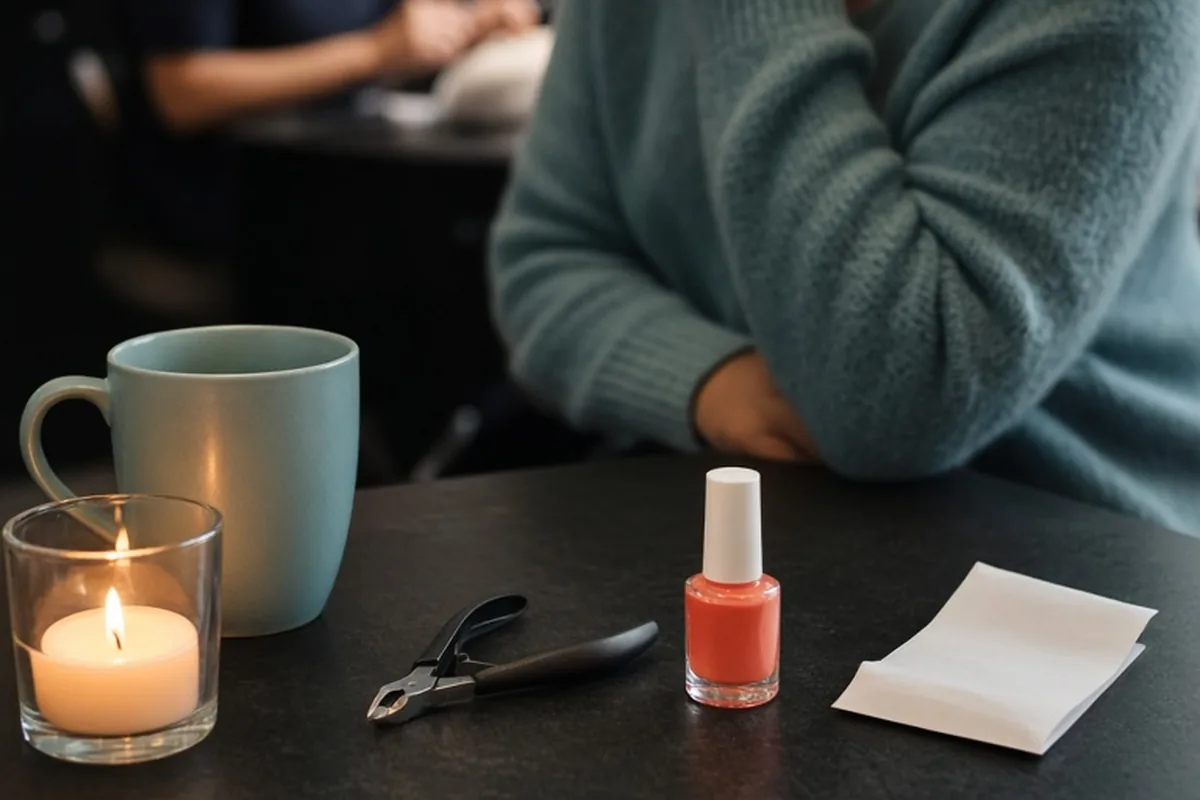
To request a correction after a bad pedicure, speak up immediately if you are still in the salon by politely pointing out the exact issue—such as uneven shaping, smudged polish, or missed cuticles—to your technician or the front desk. If you have already left, call the salon within twenty-four to forty-eight hours, explain the specific problem calmly, and request a quick touch-up or polish change with an available technician.
Leaving a salon dissatisfied with your pedicure can feel frustrating, especially after investing personal time and money into a grooming treatment. Knowing how to communicate your concerns clearly and respectfully helps ensure you receive the quality service you paid for while maintaining a constructive relationship with salon staff.
Identifying the Specific Problem Before Speaking Up
Before you approach your technician or call the salon front desk, take a moment to evaluate exactly what went wrong with your pedicure. A generalized complaint such as saying you simply do not like the result can make it difficult for the salon to provide a practical solution. Clear issues generally fall into distinct categories, including cosmetic flaws like uneven nail filing, lumpy application, streaky lacquer, or smudges, and technical errors such as unaddressed rough calluses or cuticles trimmed too aggressively.
Differentiating between subjective preferences and objective technical flaws is essential when framing your request. For example, if you chose a color swatch that looks slightly different under natural sunlight than under artificial salon lighting, that is a subjective aesthetic mismatch. In contrast, bubbling topcoats, crooked edges, or polish pooling on surrounding skin represent objective application mistakes that the salon is normally expected to correct. Pinpointing the exact defect allows the technician to address the issue quickly without guessing.
- Uneven nail lengths, jagged free edges, or asymmetric toe shaping
- Streaky, thick, or bubbling polish coats that fail to cure evenly
- Excess polish left curing or drying directly on the surrounding skin
- Premature chipping, peeling, or lifting within twenty-four to forty-eight hours of application
- Missed dry skin patches or uneven exfoliation across the heels and soles
Addressing Issues While Still in the Salon Chair
The easiest and most efficient time to request a correction is while the service is still actively taking place. Nail technicians work through distinct stages—soaking, shaping, cuticle care, scrubbing, and polishing—and modifying work during the process requires far less time than redoing the finished service later. If you notice that a toenail is filed crooked or too short, pointing it out immediately gives the professional an opportunity to adjust the remaining nails for balance before applying color.
Speaking up in the chair does not require confrontation; a polite, conversational observation is usually all that is needed. You might say, for instance, that you noticed a small dent in the second coat or that the big toe looks slightly longer than the other side. Most nail technicians genuinely want their clients to leave satisfied and appreciate early feedback because fixing a single wet coat takes seconds, whereas repairing a cured gel or fully dried regular lacquer requires soaking, buffing, and complete reapplication.
If your technician seems distracted, rushed, or uncooperative when you bring up a minor correction, remain calm and wait until the service reaches a natural pause. At that point, you can politely inform the technician that you would like a second look at the finish before paying, or you can quietly mention your concern to the salon receptionist during checkout so they can assign another staff member to touch up the work.
Reaching Out After Leaving the Salon
Sometimes pedicure defects only become apparent once you leave the salon, step into bright outdoor lighting, or put on shoes. In other instances, regular polish may smudge on your drive home despite waiting through the drying cycle, or gel polish might begin peeling away at the edges within a day. When this happens, timeliness is your most valuable asset. Most reputable salons operate with an informal or formal complimentary repair window, usually lasting between twenty-four and seventy-two hours for standard lacquer and up to seven days for gel enhancements.
When contacting the salon by phone, clearly state when your appointment occurred, the name of your technician if you remember it, and the specific issue you are experiencing. Keeping your tone calm and solution-oriented encourages the front desk coordinator to fit you in for a quick adjustment rather than putting you on the defensive. You can explain that you enjoyed the salon atmosphere but noticed peeling or smudging shortly after arriving home, and ask when an artist might have ten minutes available to fix the affected toes.
If you are unable to return to the salon immediately due to work or travel commitments, call as soon as you spot the problem anyway to establish a documented timeline. Mention your scheduling limitation directly to the receptionist, take clear photographs of the flaws in good lighting, and arrange an appointment for the earliest date you are free. Documenting the issue promptly verifies that the failure occurred shortly after the initial appointment rather than as a result of extended two-week wear and tear.
- Call as soon as you notice the defect, ideally within twenty-four to forty-eight hours of service
- State your appointment details clearly, including the date, time, and service type
- Describe the exact issue concisely without placing emotional blame on staff
- Offer flexibility regarding who performs the touch-up to make scheduling easier
- Take date-stamped reference photos if you cannot visit the salon immediately
Deciding Between the Original Technician and Management
Choosing whom to speak with depends largely on the nature of the issue and your comfort level with the original technician. For simple polish chips, minor shaping adjustments, or light surface defects, returning to the original nail technician is standard practice. It allows the professional to see the result, understand what needs adjustment, and complete the repair quickly without disrupting salon workflow. Most technicians take pride in their craft and welcome the opportunity to make things right.
However, if your dissatisfaction stems from poor hygiene standards, painful cuticle nipping, unprofessional demeanor, or a complete misunderstanding of the requested service, speaking directly with a manager or salon owner is more appropriate. In these situations, explain your experience objectively to management away from the main floor. You can request that a more experienced technician perform any necessary corrections, ensuring you do not feel uncomfortable during the redo.
Navigating Redo Policies, Payment, and Tipping
Understanding salon policies surrounding repairs will help you navigate the financial side of a correction visit smoothly. When a salon agrees to fix an application error, premature chip, or uneven shaping resulting from technician execution within their guarantee window, the correction itself should be entirely complimentary. If you decide to change your mind completely about the color or ask for additional services not included in the original booking, the salon may reasonably charge for the extra time and materials.
Tipping during a correction appointment can occasionally cause confusion. If your original technician provides a prompt, polite fix for an honest mistake, offering a modest tip to show appreciation for their time is a thoughtful gesture, though not strictly required. If a different technician is assigned to fix another staff member's mistake, tipping that new professional is customary because they are setting aside time from their regular commission-earning schedule to resolve an issue they did not cause.
Recognizing Safety Concerns and When Not to Request a Fix
While most pedicure issues are purely cosmetic, certain situations involve skin irritation, cuts, or safety risks where requesting a salon fix is ill-advised. If a technician cut your cuticle too deeply, removed excessive skin with a razor blade, or left surrounding tissue swollen, inflamed, or painful, you should avoid having anyone at the salon touch that area again. Applying additional chemicals, scrubs, or polish over broken skin can increase the risk of bacterial or fungal contamination.
In cases involving painful cuts, open wounds, or signs of localized irritation, shift your focus from cosmetic beauty to proper hygiene and care. Clean the area gently with mild soap and water, keep it clean and dry, and consult a qualified healthcare professional or podiatrist if you notice escalating redness, swelling, warmth, or discharge. If a salon repeatedly engages in unhygienic practices or aggressive, painful tool use, it is best to forgo a correction entirely, request a refund from management, and choose a different facility in the future.
Preventing Pedicure Dissatisfaction in Future Visits
Preventing unsatisfactory salon visits often comes down to proactive communication at the beginning of your appointment. Before the technician begins clipping or filing, state your preferences clearly, including your desired toenail shape, whether you prefer your cuticles lightly pushed back rather than trimmed, and any sensitivity you have on your heels or arches. Bringing an exact reference photo for complex designs or color combinations also eliminates ambiguity.
Furthermore, observing salon hygiene standards before sitting down can help you choose reputable service providers. Look for clean workstations, sterilized implements removed from sealed pouches in front of you, tub liners or pipe-free cleaning protocols, and technicians who wash their hands between clients. Establishing a relationship with a single, dependable technician who understands your preferences over time significantly reduces the likelihood of future misunderstandings or poor results.
Illustrative Scenarios
Resolving a Gel Pedicure Application Defect
A client received a gel pedicure on a Thursday afternoon and noticed by Friday morning that the topcoat had bubbled on two toes and lifted along the side wall of the right big toe. Rather than waiting for the entire set to peel, she called the salon reception desk Friday at noon, described the lifting calmly, and asked if someone could buff and reseal the two affected nails. The salon scheduled a fifteen-minute touch-up for Saturday morning with an available technician, who fixed the lifting free of charge without having to redo the entire service.
Key point: Contacting the salon promptly with specific details about the defect allows staff to schedule a quick, focused correction without friction or added cost.
Frequently asked questions
How long after a pedicure can I ask for a fix?
Most salons honor complimentary corrections within twenty-four to forty-eight hours for regular nail polish and up to five to seven days for gel pedicures. It is best to contact the salon as soon as you notice the problem so they can log your request within their standard service policy window.
Should I leave a tip if I return for a free correction?
If your original technician corrects the issue quickly and graciously, a small tip is a polite way to acknowledge their effort, though not mandatory. If a different technician steps in to fix someone else's work, providing a standard tip is strongly recommended since they are spending unpaid chair time on your repair.
What if the salon refuses to fix my pedicure?
If a salon denies a reasonable repair request for an obvious technical flaw, speak calmly with the general manager or business owner to explain the situation. If they remain unwilling to assist, consider it a clear sign to discontinue patronizing the establishment and leave an objective, factual review of your customer service experience.
Your next step
Inspect your toenails in good lighting immediately after your service, and if you spot an issue, call or speak with the salon within twenty-four hours using clear, specific descriptions of the fix you need.