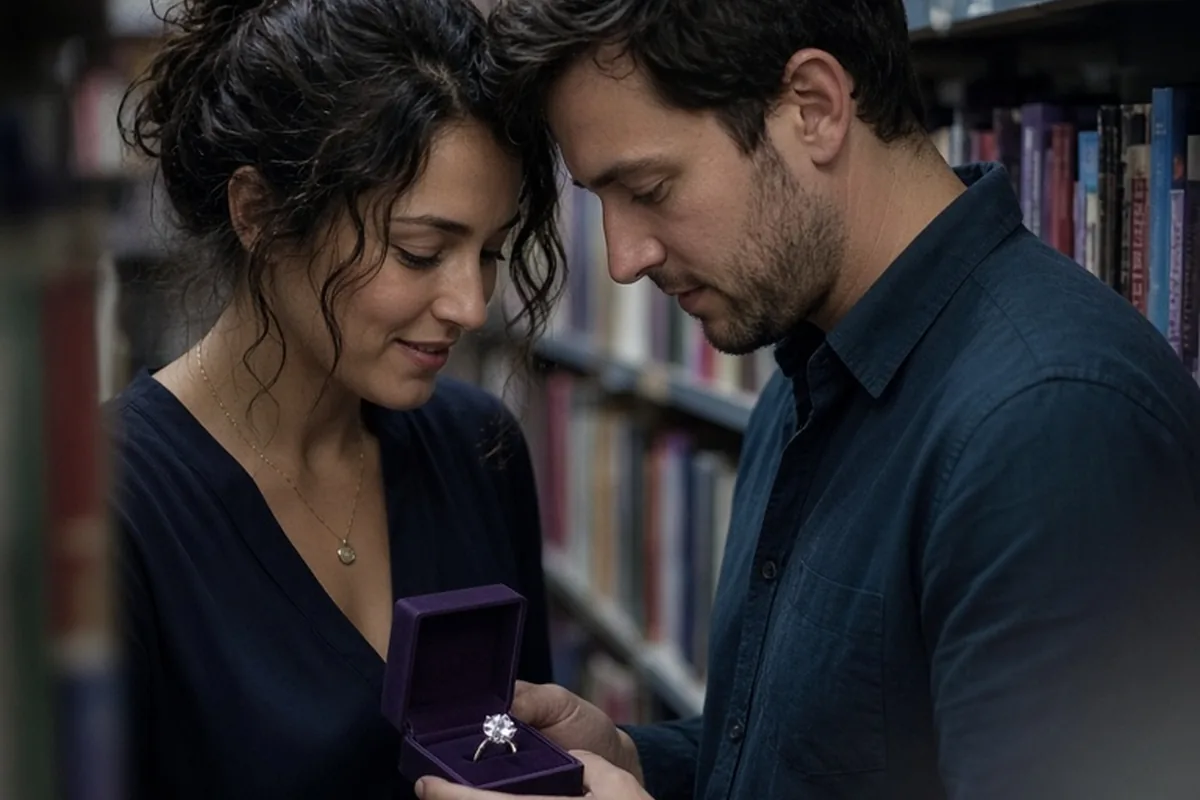
To save money on lab grown diamond resale value, minimize your initial purchase price by avoiding high retail brand markups, prioritizing cut quality over undetectable clarity grades, and securing reputable independent certification. When selling, you recover the most value by separating the stone from precious metal mountings, comparing peer-to-peer listings against specialized pre-owned jewelry platforms, and avoiding traditional pawnshops that offer steep discounts on synthetic gems.
Lab grown diamonds share the physical, optical, and chemical properties of mined gems, yet their secondary market operates under entirely different financial dynamics. Navigating resale requires understanding production economics, vendor policies, and direct consumer demand so you do not absorb unnecessary losses.
Why Lab Grown Diamond Resale Value Drops Sharply After Purchase
A primary driver behind the steep difference between retail pricing and resale offers for lab created diamonds is the continuous evolution of manufacturing technology. Unlike mined diamonds, which rely on finite geological deposits and established extraction pipelines, laboratory stones are produced in industrial reactors using chemical vapor deposition or high-pressure high-temperature methods. As production methods advance and facility capacity expands across international manufacturing centers, the wholesale cost to create identical rough stones drops systematically. When new retail stones enter the market at progressively lower price points, pre-owned inventory immediately reflects that downward pressure, leaving secondary buyers unwilling to pay past retail rates.
Traditional retail markups also compound this discrepancy. A retail jeweler must factor storefront overhead, custom bench jeweler labor, marketing campaigns, and showroom staffing into the retail price tag of a finished engagement ring. When you attempt to resell that item, prospective buyers or secondary dealers evaluate only the baseline material value of the unmounted gem and its scrap metal weight. Because wholesale dealers can acquire fresh, freshly cut lab diamonds on demand from commercial distributors without quality flaws or wear, secondary market liquidity for pre-owned lab diamonds remains limited, meaning jewelers rarely offer substantial buyback quotes.
Minimizing Upfront Purchase Premiums to Protect Eventual Value
The most effective way to save money on resale is to avoid paying unnecessary premiums during your original purchase. The gap between your initial outlay and your eventual recovery amount represents your true financial loss. When shopping, avoid paying inflated brand surcharges from luxury fashion houses or high-end mall retailers that market lab diamonds under private proprietary labels. These branded stones carry significant retail premiums that vanish instantly once you step outside the store, as secondary buyers evaluate stones strictly by standard grading criteria rather than retail brand provenance.
Focus your initial budget strictly on visual performance rather than invisible paper specifications. Diamond cut quality dictates light performance, fire, and brilliance far more than extreme clarity or color grades. A lab diamond with an ideal cut, eye-clean clarity, and a near-colorless grade will present virtually identically to a flawless, colorless stone when worn on a hand, yet it costs substantially less at checkout. By refusing to pay top-dollar for microscopic purity traits that secondary buyers will not pay a premium for, you compress your initial purchase price and automatically limit potential depreciation.
Preserving Value Through Precious Metal Settings and Strategic Separation
When selling a completed piece of jewelry featuring a lab grown stone, the mounting often represents the most reliable store of tangible monetary value. Precious metals such as platinum, yellow gold, rose gold, and white gold trade on established global commodity exchanges. While synthetic diamonds experience price volatility driven by factory supply, refined precious metals maintain consistent scrap and melt market valuations based on current spot prices. Choosing high-purity gold or durable platinum mountings during the original design stage provides a permanent hedge of intrinsic worth that remains liquid across jewelry buyers worldwide.
Before listing a ring or pendant for liquidation, consider whether selling the item intact or separating the components yields a better net return. Many pre-owned jewelry buyers and gold refiners will evaluate a complete ring solely for its metal weight, offering negligible consideration for the mounted lab diamond while docking value for stone removal labor. Obtaining an estimate from an independent bench jeweler to professionally unset the center stone allows you to sell the gold or platinum directly to a precious metal refiner at scrap market rates, while retaining the loose diamond to offer directly to private consumers seeking a loose stone for custom work.
Securing Independent Grading Reports to Validate Secondary Listings
Secondary buyers approach pre-owned synthetic diamonds with healthy skepticism, making independent verification essential for achieving fair recovery. Stones accompanied by recognized laboratory grading reports from respected institutions such as the International Gemological Institute or the Gemological Institute of America command greater interest and higher offers than uncertified stones. These reports confirm the diamond is genuine lab-created carbon, verify its exact dimensions, and certify its cut, color, clarity, and carat measurements. Attempting to sell an uncertified lab diamond forces potential buyers to assume the cost and risk of grading, resulting in discounted offers.
Ensure your grading report matches the microscopic laser inscription etched directly onto the diamond girdle. Most prominent grading facilities engrave a unique registry number along with a lab-grown identifier on the stone edge, which can be viewed under magnification using a standard jeweler loupe. Providing high-resolution macro photography of this inscription alongside your certificate reassures prospective buyers of the stone authenticity and eliminates disputes regarding whether the gem matches the paperwork, streamlining negotiation and protecting your agreed price.
Comparing Secondary Sales Channels to Maximize Realized Cash
Selecting the right sales platform directly dictates how much money you retain when liquidating a lab diamond. Traditional pawnshops and local generic cash-for-gold outlets typically offer the lowest return on lab grown stones. These businesses depend on rapid turnover and wholesale inventory flipping; because wholesale lab diamonds are readily accessible at low manufacturer prices, pawn operations offer steep liquidation-level discounts to justify their balance-sheet risk. Approaching standard pawn operations should be treated as a last resort when immediate cash is required over fair value recovery.
Direct-to-consumer peer marketplaces and dedicated pre-owned jewelry consignment platforms offer substantially better recovery potential. Selling directly to an end consumer looking to save on a custom engagement ring cuts out intermediary retailer margins. Platforms specializing in pre-owned bridal jewelry often feature secure escrow systems, independent authentication checkpoints, and targeted buyer pools specifically searching for discounted lab grown center stones. While peer sales require patience, detailed photographs, and platform transaction fees, they routinely generate significantly higher net proceeds than immediate dealer liquidations.
Reviewing Jeweler Buyback and Trade-In Policies Before Selling
Before offering your lab grown diamond to outside buyers, examine the original purchase agreement and corporate policies of the retailer who sold the piece. A growing number of jewelers offer structured trade-in, upgrade, or buyback programs for lab-created stones purchased through their network. While these programs rarely return original cash sums, some retailers permit clients to apply the full or partial original purchase value of their lab diamond toward a future piece, an upgraded center stone, or fine jewelry gifts, provided the replacement item meets minimum spending thresholds.
Always review the fine print of these corporate guarantees with care. Many retailer upgrade programs require spending at least double the original diamond cost on a new purchase to redeem the trade-in value, which can trigger additional out-of-pocket expenses rather than saving money. Furthermore, policies frequently exclude settings, labor charges, and custom design fees from credit calculations. If your long-term plan involves upgrading jewelry rather than liquidating for cash, utilizing an existing retailer trade agreement may yield a higher functional credit than selling the diamond outright on the open market.
Managing Listing Timelines and Exploring Stone Repurposing Alternatives
Timing and presentation play a critical role in minimizing your overall loss when selling pre-owned lab diamonds. Rushing to accept the first low offer out of convenience guarantees poor financial realization. Clean your jewelry thoroughly using specialized ultrasonic or warm surfactant solutions before taking bright, well-focused photographs under balanced daylight. List your item with complete transparency regarding its lab-grown origin, exact certificate details, and metal hallmarks, while setting a realistic asking price that reflects current wholesale manufacturing benchmarks rather than historical retail prices paid years earlier.
If prevailing secondary offers are too low to justify selling, consider repurposing the stone into a new piece of custom jewelry. The cost of manufacturing a new necklace pendant, signet ring, or solitaire right-hand ring using your existing lab diamond is often minor compared to the financial loss realized by selling the gem at deep wholesale discounts and subsequently buying new jewelry down the road. Resetting the diamond preserves your initial material purchase, eliminates the need to source new stones for future occasions, and maximizes long-term personal utility from the original expense.
Frequently asked questions
Can I sell a lab grown diamond back to the jeweler I bought it from?
Some retailers offer trade-in or store credit programs for their own lab diamonds, but straightforward cash buybacks are relatively rare. Review your original sales agreement or contact the retailer directly to ask if they provide trade-in credit toward new pieces.
Does having a GIA or IGI certificate increase lab diamond resale value?
Yes, having an independent grading report from an established lab reassures buyers that the stone specifications are accurate. It prevents buyers from demanding steep discounts to cover third-party grading or appraisal risks.
Is it better to sell a lab diamond ring as a complete piece or separate the metal?
If you are selling to a local jeweler or refiner, separating the metal often yields higher returns because precious metals have fixed scrap values while lab diamonds are heavily discounted. For peer-to-peer sales, an attractive complete ring may sell faster to a buyer wanting finished jewelry.
Why do pawnshops offer so little for lab created diamonds?
Pawnshops must account for storage overhead, rapid inventory turnover, and the dropping wholesale costs of synthetic diamonds. Because they can source new stones cheaply from wholesalers, they offer deep liquidation discounts on pre-owned inventory.
Your next step
Locate your original grading certificate and sales receipt today, clean your jewelry thoroughly, and request written scrap metal and loose-stone estimates from at least two local independent jewelers before considering an online listing.