To say sorry in a funny way that still shows you care, poke gentle fun at your own blunder rather than the other person's reaction, explicitly state your accountability, and offer an immediate practical fix. Keep the humor self-effacing and warm. For example: "My brain took an unscheduled vacation and I totally dropped the ball on dinner. I am genuinely sorry—I just ordered your favorite takeout to make it right."
A well-timed, lighthearted apology can cut through petty tension and restore closeness after an honest mistake, but the line between playful affection and dismissive evasion is thin. Humor only heals when the other person feels fully seen, respected, and valued.
Recognizing When a Lighthearted Apology Fits and When It Does Not
Humor is an effective relational lubricant for low-stakes friction, but it becomes toxic when used to dodge accountability for deep hurts. A funny apology works well for minor human blunders: you forgot to buy almond milk, fell asleep during a movie you promised to watch, lost track of time by fifteen minutes, or vigorously defended an incorrect trivia fact. In these instances, the underlying trust in the relationship remains intact. Both people understand that the mistake was an accidental lapse in memory, organization, or coordination, not a symptom of neglect or betrayal.
Conversely, humor should never be introduced when the issue involves broken promises, financial deceit, chronic boundary violations, infidelity, or emotional vulnerability. If someone is expressing genuine grief, insecurity, or feeling disrespected, attempting to crack a joke signals that you find their pain inconvenient or ridiculous. Before deciding to craft a humorous apology, evaluate whether the other person is merely mildly annoyed or legitimately wounded. When in doubt, lead with quiet sincerity; you can always bring warmth back into the conversation once emotional safety is reestablished.
The Three-Part Anatomy of an Effective Playful Apology
A playful apology that actually mends fences relies on three clear ingredients: targeted self-deprecation, explicit ownership, and a tangible restorative action. The humor must always point inward toward your own silly mistake, never outward at the other person's mood, sensitivity, or facial expression. Joking about your own clumsy oversight shows humility, while teasing the other person for being annoyed comes across as defensive gaslighting.
The second component is unmistakable ownership. Even in a message featuring a silly metaphor or a self-roasting one-liner, the words "I am sorry" or "I was wrong" must appear without hedges like "if you felt that way" or "it was just a joke." A playful frame does not replace an apology; it merely cushions the delivery. Finally, the third element is a quick remedy. Whether that means ordering food, taking over a chore, or setting a calendar alert on your phone in front of them, an immediate practical fix proves that you respect their time and energy.
Humorous Apology Scripts for Romantic Partners and Spouses
In romantic partnerships, daily living produces dozens of microscopic annoyances. When you mess up something routine, tailoring a message to your shared dynamic reminds your partner that you love them even while admitting you fell short. If you forgot an errand they asked you to run, you might text: "I have officially revoked my own license to manage household logistics today. I completely spaced on picking up the dry cleaning, and I am so sorry. I am turning around right now to handle it, and dessert tonight is on me."
If you accidentally monopolized the blankets or kept them awake tossing and turning, a morning note can bring a smile while addressing their disrupted sleep: "I have reviewed the bedroom surveillance footage and concluded that I was, in fact, an aggressive blanket goblin last night. I am deeply sorry for stealing your warmth. Your favorite coffee is waiting in the kitchen as a peace treaty." Notice how each option clearly acknowledges what happened, validates that the other person was inconvenienced, and offers an immediate, tangible act of care.
Lighthearted Apology Messages for Friends and Casual Social Blunders
Friendship circles often run on banter, making playful apologies a natural choice when you are tardy, forget to text back, or fail to show up to an online gaming session. If you left a friend hanging on read for two days, avoid making elaborate excuses about how chaotic your schedule was. Instead, own your forgetfulness with light self-awareness: "My communication skills recently reverted to carrier-pigeon levels, and I apologize for leaving you hanging. I am genuinely sorry for going dark. Are you free for a call tonight, or should I send a smoke signal?"
If you accidentally spoiled a plot point in a television show or book they were enjoying, a theatrical confession can soften the blow: "I am turning myself in to the pop-culture police for gross negligence. I genuinely thought you had finished season two, and I am so sorry for running my mouth. I pledge solemn silence on all future episodes, and snacks for our next watch party are on my tab." This approach honors their harmless frustration while showing you realize you made a misstep.
Using Creative Physical Gestures and Small Peace Offerings
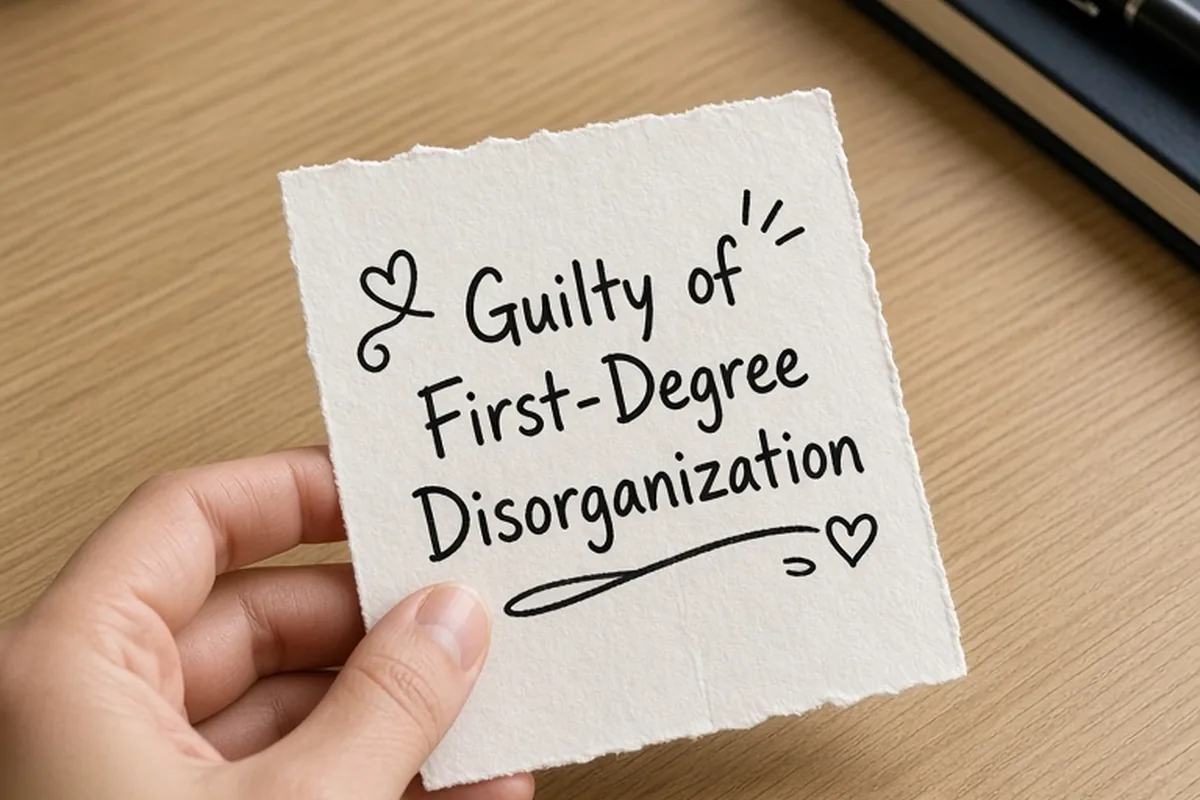
Sometimes spoken words or text messages feel insufficient, and a low-key physical gesture can express your apology with visual humor. A hand-drawn "ticket" or "official citation" placed on their desk or steering wheel—listing yourself as guilty of "First-Degree Disorganization" or "Unauthorized Snack Theft"—adds tactile charm. Pair the note with their favorite snack, an iced drink, or a replacement item for whatever you misplaced or used up.
Physical gestures work best when they do not demand an immediate performance of forgiveness from the recipient. If you leave a favorite pastry on the counter with a sticky note that reads, "Offered in humble contrition by the person who forgot to empty the dishwasher this morning. I'll do it tonight without being asked," you give them space to process their annoyance in private. They get to appreciate the effort, enjoy the treat, and engage with you when they are ready.
What to Do When Your Humor Falls Flat and They Are Still Annoyed
Even when your intentions are warm and playful, your delivery might land poorly if the other person is more stressed, tired, or hurt than you realized. The single biggest test of whether you actually care is what you do the moment your joke does not make them smile. If they respond with a sigh, a stern expression, or a cold message, never say, "I was just trying to make you laugh," or "You have no sense of humor." Shifting the blame to their emotional response turns a lighthearted mistake into an invalidating confrontation.
The only constructive move when humor misfires is an immediate, gracious pivot to pure sincerity. Drop the comedic tone instantly and say: "I tried to be funny about this, but I see now that it really frustrated you, and my joke was misplaced. I am truly sorry for doing that, and I hear why you are upset. How can I make this right?" Stepping back into maturity shows that protecting their comfort matters far more to you than getting a laugh or defending your cleverness.
Illustrative Scenarios
The Grocery Mix-Up
Marcus was asked to pick up specific ingredients for a dinner party hosted by his partner, Elena. He got distracted, bought the wrong cheeses, and forgot the fresh basil entirely. Sensing Elena's growing stress in the kitchen, Marcus's initial instinct was to send a silly meme about men being incompetent shoppers. Recognizing that a passive image macro might make Elena feel like her domestic effort was being trivialized, he instead walked into the kitchen with his coat still on. He handed her a handwritten 'revocation of grocery privileges' coupon, apologized plainly for rushing through the errand without double-checking the list, and drove back out to the store immediately to buy the exact items needed.
Key point: Humor works when it is paired with immediate corrective action rather than used as a substitute for fixing the problem.
The Spoiled TV Finale
During lunch with a close coworker, devon accidentally revealed a major plot twist from a drama series they were both watching, unaware that his colleague, Priya, was an episode behind. Priya looked visibly disappointed and quieted down. Devon initially thought about laughing it off by telling her it was not that big of a deal in the grand scheme of things. Catching himself, he recognized that Priya had invested weeks into the show. He drafted a mock 'official non-disclosure agreement' on a post-it note, apologized for his unthinking slip, and brought her an iced coffee that afternoon while letting her vent about how much she had anticipated watching the reveal unfold.
Key point: Validating the other person's harmless disappointment before making a lighthearted gesture prevents playful humor from feeling dismissive.
Frequently asked questions
Can I use an internet meme or GIF to say sorry over text?
A meme can work well for very minor blunders, such as arriving ten minutes late to casual drinks or misreading a message thread, provided your relationship already relies on that style of humor. However, sending an image without accompanying words often reads as lazy avoidance. Always follow the image with a typed sentence acknowledging the mix-up and stating your apology clearly.
How do I tell if a situation is too serious for a funny apology?
Ask yourself whether the issue stems from an isolated operational hiccup or an emotional hurt. If the problem involves repeated broken commitments, disrespect, hurt feelings, or serious boundary issues, humor will almost certainly sound callous. If the incident caused real inconvenience or distress to the other person, choose straightforward, respectful ownership without jokes.
Is it safe to make fun of the other person in a playful apology?
No. A funny apology should never target the other person's quirks, emotional responses, or temper, as that shifts blame onto the person who was inconvenienced. Keep all comedic exaggeration strictly focused on your own clumsiness, absent-mindedness, or poor logistical execution.
What is the best way to recover if someone thinks my funny apology was disrespectful?
Drop the humor immediately, avoid arguing about your intentions, and apologize directly for reading the room incorrectly. Acknowledge that you misjudged the impact of your actions, state plainly that you understand why they are upset, and ask how you can help resolve the underlying problem.
Your next step
Take two minutes right now to evaluate the mistake: if it was a harmless, low-stakes slip, draft a single sentence that gently roasts your own blunder, state 'I'm sorry' directly, and offer a specific fix before hitting send.