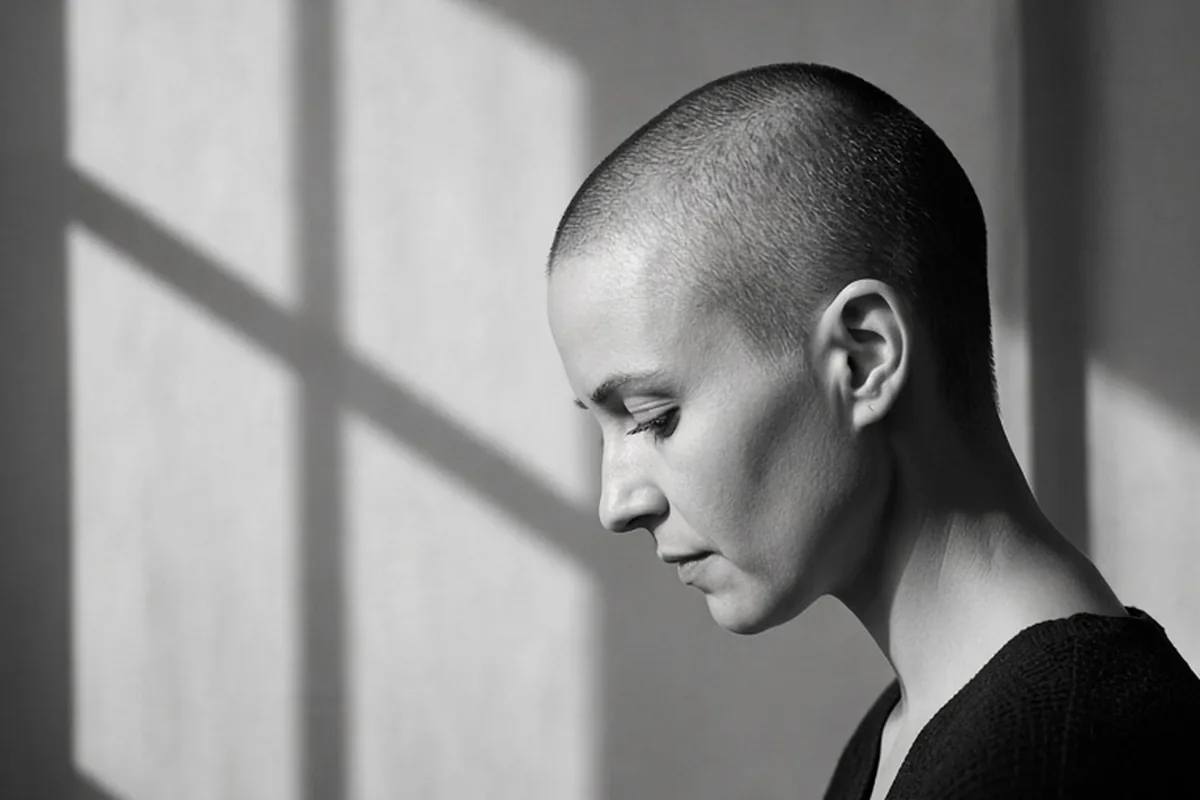
To shave a woman's head during cancer treatment, use electric hair clippers with a short guard (such as a number one or two) rather than a bare razor to prevent skin irritation and accidental cuts. Begin by cutting long hair short with scissors, work in slow strokes against the grain, and finish by rinsing with lukewarm water and applying a gentle, fragrance-free moisturizer.
Losing hair during cancer treatment is often one of the most visible and emotionally charged aspects of the entire medical journey. Choosing to shave or buzz the hair before it falls out in patches offers a tangible way to reclaim control, reduce physical discomfort from shedding, and approach a difficult milestone on one's own terms.
Deciding on the Right Timing and Environment
Choosing when to shave the head is a deeply personal decision that depends on physical comfort and emotional readiness. Many women decide to cut or buzz their hair before systemic hair loss begins, often around the second or third week following their first chemotherapy infusion. Waiting until the hair begins to shed in large clumps can sometimes cause physical discomfort, known as chemotherapy-induced scalp tenderness, and can feel emotionally jarring. Taking the initiative early allows the person receiving treatment to dictate the pace and context of their physical transformation.
The setting for the haircut should be calm, private, and free from time pressure. Choose a warm, well-ventilated room with easy-to-clean flooring, such as a bathroom or a kitchen with hard tiles. Setting up a comfortable, sturdy chair with good lighting makes the process safer and more relaxed. Keep soft towels, a cape or button-up shirt, clean clippers, and soothing skin products within arm's reach so there is no need to pause and search for supplies midway through.
Selecting Safe Tools and Clipper Guards
The safest tool for head shaving during cancer therapy is a quality electric hair clipper equipped with plastic attachment guards. Oncology teams generally advise against using wet safety razors, straight razors, or shaving down to bare skin with a bare blade. When white blood cell counts drop during treatment, the body's immune defenses are reduced, making even minor nicks or microscopic cuts a potential entry point for bacterial infections. In addition, bare razors can cause razor burn and ingrown hairs on an already sensitive scalp.
Using a guard size between number one (about one-eighth inch) and number two (one-quarter inch) leaves a very short, clean layer of stubble that minimizes pulling while protecting the skin barrier. If the person prefers an intermediate step before going very short, starting with a number four or three guard provides a short pixie look that can help them adjust gradually to shorter lengths. Ensure the clipper blades are clean, oiled, and running smoothly before touching the head to prevent hair tugging.
- Electric hair clippers with multiple guide guards (numbers 1 through 4)
- Sharp hair-cutting shears for removing bulk length prior to clipping
- A wide-tooth comb or soft brush to clear away loose strands
- A salon cape, towel, or loose button-front shirt that is easy to remove without pulling over the head
- Rubbing alcohol or clipper disinfectant spray to sanitize blades beforehand
- Mild, fragrance-free scalp lotion or natural oil for aftercare
Preparing the Hair and Reducing Initial Bulk
Attempting to run electric clippers through long, thick hair will clog the motor and pull painfully at tender follicles. The first practical step is removing the length with sharp scissors. If the hair is long enough and the individual wishes to donate it, section the hair into several small, tight ponytails using small elastic bands, then snip each ponytail cleanly just above the band. If donation is not planned, you can simply gather the hair in sections and trim it down to two or three inches in length.
Work on completely clean and dry hair. Wet hair clumps together, which slows down clippers and increases the risk of uneven cuts or caught blades. Gently brush through the remaining short hair to ensure there are no tangles or mats. Taking this preliminary step also gives everyone in the room a moment to pause and breathe, softening the visual transition from long locks to short hair before the clippers are even turned on.
Step-by-Step Clipper Technique for Maximum Comfort
When turning on the clippers, begin at the base of the neck or near the sideburns, moving upward in smooth, controlled passes against the natural direction of hair growth. Use light, steady pressure; pushing the clippers firmly against the scalp is unnecessary and can cause irritation. As you work over the curved contours of the skull, use your free hand to gently hold the skin flat and steady, which prevents the clippers from catching on loose or uneven skin folds.
Work methodically around the head in sections: move from the nape of the neck up toward the crown, then address the sides around the ears, and finish across the top from the forehead back. Check the clipper blades periodically by touching the back of your hand against them; clipper motors can warm up over prolonged use, and hot metal can feel uncomfortable or painful against sensitive scalp skin. If the blade feels warm, turn the clippers off for a couple of minutes to cool down.
Managing Emotional Boundaries and Mirror Choices
Everyone reacts differently to seeing their reflection during a head shaving session. Before starting, ask the person whether they want to face a mirror throughout the process, face away until the cut is completed, or skip the mirror entirely and view the result later on their own terms. Some find watching the process empowering, while others find the step-by-step visual jarring. Honoring their preference establishes a safe, supportive environment.
Emotional reactions can shift rapidly from laughter and camaraderie to grief, anger, or quiet reflection. Let the person set the conversational tone. Avoid forcing positivity or using cliches like 'it is only hair,' as hair is often closely tied to personal identity, femininity, and privacy. Offering simple validation, checking in on physical comfort, and pausing whenever requested are the most meaningful ways to show support.
Immediate Scalp Care and Soothing Follicle Irritation
Once the clipping is complete, clear away loose, prickly hairs that can cause itching and discomfort. Use a soft, damp washcloth with lukewarm water to gently wipe the scalp from front to back, or encourage a gentle rinse under a low-pressure shower. Avoid vigorous scrubbing or hot water, as the scalp may already be tender from follicular inflammation associated with chemotherapy.
Pat the skin dry with a clean, soft towel rather than rubbing. Apply a thin layer of a gentle, unscented moisturizer, pure jojoba oil, or an oncology-safe balm to lock in moisture and calm the skin barrier. Steer clear of products containing heavy fragrances, alcohol, retinoids, or harsh exfoliating acids, which can trigger redness and stinging on newly exposed scalp tissue.
Ongoing Scalp Protection and Daily Headwear Comfort
An uncovered scalp is prone to rapid moisture loss, sensitivity to temperature swings, and sun damage. A newly shaved head loses body heat quickly, which can cause unexpected chills, particularly in air-conditioned rooms or during cooler seasons. Soft, breathable beanies made from natural fibers like bamboo, organic cotton, or modal provide seamless warmth without scratching delicate skin. For sleeping, using a smooth silk or satin pillowcase reduces friction against the scalp.
Sun protection is equally critical whenever spending time outdoors. The skin on the scalp has rarely been exposed to direct sunlight and can burn quickly. Use a broad-spectrum mineral sunscreen with zinc oxide or titanium dioxide formulated for sensitive skin, or wear a wide-brimmed UV-protective hat. If wigs, scarves, or headwraps are worn, ensure that internal seams are soft or pair them with a seamless bamboo wig cap to eliminate chafing.
Illustrative Scenarios
Staged Buzzing for Comfort and Control
When preparing for treatment, Sarah preferred not to wait for sudden shedding. She asked her partner to help her cut her shoulder-length hair in two distinct stages. First, they used kitchen shears to trim the hair into a textured bob, giving her an evening to get used to the change. The following day, they used clippers with a half-inch guard in their quiet bathroom, gradually stepping down to a quarter-inch guard while Sarah listened to music and paused whenever she felt overwhelmed.
Key point: Pacing the haircut across stages and using comfortable clipper guards gives the individual autonomy over their physical transition while preventing scalp irritation.
Frequently asked questions
Is it safe to use a manual razor blade on a cancer patient's scalp?
Oncology professionals generally advise against using manual razor blades or shaving down to bare skin during cancer treatment. A bare razor creates micro-abrasions that increase the risk of scalp infection when blood counts and immune function may be compromised. Using an electric clipper with a short guard leaves a safe, smooth stubble without breaking the skin.
Why does the scalp hurt before and during hair loss from chemotherapy?
Chemotherapy targets rapidly dividing cells, which causes inflammation and constriction within the hair follicles. This localized inflammation can make the scalp feel tender, bruised, or sensitive to the touch, a sensation often described as hair ache. Shaving the hair short relieves the mechanical weight of the hair pulling on these inflamed follicles.
Can cut hair be donated before starting cancer treatment?
Yes, many hair donation organizations accept clean, dry hair gathered in bound ponytails or braids before treatment begins. Each organization has specific minimum length requirements, typically ranging from eight to twelve inches, so check the organization's guidelines prior to cutting.
Your next step
Choose a quiet, comfortable space, gather electric clippers with a short guard, and discuss preferred mirror setup and pacing before making the first gentle cut.