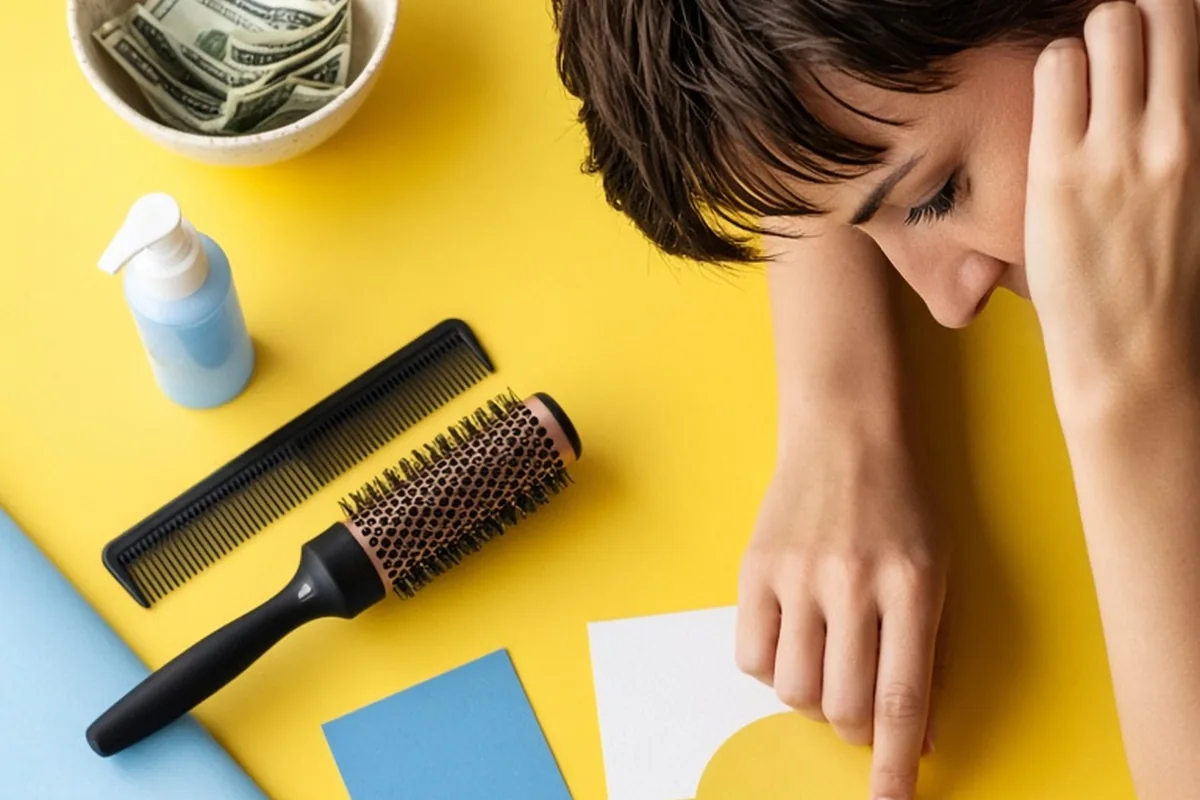
Professional salon styling for short hair typically ranges from thirty to eighty dollars for a blowout or finish, while precision cuts generally cost between forty and one hundred twenty dollars depending on salon tier and location. To balance these expenses, invest in a versatile haircut, master key heat-styling and texturizing techniques at home, and reserve salon appointments for structural maintenance every four to eight weeks.
Short hairstyles offer sharp lines, effortless movement, and expressive personality, but they also require consistent shaping and daily styling to look their best. Understanding how salon pricing structures interact with your daily grooming routine helps you maintain a polished appearance while keeping your beauty budget predictable.
Understanding Salon Pricing Structures for Short Hair
Salon pricing for short hair varies based on stylist seniority, salon overhead, geographic region, and the exact service requested. A basic blowout or wash-and-style appointment for short hair generally sits at the lower end of a salon's service menu because the drying time is faster than long hair. However, precision haircuts—such as bobs, textured crops, and pixies—frequently carry standard haircut rates regardless of length because short hair requires meticulous sectioning, razor work, and shear control to create a seamless shape.
When planning your beauty budget, differentiate between maintenance shaping, full restyles, and standalone styling sessions. Standalone styling visits are helpful for special events or when you want to learn technique, but relying on weekly salon blowouts can rapidly escalate your monthly grooming expenses. By recognizing that the primary value of a salon visit lies in the structural foundation of the cut, you can focus your spending where it creates lasting value.
A common trade-off involves booking dry styling or express appointments. Some salons offer reduced rates for quick styling without a shampoo bowl service, which provides a polished look at a lower price point. Before scheduling, ask whether the salon charges a flat gender-neutral haircut rate, a length-based rate, or a timed service rate so you avoid unexpected charges at checkout.
Mastering Core Styling Techniques for Pixie and Cropped Cuts
Styling a pixie or cropped cut at home requires understanding directional airflow and product distribution rather than complex heat tools. When blow-drying short hair, use your fingers or a flat wrap-drying brush to direct the hair back and forth across the contour of your skull. This technique flattens cowlicks, establishes natural root volume without stiffness, and helps the hair settle into the exact lines created by your stylist.
Product application makes the difference between a flexible, modern crop and heavy, greasy buildup. Always warm a dime-sized amount of pomade, paste, or matte clay completely between your palms before touching your hair. Distribute the product evenly from the back and sides first where hair is densest, finishing lightly at the crown and fringe. This prevents overloading the most visible areas around your face.
The primary challenge with cropped styles is bedhead, which can distort the silhouette overnight. Rather than washing your hair completely every morning, mist the flattened sections with warm water or a lightweight leave-in spray to reactivate the previous day's styling product before reshaping with a quick burst of warm air.
Creating Movement and Volume in Short Bobs and Lobs
Short bobs and lobs provide versatility, allowing you to transition between sleek, glass-like finishes and relaxed, textured waves. To build volume without weighing down fine hair, apply a lightweight volumizing mousse or root-lift spray to damp hair before blow-drying. Use a medium ceramic or boar-bristle round brush, lifting upward at the roots and rolling outward through the mid-lengths to build a smooth, rounded bend.
For relaxed waves on short hair, a narrow flat iron or a three-quarter-inch curling wand delivers the cleanest control. Take small vertical sections, starting around ear level, and rotate the tool away from your face while leaving the bottom half-inch of the ends straight. This modern wave technique keeps the overall silhouette compact and avoids the dated, triangular shape that occurs when ends curl tightly under.
One trade-off of thermal styling on short lengths is that hair ends are exposed to repeated heat within a shorter growth cycle. Using a dedicated heat protectant spray prior to any iron work is essential to prevent split ends and maintain a clean perimeter line between haircut appointments.
Essential Tools and Products That Reduce Salon Dependency
Recreating salon results at home requires a modest collection of targeted tools rather than a drawer full of gadgets. A quality blow-dryer equipped with a concentrated nozzle attachment is the most important investment for short hair because directional air control smooths the cuticle and defines shape. A small-barrel round brush, a vented paddle brush, and a slim flat iron with adjustable temperature controls provide complete styling flexibility.
In terms of styling formulas, short hair benefits from a deliberate product rotation tailored to your hair texture and desired finish. A pliable paste or texturizing spray adds grit and separation for textured styles, while a lightweight serum or dry oil controls flyaways on sleek finishes. Dry shampoo is equally valuable, as it absorbs oil and adds structural grip at the scalp, extending your style by an extra day.
While salon-grade products often carry higher price tags than drugstore alternatives, short hair requires significantly smaller product amounts per application. A single jar of styling pomade or bottle of heat protectant can last six months or longer, making high-performance products cost-effective on a per-use basis.
Designing a Cost-Effective Salon Maintenance Schedule
Short hair requires more frequent maintenance than long hair because minor growth quickly alters the balance and proportions of the haircut. Very short pixies typically need reshaping every four to six weeks, while classic bobs and lobs can stretch to six to eight weeks before losing their perimeter structure. Planning your appointments around these natural growth cycles prevents you from paying for corrective restyling appointments.
Many salons offer complimentary or low-cost neck and fringe cleanups between full haircut services. A quick ten-minute appointment to clean up the neckline and trim bangs can extend the life of your full haircut by two to three weeks, effectively cutting your annual salon costs by twenty to thirty percent.
When budgeting your yearly hair care, calculate the total cost of maintenance appointments alongside essential at-home products. If a high-frequency salon schedule feels unsustainable, talk to your stylist about adjusting the perimeter lines and internal layering to encourage a softer, more forgiving grow-out pattern.
Getting Maximum Value from In-Salon Consultations
Your haircut appointment offers an ideal opportunity to receive personalized styling education from a professional. Stylists observe your natural growth patterns, cowlicks, and hair density firsthand, giving them unique insight into which techniques will work best for your lifestyle. Asking your stylist to walk you through each step of the finishing process transforms a routine haircut into a practical styling tutorial.
Be specific about your real-world daily routine during the consultation. If you only have ten minutes in the morning and prefer air-drying, let your stylist know before they begin cutting. A skilled professional will customize the interior texture and perimeter weight of your haircut so that it falls into place with minimal intervention rather than requiring thirty minutes of round-brushing.
Take note of the exact product types, amounts, and mechanical angles your stylist uses during the blowout. Asking questions about wrist position, brush tension, and heat settings helps you replicate the salon finish accurately in your own bathroom without relying on guess-and-check purchases.
Frequently asked questions
How much does a basic short hair blowout or styling appointment cost?
A standalone blowout or professional styling appointment for short hair typically costs between thirty and eighty dollars. Prices vary depending on the salon's geographic location, stylist experience level, and whether the service includes a wash and scalp massage.
How often should I get a short haircut trimmed to keep its shape?
Most short haircuts require maintenance every four to eight weeks to preserve their balance and structure. Very short crops and pixies need attention every four to five weeks, while bobs and lobs can often maintain their shape for six to eight weeks.
Can I style short hair without using heat tools every day?
Yes, short hair can be styled without daily heat by applying texturizing foam or cream to damp hair and allowing it to air-dry naturally. Using a silk or satin pillowcase overnight also minimizes morning bedhead, reducing the need for thermal touch-ups.
What is the most cost-effective way to maintain a short haircut?
The most economical approach is to take advantage of in-between neck or fringe trims offered by your salon to extend the life of your primary haircut. Pairing these touch-ups with high-quality home styling products reduces the frequency of full-price salon visits.
Your next step
Review your morning styling routine and contact your stylist to ask whether they offer complimentary or discounted neck trims between regular haircut appointments.