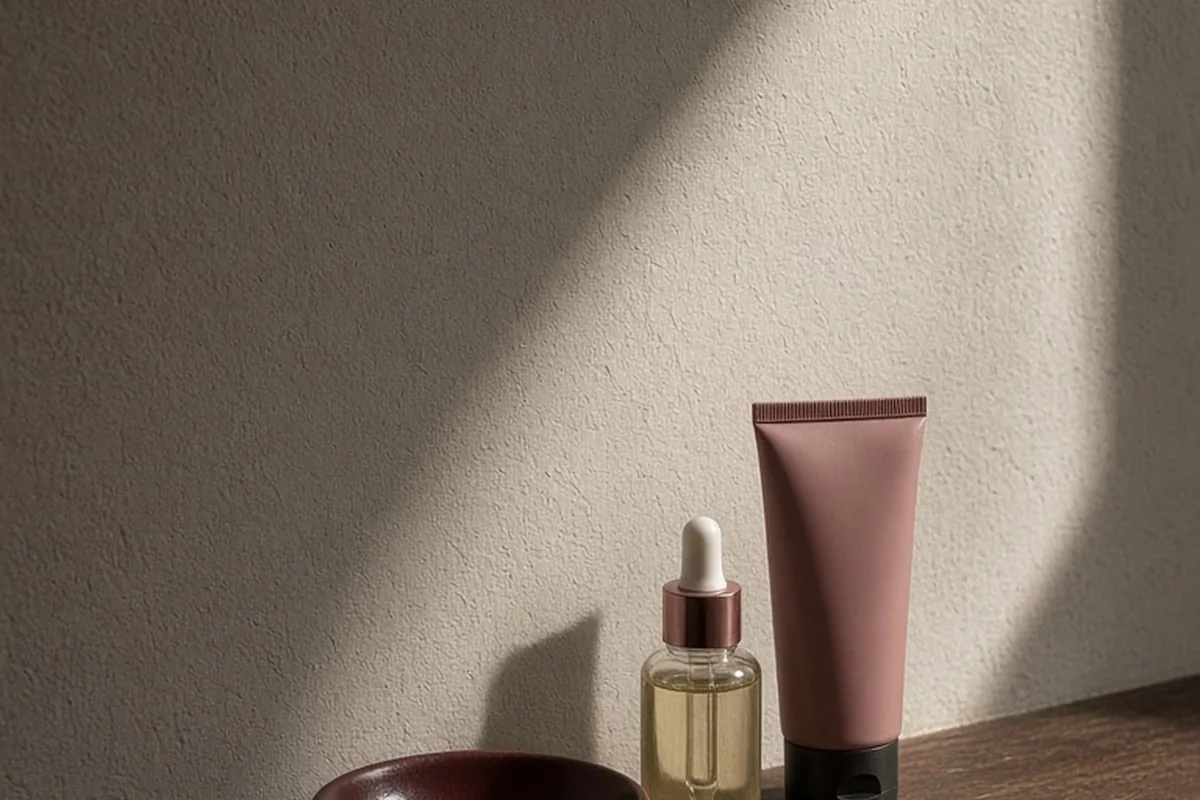
To style short hair while keeping it healthy, prepare damp strands with a lightweight leave-in conditioner and a dedicated heat protectant before reaching for styling tools. Use low or medium heat settings, small round brushes, and fingers to shape the cut rather than excessive mechanical pulling. Emphasize lightweight creams, water-soluble pomades, or jojoba oil over heavy waxes to prevent clogged follicles. Regular cleansing, nightly friction reduction, and consistent trims maintain natural volume and strand elasticity.
Short haircuts place product directly against your scalp while requiring regular shaping to hold their silhouette. Because short layers show split ends and product buildup immediately, styling effectively without sacrificing strand vitality requires deliberate care, gentle heat habits, and formula choices that respect the hair fiber.
Pre-Styling Foundations to Protect Short Strands and Scalp Health
A healthy styling routine begins in the shower long before you reach for a blow-dryer or flat iron. Short hair rests closer to the scalp than longer hair, which means natural sebum travels down the shaft more quickly, while styling products deposit residue directly onto the scalp surface. Selecting a gentle, sulfate-free cleanser removes environmental debris without stripping the lipid barrier that protects the cuticles. Following with a balanced conditioner applied sparingly along mid-lengths and ends replenishes lost moisture without weighing down the root area.
After cleansing, avoid aggressive towel drying. Rubbing short hair vigorously with a traditional terry cloth towel lifts the delicate outer cuticle layer, producing unnecessary friction, frizz, and strand breakage. Instead, gently press excess water out using a soft microfiber towel or a smooth cotton fabric. Once your hair is damp rather than soaking wet, apply a lightweight water-based leave-in spray. This creates a slip that prevents mechanical snapping during detangling and establishes a defensive moisture buffer against ambient humidity and hot styling airflow.
Applying Heat Safely on Short Hair Cuts and Bobs
Thermal styling tools offer rapid control over cowlicks, fringe direction, and perimeter smoothing, but short strands are especially vulnerable to cumulative heat damage because the same sections receive heat day after day. Always apply a dedicated thermal protectant formulated for your strand diameter before turning on any heated tool. Fine textures benefit from sheer mist sprays that distribute evenly without clumping, while coarser or tightly coiled short hair responds better to protective creams that supply extra lubrication along the shaft.
When using a blow-dryer, choose low or medium heat settings paired with high airflow, and attach a concentrator nozzle or diffuser. The nozzle keeps the heat stream focused down the cuticle layer rather than blasting individual fibers open, while a diffuser distributes air gently across curls and waves without disrupting their natural pattern. If you use a flat iron or narrow curling wand to define pieces in a crop or bob, select tools with ceramic or tourmaline plates that distribute warmth evenly. Glide the iron smoothly through each section in a single steady pass rather than clamping down repeatedly on the same delicate ends.
Selecting Styling Pastes, Pomades, and Lightweight Oils Without Buildup
Product selection directly dictates both the movement of your cut and the long-term condition of your scalp. Heavy petroleum-based waxes and thick mineral oils can yield substantial hold, but they are notoriously difficult to wash away completely. Over time, residual petroleum builds up around hair follicles, creating scalp irritation, dulling the natural sheen of your hair, and suffocating new growth. Opt instead for water-soluble pomades, plant-derived styling waxes, and matte clays formulated with kaolin or bentonite to provide grip and definition.
Application technique matters as much as product choice. Always emulsify a pea-sized amount of paste, cream, or wax thoroughly between your palms until the product is warm and sheer before touching your head. Work the product from the back of the head forward and from mid-shaft upward, rather than dropping a concentrated dollop directly onto the crown or front hairline. For added luster and moisture sealing, particularly on textured coils or chemically processed short hair, finish with a drop of jojoba, squalane, or argan oil pressed lightly onto the surface rather than massaged into the roots.
Daily Air-Drying and Diffusing Techniques for Textured Short Hair
Curls, coils, and natural waves in short haircuts benefit significantly from minimal mechanical intervention during drying. When curls are stretched or disturbed while wet, the cuticle lifts and individual hair clumps fracture into diffuse frizz. To encourage natural curl clumping, apply a nourishing curl cream or leave-in conditioner to soaking-wet hair, using gentle raking or praying-hands motions to ensure even distribution from root to tip.
Once your styling cream is distributed, you can either air-dry completely or accelerate the process using a cup diffuser on a gentle warm setting. When diffusing, tilt your head gently and cup small sections of hair into the bowl without moving the dryer around frantically. Hold each section in place until partially dry before moving to the next. Allowing short curls to settle into their natural geometry undisturbed preserves the hair shaft, minimizes cuticle fatigue, and delivers bouncy definition without requiring direct iron heat.
Protecting Short Strands Overnight and Refreshing Next-Day Volume
Nighttime friction is a major contributor to morning bedhead, breakage, and localized thinning around the temples and nape. Traditional cotton pillowcases absorb natural moisture from your hair while you sleep, leaving short cuts dry, brittle, and recalcitrant by morning. Sleeping on a smooth silk or satin pillowcase allows short strands to glide freely across the surface without catching, preserving the structural shape of your cut and preventing rough cuticle abrasion.
Instead of washing and restyling your short hair from scratch every morning, rely on gentle refreshing techniques that minimize daily water and heat cycles. Lightly mist your hair with clean water mixed with a drop of leave-in conditioner to reactivate yesterday's styling products. Reshape recalcitrant cowlicks or flattened crowns using your fingertips and a brief blast of cool air from a blow-dryer. If roots feel oily, apply an invisible dry shampoo formulated with rice starch to absorb excess oils without clogging your scalp pores.
Scheduling Trims to Prevent Split Ends in Growing Short Styles
Because short hair silhouettes rely on precise weight lines and crisp perimeters, split ends and frayed edges quickly undermine both the health and visual balance of your cut. Even if your goal is to grow your hair into a longer bob or shoulder-length style, skipping maintenance trims allows damaged tips to travel further up the hair shaft. Regular dusting or texturizing removes weathered extremities before they can crack deeper into healthy strand territory.
Communicate clearly with your stylist about your personal goals during maintenance appointments. If you want to maintain your current cropped shape, schedule structural cleanups every few weeks to reshape the neckline and remove weight from dense zones. If you are actively growing out a crop, ask your stylist to trim only the perimeter nape and blend interior layers, leaving the top length intact while cleaning away worn tips to keep the cut healthy and manageable throughout each transitional phase.
Frequently asked questions
Can I style short hair daily with heat without causing damage?
Daily heat application creates cumulative stress on short hair cuticles over time. You can reduce this risk significantly by keeping your tools on low or moderate temperatures, always applying a verified heat protectant, and alternating hot tools with air-dry or cool-shot refreshing routines.
How do I add volume to fine, short hair without using stiff products?
Focus on lifting roots while your hair is damp using a lightweight volumizing mousse or texturizing tonic rather than heavy sprays. Dry the root area in the opposite direction of its natural growth pattern using fingers or a small vented brush, then finish with a dusting of dry texture powder for flexible lift.
How often should I clarify my scalp when using short hair styling paste?
Incorporate a gentle clarifying shampoo once every week or two, depending on your product load and oil levels. This removes stubborn waxes, clays, and silicones before they cause scalp congestion, ensuring follicles stay unobstructed for sustained strand health.
Your next step
Inspect your current hair products today, replace any stubborn petroleum-based pomade with a water-soluble alternative, and verify that your thermal tools are dialed down to gentle, moderate heat settings.