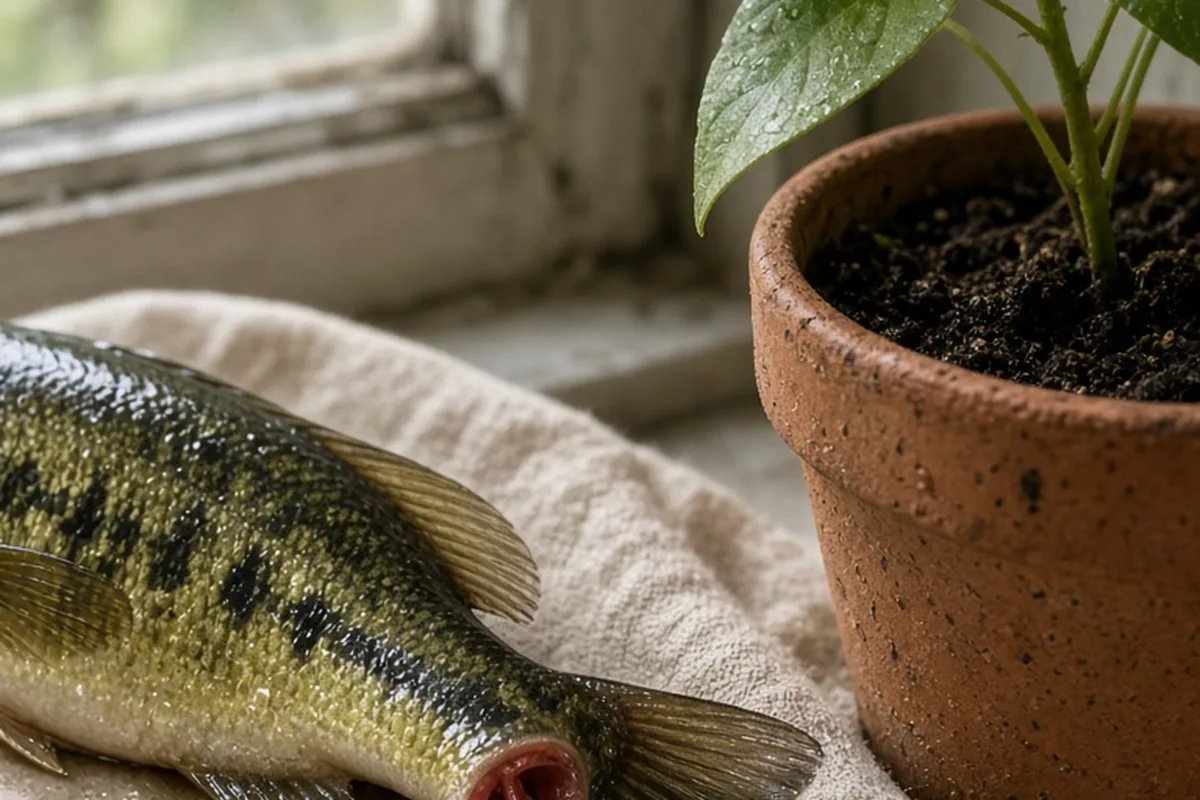
To tell if a bass is male or female without dissection, inspect the urogenital vent located just forward of the anal fin during the spring spawn. Mature females display a raised, reddish, dual-opening vent with an oviduct pore, while males feature a single small, circular opening. Outside of the spawning season, size serves as a secondary indicator, because bass weighing over five pounds are predominantly female.
Determining the sex of black bass species, such as largemouth, smallmouth, and spotted bass, helps anglers understand aquatic ecosystems, track breeding cycles, and practice thoughtful catch-and-release stewardship.
Inspecting the Urogenital Vent for Visible Anatomical Clues
The most dependable non-lethal method for determining the sex of a live bass relies on examining the urogenital opening located on the underside of the fish, immediately in front of the anal fin. During most of the year, this area remains relatively inconspicuous in both sexes. However, as water temperatures rise in late winter and spring, hormonal changes cause distinct structural shifts that make visual sexing possible in the field. To examine the area, hold the bass gently belly-up in moist hands or against a damp surface, ensuring the fish remains supported without putting excess pressure on internal organs.
In adult females approaching or actively engaging in the spawn, the vent area develops two distinct openings: the anterior urinary pore and the posterior genital pore through which eggs are released. This region frequently appears swollen, slightly raised, and flushed with a pink or red ring caused by increased vascular activity. In contrast, male bass possess a single circular urogenital pore that remains flush with the surrounding scales. While the male pore may show slight irritation or mild pinkness from mating activity, it lacks the secondary opening, distinct oviduct swelling, and donut-like protrusion typical of a gravid female.
A practical limitation of vent inspection is that it becomes substantially harder to interpret during late summer, autumn, and winter. Once spawning concludes, female hormone levels decline and the oviduct contracts back into the body cavity. During these cold-water months, both sexes exhibit small, flush vent openings that require magnification or gentle probing to differentiate accurately. Attempting to force open the vent with tools or dry fingers can damage delicate tissues, so anglers should reserve visual vent sexing primarily for the pre-spawn through early summer months.
Using Overall Body Size and Weight as a Practical Guide
Sexual dimorphism in black bass manifests strongly through growth potential, lifespan, and overall body mass. Female largemouth and smallmouth bass possess the genetic capacity to grow significantly larger and live several years longer than their male counterparts. In largemouth bass populations across North America, mature males rarely exceed four to five pounds, regardless of forage availability or habitat quality. Their metabolic resources are directed into territorial defense, nest construction, and early sexual maturity rather than indefinite somatic growth.
When an angler catches a trophy largemouth bass weighing six pounds or more, the fish is almost certainly female. In southern reservoir systems where double-digit bass thrive, any fish over eight pounds is virtually guaranteed to be a mature female carrying substantial egg mass or recovering from spawning. For smallmouth bass, the threshold is lower due to their overall smaller mature size; a smallmouth bass exceeding four and a half pounds is typically a female. If you catch a bass well above regional average weights, you can reasonably conclude it is a hen without needing close physical inspection.
Relying solely on weight carries an obvious trade-off when evaluating smaller or mid-sized fish. A two-pound or three-pound bass can easily be either a fast-growing adolescent female or a fully mature, maximum-sized adult male. Furthermore, environmental stressors, forage shortages, and heavy fishing pressure can stunt female growth, leading to smaller mature hens that resemble males in overall frame. Size provides an accurate threshold for upper-tier trophy fish, but it cannot conclusively classify juvenile or mid-range bass.
Recognizing Seasonal Spawning Behavior and Bed Positioning
Observing where and how a bass behaves in shallow water during the spring bedding season offers immediate context regarding its sex. Male bass initiate the reproductive cycle by moving into shallow flats, bays, and protected shorelines when water temperatures climb into the upper fifties and low sixties. The male selects a firm substrate of gravel, sand, or hard clay and uses his caudal fin to sweep away silt, excavating a clean, circular depression known as a bed or redd. A bass actively working, cleaning, and stubbornly lingering over a single shallow bed for days at a time is almost always a buck.
Female bass behave very differently during this staging period. Rather than guarding territory, hens hold in slightly deeper water nearby, such as adjacent weed edges, secondary drop-offs, or submerged timber, waiting until their eggs fully ripen and the water reaches optimal temperature. When ready, the female cruises onto the bed, deposits her eggs while the male fertilizes them, and generally departs the shallow bed within hours or a couple of days. If you observe a pair of bass on a bed together, the larger, thicker fish cruising cautiously or entering periodically is the female, while the smaller, more hyper-reactive resident darting around intruders is the male.
While behavioral clues are distinct, they are temporary and context-dependent. Once fertilization is complete, the female moves out toward deeper recovery zones, leaving the male alone to guard the fertilized eggs and newly hatched fry against bluegill, crawfish, and other predators. An angler spotting a single fish aggressively defending a bed in late spring is observing a protective male, not a solitary female.
Evaluating Abdominal Girth and Body Proportions
Body shape and abdominal fullness provide another visual marker, particularly in late winter and early spring when females develop mature ovaries. Pre-spawn hens develop a noticeably distended, deep belly that hangs low beneath the lateral line, giving the fish a stout, football-like appearance. The swelling extends well back toward the anal fin and feels firm yet pliable when handled gently in water. This pronounced abdominal fullness reflects the tens of thousands of developing eggs occupying a large portion of the visceral cavity.
Male bass maintain a leaner, more streamlined profile throughout the entire year. Even when well-fed, a male's ventral line remains relatively straight from the pectoral fins back to the tail, lacking the disproportionate downward sag seen in gravid females. Additionally, because males expend substantial energy defending nests and often fast during the guard phase, they frequently appear leaner, longer, and slightly gaunt around the tail wrist and belly compared to females caught from the same water body.
The primary challenge with assessing abdominal fullness is confusing a well-fed bass with a gravid female. A bass of either sex that has recently consumed a large gizzard shad, sunfish, or crawfish will exhibit a bulging stomach. However, stomach fullness from a recent meal tends to create a hard, localized bump positioned further forward near the rib cage, whereas egg mass creates a smooth, symmetrical, and prolonged distension across the entire lower abdominal wall.
Checking Fins and External Markings for Breeding Wear
Physical wear on the fins and tail can corroborate your assessment of a bass's sex during and immediately following the spawning window. Because the male bass performs the intense physical labor of clearing beds and sweeping sediment away from rocks and roots, the lower lobe of his caudal fin frequently shows raw edges, split fin rays, and minor abrasions. In heavily silted waters, a bedding male's tail tip may appear bleached, bruised, or worn down to the cartilage from days of continuous fanning.
Female bass exhibit far less tail wear because they do not excavate the nest site. A female's caudal and anal fins typically remain clean, symmetrical, and intact during the pre-spawn and bedding phase. However, a female may exhibit minor scrapes or missing scales along her lower flanks and belly, resulting from the physical contact and rubbing that occurs alongside the male during the active egg-release process over hard substrate.
Fin condition is a helpful circumstantial marker, but it should not be treated as standalone proof. Both sexes can suffer fin erosion or tail damage from escaping predators, moving through abrasive brush piles, or fighting previous fishing tackle. Always pair fin condition with vent inspection and overall body proportions to avoid misidentifying a battered female as a nest-building male.
Handling Bass Safely When Determining Sex in the Field
Whenever you handle a bass to inspect its vent or assess its breeding status, minimizing physiological stress must remain the top priority. Bass caught during the spawning period are expending peak biological energy and carry fragile reproductive materials. Always wet your hands before touching the fish to protect its protective slime coat, which acts as a barrier against bacterial, fungal, and parasitic infections. Avoid laying the fish on dry carpet, sand, or hot boat decks, as this strips the slime layer and increases post-release mortality.
Support the fish horizontally using two hands, placing one hand beneath the belly near the pelvic fins and gripping the lower jaw gently with the other. Never bend or hyper-extend the jaw outward on larger fish, as this can dislocate or break the jawbone, rendering the bass unable to feed after release. Furthermore, never squeeze the lower abdomen to force out eggs or milt to confirm sex; internal pressure can rupture the oviduct, damage ovaries, or cause internal hemorrhaging.
Keep handling time to an absolute minimum, ideally under thirty seconds out of the water. If you intend to take a photograph or inspect the vent, prepare your camera and equipment beforehand so the fish can be returned immediately. Releasing a breeding fish directly back near the spot it was hooked ensures that nesting males can quickly resume protecting their eggs and spent females can find secure recovery structure.
Frequently asked questions
Can you tell the sex of a juvenile bass before it reaches maturity?
Determining the sex of an immature bass under ten inches is virtually impossible by eye in the field. Juvenile fish have not developed the hormonal shifts or vent differences seen in breeding adults, meaning internal examination under magnification is the only definitive method.
Are all largemouth bass over eight pounds guaranteed to be female?
Yes, for all practical field purposes, any largemouth bass over eight pounds is female. Male largemouth bass possess genetic and physiological ceilings that rarely allow them to exceed five to six pounds under normal wild conditions.
Does catching and releasing a bedding male harm the bass population?
Temporarily removing a guarding male leaves the nest vulnerable to nearby egg predators like bluegill and sunfish. If you choose to target bedding fish, releasing the male immediately at the catch site allows him to resume defending his brood with minimal loss.
Can you tell a bass's sex by looking at its head shape or jaw size?
Head shape and jaw size correlate with overall fish size and genetic strain rather than sex. While massive females naturally have larger mouths, head proportions relative to body length do not reliably differentiate males from females.
Your next step
On your next spring outing, practice gentle vent examination and note behavioral clues around shallow cover, always releasing mature breeding fish promptly to safeguard local fishery populations.