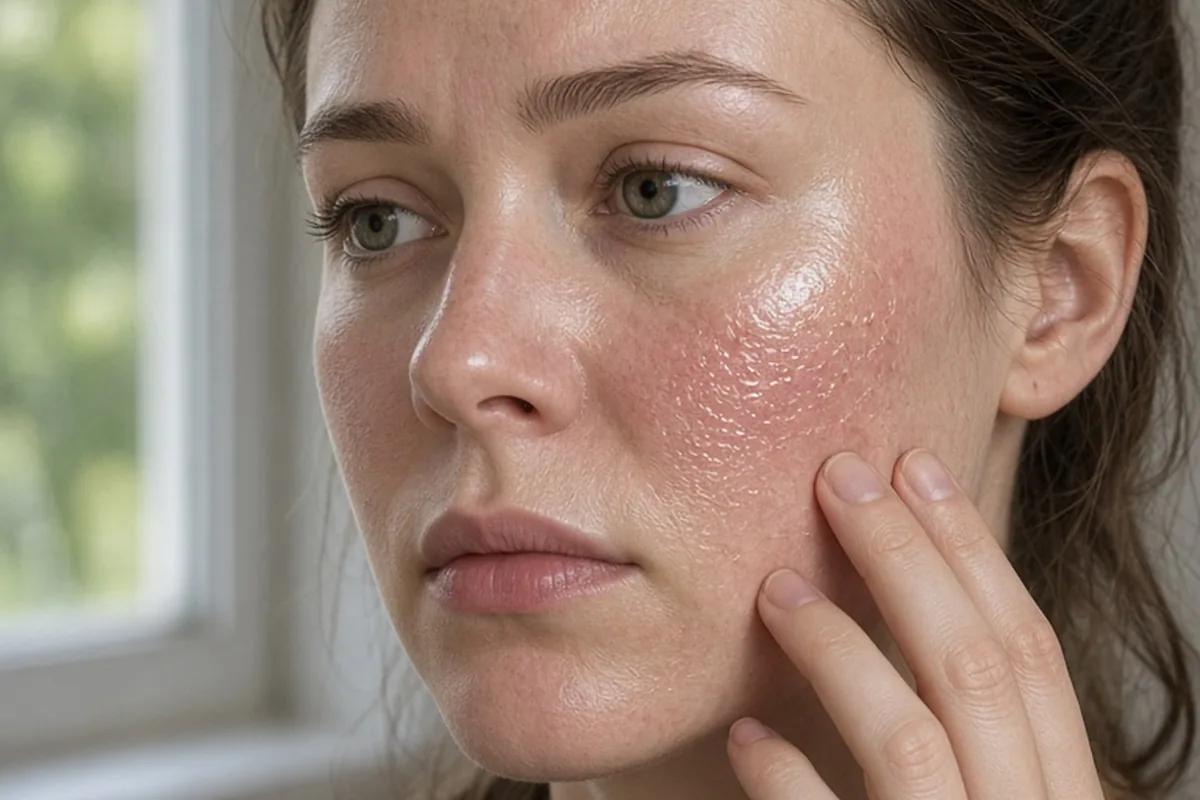
You can tell skincare is irritating your skin barrier when gentle, everyday products like basic moisturizers suddenly sting, burn, or cause immediate redness upon application. Additional primary symptoms include persistent tightness after washing, a shiny but sandpaper-rough texture, heightened reactivity to weather or touch, and sudden clusters of small, itchy, inflammatory bumps across areas where you rarely break out.
The outermost layer of your skin, often referred to as the moisture barrier, functions as a protective shield that locks in hydration while keeping environmental irritants, allergens, and bacteria at bay. When potent active ingredients, over-cleansing, or incompatible formulas compromise this delicate lipid matrix, your complexion can quickly become reactive, uncomfortable, and visibly inflamed.
Recognizing the Early Sensory and Visual Warning Signs
A compromised skin barrier rarely fails overnight; it typically sends subtle warning signals before escalating into severe redness or widespread flaking. The most reliable early indicator is the sudden onset of stinging or burning when applying mild, hydrating products that previously felt soothing. If a neutral ceramide lotion, a plain hyaluronic acid serum, or even lukewarm water causes a sharp prickling sensation, your stratum corneum has likely developed micro-fissures that expose sensitive nerve endings beneath the surface.
Visual changes accompany these sensory alerts. Skin with barrier distress often takes on an unusual appearance: it may look tight, glazed, and reflective like plastic, yet feel rough, dry, and coarse to the touch. This paradox occurs because the surface has been stripped of its natural protective lipids and oils, leaving dehydrated cells to bunch together unevenly. You might also observe localized patches of blotchy pink or red discoloration, accompanied by fine micro-peeling around high-movement areas like the corners of the mouth and the sides of the nose.
A key nuance to remember is that barrier irritation can masquerade as oiliness. When stripped of moisture, the skin may overcompensate by pumping out excess sebum, leading individuals to believe their skin is congested and needs stronger clarifying treatments. Applying additional oil-control formulas in this state deepens the irritation cycle, accelerating dehydration while exacerbating inflammatory flare-ups.
Differentiating Barrier Breakdown from Regular Acne Purging
Distinguishing between product-induced purging and barrier damage is essential for deciding whether to pause or maintain a new skincare treatment. Purging occurs strictly when an active ingredient that accelerates cellular turnover, such as a prescription retinoid, salicylic acid, or glycolic acid, brings pre-existing microcomedones to the surface faster. These breakouts typically manifest as standard whiteheads, blackheads, or small pustules in areas where you customarily experience congestion, resolving relatively quickly without widespread burning or texture changes.
In contrast, barrier breakdown generates widespread inflammatory reactivity that is not restricted to your normal acne zones. You will often notice small, uniform, red bumps or tiny superficial pustules that feel itchy, tender, or warm. If you introduce a hydrating toner, peptide serum, or rich cream containing no exfoliating actives and suddenly break out into widespread rash-like bumps accompanied by stinging, you are experiencing contact irritation or barrier impairment, not a productive purge.
Continuing an aggressive skincare regimen while confusing barrier irritation for purging can lead to secondary inflammatory conditions, such as perioral dermatitis or prolonged post-inflammatory erythema. When in doubt, any breakout accompanied by persistent burning, tight discomfort, and stinging during basic cleansing should be treated as barrier damage rather than a tolerable adjustment phase.
Common Skincare Habits and Ingredient Clashes That Trigger Damage
Barrier disruption usually stems from cumulative stress rather than a single offending application. One of the most frequent culprits is the simultaneous use of multiple potent actives without adequate recovery intervals. Layering a chemical exfoliant with an L-ascorbic acid serum in the morning, followed by a high-strength retinoid at night, depletes the skin's lipid reserves faster than natural cellular repair mechanisms can replenish them.
Cleansing habits also play a profound role in barrier degradation. High-pH bar soaps, aggressive foaming cleansers packed with harsh surfactants, and coarse physical scrubs physically abrade the stratum corneum and dissolve the intercellular lipids—specifically ceramides, cholesterol, and free fatty acids. When these lipids are washed away, the skin suffers from elevated transepidermal water loss, leaving it vulnerable to common environmental irritants and topical preservatives.
Environmental factors compound these routine mistakes. Dry indoor heating, intense wind, low humidity, and hot showers diminish the moisture reservoir of your skin, lowering the threshold at which active ingredients cause irritation. An active ingredient formula that your skin tolerated effortlessly during humid summer months can easily provoke acute barrier distress during dry winter conditions if the supporting hydration routine remains unchanged.
Conducting a Product Elimination Audit to Identify the Culprit
When your skin shows signs of distress, the most effective intervention is an immediate diagnostic step-back. Continuing to add soothing serums or balancing essences to an already overwhelmed routine only introduces more potential irritants, botanical extracts, and preservatives. Instead, strip your regimen down to absolute fundamentals: a non-foaming, pH-balanced cleanser, a plain barrier-supportive moisturizer, and a broad-spectrum physical or gentle chemical sunscreen.
Maintain this minimalist baseline for at least seven to fourteen days until all stinging, persistent redness, and sandpaper texture completely subside. Keep a simple daily log of how your skin feels thirty seconds after washing and immediately after moisturizing. Once the skin feels calm, resilient, and completely free of stinging, you can begin isolating the original culprit by reintroducing paused products one at a time, spaced at least two weeks apart.
While conducting your audit, examine ingredient lists for hidden sensitizers that may have contributed to the issue. Volatile alcohols, high concentrations of synthetic fragrance, essential oils like eucalyptus or citrus oils, and high-percentage direct acids are common irritants that can push an already stressed moisture barrier into overt breakdown.
Structuring a Restorative Barrier Recovery Protocol
A successful recovery routine focuses on physiological lipid replenishment and minimizing transepidermal water loss. Look for restorative formulations that feature a balanced physiological ratio of ceramides, cholesterol, and essential fatty acids. These three lipid components mimic the natural structure of the skin's intercellular mortar, integrating smoothly into depleted areas to patch microscopic gaps and rebuild defensive strength.
Hydration layering should prioritize soothing humectants that do not rely on aggressive penetration enhancers. Ingredients such as glycerin, panthenol (provitamin B5), colloidal oatmeal, allantoin, and centella asiatica calm reactive nerve endings while binding water within the upper epidermal layers. If your skin is exceptionally dry or chapped, applying a light layer of an occlusive ointment containing petrolatum or squalane over your moisturizer at night can create an artificial protective seal that accelerates natural tissue regeneration.
During this recovery window, avoid mechanical friction at all costs. Pat products gently into the skin rather than rubbing vigorously, skip washcloths and cleansing brushes, and switch to lukewarm water for all facial rinsing. Sun protection remains vital, but if chemical UV filters trigger stinging on damaged tissue, transition temporarily to an unfragranced, mineral-based zinc oxide sunscreen, which naturally provides mild soothing benefits.
Safe Guidelines for Reintroducing Active Ingredients
Rushing back into full-strength actives is the most common reason people experience cyclical barrier relapse. Even after surface symptoms like stinging and redness disappear, full physiological lipid synthesis and deep stratum corneum maturation can take upwards of three to six weeks. Give your skin a dedicated buffer period of healthy, symptom-free days before re-initiating treatment serums.
When you do resume active treatments, modify both the frequency and the delivery method to minimize stress on the freshly healed tissue. Begin by using your active product just once or twice a week rather than nightly. You can also utilize protective buffering techniques, such as applying your basic moisturizer first, letting it dry, and applying your retinoid or acid over top to slow down the rate of absorption without neutralizing long-term benefits.
Avoid reintroducing multiple active categories at the same time. If you use both an exfoliant and a retinoid, pick one primary concern to address first. Allow your skin a month to demonstrate consistent tolerance to that single active before considering the addition of another, and always schedule dedicated active-free rest nights into your weekly rotation to maintain barrier equilibrium.
Frequently asked questions
How long does it take to repair an irritated skin barrier?
For mild irritation, noticeable improvements in stinging and tightness often occur within five to seven days of simplifying your routine. However, full cellular regeneration and deep lipid repair generally require two to four weeks of consistent, gentle care.
Can over-cleansing damage the skin barrier even without active serums?
Yes, washing your face too frequently or using harsh, high-pH foaming soaps strips natural intercellular lipids and elevates surface pH. This disrupts the skin's acid mantle, leading to chronic dehydration, tightness, and increased susceptibility to irritation even if you use no active treatments.
Should I completely stop wearing sunscreen while my skin barrier is healing?
No, UV exposure generates free radical damage that further weakens a compromised barrier and prolongs healing time. If your standard sunscreen stings upon application, switch temporarily to a gentle, fragrance-free mineral sunscreen formulated with zinc oxide.
Is stinging from a new moisturizer always a sign of barrier damage?
Stinging from a non-active, basic moisturizer almost always indicates a compromised barrier with micro-fissures allowing ingredients to irritate raw nerve endings. In rare cases, it may signal an allergic contact allergy to a specific preservative, fragrance, or botanical extract in that formula.
Your next step
Your immediate next step is to pause all active acids, retinoids, and exfoliants tonight, replacing your routine with a gentle non-foaming cleanser and a plain ceramide-rich moisturizer until all stinging completely subsides.