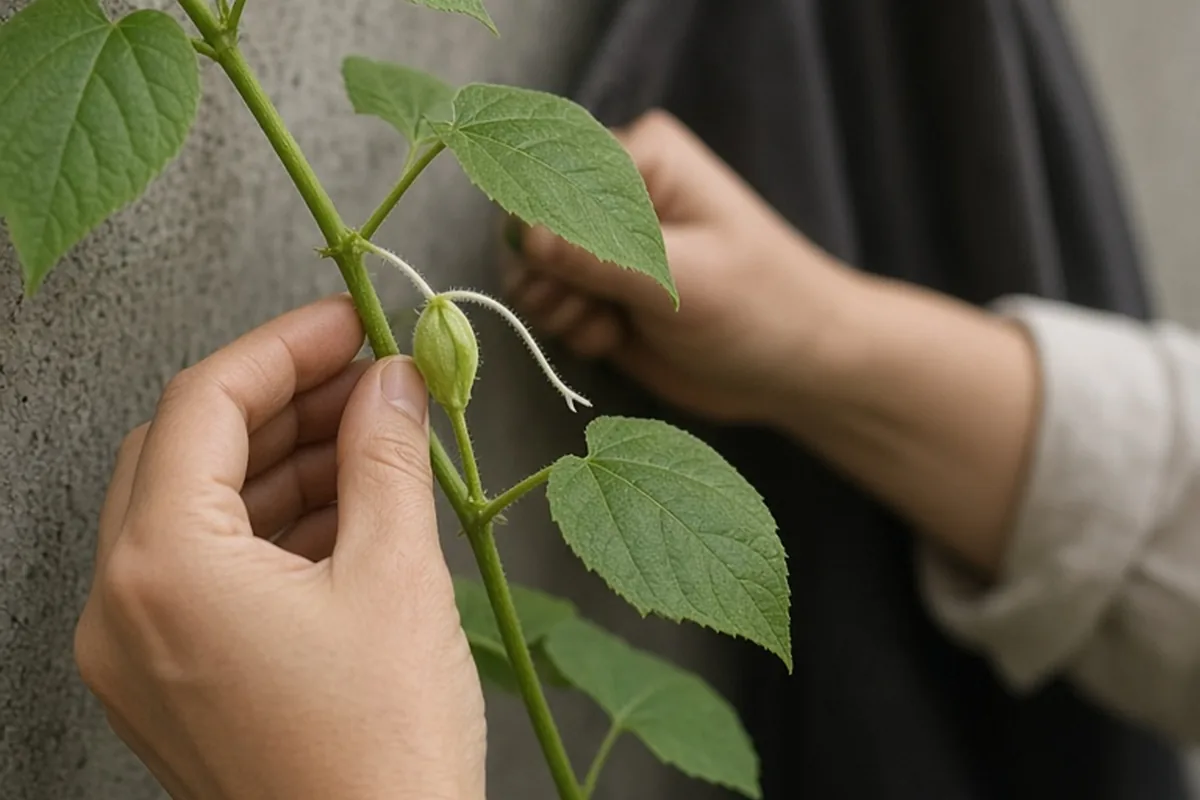
To determine whether a plant is male or female, inspect the nodes where branches meet the main stem during the early pre-flowering stage. Female plants develop tiny, teardrop-shaped calyxes or bracts that sprout two fine, translucent white hairs called pistils. Male plants produce small, smooth, rounded pollen sacs that hang in clusters resembling miniature grape bunches, showing no white hairs.
While many common houseplants and vegetables produce both male and female reproductive organs on a single blossom or stem, several important garden crops and ornamental species are dioecious, meaning individual plants are distinctly male or distinctly female. Identifying the sex of these plants early in their growth cycle helps gardeners maximize fruit set, prevent accidental pollination, or ensure lush berry displays across the landscape.
Understanding Plant Reproductive Types and Why Sex Matters
In the botanical world, plant reproduction falls into three primary categories: hermaphroditic, monoecious, and dioecious. Hermaphroditic plants, such as tomatoes and peppers, carry both male stamens and female pistils within the very same flower. Monoecious species, including cucumbers, squash, and corn, produce separate male and female flowers on the same physical plant. In contrast, dioecious species—such as cannabis, American and English holly, kiwi vines, spinach, asparagus, and ginkgo biloba—grow strictly male or female flowers on separate individual plants.
Recognizing this distinction is essential because male and female plants serve completely different purposes depending on your cultivation goals. If you are growing fruit-bearing plants like sea berry or kiwi, you need female specimens to harvest fruit, alongside at least one nearby male to provide wind- or insect-borne pollen. For ornamental shrubs like winterberry holly, only female bushes produce the vibrant red berries prized in autumn and winter, while male bushes remain purely green. Conversely, growers who cultivate crops for seedless floral yields must isolate and remove male plants early to prevent pollen from fertilizing female flowers, which would otherwise divert plant energy toward seed development rather than essential oils or vegetative quality.
Timing Your Inspection: When Pre-Flowers Appear
Plants do not display their biological sex during early seedling growth. Instead, sexual differentiation becomes visible during the transition from the vegetative stage to the flowering phase, often referred to by horticulturists as the pre-flowering stage. In annual plants grown indoors or outdoors, this transition occurs when daylight hours naturally shorten or when artificial lighting cycles shift toward equal periods of light and darkness. In perennial woody shrubs and trees, pre-flowers usually emerge in early spring as new seasonal growth begins.
To inspect your plant accurately, focus your attention on the nodes, which are the specific junctions where leaf petioles and secondary branches emerge from the main central stem. The earliest reproductive structures form right in the crevice of the node, tucked behind the stipules (the small, pointed, leaf-like appendages at the base of the leaf stems). Because these initial structures can be as small as one or two millimeters across, using a simple magnifying glass or a ten-times jeweler's loupe provides the necessary clarity to distinguish budding calyxes from developing pollen pods before they mature.
Anatomy of a Female Plant: Identifying Pistils and Calyxes
Female plant anatomy is designed specifically to capture airborne or insect-carried pollen grains and nurture seed formation. When a female plant initiates its reproductive cycle, it develops small, swollen, teardrop-shaped structures known as bracts or calyxes nestled tightly against the stem nodes. Within a few days of the calyx forming, it pushes out two delicate, thread-like strands called stigmas or pistils. These hairs are typically vivid white, pale cream, or translucent in their early days, gradually darkening to amber or brown as the flower ages or receives pollen.
As flowering progresses, female plants continue to stack these calyxes into tight, dense clusters commonly recognized as buds, floral heads, or ovary structures. In fruiting species like dioecious persimmons or kiwis, the female blossoms feature a distinct, swollen green center (the ovary) surrounded by small, non-functional or sterile stamens that lack powdery pollen. If you see fine white filaments emerging directly from a tapered, tear-shaped green pod at the node, you can be certain the plant is female.
Anatomy of a Male Plant: Spotting Pollen Sacs and Stamens
Male reproductive structures serve a single primary purpose: generating and distributing pollen. Instead of forming hair-like stigmas, male plants develop smooth, rounded spheres at the stem nodes that look like tiny oval balls, miniature crab claws, or tiny green eggs. Unlike the tight, upright posture of early female calyxes, male pre-flowers often sit on tiny individual stems called pedicels, allowing them to hang slightly downward as they develop.
As male pre-flowers mature over one to two weeks, these individual spheres multiply into distinct clusters that resemble miniature bunches of grapes. Eventually, the outer green segments of these sacs separate into five distinct sepals, opening to reveal yellow stamens and anthers packed with fine, powdery pollen. A plant showing smooth, spherical nodes without any protruding white hairs is definitively male. In outdoor environments, these sacs will eventually open and release pollen into the wind, capable of traveling significant distances to fertilize nearby females.
Recognizing Hermaphroditic Traits and Stress Responses
In certain plant species, individuals can develop both male and female reproductive structures simultaneously, a condition known as hermaphroditism or monoecious reversion. While some plants naturally evolve this trait as a standard survival mechanism, in many dioecious annuals, hermaphroditism is triggered by severe environmental stress. Common stressors include erratic light cycles during dark periods, excessive heat, physical branch damage, severe underwatering, root rot, or chemical nutrient burn.
Hermaphroditic growth can manifest in two distinct forms: true mixed-flower branches where both distinct male sacs and female calyxes grow at different nodes, or specialized internal anthers—often called anther clusters or stamen protrusions—that erupt directly from the center of a female flower. These structures often resemble tiny yellow curved bananas. If these anthers mature, they can release viable pollen that self-pollinates the female flowers, leading to unwanted seed production. Regular node inspections throughout the entire bloom cycle help you catch and isolate or prune stressed branches before self-pollination takes place.
Sexing Common Garden Plants: Kiwi, Holly, Spinach, and Asparagus
Different dioecious garden plants require distinct visual cues for identification beyond standard pre-flower hair checks. For example, in holly shrubs (Ilex species), female plants produce small, four-petaled white flowers with a prominent green center and no yellow dust; these will later swell into bright red or orange berries. Male holly flowers have four prominent, pollen-tipped yellow stamens surrounding a shrunken, non-functional central ovary, producing abundant pollen to fertilize nearby female bushes without ever producing berries themselves.
Edible garden crops also demonstrate distinctive male and female behaviors. In asparagus beds, male plants produce thicker, more abundant spears over several years because they do not expend metabolic energy producing red seed berries, whereas female asparagus plants produce slightly thinner spears followed by round, seed-filled red fruits in late summer. In spinach, male plants bolt quickly into tall, thin stalks covered in dusty pollen clusters and sparse leaves, while female spinach plants stay lower and leafier for a longer harvest window before forming dense seed bracts.
- Kiwi vines: Female flowers have long, white, radiating stigmas in a star pattern; male blossoms feature large, fuzzy centers filled with gold-tipped anthers.
- Winterberry holly: Only female shrubs bear vibrant winter berries, requiring one male plant within forty to fifty feet for successful insect pollination.
- Asparagus: Female crowns produce visible red seed berries in late summer, while male crowns produce only green fern foliage and heavier spring harvests.
- Spinach: Male plants bolt rapidly and shed yellow pollen, while female plants form clustered seeds along the main leaf junctions.
Managing Your Plants After Identifying Their Sex
Once you have confirmed the sex of your plants, your management strategy should reflect the end goal of your garden. If your primary objective is high-yield fruit production with dioecious species like sea buckthorn or hardy kiwi, maintain a balanced planting ratio. A standard horticultural guideline is to keep one healthy male plant for every six to eight female plants, positioned upwind or nearby to ensure foraging pollinators easily transfer pollen across the canopy.
If your goal is seedless flower cultivation or extending the leafy harvest of greens like spinach, promptly remove and discard male plants as soon as pre-flower sacs appear. Handle discarded male plants gently to avoid accidentally breaking open any developing sacs. For perennial landscape beds where decorative fruit is desired, label your female and male shrubs clearly at the base so that future pruning does not accidentally eliminate your only pollen-producing male specimen or over-prune your berry-bearing females.
Frequently asked questions
Can you tell the sex of a plant from its seeds before planting?
Visual inspection of seeds cannot reveal plant sex because seed size, shape, and color are determined by maternal seed coat tissue rather than the embryo's chromosomes. The only reliable ways to know the sex before flowering are purchasing feminized seeds, taking cuttings from a known parent plant, or performing early genetic laboratory testing on seedling leaf tissue.
Can a female plant turn into a male plant permanently?
A female plant cannot permanently change its underlying genetic sex, but it can produce male pollen sacs under intense environmental or chemical stress. These temporary male flowers are a survival reaction called hermaphroditism, designed to self-pollinate and ensure seed survival when conditions become hostile.
What tools are most helpful for early plant sex identification?
A pocket jeweler's loupe with ten to thirty times magnification or a macro lens attachment for your smartphone camera is the most practical tool. Good lighting and gentle magnification allow you to clearly spot the emergence of two fine white pistil hairs versus a smooth, stalked sphere at the stem nodes days before they become obvious to the naked eye.
Your next step
Inspect the stem nodes of your plants using a magnifying loupe during early pre-flowering to identify white hair-like pistils on females or clustered round sacs on males, allowing you to organize your garden layout for optimal fruit, flower, or foliage production.