To tell male from female guinea pigs, gently examine their genital area under bright light. Females display a smooth "Y"-shaped slit directly adjacent to the anus with almost no separation. Males present an "i"-shaped configuration: a distinct raised dot or opening located a noticeable distance above the anus. Applying light, gentle pressure just above a male's genital mound will cause the penis to protrude slightly.
Accurately determining the sex of a guinea pig is one of the most critical responsibilities for any pet owner. Whether you are welcoming new pups, adopting a bonded pair, or organizing housing to prevent unintended pregnancies, understanding anatomical differences protects your cavies from unnecessary stress and health complications.
Preparing a Safe and Calm Environment for Examination
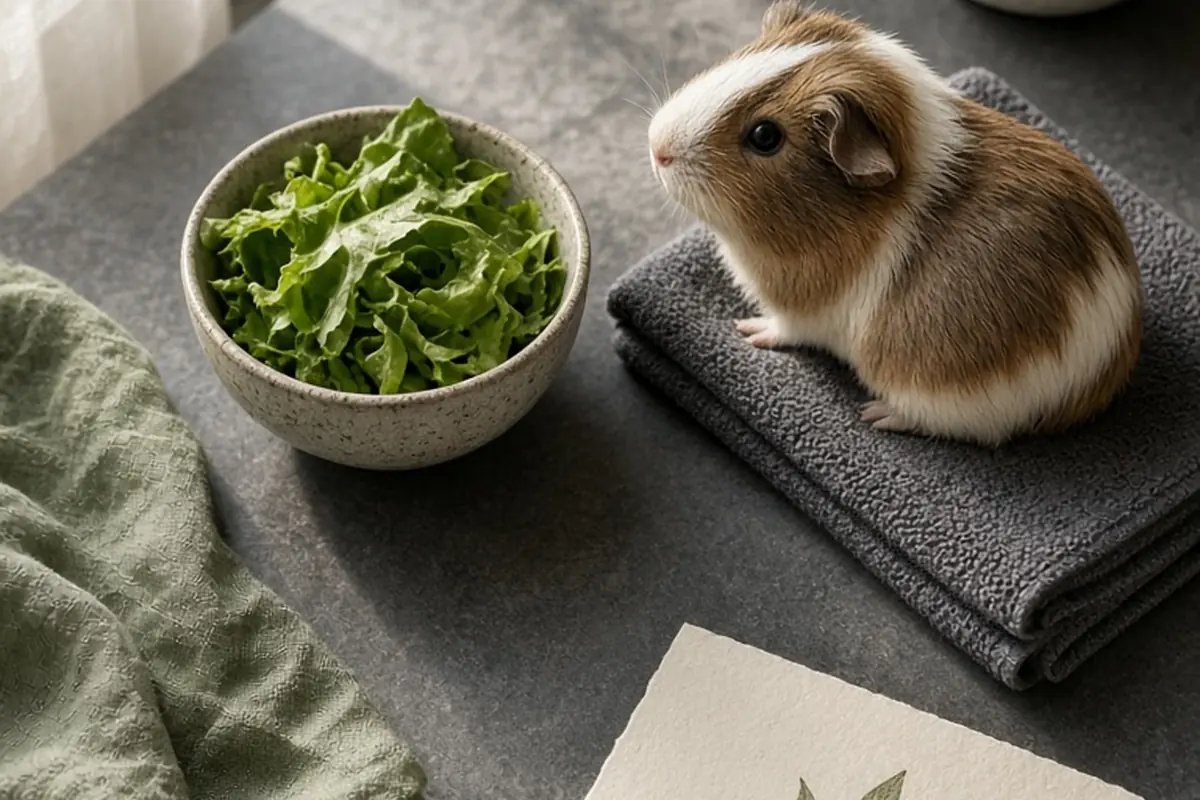
Sexing a guinea pig requires careful physical handling, which can cause anxiety for a small prey animal. Before beginning, choose a quiet, warm room free from sudden noises, drafts, or other household pets. Set up a secure, flat surface such as a table or the floor, lined with a soft fleece blanket or clean towel. Having bright, direct lighting—such as a focused desk lamp or a well-lit overhead fixture—is essential for seeing subtle anatomical details without straining your eyes.
When picking up your guinea pig, always support its entire body with both hands. Place one hand firmly under the chest and front legs while cradling the hindquarters with the other. Never turn a guinea pig completely upside down onto its back, as this position can cause spinal strain and trigger severe panic. Instead, sit down and gently lean the animal back against your chest or thighs at a comfortable 45-degree angle, keeping its rear end supported on your lap.
If your cavy is particularly skittish or wriggly, consider having a partner assist you by offering a favorite treat, such as a sprig of cilantro, parsley, or a slice of bell pepper. One person can keep the animal calm and securely held while the second person conducts the visual inspection. If the guinea pig begins kicking vigorously or shows extreme distress, return it to its enclosure for a brief rest before attempting the check again.
Recognizing Primary Anatomical Shapes: The Y Versus the i
The primary method for determining a guinea pig's biological sex involves inspecting the shape and spacing of the external genitalia located just above the anus. In female guinea pigs (sows), the genital opening forms a clear, continuous "Y" shape. The top two arms of the "Y" branch outward toward the abdomen, while the single vertical stem extends directly downward toward the anal opening. In non-breeding females, this area is typically covered by a thin vaginal closure membrane that only breaks during estrus and delivery.
In contrast, male guinea pigs (boars) display an "i"-shaped configuration. The dot of the "i" is represented by a small, raised circular bump or opening (the prepuce, which houses the penis), while the vertical line is formed by the smooth tissue stretching downward toward the anus. The genital opening in males sits noticeably higher up on the abdomen compared to the female opening.
Another dependable physical indicator is the distance between the genital aperture and the anus. In females, the base of the "Y" sits almost flush with the top edge of the anus, leaving virtually no intervening space. In males, there is a distinct gap of smooth skin separating the prepuce from the anus. Measuring this distance visually provides an immediate clue, even before attempting any physical manipulation.
Performing the Gentle Press Technique Safely
Visual inspection alone can occasionally mislead owners, especially when examining young cavies or overweight adults where skin folds obscure the area. In these cases, pet owners use the gentle press technique to confirm whether male reproductive organs are present. This method relies on applying subtle, localized pressure to check for the extrusion of the penis shaft.
To perform this check, position your thumb or index finger roughly half an inch directly above the genital opening on the lower abdomen. Apply very light, steady pressure inward toward the spine and slightly downward toward the tail. If the guinea pig is male, this gentle movement will cause the small, tubular penis to pop out from the prepuce. If the guinea pig is female, the pressure will merely cause the mucosal tissue of the "Y" slit to spread apart slightly without any structure protruding.
Safety and gentleness are paramount during this procedure. You should never pinch, squeeze, or pull on the genital tissues, as guinea pigs have delicate mucosal membranes that can tear easily. If you feel resistance or if the animal shows signs of pain, stop immediately. If gentle pressure produces no protrusion and the opening remains a clean "Y" shape, you can be reasonably confident the animal is a sow.
Evaluating Secondary Sex Characteristics in Mature Cavies
As guinea pigs reach sexual maturity—typically between two and four months of age—they develop secondary physical traits that make identification significantly easier. In adult boars, the testicles become prominent, creating large, rounded, donut-shaped swellings on either side of the anus. These scrotal pouches often push the rear end into a broader, more rounded silhouette when viewed from above or behind.
Adult males also possess a larger, more active perineal sac located directly behind the genital area. This sac collects natural secretions and bedding debris, requiring periodic monitoring by the owner to ensure it remains clean. Boars also have a more pronounced grease gland located at the base of the spine just above where a tail would be, which frequently produces an oily, waxy buildup used for scent-marking territory.
It is important to note that certain physical features are unreliable for sex determination. For example, both male and female guinea pigs have two distinct nipples located on the lower abdomen in the inguinal region. Relying on the presence or size of nipples can easily result in misidentification, as boars can have prominent nipples just like sows.
Sexing Pups and Avoiding Early Identification Mistakes
Determining the sex of newborn guinea pig pups is notoriously challenging because neonatal tissues are naturally swollen from birth hormones. In newborn males, the testicles remain tucked inside the abdomen, making the scrotal pouches invisible. Furthermore, the preputial opening in baby boars can look deceptively similar to a small female slit to an untrained eye.
The most reliable schedule is to perform an initial check within the first few days after birth, followed by a second confirmation check at two weeks of age. By the second week, the physical gap between the prepuce and the anus in males becomes much more pronounced, and the gentle press technique becomes easier to execute safely without risking injury to delicate juvenile tissues.
Accurate early sexing is time-sensitive because guinea pigs mature quickly. Male pups can become fertile and capable of impregnating their mother or sisters as early as three to four weeks of age. To prevent accidental litters and inbreeding, all male pups must be positively identified and separated into a separate enclosure before they reach 21 days of age.
Understanding Behavior and Planning Compatible Housing
Many pet owners attempt to guess their guinea pig's sex based entirely on behavior, but behavioral observations alone can be misleading. Actions such as "rumblestrutting" (swaying the hips while making a low vibrating sound), mounting, chasing, and chin-raising are natural dominance displays shared by both sexes. Sows frequently mount cage mates when they are in heat or establishing social hierarchy, while gentle boars may show minimal outward aggression.
Once you have confirmed the sexes of your guinea pigs, you can establish appropriate social pairings. Guinea pigs are obligate social animals that thrive in pairs or small groups. The most stable groupings include pairs of females, compatible pairs of males introduced at a young age, or one neutered male living with one or more females. Housing an unneutered male with intact females must always be avoided unless you are operating an intentional, professional breeding program.
If you ever feel uncertain about your assessment after examining your guinea pig, do not leave the animals housed together on an assumption. Schedule an appointment with an experienced exotic veterinarian or consult a specialized guinea pig rescue. A trained professional can verify the sex in seconds, giving you total peace of mind and keeping your pets safe.
Frequently asked questions
At what age can you definitively tell if a guinea pig is male or female?
While an experienced handler can often sex a pup at birth, anatomical traits become significantly clearer between two and three weeks of age. Checking at two weeks allows you to confirm the sex before the mandatory separation deadline at three weeks.
Do female guinea pigs have nipples like males do?
Yes, both male and female guinea pigs possess two nipples in their lower abdominal area. Because nipples are present in equal measure on both sexes, they cannot be used to determine gender.
Can two male guinea pigs live together peacefully?
Yes, two boars can live together harmoniously if they have adequate cage space (at least 10 to 12 square feet), separate food bowls, multiple hiding huts with two exits, and no intact females nearby to trigger territorial competition.
What should I do if my guinea pig's genitals look red or swollen during an exam?
If you observe unusual swelling, discharge, crusting, or signs of pain during your check, avoid applying any pressure and schedule a visit with an exotic veterinarian. These symptoms can indicate a urinary tract infection, impaction, or localized injury rather than standard anatomy.
Your next step
Take a few quiet minutes to examine your guinea pig on a secure, towel-lined surface using the gentle press method, and confirm the sex before housing unfamiliar cavies together.