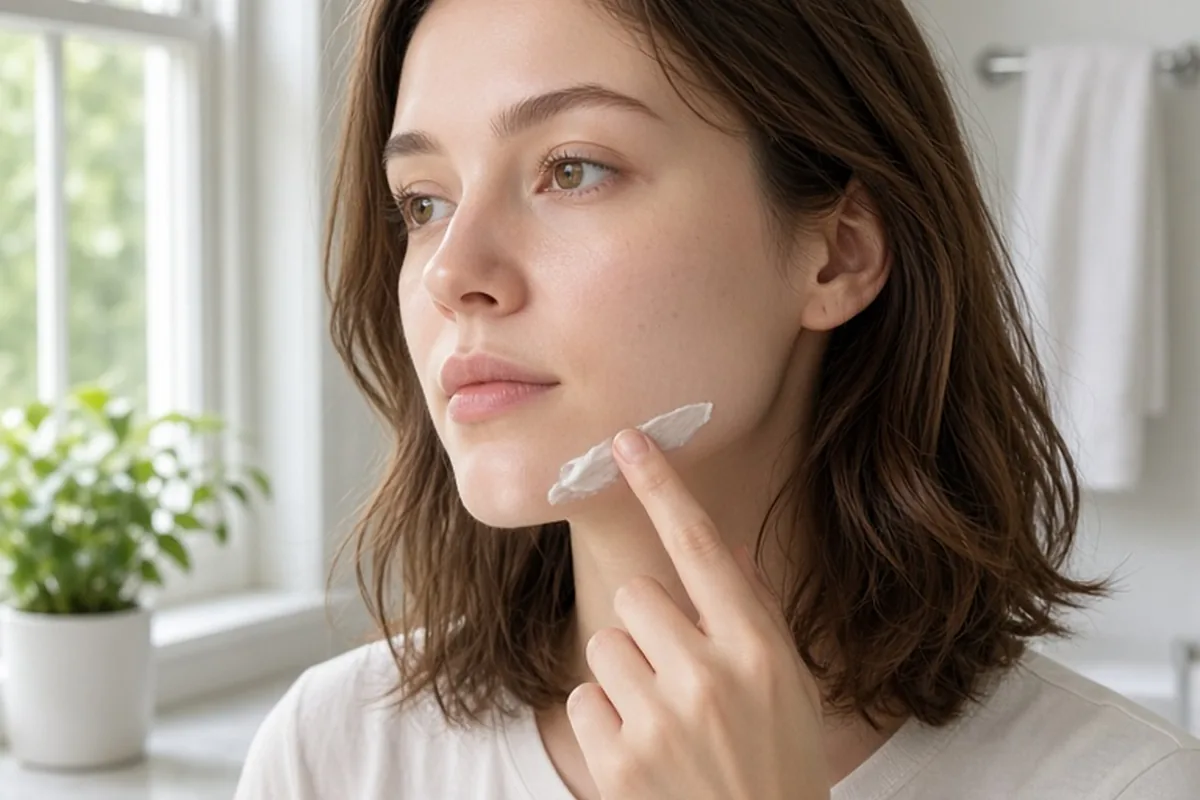
To treat acne safely as a beginner, establish a simple baseline routine with a gentle cleanser, non-comedogenic moisturizer, and daily sunscreen. Introduce one proven over-the-counter active ingredient—such as salicylic acid or benzoyl peroxide—at a low concentration two to three evenings per week. Always patch-test first, increase frequency gradually, and prioritize skin barrier hydration over aggressive drying treatments to minimize irritation and peeling.
Starting an acne treatment routine often feels overwhelming because many commercial products promise rapid results while inadvertently causing redness, flaking, or compromised skin barriers. A methodical, gentle approach prevents unnecessary irritation while giving active ingredients the steady environment they need to work effectively.
Establishing a Non-Negotiable Core Routine
Before introducing any medicated treatment into your daily regimen, your skin requires a reliable baseline routine composed of three essential steps: a gentle cleanser, a balanced moisturizer, and broad-spectrum sun protection. Acne-prone skin is frequently inflamed skin, and using active treatments without adequate barrier support almost always leads to dehydration, stinging, and secondary breakouts. A non-stripping cleanser removes excess sebum, makeup, and environmental debris without disrupting the natural acid mantle, setting a calm foundation for whatever follows.
Choosing the right formulas involves reading product labels carefully for terms like non-comedogenic and fragrance-free. For instance, a lightweight gel or fluid moisturizer containing glycerin or ceramides supplies necessary hydration without feeling heavy on oil-prone areas. Skipping moisturizer is a common beginner misstep rooted in the belief that drying out the skin will dry out blemishes. In reality, dehydrated skin often overcompensates by producing more surface sebum, worsening clogged pores while making active ingredients much harder to tolerate.
Sunscreen serves as the crucial third pillar in any safe acne routine, particularly because many anti-acne ingredients increase photosensitivity. Daily application of an SPF 30 or higher helps prevent post-inflammatory hyperpigmentation—the dark marks left behind after a blemish resolves—from darkening further under ultraviolet light. A lightweight, oil-free fluid or gel formulation minimizes the risk of pore congestion while keeping your skin shielded throughout the day.
Selecting Your First Active Ingredient Wisely
Once your basic routine is consistent for at least two weeks, you can select a single active ingredient targeted toward your specific type of congestion. Salicylic acid, an oil-soluble beta-hydroxy acid (BHA), penetrates deep into sebum-filled pores to dissolve dead skin cell buildup, making it especially suitable for blackheads and closed comedones. Benzoyl peroxide, on the other hand, targets acne-causing bacteria directly and reduces surface inflammation, which makes it effective for red, tender papules and pustules.
Beginners often assume that higher percentages deliver faster results, but clinical experience suggests that lower concentrations provide comparable benefits with significantly less irritation. For example, a 2.5% benzoyl peroxide gel offers similar acne-clearing efficacy to a 10% formula while substantially reducing peeling, redness, and burning sensations. Similarly, a 0.5% to 2% salicylic acid wash or leave-on liquid is more than sufficient for initial pore maintenance.
Choosing only one active ingredient at the start is vital for safety. If you apply multiple new treatments simultaneously and experience a flare-up or allergic reaction, identifying the offending product becomes nearly impossible. Stick with your chosen ingredient consistently for several weeks before even considering an additional therapeutic step.
The Importance of Patch Testing and Gradual Introduction
Patch testing is a simple preventative step that protects your entire face from unexpected allergic reactions or severe contact dermatitis. To perform a patch test, apply a pea-sized amount of the new product to a discreet patch of skin, such as behind the ear or along the inner jawline, once daily for three consecutive days. Monitor the area closely for intense itching, hives, swelling, or widespread redness before applying the formula to larger areas.
If the patch test produces no adverse reaction, introduce the active ingredient using a low-and-slow schedule. Begin by applying the treatment just two evenings per week, spaced evenly apart, such as on Monday and Thursday. If your skin feels comfortable after two full weeks without excessive dryness or tightness, increase usage to every other evening. Only move to daily application if your skin tolerates the frequency comfortably and continues to show signs of healthy barrier function.
This controlled introduction allows you to monitor how your skin responds in real time. Slight tingling during the first few moments of application can be normal, but persistent burning, cracking skin, or heat indicates that the frequency is too aggressive and must be scaled back immediately.
Combining Products and Protecting the Skin Barrier
One of the quickest ways beginners damage their skin barrier is by layering multiple potent actives in a single routine. Combining an exfoliating acid toner, a benzoyl peroxide treatment, and a retinoid in the same evening overwhelms the skin, resulting in a compromised lipid barrier that appears tight, shiny, and irritated. When the barrier is damaged, natural defenses decline, making breakouts more persistent and painful.
To mitigate irritation, beginners can use the buffering technique, sometimes called the sandwich method. This involves applying a light layer of moisturizer, letting it absorb for a few minutes, applying the active treatment, and then finishing with another thin layer of moisturizer. Buffering slightly slows the penetration rate of the active ingredient without diminishing its therapeutic capacity, providing a gentle buffer for reactive skin types.
Supporting ingredients that bolster skin resilience include ceramides, niacinamide at modest concentrations between 2% and 5%, panthenol (vitamin B5), and hyaluronic acid. These barrier-restoring compounds help replenish lost lipids, soothe redness, and retain moisture, keeping your skin supple as active treatments carry out their clarifying work.
Managing the Purging Phase and Setting Realistic Timelines
When introducing cellular turnover accelerators like salicylic acid or mild retinoids, you may experience a temporary increase in breakouts known as skin purging. Purging occurs when microcomedones that were already forming beneath the surface are pushed upward more rapidly due to increased cell shedding. Purge blemishes typically appear in areas where you regularly experience breakouts and tend to resolve faster than standard pimples.
In contrast, a true adverse reaction or product-induced irritation usually presents as small itchy bumps, widespread redness, or flaking in areas where you rarely or never get blemishes. If you notice persistent itching, widespread burning, or new clusters in unusual zones, the formula may be clogging your pores or irritating your barrier, signaling that you should discontinue the product rather than waiting it out.
Patience is essential because natural skin cell turnover takes roughly 28 to 40 days in adults. Visible improvement rarely happens overnight, and most over-the-counter acne treatments require 6 to 12 weeks of consistent application before showing measurable changes. Constantly switching products every few days disrupts this cycle and prevents any single ingredient from completing its work.
Daily Habits and Common Beginner Mistakes to Avoid
Effective acne management extends beyond topical bottles to daily handling habits. Physical scrubbing with abrasive walnut shells, rough brushes, or coarse washcloths creates micro-tears on the skin surface and spreads inflammation across healthy tissue. Gentle cleansing using only your fingertips and lukewarm water cleanses effectively without inflicting mechanical trauma.
Picking, squeezing, or popping blemishes is another habit that undermines progress. Squeezing forces bacteria and inflammatory fluid deeper into the dermis, increasing tissue damage and dramatically raising the likelihood of permanent scarring or dark spots. If a blemish comes to a head, applying a hydrocolloid pimple patch provides a protective barrier against picking while absorbing excess fluid in a clean environment.
Everyday contact points also merit mindful attention. Pillowcases, smartphone screens, and workout headbands collect oils, sweat, and hair product residue throughout the week. Changing your pillowcase every few days and wiping down your phone screen regularly helps eliminate external friction and debris that can contribute to localized breakouts along the cheeks and jawline.
Knowing When to Seek Professional Guidance
While over-the-counter strategies are sufficient for mild to moderate blackheads, whiteheads, and occasional surface pimples, certain forms of acne require professional medical intervention. Deep, painful nodules, fluid-filled cysts beneath the skin, or blemishes that consistently leave pitted scars are indicators that topical consumer products may not be enough to prevent long-term tissue changes.
If you have maintained a disciplined, gentle routine with over-the-counter active ingredients for three full months without visible improvement, scheduling a consultation with a board-certified dermatologist is the safest next step. A dermatologist can assess your skin under proper lighting, differentiate acne from conditions like rosacea or perioral dermatitis, and prescribe targeted topical or oral therapies.
Working with a professional also protects your financial and emotional well-being by steering you away from expensive, unverified online trends. A clinician provides clear oversight, ensuring that any prescription treatments—such as topical retinoids, clindamycin, or hormonal therapies—are integrated safely into your daily routine.
Frequently asked questions
Can I use salicylic acid and benzoyl peroxide together when starting out?
It is best to avoid using both simultaneously as a beginner, as layering them significantly increases the risk of dryness, redness, and peeling. If you want to use both, start with one for several weeks, then introduce the second on alternating evenings or at different times of the day.
How long does it usually take for a beginner acne routine to show results?
Most mild to moderate acne treatments require between 6 and 12 weeks of steady use to demonstrate noticeable improvements in texture and breakout frequency. Skin cells take around a month to cycle through, so daily consistency matters far more than short-term product changes.
What should I do if my skin starts burning or peeling after using an acne treatment?
Stop using all active treatments immediately and revert to a simple gentle cleanser and rich, soothing moisturizer for several days. Once the stinging and flaking resolve, reintroduce the active product at a lower frequency, such as once or twice a week, or buffer it over your moisturizer.
Does drinking more water or changing diet cure acne on its own?
Staying hydrated supports overall skin health, but drinking water alone is unlikely to resolve underlying pore blockages or bacterial inflammation. While some individuals notice personal food triggers, safe topical care remains the primary method for managing breakouts directly.
Your next step
Choose one gentle active ingredient suited to your primary breakout type, patch-test it, and introduce it two evenings per week alongside a steady routine of cleanser, moisturizer, and daily sunscreen.