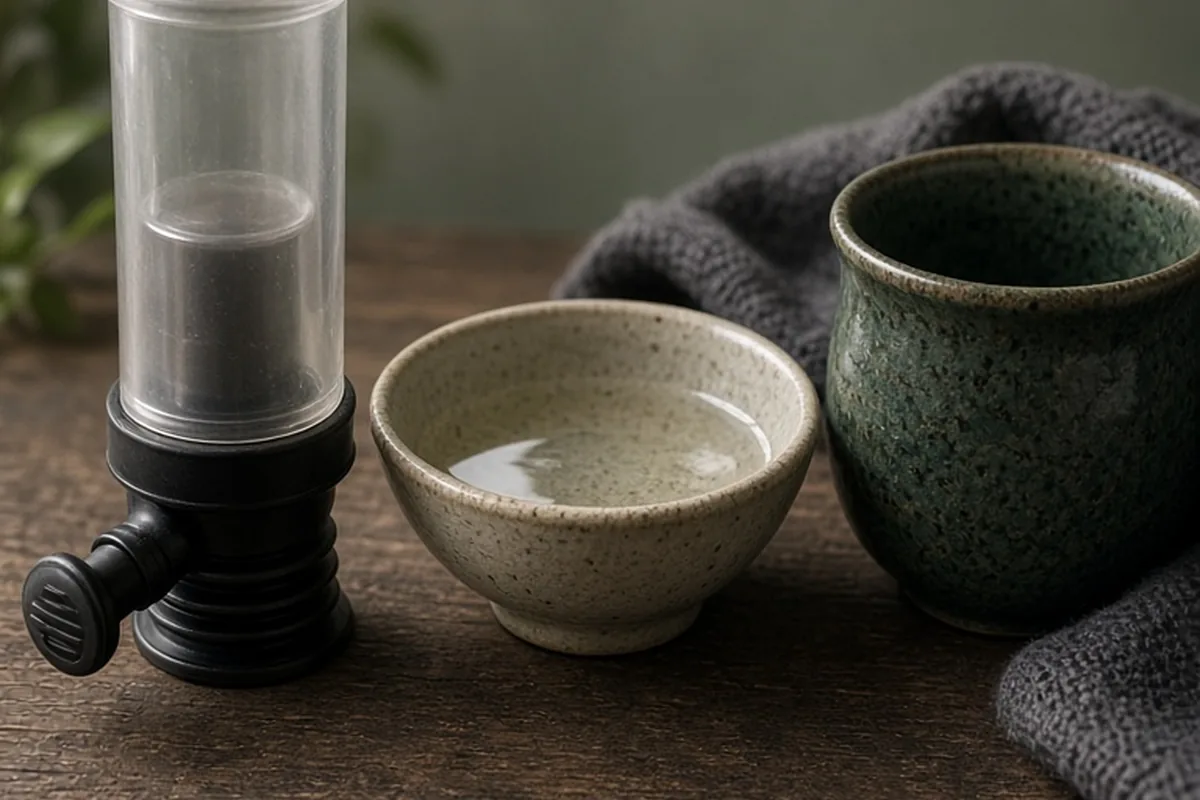
A penis pump can create a temporary erection by drawing blood into the penis with vacuum pressure; a constriction ring may help maintain it. Use water-based lube, low pressure, short sessions, and the release valve; stop for pain, numbness, or bruising. It can work for many men, especially with erection difficulties, but results are temporary and not permanent enlargement.
The device is simple, but the details decide whether it feels useful, uncomfortable, or awkward.
What a penis pump can and cannot do
A penis pump is a cylinder placed over the penis that removes air to create negative pressure. That pressure can encourage blood flow into the erectile tissue, which may produce an erection firm enough for partnered sex or solo exploration. Some people use a pump occasionally for confidence, some use it as part of managing erection changes, and some try it out of curiosity. The most honest expectation is temporary support, not a permanent change in size or a guarantee of arousal.
The limit matters because disappointment usually comes from expecting the pump to create desire, fix a relationship issue, or override the body. It cannot make a partner want sex, and it should not be used to push past hesitation. If stress, resentment, pain, medication effects, or a sudden change in erections is part of the picture, a pump may be only one small tool. A clinician can help sort out causes when the change is new, severe, or worrying.
How to use a penis pump step by step
Start clean, calm, and unhurried. Wash the cylinder, trim sharp nail edges if a partner is helping, and use a water-based lubricant around the base of the penis and the rim of the cylinder so the seal is comfortable rather than sticky. Place the cylinder over the penis while it is soft or partly firm, keep the seal snug but not pinched, and pump slowly until there is a gentle feeling of fullness. The goal is pressure you can release easily, not a test of toughness.
Once there is enough firmness, pause before adding more pressure. If a constriction ring is part of the plan, slide it to the base only after the erection is created, and keep it snug rather than tight. Remove the cylinder using the release valve, then check color, warmth, sensation, and comfort. Keep the ring on for a short window rather than a long marathon, and remove it sooner if there is coldness, numbness, dark discoloration, swelling, or pain.
Pressure, timing, and the ring: details that matter
Most problems come from doing too much too fast. High pressure can feel dramatic in the moment and still leave bruising, soreness, or a less pleasant experience later. A better pattern is gradual: pump a little, wait a few seconds, notice sensation, then decide whether to continue. If the device has a gauge, treat lower readings as the starting neighborhood and let comfort set the limit. If it is manual, use slow pumps and frequent pauses.
Timing is just as important as intensity. A session is usually measured in minutes, and the ring should not stay on long enough to create numbness or a trapped, aching feeling. Think of the ring as a temporary support, not a clamp. A practical rule is to build in a check-in: Is the penis warm? Is sensation normal? Is the color close to usual? If any answer feels off, release pressure and remove the ring.
Safety signals and when to skip it
Stop signals are not subtle: sharp pain, pinching at the rim, numbness, tingling that does not fade, cold skin, dark purple or blue color, marked swelling, broken skin, or a ring that feels stuck. Bruising or small red spots can happen when pressure is too aggressive, and they are a reason to rest rather than push through. If there is lasting pain, trouble urinating, a deformity after injury, or an erection that will not go down, urgent medical care is the safer move.
Skip the pump and ask a clinician first if there is a bleeding disorder, use of blood thinners, a recent penile injury or surgery, severe curvature with pain, unexplained lumps, or a sudden major change in erections. Also skip it when alcohol or drugs make it hard to notice pain or communicate clearly. A pump should never be used to prove masculinity, win a partner back, or continue after a partner says no. Consent and comfort outrank the device every time.
Making it part of intimacy without pressure
A pump can feel less awkward when it is framed as a shared experiment instead of a secret fix. A simple line helps: I want to try something that may help me feel firmer, and I want us both to stay comfortable. That keeps the focus on pleasure and teamwork rather than performance. If a partner is involved, agree on signals for slower, stop, release, and remove the ring before anyone is in the middle of a tense moment.
The trade-off is that bringing a device into bed can interrupt spontaneity if it is treated like a pass-fail exam. Keep the mood lighter by preparing supplies ahead of time, using plenty of lube, and letting the first tries be about learning rather than finishing. If the pump works physically but the emotional tone becomes anxious, pause and talk. Confidence grows faster from honest pacing than from pretending everything is effortless.
If it does not seem to work: troubleshooting
When a pump seems ineffective, the usual suspects are seal, lubricant, timing, and expectation. If air keeps leaking, the cylinder may be too large, the rim may not be seated evenly, or hair and dry skin may be breaking the seal. More lube around the rim and a slower angle often help. If firmness fades quickly after the cylinder comes off, the issue may be ring placement, ring size, or removing the vacuum too abruptly instead of transitioning smoothly.
There is also a mental side. If every attempt is scored as success or failure, the body often responds with tension, which makes the whole process feel unreliable. Try a low-stakes session where the only goal is to learn how the pressure feels and how quickly sensation changes. If repeated careful attempts still produce pain, minimal response, or anxiety that spills into the relationship, that is useful information rather than a personal defect. A clinician or sex therapist can help troubleshoot without shame.
Choosing a device and keeping expectations honest
Look for a cylinder that fits comfortably, a quick-release valve that is easy to reach, smooth edges, clear instructions, and materials that can be cleaned thoroughly. A gauge can be useful for people who tend to overdo pressure, while a simple manual pump may be enough for someone who wants control and low cost. Avoid novelty products that promise permanent growth, instant transformation, or guaranteed attraction; those claims are marketing, not a plan.
The most sustainable mindset is curious and bounded. A pump may help create a firmer window for intimacy, and it may also teach useful information about arousal, anxiety, and comfort. It is not a cure for every erection concern, not a substitute for desire, and not a reason to ignore pain. Used gently, it can be one option among communication, pacing, medical care when needed, and a sex life built on mutual willingness.
Illustrative Scenarios
The first try that felt like too much
A composite example: after a stressful month, a man buys a pump before a weekend with his partner and assumes stronger suction will mean stronger confidence. The first session feels intense, he keeps pumping because he wants the night to go well, and afterward he notices soreness and small red spots. His first interpretation is that he failed. A more useful response is to stop, rest for a few days, reread the instructions, and retry with lower pressure, more lube, and a clear agreement that either person can pause. The next attempt is less dramatic but more comfortable.
Key point: More pressure is not more masculinity; comfort and control are what make the device usable.
When the device felt like a verdict
A composite example: a couple in their forties hits a stretch where erections are less predictable, and the partner suggests a pump. He hears it as proof he is broken, so he hides the box and avoids sex altogether. The turning point is a short conversation outside the bedroom: the pump is framed as an optional tool, not a referendum on desire. They agree to try it once with no expectation of intercourse, just to see how it feels. Removing the pass-fail stakes makes the experiment easier to discuss honestly.
Key point: A tool works better when it supports intimacy instead of silently grading it.
Frequently asked questions
Does a penis pump work for everyone?
No. It can help some people create a temporary erection, but response varies with the cause of the difficulty, comfort, anxiety, health factors, and technique. If erections changed suddenly or painfully, check in with a clinician rather than relying on the device alone.
How long should the constriction ring stay on?
Keep it brief and remove it at the first sign of numbness, coldness, pain, swelling, or unusual color. Do not sleep with it on, and do not treat a tight ring as proof the session is working.
Can a penis pump make the penis bigger permanently?
Permanent enlargement is not a realistic promise. Any fuller look is generally temporary because vacuum pressure changes blood flow for a short window rather than remodeling tissue.
What is the safest first session like?
Choose a private, unhurried setting, use water-based lube, start with low pressure, and keep the session short. Practice releasing the valve before you need it, and end while everything still feels comfortable.
Your next step
Next step: set up one low-pressure practice session with lube, the release valve within reach, and a clear stop signal, then write down what felt comfortable before trying it with a partner.