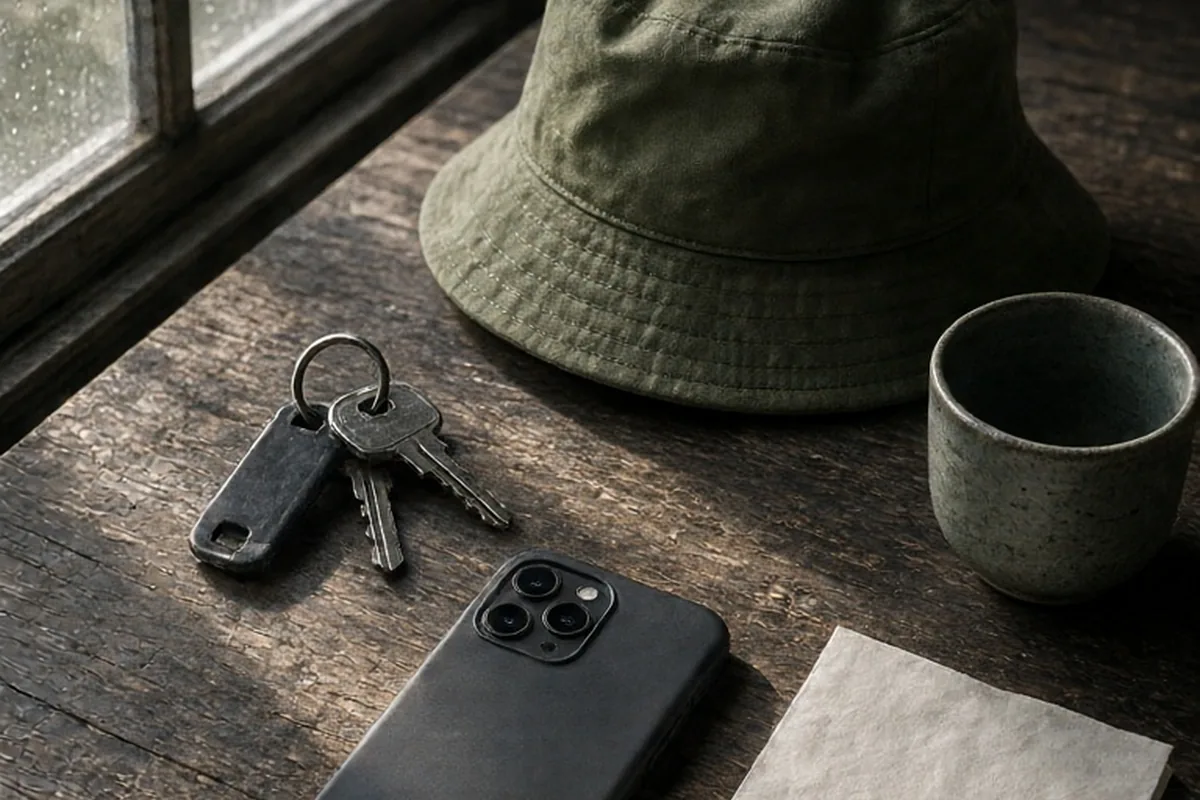
To wear a bucket hat stylishly, position the brim just above your eyebrows, tilted slightly backward to open up your face and maintain clean sightlines. Pair structured fabrics like twill or leather with tailored coats and wide-leg trousers, while keeping softer cotton or nylon versions with casual denim and athleisure. Balance headwear volume by letting your natural hair texture, braids, or loose waves show underneath.
Originally designed for Irish farmers and fishermen seeking protection from the rain, the modern bucket hat has evolved into a versatile accessory that bridges utilitarian function and intentional personal style.
Finding the Right Brim Width and Crown Depth for Your Features
Choosing a flattering bucket hat begins with understanding your face shape and overall physical proportions. A standard bucket hat features a downward-sloping brim and an unstructured crown, but subtle differences in brim angle and crown height drastically alter the visual balance. If you have softer or rounded facial features, selecting a hat with a structured, medium-width brim and a slightly taller crown provides verticality and definition. Conversely, angular or longer faces benefit from a shorter crown depth and a softer, down-slanted brim that visually shortens the forehead without overwhelming the jawline.
The fit around your head circumference is equally critical for both comfort and aesthetic balance. A bucket hat that sits too tight will leave indentation marks on your forehead and push your hair outward at awkward angles, while an oversized hat will slide down over your eyes and obscure your facial expressions. To find your ideal fit, measure the widest part of your head just above your ears. When you try on the hat, you should be able to slide one finger comfortably between the inner sweatband and your temples without the hat moving when you turn your head.
Consider also the stiffness of the material when evaluating proportions. Rigid fabrics such as heavy cotton canvas, denim, and structured leather maintain a clean, architectural shape that contrasts well against soft clothing. Flexible fabrics like crochet, lightweight nylon, and washed twill drape closely around the head, offering a more relaxed, organic silhouette. The trade-off with softer fabrics is that they can collapse in humid weather or light wind, requiring occasional readjustment throughout the day.
Styling Hair Beneath the Hat to Preserve Volume and Shape
How you style your hair underneath a bucket hat determines whether the accessory looks intentional or haphazard. Tucking all of your hair entirely inside the crown can create a blunt, severe look that removes softness around your neck and shoulders. Instead, bring sections of hair forward to frame your cheeks, jaw, and collarbones. Loose beach waves, natural curls, and textured bobs provide an organic counterpoint to the circular lines of the brim, grounding the accessory within your broader outfit.
Low-profile updos work exceptionally well when you want your hair secured away from your face without distorting the hat's shape. A sleek low bun, a nape-level ponytail, or twin low braids allow the crown of the hat to sit flush against the back of your head without riding up. If you wear box braids, twists, or locs, choose an unstructured bucket hat in an expanded size or flexible knit fabric so the hat accommodates your hair volume comfortably without flattening your roots.
Preventing the flattened texture commonly known as hat hair requires mindful preparation before you put the piece on. Apply a lightweight texturizing spray or dry shampoo to your roots to create a resilient barrier against scalp moisture, and let freshly styled or heated hair cool completely before placing the hat on your head. When removing the hat indoors, gently flip your head forward and massage your roots with your fingertips to immediately restore lift.
Elevating Everyday Outfits with Tailored and Modern Staples
One of the most effective styling techniques involves contrasting the inherently casual, streetwear origins of the bucket hat with polished tailoring. Pairing a clean cotton or faux-leather bucket hat with an oversized blazer, a crisp white button-down, and high-waisted trousers creates an elevated juxtaposition. This combination works because the sharp lapels and clean shoulder lines of the tailoring offset the casual, rounded geometry of the headwear, producing a contemporary look suited for creative workplaces or casual dinners.
For a minimalist, Scandinavian-inspired aesthetic, build your outfit around a tonal or monochromatic palette. For example, match an ivory wool-blend bucket hat with a cream knit sweater, wide-leg ecru denim, and minimal leather loafers. Keeping the color scheme restrained lets the texture of the hat serve as the focal point without competing with loud prints or clashing shades. Add subtle gold jewelry, such as small hoop earrings or a delicate chain, to catch the light underneath the brim.
When assembling tailored looks, pay attention to the scale of your footwear. Because a bucket hat adds visual weight to the top of your silhouette, delicate flat sandals or ultra-thin ballet flats can leave an outfit feeling top-heavy. Ground the look with substantial footwear such as chunky leather loafers, clean platform sneakers, or ankle boots to maintain balance from head to toe.
Creating Casual Streetwear and Weekend Athleisure Looks
In casual settings, the bucket hat functions as a practical and expressive staple that naturally complements utilitarian and sporty clothing. To build a balanced weekend outfit, pair a lightweight nylon or twill bucket hat with relaxed-fit cargo pants, a fitted ribbed tank top, and retro running sneakers. The contrast between a fitted top and loose bottoms mirrors the proportion created by a structured hat framing an open neckline, preventing the silhouette from feeling overly baggy.
Athleisure ensembles gain an intentional, put-together quality when finished with performance-oriented headwear. A quick-drying, moisture-wicking bucket hat pairs seamlessly with matching biker shorts, an oversized crewneck sweatshirt, and athletic socks with trainers. For cooler morning walks or errands, layer a cropped puffer jacket or fleece zip-up over your base layer to introduce textural depth while staying comfortable.
A common trade-off when styling casual streetwear is navigating the line between retro charm and costume. To ensure the outfit feels modern rather than dated, limit overt 1990s or early 2000s references to one or two pieces. If your bucket hat features a prominent vintage logo or bright tie-dye pattern, keep the rest of your clothing understated with clean neutrals and modern cuts.
Selecting Seasonal Fabrics for Warm and Cold Weather
The fabric of your bucket hat dictates both its functional performance and its visual weight across different seasons. In spring and summer, prioritize breathable, natural fibers like cotton twill, linen, and woven raffia or straw. A wide-brimmed raffia bucket hat offers superior shade during sunny days and pairs effortlessly with breezy sundresses, linen shorts, and swimwear. Lightweight nylon versions are ideal for outdoor activities, offering packability and water resistance during sudden summer showers.
As temperatures drop in autumn and winter, transition to heavier, heat-retaining textiles such as corduroy, shearling, faux fur, and brushed wool. A plush fleece or corduroy bucket hat adds cozy tactile interest to heavy winter outerwear, including long wool overcoats, down parkas, and quilted jackets. These denser fabrics also hold their structural shape better in brisk winds compared to lightweight summer weaves.
Keep in mind the care and maintenance demands of different materials before making a purchase. While cotton and nylon bucket hats can typically be spot-cleaned or gently hand-washed, structured wool, leather, and faux-fur pieces require dedicated spot treatment or professional cleaning to prevent shrinkage and maintain their texture over time.
Balancing Patterns, Graphics, and Solid Color Accents
A bucket hat can serve either as a subtle unifying neutral or as the vibrant focal point of your entire ensemble. If you prefer a versatile accessory that integrates into an existing wardrobe with minimal effort, invest in neutral shades like black, olive green, warm beige, or navy. These tones complement denim washes, leather jackets, and trench coats without causing color conflicts or requiring complicated planning.
When choosing a statement bucket hat featuring bold animal prints, plaid, florals, or vibrant neon colors, apply the principle of color echoing. Pick one secondary accent color from the hat's pattern and repeat it elsewhere in your outfit through your shoes, handbag, or a base layer shirt. This subtle repetition ties the look together cohesively, ensuring the patterned hat looks deliberately integrated rather than mismatched.
Avoid pairing a brightly patterned bucket hat with multiple competing prints across your clothing unless you are intentionally creating a maximalist aesthetic. In most daily situations, surrounding a patterned hat with solid-colored garments allows the print to stand out cleanly without overwhelming your personal features or creating visual clutter.
Frequently asked questions
Can I wear a bucket hat if I have a small or round face?
Yes, individuals with round or petite faces can wear bucket hats by choosing models with shorter, slightly angled brims and moderate crown heights. Tilting the hat slightly toward the back of the crown reveals the forehead, which elongates facial proportions and prevents the hat from overwhelming your features.
How should a bucket hat sit on the head for the most flattering angle?
The most versatile position is resting parallel to the ground or tilted slightly backward, with the front brim hovering approximately an inch above the eyebrows. Pulling the hat straight down over the eyes can cast heavy shadows on your face, while wearing it slightly back opens your expression.
What jewelry pairs best with a bucket hat?
Medium hoop earrings, huggies, and clean ear cuffs work best because they sit close to the ear and will not tangle with the brim. For necklaces, simple chains or collar-length pendants complement open necklines without competing with the hat's visual presence.
Your next step
Choose one neutral or textured bucket hat that fits comfortably around your head circumference, tilt the brim slightly back from your brow line, and wear it with a structured jacket and loose hair this week to find your preferred balance.